
Have you ever found yourself staring at a puddle of water at the bottom of your dishwasher, unsure of what to do next? It’s frustrating when you expect your dishes to come out sparkling clean, but instead, you’re faced with a drainage problem.
Don’t worry; you’re not alone. Many homeowners experience this issue, and the good news is that you can often fix it yourself without calling a professional. Learning how to manually drain your dishwasher can save you time, money, and stress.
Plus, it gives you the satisfaction of solving a household problem on your own. We’ll guide you through the simple steps to manually drain your dishwasher, ensuring your appliance is back to its efficient self in no time. Keep reading, and you’ll discover how easy it is to regain control over your kitchen cleanup routine.
Reasons For Manual Draining
Manual draining of a dishwasher becomes necessary due to clogs, broken parts, or standing water issues. This process helps ensure proper function and prevents potential water damage. Regular checks can help maintain efficiency and prolong the lifespan of the appliance.
Dishwashers are a modern convenience that saves time and effort. However, sometimes you might need to manually drain your dishwasher. But why would you need to do this? Understanding the reasons can help you maintain your appliance and ensure its longevity. Let’s look at some common scenarios where manual draining becomes necessary.Clogs And Blockages
A common reason for manual draining is clogs in the drainage system. This can happen due to food particles or debris that accumulate over time. You may notice water pooling at the bottom of your dishwasher. Imagine opening the dishwasher door to find a mini flood instead of clean plates! Regularly inspecting the filter and drain can prevent this. Have you ever wondered what lurks beneath those racks? It’s worth checking every now and then.Malfunctioning Pump
A faulty pump can stop your dishwasher from draining properly. If the pump fails, water remains trapped inside. Listen for unusual noises during the wash cycle. These could indicate a pump issue. You might hear a grinding sound or notice water not draining completely. Addressing this early can prevent more significant problems down the line.Electrical Issues
Sometimes, electrical problems can interfere with the dishwasher’s draining process. A power surge or faulty wiring might be to blame. Check the power supply and circuit breaker if you suspect electrical issues. Don’t overlook the possibility of a loose connection. It’s surprising how often a simple fix can solve what seems like a complex issue.Scheduled Maintenance
Manual draining can be part of routine maintenance. Regularly emptying the dishwasher helps prevent sediment buildup. It’s a good practice to manually drain your dishwasher occasionally, even if everything seems fine. This can improve efficiency and extend the lifespan of your appliance. Have you scheduled maintenance for your dishwasher recently?Standing Water Concerns
Standing water can lead to unpleasant odors and mold growth. If you notice a persistent smell coming from your dishwasher, it might be time to manually drain it. This ensures no stagnant water is left behind. Are you confident that your dishwasher is as clean as it should be? Manual draining could be the solution. Taking the time to understand these reasons can save you from unexpected inconveniences. Your dishwasher deserves the best care, and sometimes that means rolling up your sleeves and getting a bit hands-on. What steps will you take to keep your dishwasher running smoothly?Tools Needed
Draining your dishwasher manually isn’t complicated, but you need the right tools. Equipping yourself with these tools ensures a smooth process. Proper tools make the task easier and prevent mess.
1. Screwdriver
A screwdriver is essential for removing the dishwasher’s access panel. Ensure it matches the screws on your dishwasher. This tool helps you reach the drain area easily.
2. Towels Or Rags
Water spills are common when draining a dishwasher. Towels or rags help soak up excess water. They prevent water from damaging your kitchen floor.
3. Bucket Or Bowl
Use a bucket or bowl to collect water from the dishwasher. This tool ensures you manage water efficiently. A sturdy bucket minimizes spills.
4. Pliers
Pliers can be useful for loosening tight clamps. They help in accessing hoses connected to the dishwasher. Ensure they are comfortable to handle.
5. Flashlight
A flashlight illuminates dark areas under the dishwasher. It helps you see clearly while working. A bright flashlight is recommended for better visibility.
6. Gloves
Protect your hands with gloves while working. They safeguard against sharp edges and debris. Comfortable gloves make the task safer.
Safety Precautions
Ensure safety by unplugging the dishwasher before draining. Use towels to catch water spills. Check hoses for leaks or blockages.
Draining a dishwasher manually might seem like a straightforward task, but without the right safety precautions, it can quickly turn into a messy or even hazardous experience. Before you roll up your sleeves and start the draining process, it’s crucial to ensure you’re taking the right steps to protect yourself and your kitchen. This involves more than just turning off the machine—it’s about creating a safe environment where accidents are less likely to happen.1. Turn Off The Power
Always start by turning off the dishwasher’s power. Locate the plug and pull it out from the socket. If your dishwasher is hardwired, switch off the circuit breaker that supplies power to it. This prevents any accidental start-up and ensures your safety.2. Wear Protective Gear
Don a pair of rubber gloves to protect your hands from sharp objects and hot water. You might also want to wear non-slip shoes. This will help you maintain a good grip on the floor, especially if water spills onto the ground.3. Clear The Area
Move any obstacles around the dishwasher to create a clear working space. Remove rugs or mats that could cause you to trip. A tidy area minimizes accidents and gives you easy access to the dishwasher.4. Prepare For Water Spillage
Place towels or a shallow pan under the dishwasher to catch any water that might spill during the draining process. This keeps your floor dry and reduces the risk of slips. A towel can also be handy for quickly wiping up any unexpected water splashes.5. Be Mindful Of Sharp Objects
Dishwashers can sometimes hide broken glass or sharp utensils, especially if a cycle was interrupted. Carefully check the bottom of the dishwasher for any potentially hazardous items. Removing these before starting can prevent cuts and injuries. Safety doesn’t have to be an afterthought when dealing with home appliances. Have you ever found yourself caught off guard by an unexpected mishap? Taking these simple precautions can make all the difference in ensuring a smooth and safe manual draining process.Locating The Drain Hose
Manually draining a dishwasher might seem complicated, but it’s manageable. A crucial step involves locating the drain hose. This component is essential for removing water from the appliance. Understanding its position and function can simplify the draining process.
Finding The Drain Hose Under The Sink
Start by checking under the kitchen sink. The drain hose often connects to the garbage disposal or sink drain. It’s a flexible tube, usually made of plastic or rubber. Look for a hose with clamps securing it to the plumbing.
Identifying The Hose Behind The Dishwasher
For some models, examine the area behind the dishwasher. Pull the appliance slightly away from the wall. You’ll often find the hose exiting the back of the machine. It’s necessary to handle the hose gently to avoid damage.
Examining The Dishwasher’s Manual
Consult the dishwasher’s manual if the hose is hard to find. The manual provides diagrams and instructions specific to your model. This can save time and prevent unnecessary frustration.
Safety Precautions While Locating
Always ensure the dishwasher is unplugged before starting. This prevents electrical hazards. Wear gloves to protect your hands from sharp edges or debris. Safety first to ensure a smooth process.
Disconnecting The Drain Hose
Disconnecting the drain hose is a crucial step in manually draining your dishwasher. This process ensures that no water is left behind, preventing leaks and odors. It’s simple but requires careful handling to avoid damage.
How To Locate The Drain Hose
The drain hose is usually behind the dishwasher. You will find it connected to the sink’s plumbing or directly to the drain. It’s often a flexible tube that carries wastewater away.
Tools Needed For Disconnecting
You’ll need a screwdriver and pliers for this task. These tools help loosen clamps or screws holding the hose in place. Wear gloves to protect your hands from sharp edges.
Steps To Disconnect The Hose
Start by turning off the power to the dishwasher. This prevents any electrical accidents. Then, gently pull the dishwasher away from the wall to access the hose.
Use the screwdriver to loosen any screws securing the hose. If clamps are used, pliers will help in removing them. Once free, carefully detach the hose from its connection.
Inspecting The Hose For Damage
After removal, check the hose for cracks or blockages. A damaged hose can lead to leaks. If damaged, consider replacing it to ensure proper drainage.
Ensuring Proper Disposal Of Water
With the hose disconnected, water may still be inside. Use a bucket to collect any remaining water. Pour it down a working drain to avoid spills.
Credit: www.homedepot.com
Removing Water From The Dishwasher
Draining water from a dishwasher can be essential for maintenance. Sometimes, a dishwasher may not drain properly due to a blockage. Manually draining it can solve this problem. This process requires a few simple steps. Let’s explore how to remove water from a dishwasher.
Understanding The Problem
First, identify why water remains in the dishwasher. Common causes include a clogged filter or a blocked drain hose. Knowing the root cause helps prevent future issues.
Gathering Necessary Tools
Prepare a few tools before starting the draining process. You will need a sponge, a bucket, and towels. These items make water removal easier and cleaner.
Turning Off The Power
Safety is crucial. Disconnect the dishwasher from the power supply. This prevents electrical hazards while working on the appliance.
Accessing The Dishwasher’s Interior
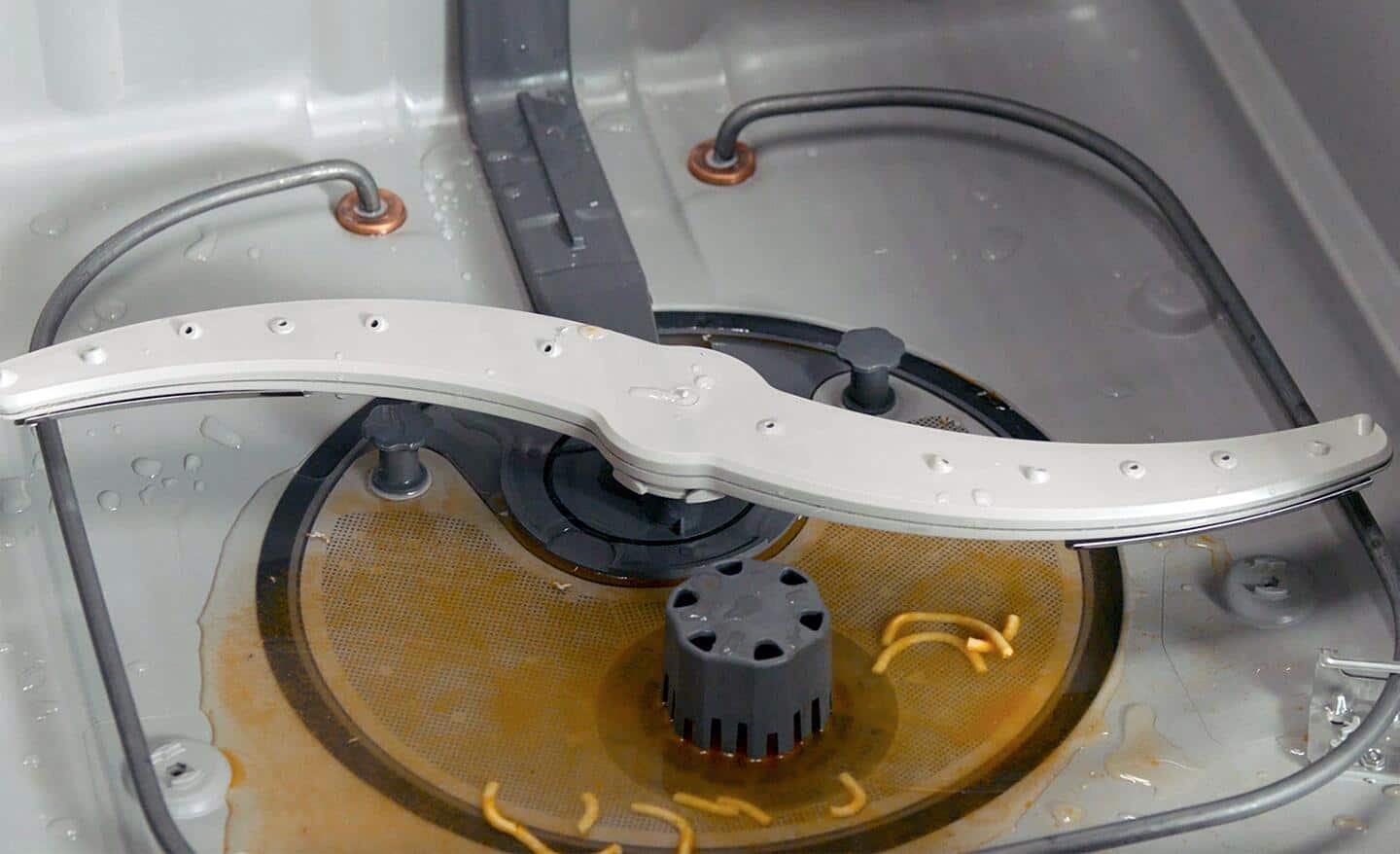
Open the dishwasher door and remove the bottom rack. This provides easy access to the bottom area. Locate the filter and drain area for inspection.
Removing Excess Water
Use a sponge to soak up standing water. Squeeze the water into a bucket or sink. Continue until you remove as much water as possible.
Checking The Filter And Drain
Look for debris blocking the filter or drain. Remove any visible obstructions. A clear filter and drain ensure proper water flow.
Locate the drain hose at the back of the dishwasher. Ensure it is free of kinks or blockages. A clear hose allows water to exit the dishwasher smoothly.
Testing The Dishwasher
Reconnect the power and run a short cycle. Observe if the dishwasher drains correctly. If water remains, further inspection might be needed.
Cleaning The Filter
Clear the filter to prevent blockages when draining your dishwasher manually. Remove debris and rinse thoroughly under running water. This ensures smooth water flow, reducing the risk of overflow and maintaining efficient drainage.
Cleaning the filter in your dishwasher is a crucial step in ensuring it runs smoothly. A clogged filter can lead to drainage problems, leaving you with a pool of water at the bottom of your machine. Taking a few minutes to check and clean the filter can save you from bigger headaches down the line.Understanding The Role Of The Filter
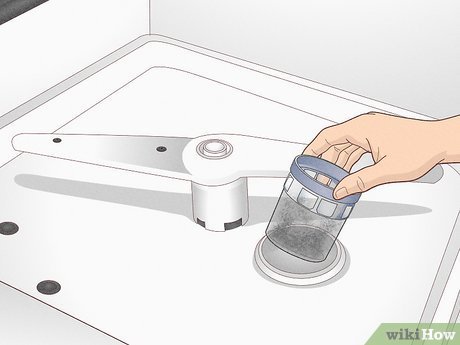
The filter in your dishwasher traps food particles and debris. This prevents clogs in the drainage system. If you notice residue on your dishes, it might be time to clean the filter.Locating The Filter
Most filters are located at the bottom of the dishwasher. Check the user manual if you’re unsure where yours is. The filter is often a round, twist-off piece that’s easy to remove.Removing The Filter Safely
Turn off the dishwasher and unplug it for safety. Gently twist the filter counterclockwise to remove it. Be careful not to force it, as this can cause damage.Cleaning The Filter Thoroughly
Rinse the filter under warm water to remove food particles. Use a soft brush or toothbrush to scrub away any stubborn debris. Ensure all holes in the filter are clear for optimal drainage.Reinstalling The Filter
Place the filter back into its slot and twist it clockwise until secure. Make sure it’s tightly fitted to prevent leaks. A loose filter can lead to more drainage issues.Regular Maintenance Tips
Clean your dishwasher filter every few months. If you use your dishwasher daily, consider cleaning it monthly. Regular maintenance can extend the life of your appliance. Taking the time to clean your dishwasher filter may seem small, but it can greatly improve performance. Have you checked your filter recently? You might be surprised by the difference it makes!Inspecting The Drain Hose
Manually draining a dishwasher can seem daunting. The drain hose is a crucial part. It often needs inspection to ensure proper flow. Regular checks can prevent costly repairs. Let’s dive into inspecting the drain hose.
Checking For Blockages
Blockages in the drain hose are common. Debris or food particles cause clogs. Start by disconnecting the hose. Have a bucket ready for water. Gently shake the hose to dislodge debris. Use a long wire or brush for stubborn blockages. Look for kinks and bends. They restrict water flow. Straighten them out for smoother drainage.
Ensuring Proper Connection
A loose connection can cause leaks. Check both ends of the hose. Ensure they are tightly secured. Use a screwdriver to tighten clamps. Inspect for wear and tear. Replace damaged hoses promptly. This avoids potential water damage. Correct connections ensure efficient drainage.
Reassembling The Dishwasher
Reassembling the dishwasher is the final step in manual drainage. After removing water, putting things back correctly is crucial. This ensures your dishwasher runs smoothly next time. Pay attention to each part’s position and alignment.
Step 1: Reattach The Drain Hose
Start by reattaching the drain hose. Make sure it fits securely. A loose hose can cause leaks. Double-check the connection for tightness.
Step 2: Secure The Filters
Next, secure the filters in their place. Filters block debris from entering the drain. Ensure they are clean and free from blockages. Properly aligned filters ensure efficient drainage.
Step 3: Replace The Lower Rack
Place the lower rack back inside the dishwasher. Make sure it slides smoothly on its tracks. The lower rack should fit snugly without wobbling.
Step 4: Inspect The Door Seal
Check the door seal for any signs of wear. A damaged seal can lead to leaks. Ensure it is clean and properly aligned.
Step 5: Test The Dishwasher
Run a short cycle to test the dishwasher. Observe any unusual noises or leaks. This confirms everything is reassembled correctly.
By following these steps, you can ensure your dishwasher is ready for use. Proper reassembly prevents future drainage issues. Keep your dishwasher in top condition with regular maintenance.
Troubleshooting Common Issues
Have you ever found yourself staring at a pool of water at the bottom of your dishwasher, scratching your head in confusion? You’re not alone. Draining issues in dishwashers can be frustrating and often seem mysterious. Yet, many of these problems are surprisingly simple to fix. Let’s dive into some common drainage issues and see how you can troubleshoot them.
Persistent Drainage Problems
Persistent drainage problems can be a real headache. You’ve tried running the dishwasher again, but the water just won’t go away. Before you call in a professional, check the drain hose. Is it kinked or blocked? A simple adjustment might solve the problem.
Sometimes, the issue might lie with the dishwasher filter. If it’s clogged with food particles, water can’t flow smoothly. Remove the filter and give it a good rinse. You’d be surprised how often this is the root of the problem!
Think about the last time you had a similar issue. Did clearing the filter help? If so, make it a habit to clean it regularly. This simple maintenance can save you a lot of trouble down the line.
Strange Noises
Has your dishwasher started making odd noises? It might be more than just an annoyance. Strange sounds often indicate something is wrong with the drainage system. Listen carefully to pinpoint the source.
Sometimes, debris caught in the pump can cause a rattling sound. Open up the dishwasher, locate the pump, and clear any obstructions. This might just silence those annoying noises.
What if the noise persists? It could be a sign of a worn-out motor. Consider consulting a professional if the problem continues. It’s always better to catch these issues early before they escalate into something more severe.
Remember, your dishwasher works hard for you. Keeping an eye on these common issues not only ensures it runs smoothly but also extends its lifespan. Have you encountered any of these problems before? What solutions worked for you? Share your experiences and help others in the comments below!
Maintenance Tips
Keeping your dishwasher in top shape ensures it runs smoothly. Regular maintenance can save you from unexpected breakdowns. Simple actions can extend its lifespan and efficiency. Here are some maintenance tips to help you out.
Regular Cleaning
Clean the dishwasher filter monthly. This prevents food particles from clogging it. Remove the bottom rack to access the filter easily. Rinse it under warm water to clear debris. Use a soft brush for stubborn particles. Also, wipe down the door seal with a damp cloth. This stops mold and mildew from building up.
Run an empty cycle with vinegar. This cleans the interior and removes odors. Just place a cup of vinegar on the top rack. Use the hottest setting for best results. This keeps the dishwasher smelling fresh.
Preventing Future Issues
Check the drain hose regularly. Ensure it is free from kinks or blockages. A blocked hose can cause water to back up. Inspect it for wear and tear, replacing if necessary. Keep the spray arms clear of food residues. Remove them occasionally and rinse under warm water.
Use dishwasher-safe items only. Items not labeled as such can damage components. Avoid overloading the dishwasher. Overloading can hinder water flow and cleaning efficiency. Arrange items to allow water to circulate freely.
By following these tips, you maintain your dishwasher effectively. This ensures a longer lifespan and better performance.

Credit: www.reddit.com
/How-to-Drain-a-Washer-9685-Hero-73ff44c80f4b4a86a91df486918b251d.jpg)
Credit: www.thespruce.com
Frequently Asked Questions
How Do I Force My Dishwasher To Drain?
To force a dishwasher to drain, check and clear the filter for debris. Then, manually activate the drain cycle by pressing the appropriate button or following the manufacturer’s instructions. Ensure the drain hose is not kinked or blocked for effective drainage.
How Do You Drain A Dishwasher With Standing Water?
Unplug the dishwasher and remove the bottom rack. Check for clogs in the drain hose or filter. Use a plunger or wet vacuum to clear standing water. Reassemble and test the dishwasher to ensure proper drainage. Regular maintenance helps prevent future clogs.
What Button To Press To Drain A Dishwasher?
Press the “Cancel” or “Drain” button on your dishwasher’s control panel. This action initiates the draining process. Check your user manual for specific instructions, as button labels may vary by brand and model.
Can You Drain A Dishwasher Manually?
Yes, you can manually drain a dishwasher. Start by turning off the power supply. Remove the bottom rack and locate the drain. Use towels to absorb excess water. Check for clogs and clear them if necessary. Reassemble the dishwasher. Ensure it’s properly fixed before use.
Conclusion
Draining a dishwasher manually isn’t complex. Just follow each step carefully. Disconnect power and water lines. Use towels to catch spills. Locate the drain hose and unclog it. Check the pump for blockages. Ensure nothing obstructs the drain. Regular maintenance prevents future problems.
A clean dishwasher works efficiently. Troubleshooting saves repair costs. Your kitchen stays hassle-free. Now you’re equipped with the essentials. Enjoy smooth dishwashing experiences. Share these tips with friends. Keep your dishwasher running smoothly. Stay informed and keep your home running efficiently.
Happy cleaning!
