
Imagine this: You’ve just acquired a beautiful cast iron skillet, ready to be your new kitchen companion. But before you start cooking up delicious meals, there’s one crucial step you can’t skip – seasoning.
Seasoning your cast iron skillet is the secret to unlocking its full potential, ensuring it becomes a non-stick powerhouse that enhances the flavors of your food. You might wonder, “What’s the best way to season my skillet? ” Don’t worry; you’re not alone.
Many people feel a bit intimidated when it comes to taking care of their cast iron. But here’s the good news: seasoning doesn’t have to be complicated. In fact, with the right approach, it can be a simple and rewarding process that brings out the best in your cookware. By the end of this article, you’ll know exactly how to season your skillet to perfection, ensuring it lasts for generations. You’ll also discover insider tips that make the process quicker and easier than you ever imagined. So, let’s dive in and transform your cast iron skillet into the ultimate kitchen ally. Your culinary adventures await!
:max_bytes(150000):strip_icc()/How-to-Season-Cast-Iron-Skillet-3x2-1-bcd280f1703e47e0a59bb62e86a0d53a.png)
Credit: www.allrecipes.com
Choosing The Right Oil
Choosing the right oil to season your cast iron skillet can make all the difference in the cooking experience. You might have heard debates on which oils are best and wondered, does it really matter? Yes, it does! The oil you choose impacts the skillet’s non-stick surface and longevity. Let’s dive into the benefits of various oils and why smoke points are crucial.
Benefits Of Various Oils
Different oils offer unique advantages. Vegetable oil, for instance, is often praised for its affordability and easy availability. It creates a reliable non-stick layer, perfect for everyday cooking.
Flaxseed oil, on the other hand, is known for forming a hard, durable coating. Many swear by it for its long-lasting effect, though it can be pricier.
Canola oil is a middle-ground option. It’s cost-effective and provides a decent non-stick surface. Consider what you cook most often and your budget when selecting an oil.
Smoke Points And Their Importance
Smoke points play a crucial role in seasoning your skillet. Each oil has a unique smoke point—the temperature at which it begins to smoke and break down. Choose an oil with a high smoke point to avoid a sticky mess.
For example, vegetable oil has a smoke point around 400°F (204°C), making it suitable for most seasoning purposes. Flaxseed oil has a lower smoke point at about 225°F (107°C), requiring a bit more care during the seasoning process.
Would you rather spend a few extra minutes monitoring your skillet or risk ruining the seasoning layer? Understanding smoke points can save you from frustration and preserve the skillet’s quality.
Choosing the right oil for seasoning is not just a matter of preference. It directly affects your cooking experience and the skillet’s durability. Have you ever tried a different oil and noticed the change? Experimenting with oils can lead to surprising results. Always keep an eye on smoke points to ensure you’re making the most of your seasoning efforts.
Credit: www.foodnetwork.com
Preparing The Skillet
Before seasoning a cast iron skillet, proper preparation is crucial. This ensures a smooth surface for seasoning. The process enhances the skillet’s performance and longevity. Follow these steps for a well-prepared skillet.
Cleaning Before Seasoning
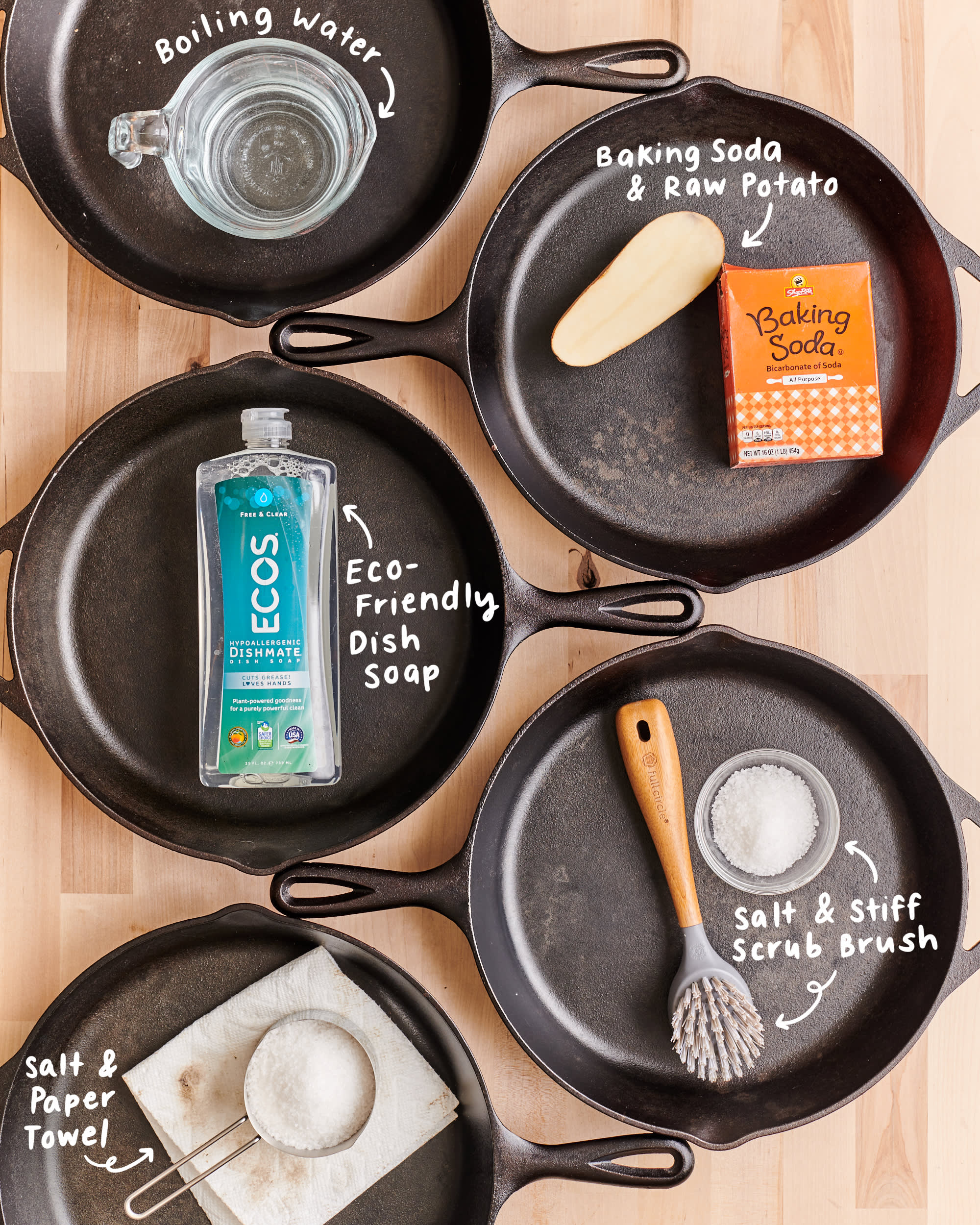
First, clean the skillet thoroughly to remove any residue. Use warm water and a mild dish soap. A gentle scrub with a sponge will help. Avoid harsh abrasives that might damage the surface. Rinse well to remove all soap. Dry it immediately to prevent rust.
Drying Techniques
Dry the skillet completely after cleaning. Use a clean cloth or paper towel for drying. For extra assurance, place the skillet on a stove over low heat. This helps evaporate any remaining moisture. Ensure it is entirely dry before proceeding to the seasoning step.
Applying The Seasoning
Seasoning a cast iron skillet can seem challenging. But it’s simple with the right steps. Applying seasoning is crucial for a good cooking surface. It prevents food from sticking and rust from forming. Let’s discuss the best methods for applying seasoning to your skillet.
Layering Oil Evenly
Choose an oil with a high smoke point. Vegetable oil or flaxseed oil work well. Pour a small amount of oil onto the skillet. Use a cloth or paper towel to spread the oil. Ensure every part of the skillet is covered. This includes the handle and exterior. Remove excess oil to avoid sticky residue. A thin layer is all you need.
Heating The Skillet
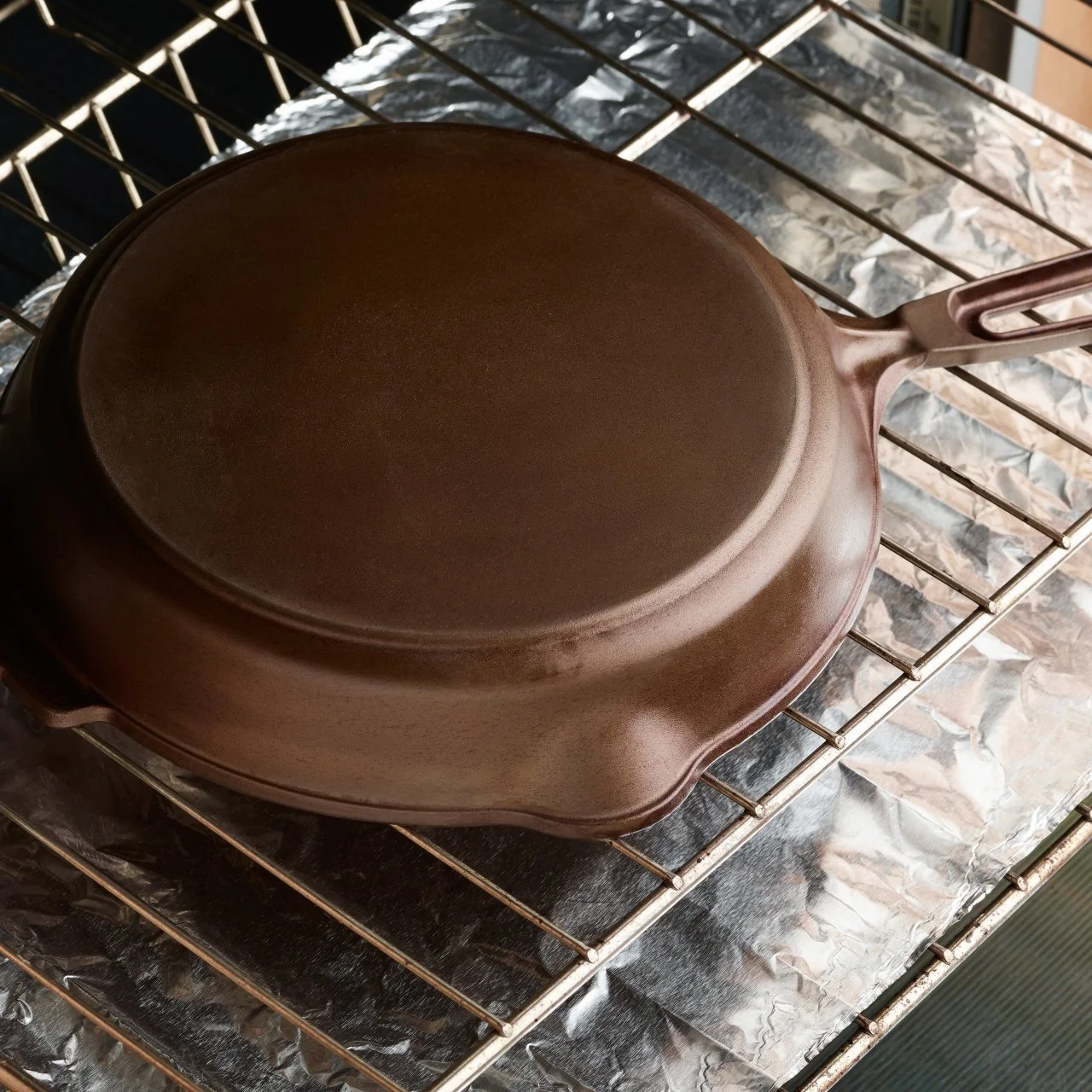
Preheat your oven to 350 degrees Fahrenheit. Place the oiled skillet upside down on the middle rack. Line the lower rack with foil to catch drips. Bake the skillet for one hour. This process bonds the oil to the iron. It creates a non-stick surface. Allow the skillet to cool completely in the oven. This ensures the seasoning sets properly.
Credit: www.thekitchn.com
Baking The Skillet
Seasoning a cast iron skillet involves cleaning it thoroughly and coating it with a thin layer of vegetable oil. Heat the skillet in the oven to bond the oil with the iron, creating a natural non-stick surface. Regularly seasoning ensures a smooth cooking experience and extends the skillet’s lifespan.
Baking the skillet is a crucial step in seasoning your cast iron cookware. It’s where the magic happens, turning your skillet into a non-stick, rust-resistant kitchen powerhouse. Whether you’re a seasoned chef or a beginner, understanding the nuances of this process can elevate your cooking experience.Optimal Temperature Settings
Setting the right temperature is key to successful seasoning. Aim for a temperature of around 375°F (190°C). This allows the oil to bond with the iron without burning. Your oven must be preheated before placing the skillet inside. This ensures that the skillet heats evenly, allowing the oil to adhere properly. A poorly heated skillet results in uneven seasoning, which can impact its performance.Timing For Perfect Seasoning
Timing can make or break your seasoning process. Baking your skillet for about an hour is generally optimal. This duration allows the oil to polymerize, creating a durable, non-stick layer. However, patience is a virtue here. Allow the skillet to cool in the oven after turning it off. This gradual cooling process helps solidify the seasoning and prevents cracking. Have you ever rushed through this step, only to find your skillet unevenly seasoned? Taking the time to let it cool properly is a game changer. Your patience will reward you with a flawlessly seasoned skillet. These tips can transform your cooking adventures. Is your skillet ready for its next seasoning session?Maintaining The Seasoning
Season a cast iron skillet by cleaning it with warm water and drying it completely. Apply a thin layer of vegetable oil, then bake it upside down in the oven for an hour at 375°F. This process helps maintain the skillet’s non-stick surface and prevents rust.
Maintaining the seasoning of your cast iron skillet is essential to keep it in top shape for cooking delicious meals. A well-seasoned skillet enhances the flavor of your food and ensures a non-stick surface without harmful chemicals. You might have perfected your skillet seasoning technique, but how do you make sure it stays that way? Let’s dive into regular cleaning practices and re-seasoning tips.Regular Cleaning Practices
Cleaning your cast iron skillet may seem daunting, but it’s simpler than you think. After cooking, let your skillet cool down slightly before cleaning. Use warm water and a soft brush or sponge. Avoid soap as it can strip the seasoning. Dry your skillet thoroughly with a towel. Moisture is the enemy of cast iron. You can even place it on a stovetop over low heat to ensure it’s completely dry. This simple habit prevents rust and keeps your seasoning intact.Re-seasoning Tips
Re-seasoning is crucial if your skillet loses its non-stick surface or develops rust spots. Start by scrubbing the skillet with a mixture of coarse salt and oil to remove rust or stubborn residue. Rinse and dry it completely. Apply a thin layer of vegetable oil or melted shortening to the entire surface. Place it upside down in the oven and bake at 375°F (190°C) for an hour. This process restores the seasoning and makes your skillet ready for use again. Are you noticing your skillet’s surface isn’t as smooth as it once was? Re-seasoning can revitalize it, giving you the perfect cooking surface again. Maintaining your cast iron skillet’s seasoning doesn’t have to be a chore. Regular cleaning and occasional re-seasoning can keep it in excellent condition. What are your favorite methods for keeping your skillet in tip-top shape?Common Mistakes
Many skip proper cleaning before seasoning, leading to uneven coats. Others use too much oil, causing sticky residue.
Seasoning a cast iron skillet can feel like an art. Yet, it often trips up many home cooks. Understanding common mistakes can save you time and frustration. It’s not just about achieving that perfect non-stick surface. It’s about maintaining the longevity of your skillet. Let’s dive into some common pitfalls to avoid.Avoiding Excess Oil
Using too much oil is a frequent mistake. You might think more oil means better seasoning. But in reality, excess oil can lead to a sticky, uneven coating. Imagine this: you finish seasoning, only to find a gummy residue. That’s the result of too much oil. Always aim for a thin, even layer. Wipe away any excess with a paper towel before heating. This ensures a smooth, well-seasoned surface.Preventing Rust
Rust is every cast iron owner’s nightmare. It’s often a result of improper drying or storage. After washing your skillet, dry it thoroughly. Even a small amount of moisture can invite rust. Consider this: you just cleaned your skillet, but left it to air dry. Rust can form quickly in humid environments. Instead, use a cloth or place it on a low stove heat to evaporate all moisture. Applying a light layer of oil after drying can offer extra protection. Have you ever pulled out your skillet only to find rust spots? A quick scrub with a steel wool pad and re-seasoning can restore it. It’s a reminder of how crucial proper drying and storage are. Understanding these common mistakes can make all the difference. Have you ever faced any of these issues? Share your experiences and tips in the comments!Expert Insights
Achieving a well-seasoned cast iron skillet requires a few easy steps. Start by cleaning the skillet with mild soap and water. Dry thoroughly, then apply a thin layer of vegetable oil. Bake it upside down in a preheated oven at 375°F for about an hour.
Cool before storing.
When you season a cast iron skillet, you’re setting the foundation for countless delicious meals. But how do the experts do it? Understanding expert insights can help you master the art of seasoning with confidence and finesse. With tips from professional chefs and answers to common questions, you’ll have everything you need to keep your skillet in top shape.Professional Chefs’ Recommendations
Professional chefs have a deep appreciation for cast iron skillets. They know a well-seasoned skillet is the secret to perfect searing and even cooking. Chef Sarah, who has been cooking with cast iron for over a decade, swears by using flaxseed oil for seasoning. She explains that it creates a durable, non-stick surface that can withstand high heat. Chef Mark suggests seasoning your skillet after each use. He believes frequent seasoning helps maintain the skillet’s surface and prevents rust. You might think it’s too much work, but it takes just a few minutes and can save you from a sticky mess later. Another chef, Emily, emphasizes the importance of heating the skillet in the oven for at least an hour. She mentions that this ensures the oil bonds properly with the iron, creating a sleek, resilient coating.Faqs On Cast Iron Care
How often should I season my cast iron skillet? Season your cast iron skillet whenever it looks dull or food starts to stick. Regular seasoning enhances its longevity and performance. Can I use soap to clean my cast iron skillet? Yes, you can use a small amount of mild soap. Contrary to popular belief, a little soap won’t ruin your seasoning. Just be sure to dry it thoroughly afterward. What is the best oil for seasoning? Flaxseed oil is a favorite among many chefs due to its high smoke point and ability to polymerize, creating a strong layer. Other good options include canola and vegetable oils. Why does my skillet have a sticky residue? A sticky residue often means too much oil was applied during seasoning. Apply a thin layer of oil and ensure it’s evenly distributed before heating. Can I cook acidic foods in my cast iron skillet? Yes, but be cautious. Cooking acidic foods occasionally won’t harm a well-seasoned skillet. Just avoid doing it frequently as it can wear down the seasoning over time. What’s your biggest challenge with cast iron care? Understanding these expert insights can make a world of difference in your cooking experience. A well-seasoned skillet doesn’t just cook better—it also makes cooking more enjoyable and rewarding.Frequently Asked Questions
What Is The Best Oil To Season Cast Iron?
Use flaxseed oil for seasoning cast iron. It provides a durable, non-stick coating. Heat the cast iron pan in the oven after applying a thin layer. Flaxseed oil polymerizes well, ensuring longevity and resistance to rust. Keep your skillet in top condition with regular seasoning.
Should I Season Cast Iron At 350 Or 450?
Season cast iron at 450°F for optimal results. This temperature ensures better polymerization of oil, creating a smooth, durable coating. Use a thin layer of oil, bake for an hour, and let it cool. Repeating this process enhances your pan’s non-stick properties and longevity.
How Many Times Should You Season A Cast Iron Skillet?
Season a cast iron skillet once before first use. Regular maintenance requires seasoning every few months. Frequent cooking with oil helps maintain the seasoning. If food begins to stick or rust appears, re-season immediately. Proper care ensures a non-stick surface and extends the skillet’s life.
How To Keep Food From Sticking To Cast Iron?
Season the cast iron well with oil before cooking. Ensure the pan is hot before adding food. Use adequate oil or fat during cooking. Clean the pan carefully after use and avoid harsh detergents. Regularly maintain seasoning to keep the surface non-stick.
Conclusion
Seasoning a cast iron skillet is simple and rewarding. Start with a clean, dry skillet. Apply a thin layer of oil. Heat it in the oven for an hour. Let it cool down completely. Repeat this process for a perfect finish.
A well-seasoned skillet enhances flavor and prevents food from sticking. Regular maintenance keeps your cast iron in great shape. Always dry your skillet after washing. Store it in a dry place. These steps ensure your skillet lasts for years. Enjoy cooking with your trusty, seasoned cast iron skillet.
Happy cooking!
