
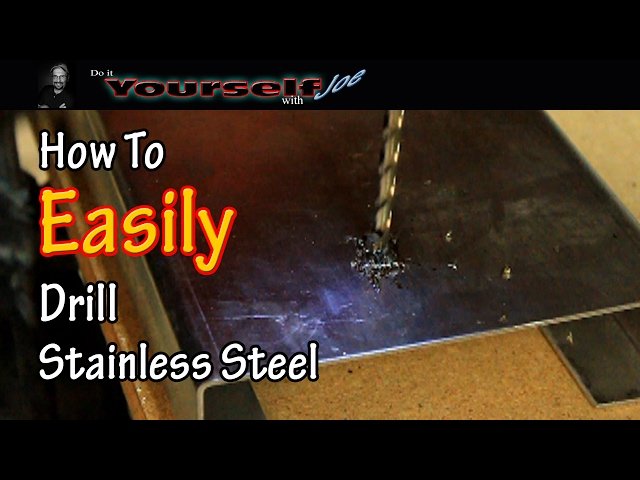
Have you ever tried drilling stainless steel, only to end up with a dull bit and a frustrated mindset? You’re not alone.
Drilling stainless steel can be tricky due to its hardness and heat resistance. But fear not—this guide is here to change your drilling game. Imagine effortlessly making clean, precise holes without the usual hassle. Sounds good, right? You’ll discover the best techniques and tools to make this process smooth and efficient.
By the end of this article, you’ll feel confident tackling any stainless steel project that comes your way. Ready to master the art of drilling stainless steel? Let’s get started!

Credit: www.youtube.com
Choosing The Right Drill Bit
Drilling stainless steel can be a daunting task if you don’t choose the right drill bit. The wrong choice can result in wasted time, broken equipment, and frustration. You might be wondering, how do you pick the perfect drill bit for the job? Let’s dive into some practical tips to make your drilling project smoother and more efficient.
Types Of Drill Bits For Stainless Steel
Stainless steel is tough, and not all drill bits are up to the challenge. Some of the best types for this task are cobalt drill bits. They are specifically designed to cut through hard metals.
Another option is carbide-tipped drill bits. These are known for their durability and ability to maintain sharpness. They are a great choice if you have a lot of drilling to do.
High-speed steel (HSS) bits are versatile and can handle stainless steel. However, they might wear out quickly if used extensively. Consider your workload before making a decision.
Coating And Material Considerations
When choosing drill bits, consider the coating and material. Titanium-coated bits reduce friction and heat, which is crucial when drilling stainless steel. They tend to last longer and provide cleaner cuts.
Black oxide coating enhances corrosion resistance. This might be beneficial if your project involves exposure to moisture or outdoor elements.
Material matters too. Cobalt bits are made with a blend of cobalt and steel, offering increased strength. These are ideal for rigorous drilling tasks.
Have you ever felt the frustration of a drill bit slipping or wearing out mid-project? That’s often due to using the wrong type or material. By paying attention to these details, you can avoid such mishaps.
Choosing the right drill bit can transform your stainless steel drilling experience. What do you think makes a drill bit ideal for your specific needs? Consider the types, coatings, and materials to make an informed choice.

Credit: www.metals4u.co.uk
Understanding Stainless Steel Properties
Drilling stainless steel requires precision and patience. Use a sharp bit made for metal to avoid damage. Keep speed low to prevent overheating, and apply steady pressure for smooth penetration.
Understanding the properties of stainless steel is crucial before you embark on drilling it. This metal is known for its durability and resistance to rust, making it a popular choice in construction and manufacturing. However, its very strengths can also pose significant challenges when drilling.Challenges Of Drilling Stainless Steel
Drilling stainless steel can be tricky. Its hardness can quickly wear out your drill bits, turning a simple task into a frustrating ordeal. Stainless steel also tends to work-harden, meaning it becomes harder as you drill, which can stall your progress. Have you ever had a drill bit snap mid-task? It’s a common mishap, often due to high heat generated by friction. Maintaining the right speed and applying consistent pressure can help, but it takes practice and patience.Grades Of Stainless Steel
Stainless steel comes in various grades, each with unique properties. Grade 304, for instance, is the most common and offers a good balance of performance and affordability. It’s used in everything from kitchen sinks to industrial equipment. If you’re working on marine projects, you might encounter Grade 316, which contains molybdenum for increased corrosion resistance. Knowing the specific grade helps you choose the right drill bit and technique, enhancing your efficiency and precision. Understanding these grades is like having a roadmap; it guides your approach and tools selection. What’s the grade of stainless steel you’re dealing with? Knowing this can make all the difference in your drilling success.Preparing The Work Area
Setting up a clean, organized work area is essential before drilling stainless steel. Ensure proper lighting and ventilation to enhance focus and safety. Arrange tools within easy reach to streamline the process and minimize disruptions.
Preparing the work area is crucial when you plan to drill stainless steel. A well-organized space not only makes the job easier but also keeps you safe. By ensuring everything is in place, you can focus on precision and efficiency.Safety Measures
Your safety should always be the top priority. Before you start, wear protective gear like gloves and safety goggles. Stainless steel can produce sharp shards, and these precautions can prevent injuries. Ensure your work area is well-lit and ventilated. This helps you see what you’re doing and reduces the risk of inhaling any metal dust. Double-check that your drill and other tools are in good working condition. Faulty equipment can lead to accidents and poor results.Securing The Stainless Steel
Stainless steel is tough, and it can move if not properly secured. Use a sturdy clamp to hold the material in place. This will prevent it from spinning or shifting while you drill. Consider adding a piece of wood underneath the steel. This helps stabilize the material further and absorbs the drill’s pressure. It also prevents damage to your workbench. Have you ever tried drilling and found your piece slipping? Securing it properly saves you from frustrating mishaps and ensures a clean, precise hole. It’s a small step that makes a big difference.Drilling Techniques
Drilling stainless steel requires precision and the right tools. Use cobalt drill bits for durability and efficiency. Apply steady pressure and cooling to prevent overheating.
Drilling stainless steel can be a challenging task if you don’t use the right techniques. It requires precision and care to avoid damaging the material or your tools. Whether you’re a seasoned DIY enthusiast or just starting out, understanding the basics of drilling techniques can save you time and frustration. Let’s dive into some essential methods to achieve a clean and efficient drill.Correct Speed And Pressure
Finding the right speed and pressure is crucial when drilling stainless steel. Using a slow drill speed helps prevent overheating, which can dull your drill bit quickly. A slower speed also gives you more control, reducing the risk of slipping or damaging your workpiece. Apply steady pressure, but avoid pushing too hard. Excessive force can cause the drill bit to wander or break. Imagine you’re pressing a button on a soda machine—firm but not forceful. Have you ever wondered why some people make drilling look so easy? It’s all about finding that sweet spot between speed and pressure.Using Cutting Lubricants
Lubrication is your best friend when drilling stainless steel. It reduces friction and heat, prolonging the life of your drill bit. Use a few drops of cutting oil or even household oil to keep things cool. Apply the lubricant directly on the drill bit and the surface of the stainless steel. Reapply as needed, especially if you notice smoke or feel the bit getting too hot. Have you ever tried slicing bread without a sharp knife? It’s the same idea—a little help goes a long way. Consider using a lubricant specifically designed for metalwork. These products are often more effective than general-purpose oils, giving you a smoother drilling experience. Wouldn’t you rather spend a little more time preparing than dealing with a broken bit? By mastering these drilling techniques, you can tackle stainless steel projects with confidence. Remember, practice makes perfect, and every hole you drill brings you closer to perfection. Have you got your drill ready? Let’s get started!Avoiding Common Mistakes
Drilling stainless steel can be challenging. Many make mistakes without realizing. Understanding common errors helps achieve better results. This section discusses how to avoid these common mistakes. Focus on preventing overheating and bit damage. It’s essential for efficient drilling and tool longevity.
Preventing Overheating
Stainless steel heats quickly. High temperatures can ruin drill bits. Use a slow drilling speed. This reduces heat buildup. Apply cutting fluid while drilling. It keeps the temperature low. Always pause to check the drill bit. Feel the temperature with your hand. If it’s hot, let it cool down.
Avoiding Bit Damage
Drill bits can break easily. Pressure should be steady but not excessive. Too much force damages the bit. Start with a small pilot hole. This guides the larger bit. Use the right type of drill bit. Cobalt bits work well with stainless steel. Check for wear regularly. Replace worn bits promptly.
Finishing Touches
Drilling stainless steel requires precision and patience. Use sharp, cobalt drill bits for effectiveness. Apply steady pressure and cooling fluid to prevent overheating.
When you’re drilling stainless steel, the job doesn’t end once the hole is made. The finishing touches are crucial for ensuring a smooth and polished result. These steps might seem minor, but they can significantly affect the quality and longevity of your work. A beautifully finished hole not only looks professional but also prevents potential issues like material fatigue and corrosion over time. Let’s dive into the essential finishing tasks you shouldn’t skip.Deburring The Edges
After drilling, the edges of the hole may be sharp or uneven due to burrs. These burrs can cause injury or interfere with the assembly of parts. To remove them, use a deburring tool or a fine file. Run the tool gently around the hole’s edges. This process smooths out the burrs, leaving a clean and safe edge. If you’ve ever cut yourself on a sharp edge, you know how important this step is. Ensure that the hole is as smooth as possible for a professional finish.Cleaning The Drilled Area
Drilling can leave behind small metal shavings and dust. These particles can cause rust or damage if left unchecked. Use a brush or compressed air to clean the area thoroughly. Pay attention to any crevices where debris might hide. A clean surface ensures that your stainless steel maintains its corrosion resistance. Additionally, if you’re planning to paint or coat the metal, a clean surface is essential for good adhesion. Finishing touches might seem trivial but skipping them can lead to bigger problems down the road. Have you ever regretted not taking the time to finish a task properly? Applying these finishing steps ensures your project not only looks good but performs well in the long run.Expert Recommendations
Experts suggest using a sharp cobalt drill bit for stainless steel. Applying steady pressure helps avoid overheating. Lubricate the bit to reduce friction and prolong its life.
Drilling stainless steel can be a daunting task without the right guidance. With expert recommendations, you can achieve smooth, precise holes without damaging your tools or material. Let’s dive into actionable advice to help you handle stainless steel like a pro.Choosing Quality Equipment
Selecting the right equipment is crucial. A high-speed steel (HSS) drill bit with a titanium or cobalt coating works best for stainless steel. These coatings enhance durability and heat resistance. Consider the drill speed. A slower speed reduces friction and heat, which is important for stainless steel. Use a variable speed drill to have better control. You might think any drill bit will do, but investing in quality equipment saves you time and money. Imagine making clean cuts effortlessly—choosing the right tools makes that possible.Regular Maintenance Tips
Maintaining your equipment is just as important as choosing it. Regularly inspect your drill bits for wear and tear. A dull bit can lead to poor results and increased effort. Keep your drill bits sharp. Use a sharpening tool periodically to maintain their cutting efficiency. You’ll notice how much easier the drilling becomes with a sharp bit. Clean your drill bits after each use. Remove metal shavings and apply a light coat of oil to prevent rusting. This simple habit extends the life of your tools significantly. Have you ever struggled with a task because your tools weren’t in top shape? Regular maintenance helps you avoid those frustrations and ensures smooth operations. Are you ready to drill stainless steel with confidence? Adhering to these expert recommendations can transform your experience, making it more efficient and satisfying.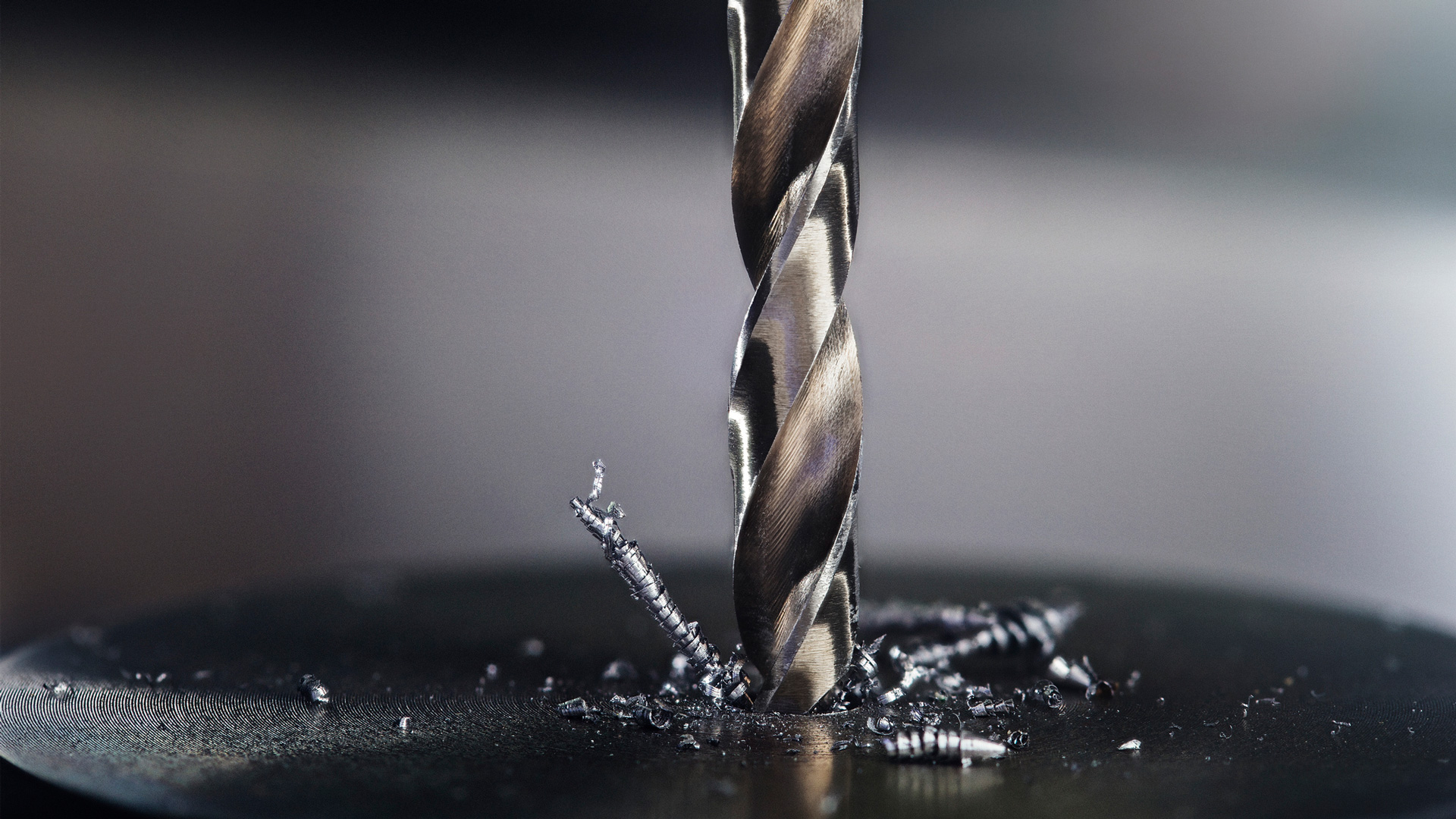
Credit: rdbarrett.co.uk
Frequently Asked Questions
What Is The Trick For Drilling Stainless Steel?
Use a sharp cobalt drill bit and apply low speed with high pressure. Lubricate with cutting oil to reduce heat.
What Type Of Drill Bit Is Best For Stainless Steel?
The best drill bit for stainless steel is a cobalt drill bit. It offers superior hardness and heat resistance. High-speed steel (HSS) drill bits with titanium coating also work well. These options ensure precise drilling through tough stainless steel surfaces efficiently.
Proper lubrication enhances performance and extends drill bit lifespan.
Does It Take A Special Drill Bit For Stainless Steel?
Yes, stainless steel requires a special drill bit. Use cobalt or titanium-coated drill bits for best results. These are designed to penetrate hard metals effectively. Ensure the drill bit remains cool to prevent damage.
Can You Drill Stainless Steel With A Hand Drill?
Yes, you can drill stainless steel using a hand drill. Use a cobalt or carbide drill bit for efficiency. Apply steady pressure and keep the drill speed low. Lubricate the drill bit to prevent overheating and ensure smooth operation. Be patient and maintain control for precise results.
Conclusion
Mastering stainless steel drilling is easier with the right tools. Slow speed and steady pressure prevent overheating. Use the correct drill bit for stainless steel. Proper lubrication is essential to reduce friction. Clean the surface before starting. This avoids unnecessary damage.
Regularly check the drill bit’s sharpness. It ensures smoother drilling. Practice and patience make perfect. Over time, you will gain confidence. Always remember safety first. Using safety gear protects you. With these tips, drilling stainless steel becomes manageable. Soon, you’ll achieve precise results effortlessly.
Happy drilling and stay safe!
