

Imagine this: you’ve spent time and effort creating the perfect pie. The filling is just right, the crust is golden, and the aroma fills your kitchen.
But when it’s time to serve, disaster strikes. The pie sticks to the pan, ruining your masterpiece. Frustrating, right? To avoid this culinary nightmare, knowing the best way to grease a pie pan is crucial. It’s the secret step that ensures your pie slides out effortlessly, leaving you with a dessert that looks as good as it tastes.
In this guide, you’ll discover the top methods to grease your pie pan like a pro, ensuring every slice is perfect and every baking experience is a success. Stick around to uncover these game-changing tips that will revolutionize your baking routine.

Credit: thepracticalkitchen.com
Choosing The Right Type Of Grease
Choosing the right type of grease ensures a perfect pie. Butter or oil is ideal for greasing a pie pan. These options prevent sticking, allowing easy removal after baking.
Greasing a pie pan might seem simple, but choosing the right type of grease can make all the difference in achieving that perfect crust. The type of grease you use can affect the texture, flavor, and even the ease with which your pie releases from the pan. Whether you’re aiming for a rich, buttery crust or looking for vegan options, understanding your choices is key. Let’s dive into the various greasing options available and see which one suits your baking needs best.Butter Vs. Oil
Butter is a classic choice for greasing pie pans. It adds a rich flavor and helps create a golden-brown crust. Simply take a stick of butter, soften it slightly, and use a paper towel or your fingers to spread it evenly across the pan. Oil, on the other hand, offers a neutral taste and a lighter crust. It’s a great option if you’re looking to avoid dairy. Just pour a small amount of oil into the pan and use a brush or paper towel to spread it around. Have you ever tried using flavored oils, like olive or coconut, to add a unique twist to your pie? It’s a simple way to elevate your dessert with minimal effort.Non-stick Sprays
Non-stick sprays are all about convenience. They offer a quick and even application, saving you time and effort. A quick spray can ensure that every inch of your pan is covered, preventing your pie from sticking. However, some bakers feel that non-stick sprays can leave a residue that affects the pie’s flavor. Have you noticed this yourself? It’s worth experimenting to see if this option meets your taste expectations. For those who value speed and ease over other factors, non-stick sprays can be a lifesaver in the kitchen.Vegan Alternatives
If you’re following a vegan lifestyle, or baking for someone who is, there are plenty of plant-based greasing options. Margarine and vegetable shortening are popular choices, providing a similar texture to butter. Coconut oil is another excellent vegan alternative. It adds a subtle sweetness and can help achieve a flaky crust. Just be mindful of its distinct flavor—will it complement your pie filling? There are also numerous commercial vegan butter alternatives available. These products are designed to mimic the properties of traditional butter, making them a great choice for vegan baking.Prepping The Pie Pan
Prepping the pie pan is a crucial step in baking. A well-prepared pan ensures a smooth and delicious pie. Proper preparation prevents sticking and promotes even cooking. Follow these simple steps for the best results.
Cleaning And Drying
Start with a clean pie pan. Wash it using warm, soapy water. Rinse thoroughly to remove all soap. Dry the pan with a clean towel. Ensure no water spots remain. A dry pan helps the grease stick better.
Inspecting For Scratches
Check the pan for scratches or dents. These imperfections can cause sticking. Run your fingers over the surface. Feel for any rough spots or irregularities. If found, consider using a liner or a new pan.
Methods For Greasing
Greasing a pie pan is essential for a perfect pie. It prevents sticking and ensures easy removal of the pie. Several methods are effective and simple to use. Each method offers unique benefits, making them suitable for different preferences and needs.
Using A Brush
A pastry brush gives precision and control. Dip the brush in melted butter or oil. Lightly coat the pie pan, reaching all corners. The brush helps spread grease evenly. This method avoids excess grease and helps maintain the pie’s integrity.
Using Your Hands
Hands-on greasing is direct and effective. Apply a small amount of butter or oil to your fingers. Rub it gently across the pan’s surface. Feel the texture and ensure full coverage. This tactile method helps connect with the baking process.
Using A Paper Towel
A paper towel provides a clean and easy approach. Fold the towel and dip it in melted butter or oil. Use it to wipe the pan’s surface thoroughly. This method reduces mess and ensures even distribution. Ideal for quick and efficient greasing.
Ensuring Even Coverage
For even pie pan coverage, use a soft brush to apply melted butter. Spread it evenly, reaching every corner. This ensures a perfect bake and easy removal without sticking.
Ensuring even coverage when greasing a pie pan is key. It helps your pie bake evenly. Proper greasing prevents sticking. It also makes serving easier. An evenly greased pan ensures a perfect crust. No more broken slices or crumbly edges. Let’s explore the best techniques.Corners And Edges
Pay special attention to corners and edges. These areas often get missed. Use a brush or paper towel for precision. Make small, circular motions. Cover every nook and cranny. This prevents sticking in tight spots. A well-greased edge ensures a smooth release. It also enhances crust texture.Avoiding Excess Grease
Too much grease can ruin the crust. It makes it soggy and heavy. Start with a small amount. Add more only if needed. Excess grease can also burn. This affects the pie’s flavor. Use just enough to coat the surface. A light layer works best. Adjust as necessary for different recipes.Testing Grease Effectiveness
Greasing a pie pan prevents sticking and ensures perfect crusts. Butter is ideal for its rich flavor and easy application. Spread with a paper towel for even coverage. Avoid using oils, as they can pool and affect baking. Always ensure the entire surface is coated for best results.
Testing grease effectiveness in your pie pan is essential for a flawless baking experience. You want that perfect slice to glide out effortlessly, without leaving half the crust stuck to the pan. This section will guide you through baking a test pie and evaluating the release, ensuring your pie pan is greased just right. Let’s dive into this experiment and discover the best way to make your pie-making process smoother.Baking A Test Pie
Start by preparing a simple pie recipe. This doesn’t have to be your prized apple pie—consider using a basic crust and filling. Once your pie is ready, grease your pan with your chosen method: butter, oil, or non-stick spray. Each has its own merits, so select one you believe will work best for your pan. Bake the pie as you normally would. This test pie will be your canvas to see how well your greasing technique performs.Evaluating Release
After baking, let the pie cool slightly. This step is crucial for assessing how well your greasing method worked. Carefully slice into the pie and attempt to remove a piece. Does it come out smoothly, or does the crust cling to the pan? Note the ease of release. If the pie releases effortlessly, you’ve found a winner. If not, consider trying a different greasing method next time. Does your pie pan require a specific technique for optimal results? Observing these outcomes can lead to better baking experiences in the future. Experiment with different greasing strategies and keep an open mind. Your perfect pie pan greasing method is out there waiting to be discovered.
Credit: www.tiktok.com
Troubleshooting Common Issues
Greasing a pie pan may seem easy, but issues can arise. These problems might affect the outcome of your pie. Understanding common issues helps ensure a perfect pie every time.
Sticking Problems
Pies sticking to the pan can ruin your dish. This happens if the grease layer is too thin. Ensure a thin, even layer of grease on all sides. Use a paper towel or pastry brush for even spreading. Avoid missing any spots on the pan’s surface. Check corners and edges for coverage.
The type of grease matters too. Butter, oil, and shortening work well. Choose what complements your pie’s flavor. Keep in mind that some greases work better in different temperatures.
Over-greasing
Over-greasing a pie pan causes its own problems. Excess grease makes the crust soggy. It may also change the pie’s taste. Using too much grease can lead to a greasy pie base.
To avoid this, use a light hand. Start with a small amount of grease. Add more only if needed. Blot excess grease with a paper towel before adding the crust. This ensures a crispy, delicious pie every time.
Cleaning The Greased Pie Pan
For optimal pie results, apply a thin layer of butter or oil to the pan. This prevents sticking and ensures easy pie removal. Use a paper towel to evenly distribute the grease, covering all edges and corners.
Cleaning a greased pie pan might seem like a mundane task, but it holds the secret to maintaining your bakeware’s longevity. After savoring that delicious slice of pie, you might be tempted to toss the pan in the dishwasher. However, understanding the right cleaning techniques can preserve both the pan and your future baking endeavors. Let’s explore the best ways to clean your pie pan while keeping its non-stick properties intact.Safe Cleaning Methods
To start, always allow your pie pan to cool before cleaning. Plunging a hot pan into cold water can warp or damage it. Use warm, soapy water and a soft sponge for most pie pans. This gentle method removes grease without scratching the surface. Avoid harsh scouring pads that can strip away the pan’s finish. If stubborn grease remains, try a mixture of baking soda and water. Apply the paste to the pan, let it sit for a few minutes, then scrub gently. This method is effective yet safe for most materials.Maintaining Non-stick Properties
Are you worried about losing the non-stick coating on your pie pan? Regular care can help preserve it. Avoid using metal utensils when serving your pie. They can scratch the non-stick surface, reducing its effectiveness over time. When cleaning, steer clear of abrasive cleaners. Stick to mild detergents and soft cleaning tools. This habit will maintain the surface’s integrity, ensuring effortless pie releases in the future. Do you remember the last time a pie stuck to the pan? It might have been due to improper cleaning. By following these simple steps, you can keep your pie pan in top condition, ready for your next baking masterpiece. What’s your go-to method for cleaning kitchenware? Share your tips in the comments below!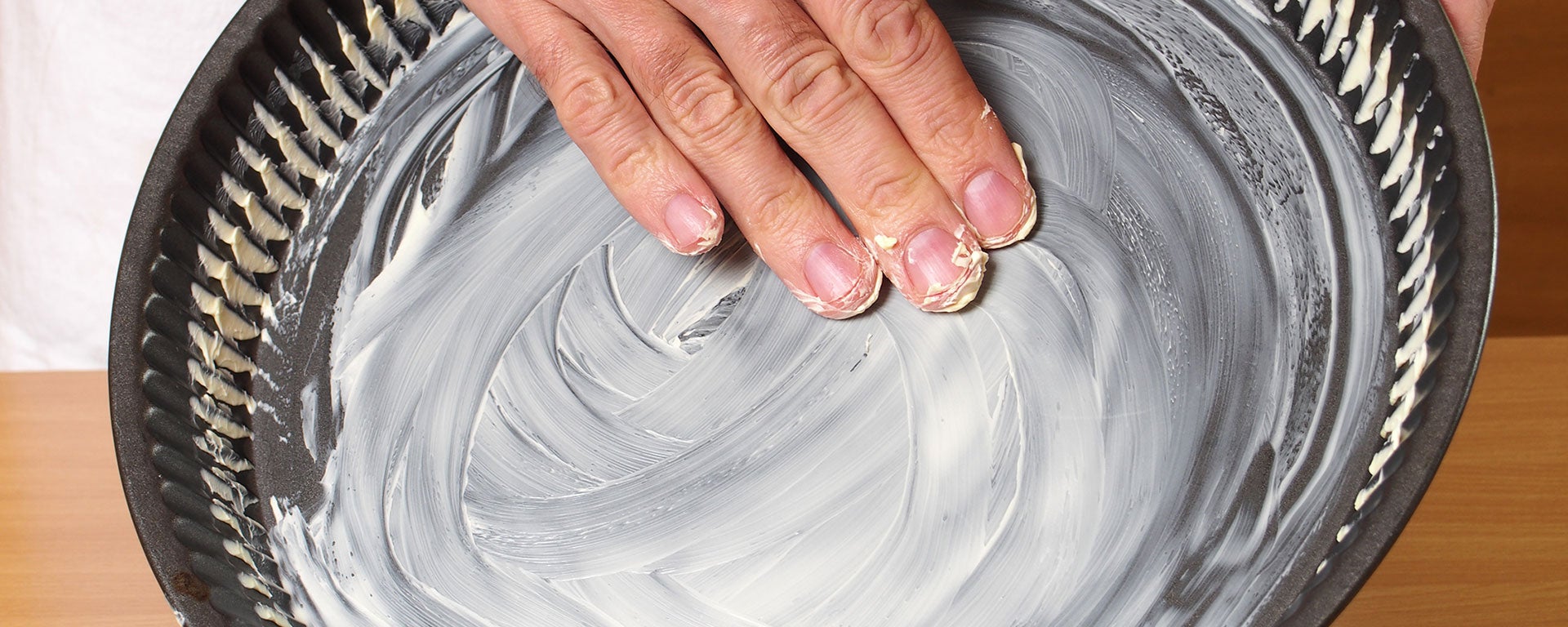
Credit: www.bakingmad.com
Frequently Asked Questions
What To Grease A Pie Pan With?
Use butter, shortening, or non-stick cooking spray to grease a pie pan. These options prevent sticking and create a golden crust. Apply evenly for best results.
How To Stop Pie From Sticking To Pan?
Use a non-stick pie pan or line the pan with parchment paper. Lightly grease the pan with butter or oil. Ensure the pie crust has enough fat for easy release. Cool pie completely before removing. Avoid cutting directly in the pan.
Should You Grease A Pie Pan Before Putting In The Crust?
Greasing a pie pan can prevent sticking, especially for pies with sticky fillings. Lightly coat the pan with butter or cooking spray. This ensures easy removal and maintains crust integrity. It’s not always necessary, but recommended for improved results. Check your recipe’s instructions for specific recommendations.
Is It Better To Grease A Pan With Butter Or Oil?
Butter adds rich flavor but can burn at high temperatures. Oil withstands higher heat and provides a neutral taste. Choose based on desired flavor and cooking temperature.
Conclusion
Greasing a pie pan is simple yet important. It prevents sticking and helps the pie bake evenly. Use butter or oil for the best results. Spread it evenly across the pan. Don’t miss the edges! This ensures easy removal and a perfect pie.
Remember, a well-greased pan saves time and avoids mess. Your pie will look great and taste delicious. So grab your favorite pie recipe. Get ready to bake with confidence. A little grease goes a long way in achieving pie perfection.
Enjoy your baking adventure!
