
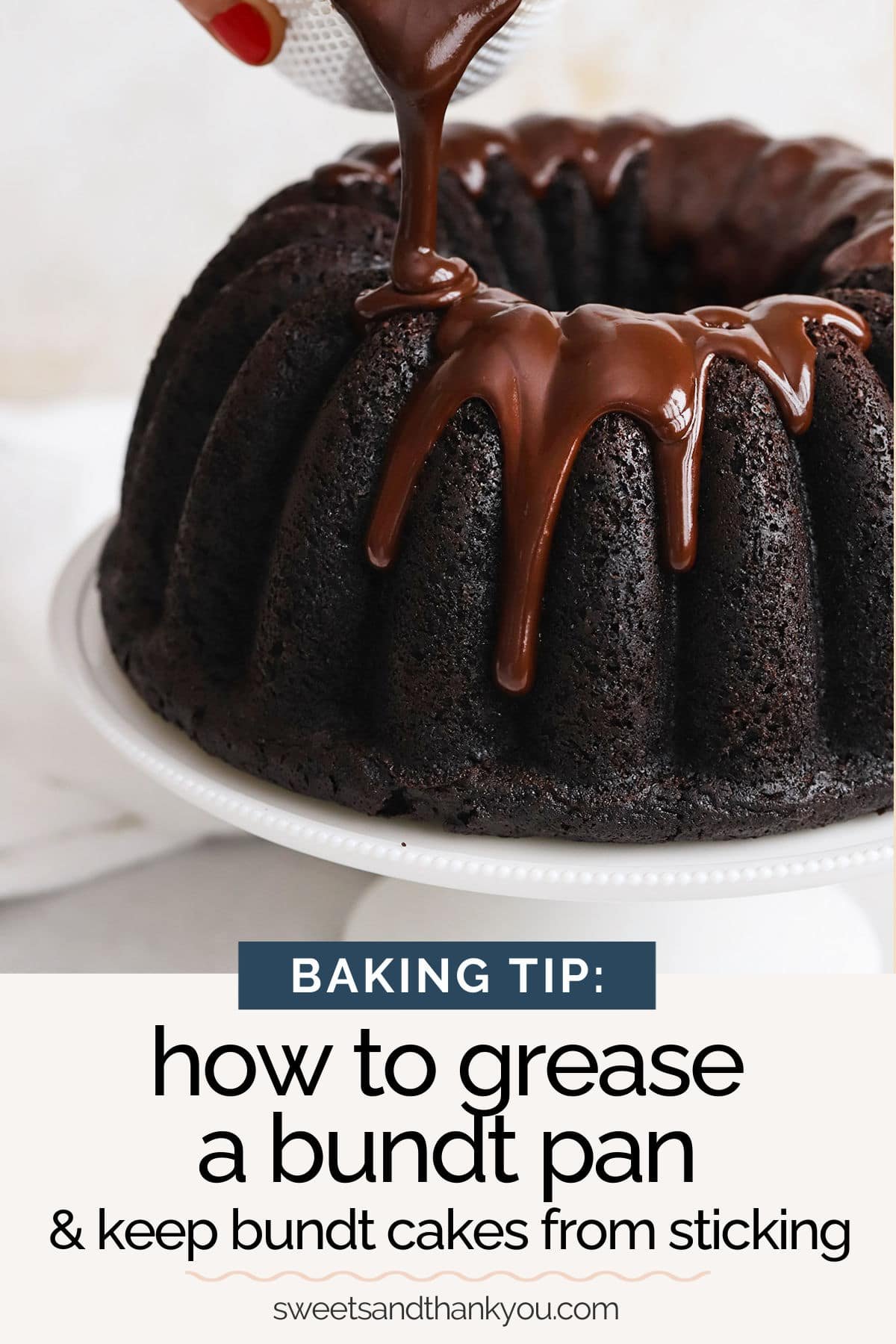
Isn’t it frustrating when your beautiful bundt cake sticks to the pan, ruining your perfectly planned dessert? You’ve followed the recipe to a tee, but when it comes to turning out the cake, you’re left with a crumbled mess.
The secret to avoiding this baking mishap lies in how you grease your bundt pan. You might think you know the best way, but what if there’s an even better method that guarantees a flawless cake every time? Imagine the satisfaction of effortlessly releasing your cake, with every curve and detail intact.
Curious to learn this simple, yet game-changing technique? Stick around, and you’ll never dread greasing a bundt pan again.

Credit: www.youtube.com
Choosing The Right Grease
Greasing a Bundt pan well prevents sticking and ensures easy cake removal. Use softened butter for even coverage. Spread it generously, reaching every nook and cranny of the pan.
Choosing the right grease for your Bundt pan is crucial. It ensures that your cake releases perfectly. No one wants a cake stuck to the pan. The type of grease you use can impact your baking success. Let’s explore the best options available.Butter Vs. Oil
Butter adds rich flavor to your cake. It creates a tasty crust. But, butter can burn at high temperatures. This might cause your cake to stick. Using oil offers a more neutral flavor. It withstands higher heat better than butter. Oil spreads easily, covering every detail of the pan. Choose oil for intricate Bundt designs.Non-stick Sprays
Non-stick sprays offer convenience. They cover the pan evenly. Easy to use, they save time. These sprays often contain flour. Flour helps prevent sticking. Some bakers prefer them for their reliability. They work well for complex designs. Ensure you spray every nook and cranny. This prevents sticking and ensures a smooth release.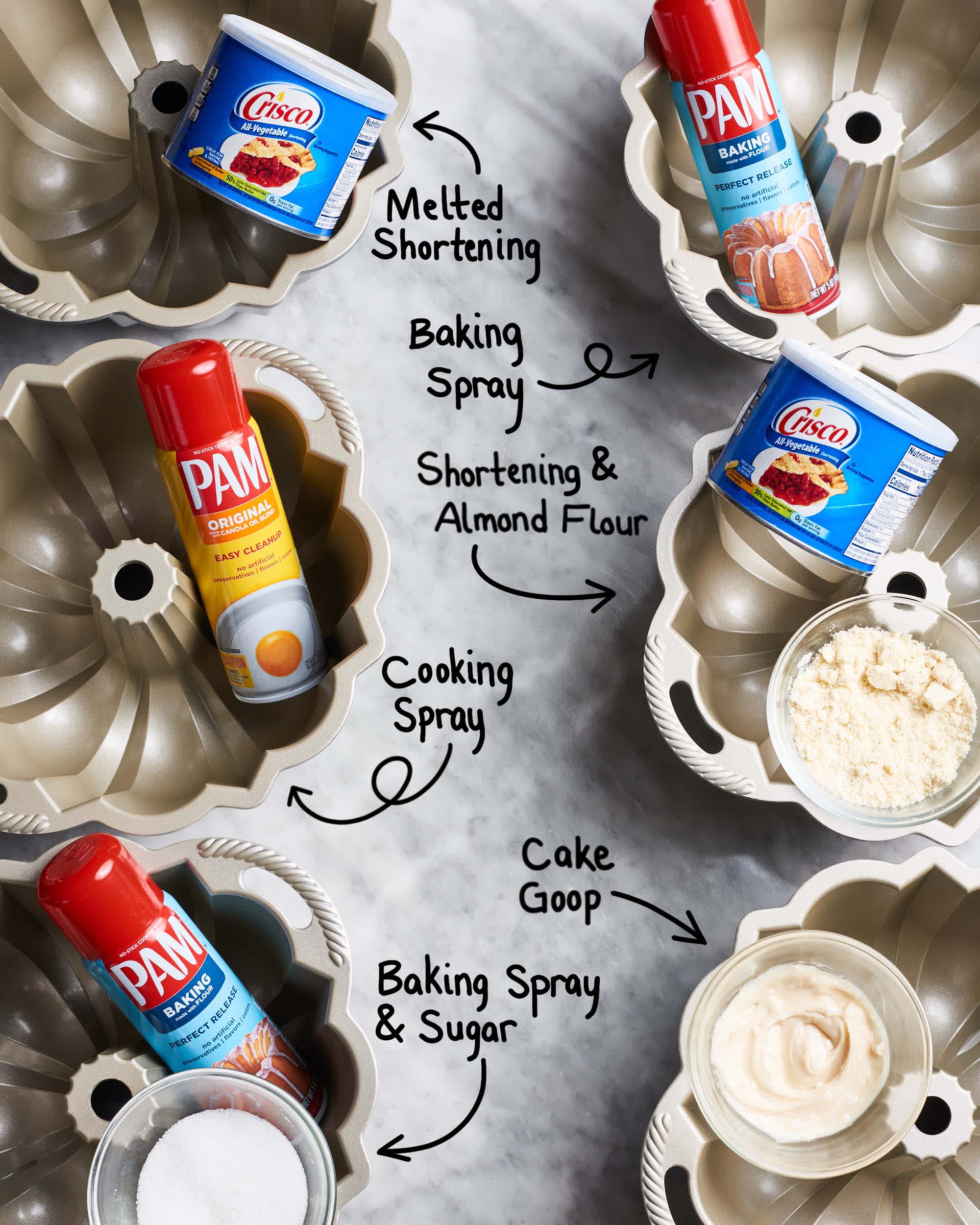
Credit: www.thekitchn.com
Preparing The Pan
Greasing a Bundt pan correctly ensures your cake releases perfectly. Use softened butter or shortening with a pastry brush. Dust with flour, shaking off excess, for a smooth, non-stick surface.
Preparing a Bundt pan is an essential step to ensure your cake doesn’t stick and comes out perfectly shaped. A well-greased pan is the secret behind a flawless cake release, saving you from the frustration of a ruined dessert. Let’s dive into the best practices for preparing your Bundt pan, so you can achieve bakery-worthy results every time.Cleaning The Pan
Before greasing, ensure your Bundt pan is impeccably clean. Any residue from previous bakes can hinder the greasing process. Wash the pan with warm, soapy water to remove any leftover grease or crumbs. After washing, inspect the pan for any remaining spots. A thorough clean ensures the grease sticks properly, offering a smooth cake release. If you’ve ever had a cake stubbornly cling to the pan, you know the heartbreak it can cause!Drying Techniques
Once clean, drying the pan is crucial. Water and oil don’t mix well, and a damp pan can cause your grease to slide off. Use a soft cloth or paper towel to dry every nook and cranny of the pan. Consider the intricate designs of a Bundt pan. These curves and crevices must be completely dry. You might even try letting the pan air dry for a few minutes to ensure all moisture evaporates. Have you ever rushed this step? It’s tempting, but patience here pays off in the form of a beautifully baked cake. A well-prepared Bundt pan sets the stage for your baking success. Are you ready to grease that pan like a pro?Application Techniques
Greasing a Bundt pan is crucial for a perfect cake release. Different application techniques can make this task easier and more effective. Below are two popular methods to ensure your cake slides out smoothly.
Using A Brush
A brush helps distribute grease evenly across the pan. Choose a pastry brush with soft bristles for best results. Dip the brush into melted butter or oil. Brush the pan thoroughly, covering every nook and cranny. Pay attention to the intricate designs and curves. A consistent coat prevents sticking and ensures the cake’s smooth surface.
Paper Towel Method
Using a paper towel is simple and effective. Start by tearing off a sheet of paper towel. Fold it into a small square for easy handling. Dip one corner into softened butter or oil. Rub the greased towel over the pan’s surface. Make sure to cover all areas, especially corners and edges. This method ensures an even layer of grease, helping the cake release cleanly.

Credit: www.tiktok.com
Ensuring Even Coverage
Spread butter or oil evenly using a pastry brush for perfect Bundt pan greasing. This prevents sticking and ensures flawless cake removal.
Ensuring even coverage when greasing a Bundt pan can be the difference between a beautifully baked cake and a frustrating mess. Imagine spending time creating the perfect batter only to have half of it stick to the pan. That’s why understanding how to properly grease your Bundt pan is crucial. Whether you’re a seasoned baker or a beginner, these tips will help you achieve that flawless release every time.Avoiding Missed Spots
Missing a spot can lead to parts of your cake sticking to the pan. To avoid this, use a pastry brush or your fingers to apply the grease, ensuring every nook and cranny is covered. Spray oils can be convenient, but they often miss spots, especially in the intricate designs of Bundt pans. Consider using softened butter or shortening instead, which you can easily maneuver into tight spaces. Double-check your work by holding the pan up to the light. This helps identify any areas you may have missed, giving you a chance to correct them before adding the batter.Focus On Grooves
The grooves in a Bundt pan are what make your cake visually stunning, but they can also be tricky. These areas are prone to sticking if not properly greased. Take extra care by using a small, flexible spatula or a brush to apply grease directly into these grooves. This ensures they are as slick as the rest of the pan, helping your cake release cleanly. Don’t rush this step. Give yourself time to ensure every groove is coated. It might take a little longer, but the results are well worth it. Are you ready to take your Bundt cakes to the next level? With these simple yet effective techniques, you’ll be releasing cakes like a pro, impressing friends and family with each bake. Remember, a little attention to detail goes a long way in achieving baking success.Troubleshooting Sticking Issues
Bundt cakes are a delight to serve and enjoy, but nothing can ruin a baking day like a cake that sticks to the pan. If you’ve ever experienced the frustration of trying to salvage a cake that refuses to let go of its mold, you’re not alone. Sticking issues can be a common hurdle, but they are often easily avoidable with some simple adjustments. Let’s dive into the common mistakes and remedies for stuck cakes.
Common Mistakes
One frequent mistake is using too much grease. It’s tempting to think more is better, but excess can lead to uneven coverage and pooling. This can result in parts of the cake sticking.
Another error is using the wrong type of grease. Oils such as olive oil can burn, creating a sticky residue. Opt for shortening or butter for better results.
Dusting with flour is often overlooked. Skipping this step can mean the difference between a cake that slides out effortlessly and one that stubbornly clings to the pan.
Remedies For Stuck Cakes
If your cake is stuck, don’t panic. Try running a thin spatula or knife gently around the edges to loosen it. Be careful not to damage the cake.
Cooling the cake can help. Let the cake sit for 10-15 minutes before trying to remove it. This cooling period can help the cake firm up, making it easier to release.
If all else fails, steam can be your friend. Place a damp towel over the inverted pan for a few minutes. The steam can help release the cake.
Have you tried different greasing methods and still faced sticking issues? Share your experiences below and let’s tackle this baking challenge together!
Cleaning After Baking
Cleaning your Bundt pan after baking is crucial. It helps maintain its quality and ensures it lasts longer. Many forget this step, leading to stubborn residues and potential damage. Proper cleaning not only preserves the pan but also enhances future baking experiences.
Removing Residue
First, soak the Bundt pan in warm soapy water. This loosens any stuck-on crumbs or batter. Use a soft sponge to gently scrub away residue. Avoid using metal scrubbers as they can scratch the surface. Rinse thoroughly with warm water. Ensure no soap remains, as it can affect future baking.
Maintaining Pan Quality
Dry the pan immediately after washing. Use a soft, clean towel to prevent water spots. Store the pan in a dry place. Avoid stacking heavy objects on top of it. Regularly inspect the pan for scratches or dents. If present, consider replacing it to maintain baking quality. Proper care keeps your Bundt pan in peak condition.
Expert Recommendations
Greasing a Bundt pan might seem simple, but it needs care. Expert recommendations can make your baking journey smoother. Learn from seasoned bakers and discover the best tools. These tips help ensure your cake releases perfectly every time.
Professional Bakers’ Insights
Professional bakers recommend using a pastry brush. It allows even distribution of grease. Avoid using your fingers. They can miss spots, causing the cake to stick. Some bakers prefer melted butter over oil for its flavor. Others suggest using shortening for its non-stick properties. Dusting with flour after greasing adds an extra layer of protection. This step is crucial for intricate Bundt designs.
Top Tools For Greasing
A silicone pastry brush is highly recommended. It is easy to clean and lasts long. Some bakers use a spray bottle for even coverage. Non-stick baking sprays are popular, but choose those with flour. This ensures better release of the cake. A soft cloth can also be handy for spreading grease. Choose the tool that suits your comfort and style.
Frequently Asked Questions
What Is The Best Thing To Grease A Bundt Cake Pan With?
Use a mixture of softened butter and flour to grease a bundt cake pan. Apply evenly for best results. This prevents sticking and ensures easy cake release. Avoid using cooking sprays, as they can leave residue.
How Do You Keep A Cake From Sticking To A Bundt Pan?
Grease the bundt pan thoroughly with butter or non-stick spray. Dust it with flour evenly. Ensure all crevices are covered. Pour the batter carefully. Let the cake cool before removing it. This prevents sticking effectively.
Is It Better To Grease A Cake Pan With Butter Or Oil?
Butter adds flavor and helps cakes release easily. Oil can be less sticky and is better for non-stick pans. Choose based on your recipe.
Should I Oil And Flour A Bundt Pan?
Yes, oil and flour your bundt pan for easy cake release. This prevents sticking and ensures a smooth surface. Use a brush to apply oil evenly. Sprinkle flour, then tap out excess. Proper preparation leads to perfect cakes without damage.
Maintain consistent results with this simple step.
Conclusion
Greasing a Bundt pan is crucial for perfect cakes. Choose the right method for your recipe. Butter adds flavor, while oil offers ease. Consider non-stick sprays for convenience. Ensure every nook is covered. This prevents sticking and keeps your cake intact.
Experiment to find your preferred method. Start with simple techniques. Your cake will slide out smoothly. Enjoy baking without the hassle. Happy baking!
