
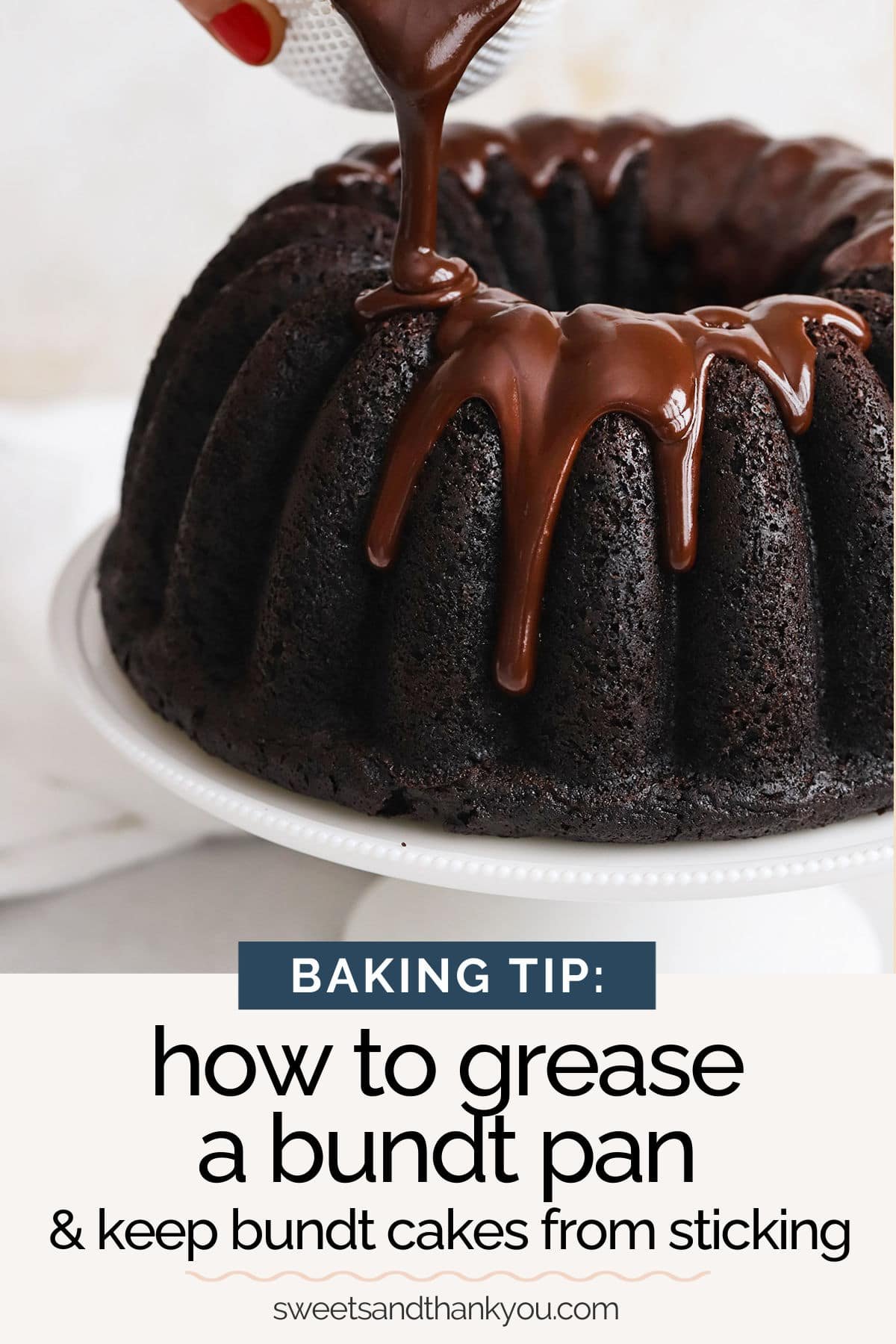
You’ve finally found the perfect recipe for that delicious cake you’ve been dreaming about. The ingredients are ready, the oven is preheating, and you’re just about to pour the batter into your favorite Bundt pan.
But wait! There’s one crucial step that can make or break your baking masterpiece: greasing the Bundt pan. Imagine the disappointment of your cake sticking to the pan, ruining its beautiful shape and your hard work. Don’t let this happen to you.
Learn the best way to grease a Bundt pan and ensure a flawless release every time. We’ll reveal the secrets that top bakers swear by, helping you achieve a perfect, show-stopping cake. Stay with us, and you’ll never have to deal with a stuck cake again.

Credit: www.youtube.com
Choosing The Right Grease
Greasing a Bundt pan seems simple. But it’s crucial for a perfect cake. The right grease makes all the difference. A poorly greased pan can ruin your cake. With a sticky mess or broken cake. So, choosing the right grease is essential.
Types Of Grease For Bundt Pans
Various types of grease are available. Each has its benefits. Common choices include butter, oil, and cooking spray. Some bakers prefer shortening. Others mix flour with their grease. Each type offers unique qualities. Let’s explore them.
Pros And Cons Of Each Grease Type
Butter:Butter adds flavor. It creates a golden crust. But it can burn easily. It might leave a residue.
Oil:Oil provides even coverage. It’s less likely to burn. But it lacks flavor. It may not stick well to the pan.
Cooking Spray:Cooking spray is convenient. It offers quick application. But it may contain additives. It can be less effective on intricate designs.
Shortening:Shortening is reliable. It coats the pan evenly. It doesn’t burn easily. But it’s flavorless. Some prefer more natural options.
Flour Mixture:A flour mix prevents sticking. It’s great for detailed pans. But it adds an extra step. It may affect cake texture.
Credit: www.cooklikeczechs.com
Preparing The Bundt Pan
Preparing the Bundt Pan is a crucial step in baking. A well-prepared pan ensures your cake comes out easily, maintaining its beautiful shape. This section will guide you through the essential steps to prepare your Bundt pan effectively.
Cleaning The Pan
Start by cleaning your Bundt pan thoroughly. Use warm, soapy water and a soft sponge. Avoid abrasive materials that might scratch the pan. Focus on getting into all the intricate crevices. Rinse well to remove any soap residue. A clean pan prevents sticking and ensures a smooth cake surface.
Drying Techniques
After cleaning, dry the pan completely. Use a clean, dry towel to wipe away moisture. Ensure no water droplets are left in the crevices. Water can cause sticking and affect your cake’s texture. Alternatively, air-dry the pan on a dish rack. Make sure it’s fully dry before greasing it.
Greasing Techniques
Greasing a Bundt pan effectively ensures your cake releases smoothly. Use softened butter with a pastry brush. Dust with flour for added assurance.
Greasing a Bundt pan might seem like a trivial task, but it can make or break your baking success. If you’ve ever spent time perfecting a cake recipe only to have it stick to the pan, you know the frustration. The right greasing technique ensures your cake slides out smoothly, showcasing its intricate design. Let’s dive into some effective methods to achieve this.Traditional Greasing Methods
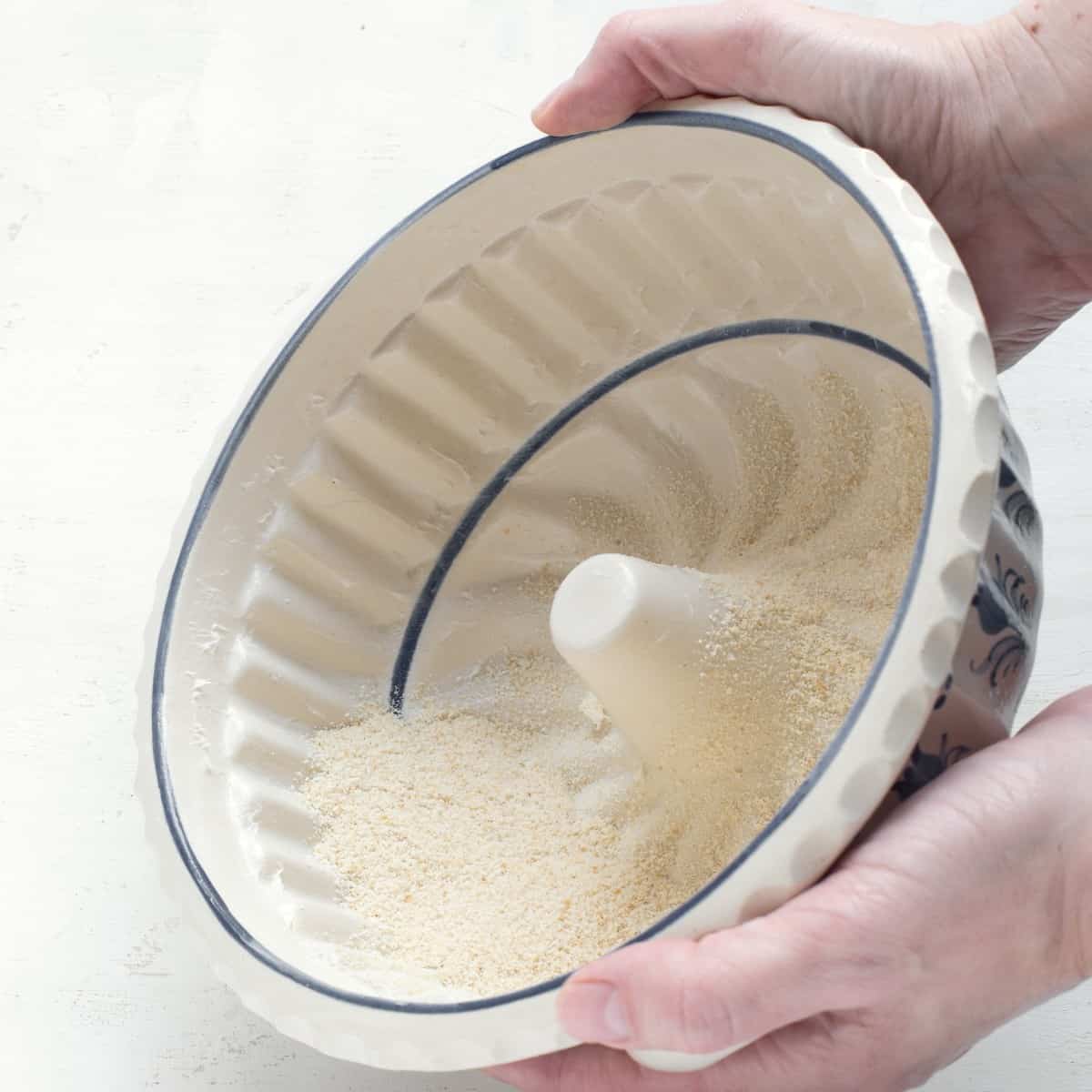
The classic method involves using butter and flour. It’s a tried-and-true technique many bakers swear by. Start by softening some butter. Use your fingers or a pastry brush to spread it evenly around the pan’s interior, ensuring every nook and cranny is covered. Once buttered, sprinkle a light dusting of flour into the pan. Rotate and tap the pan to distribute the flour evenly, then tap out any excess. Growing up, I watched my grandmother do this with every Bundt cake she made. Her cakes never stuck, and the aroma of butter and flour still brings back fond memories.Advanced Greasing Techniques
Sometimes, you need something more than just butter and flour. Enter non-stick baking sprays with flour. These are specifically designed for intricate pans like the Bundt. Simply spray the pan evenly, holding it about 6 inches away to cover all surfaces. These sprays ensure an even coating and are less messy than traditional methods. Another advanced technique involves using a homemade paste of equal parts shortening, vegetable oil, and flour. Mix them until smooth, then brush onto the pan. This method offers a foolproof release. Why experiment with these techniques? They offer consistent results and might just become your go-to method. Have you ever tried releasing a cake from a Bundt pan, only to have it stick? It might be time to rethink your greasing strategy. Which method resonates with you? Give it a try and watch your cakes release perfectly every time.Common Greasing Mistakes
Greasing a Bundt pan seems simple. Yet, mistakes are common. These errors can ruin your cake’s texture and appearance. Understanding these mistakes helps you achieve perfect cakes every time.
Over-greasing Issues
Too much grease leads to a slippery surface. This excess can cause the batter to slide. The cake might not rise properly. It can also have a greasy crust. Over-greasing affects flavor, too. The cake may taste oily.
Under-greasing Problems
Under-greasing can be just as problematic. The cake might stick to the pan. This results in an uneven surface. Pieces of cake may break off. It becomes challenging to remove the cake cleanly. Under-greasing often leads to frustration and disappointment.
Expert Tips For Perfect Greasing
Greasing a bundt pan correctly is crucial for cake success. Proper greasing prevents sticking and ensures a smooth, even bake. With expert tips, you can achieve perfect greasing every time.
Ensuring Full Coverage
Use a pastry brush for even butter distribution. This tool reaches every nook and cranny. Melted butter works best for full coverage. Pour a small amount into the pan. Rotate and tilt the pan for complete coating. Pay attention to the central column. This area often gets missed.
Preventing Cake Sticking
Choose the right grease type. Butter and shortening work well. Butter adds flavor; shortening reduces sticking. Dust the pan with flour after greasing. Shake off excess flour. This step creates a barrier between batter and pan. Avoid non-stick sprays; they can leave residue. Ensure flour reaches all greased areas.
Grease Alternatives
For a flawless Bundt cake release, use non-stick spray or melted butter to grease the pan thoroughly. Coat every corner, including the intricate designs, to prevent sticking and ensure a perfect finish. Adding flour after greasing can also help create a smooth surface for baking.
When baking a bundt cake, you might think that traditional butter or oil is your only option for greasing the pan. However, there are several grease alternatives that can enhance your baking experience and ensure a perfect release every time. These alternatives not only make the process easier but also offer healthier or more convenient options. Let’s dive into some exciting ways to prepare your bundt pan for baking.Non-stick Sprays
Non-stick sprays are a baker’s best friend. They coat the pan evenly and save you time. Unlike butter, you don’t need to worry about melting or uneven spreading. Simply spray the inside of your bundt pan thoroughly. Make sure to cover every nook and cranny. This helps in achieving that flawless cake release without any sticking. Have you ever tried using a non-stick spray designed specifically for baking? These sprays often contain flour, which adds an extra layer of non-stick protection. Give it a try and see the difference in your cake’s texture.Silicone Baking Mats
Silicone baking mats are a game-changer for bakers. While typically used for baking sheets, they can also be cut to fit the bottom of a bundt pan. This creates a non-stick barrier that’s reusable and eco-friendly. Imagine never having to deal with parchment paper again. Silicone mats are easy to clean and durable. Just place it at the bottom of your pan, and you’re good to go. Do you find cleaning a bundt pan a chore? Silicone mats make the cleanup process much simpler. Just a quick rinse and they’re ready for the next bake. Why not give them a try and make your baking routine more efficient?
Credit: www.tiktok.com
Frequently Asked Questions
What Is The Best Thing To Use To Grease A Bundt Pan?
Use melted butter or non-stick baking spray to grease a bundt pan. Ensure you cover all crevices.
How Do You Keep A Bundt Cake From Sticking To The Pan?
Grease the pan thoroughly using butter or shortening. Dust it with flour or cocoa powder. Ensure the batter is evenly distributed. Allow the cake to cool for 10 minutes before removing. Use a knife to gently loosen the edges.
Is It Better To Grease A Cake Pan With Butter Or Oil?
Butter enhances flavor and creates a golden crust, while oil offers a non-stick surface. Choose butter for taste and oil for ease. Both work well, but butter adds richness. For best results, flour the pan after greasing.
Can I Use Pam To Grease A Bundt Pan?
Yes, you can use Pam to grease a bundt pan. It prevents sticking and ensures easy release. Make sure to cover all crevices for best results.
Conclusion
Greasing a Bundt pan is crucial for perfect cakes. Use butter or shortening for best results. Coat every corner and ridge. This prevents sticking and ensures easy removal. Dust with flour after greasing for extra protection. Your cake will come out clean and beautiful.
Enjoy a flawless finish every time. Simple steps lead to success. No more broken cakes. Baking becomes a joy, not a chore. Share your delicious Bundt creations with family and friends. Follow these tips, and baking will be stress-free. Happy baking!
