
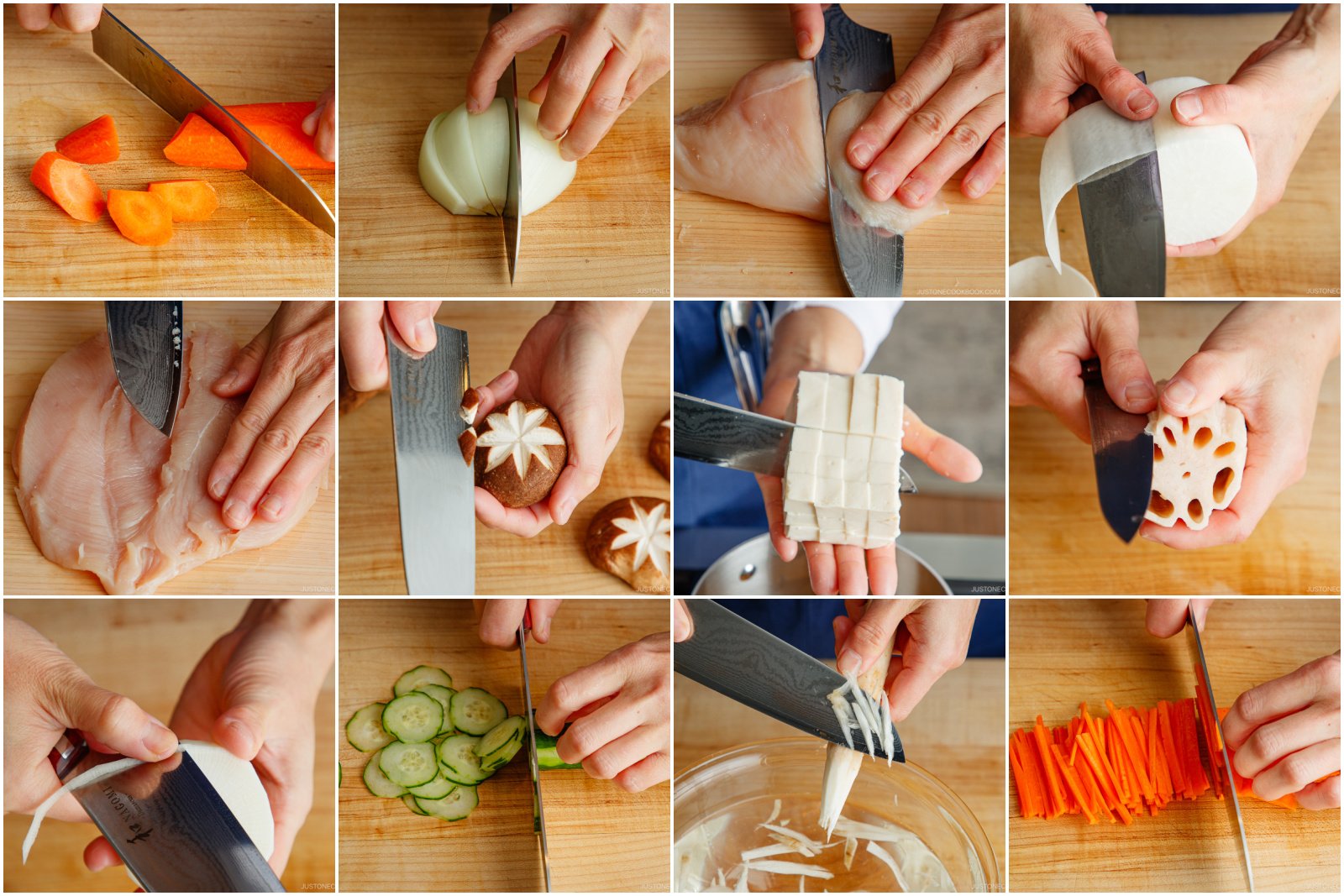
Mastering knife skills can transform your cooking experience, and cutting celery the right way is a great place to start. Whether you want to chop, slice, dice, or make batons, knowing the proper techniques will save you time and effort.
You’ll also create cleaner cuts that improve the look and texture of your dishes. In this guide, you’ll discover simple steps to handle celery like a pro, boost your confidence in the kitchen, and impress everyone with your knife skills.
Ready to upgrade your chopping game? Let’s dive in!
Choosing The Right Knife
Choosing the right knife is crucial when working with celery. The right blade makes your cutting smoother, safer, and more precise. It can change how quickly you chop, slice, dice, or cut batons, saving you time and effort in the kitchen.
Types Of Knives For Celery
Not every knife is suitable for celery’s crunchy texture and fibrous stalks. A chef’s knife is often the best choice because its broad blade offers control and versatility. If you prefer a smaller option, a paring knife can handle delicate slicing and trimming tasks.
Some cooks like using a santoku knife for its sharp edge and ability to create thin, even slices. Whichever knife you pick, make sure it feels balanced in your hand. Your comfort and control directly impact your cutting accuracy.
- Chef’s Knife:Ideal for chopping and dicing celery quickly.
- Paring Knife:Best for small, precise cuts or trimming.
- Santoku Knife:Great for thin slices and batons.
Knife Maintenance Tips
A sharp knife is safer than a dull one. Dull blades require more force, increasing the risk of slips and accidents. Regularly sharpen your knives to keep the edge keen and the cutting effortless.
Washing knives by hand prevents damage that dishwashers can cause. Always dry your knife immediately after washing to avoid rust. Storing your knives in a block or on a magnetic strip protects the blade and keeps them ready for your next celery cutting session.
- Sharpen your knife every few weeks depending on use.
- Hand wash with mild soap and dry immediately.
- Store knives properly to protect the blade and your fingers.
Have you noticed how a well-maintained knife changes your cooking experience? Try paying more attention to your knife choice and care next time you prepare celery. It might just be the simple change that makes your knife skills feel professional.

Credit: kotaikitchen.com
Preparing Celery
Preparing celery properly is the foundation of mastering your knife skills. Before you start cutting, chopping, slicing, or dicing, you need to make sure your celery is clean and ready. This step not only improves the taste but also ensures safety and precision in your cuts.
Cleaning And Trimming
Celery often hides dirt and pesticides in its grooves. Rinse each stalk thoroughly under cold running water. You can use a vegetable brush to gently scrub the surface, especially near the base and inner ribs.
Trim the ends by cutting off the root base and any leafy tops. Removing these parts makes the celery easier to handle and helps you focus on the crisp, tender stalks. Have you noticed how fresh celery smells after washing? That’s your cue it’s ready for the next step.
Prepping The Workspace
Clear your cutting board and organize your tools before you start. A sharp knife, preferably a chef’s knife or a santoku, makes all the difference in clean cuts. Dull blades can crush the celery and create uneven pieces.
Keep a damp cloth nearby to wipe your knife between cuts. This prevents slipping and keeps your workspace tidy. Have you ever struggled with a wet, slippery cutting board? Placing a damp towel underneath it can stop that problem instantly.
Basic Cutting Techniques
Basic cutting techniques form the foundation of good knife skills. Proper cutting improves cooking speed and food texture. Celery is a common vegetable that shows how different cuts affect a dish. Understanding how to chop, slice, and dice celery helps in many recipes. Each technique gives celery a unique size and shape for various uses.
Chopping Celery
Chopping celery means cutting it into uneven, bite-sized pieces. Start by washing the celery stalks well. Cut off the base and the leafy top. Lay the stalk flat on the cutting board. Hold the stalk steady with one hand. Use a sharp knife to cut across the stalk. Move the knife in a rocking motion. Cut pieces about 1/2 inch thick or less. Chopped celery works well in soups and stews.
Slicing Celery
Slicing celery creates thin, even pieces. Begin with cleaned celery stalks. Place the celery on the board. Hold it firmly and cut lengthwise or crosswise. For lengthwise slices, cut the stalk into halves or quarters. Then slice each section thinly. For crosswise slices, cut straight across the stalk. Slices are good for salads and snacks. They keep celery crunchy and fresh.
Dicing Celery
Dicing celery means cutting it into small, square pieces. First, slice the celery lengthwise into thin strips. Stack the strips carefully. Cut across the strips to form small cubes. Aim for uniform sizes around 1/4 inch. Diced celery blends well in sauces and stuffings. It cooks evenly and looks neat in dishes.
Advanced Techniques
Advanced knife skills improve both presentation and cooking speed. Cutting celery with precision enhances texture and flavor release. These techniques require steady hands and a sharp knife. Practice ensures safer and more confident cuts.
Creating Celery Batons
Celery batons are thick, stick-shaped cuts. Start by trimming the ends of celery stalks. Cut each stalk into 3 to 4 inch lengths. Slice each piece lengthwise into flat slabs. Then cut those slabs into sticks about ¼ inch wide. This shape is perfect for dipping or garnishing.
Julienning Celery
Julienning means cutting celery into thin, matchstick-like strips. Begin by washing and trimming celery stalks. Cut the stalks into 2 to 3 inch sections. Slice each section lengthwise into thin, even slices. Stack the slices and cut them again lengthwise into thin strips. Julienned celery cooks quickly and looks elegant in salads.
Safety Tips
Safety is the top priority when cutting celery. Proper techniques lower the risk of injury. Even simple tasks like slicing or dicing require focus and care. Knowing how to handle your knife correctly helps keep your fingers safe. Avoid common mistakes that cause slips and cuts. Follow clear safety tips to protect yourself while preparing food.
Proper Knife Handling
Hold the knife firmly with your dominant hand. Wrap your fingers around the handle and place your thumb on the side. Use a sharp knife; dull blades are more dangerous. Keep the tip of the knife on the cutting board when slicing. Use a stable cutting board that does not move. Curl your fingers of the other hand inward to hold the celery. This “claw grip” protects fingertips from the blade. Cut slowly and steadily, avoiding rushing.
Avoiding Common Mistakes
- Do not try to cut with a dull or damaged knife.
- Avoid placing your hand in the knife’s path.
- Do not cut on unstable or slippery surfaces.
- Never leave knives in the sink or hidden under other items.
- Keep your cutting area clear of clutter to prevent accidents.
- Do not use excessive force; let the knife do the work.
- Always pay full attention when chopping or slicing celery.

Credit: www.tiktok.com
Practice And Mastery
Practice is key to improving knife skills for cutting celery. Regular cutting builds confidence and control. Small daily sessions help develop muscle memory. Focus on consistency with each cut. Over time, speed and precision will improve naturally.
Developing Knife Skills
Start with a sharp knife and a stable cutting board. Hold the knife firmly and curl your fingers inward. This grip protects your fingers and guides the cut. Practice basic cuts like slicing and dicing slowly. Pay attention to even sizes for uniform cooking.
Try different cuts such as batons or julienne. Each style uses slightly different hand movements. Repeat the motions to build smooth, steady action. Watch your hand placement and wrist movement closely.
Exercises For Improvement
- Cut celery sticks into thin slices, focusing on even thickness.
- Dice celery into small cubes, maintaining uniform size.
- Chop celery into batons, practicing clean, straight cuts.
- Use a metronome or timer to keep a steady pace.
- Practice cutting other vegetables to vary hand movement.
Track progress by noting time and accuracy. Slow down to improve control before increasing speed. Repetition builds confidence and reduces mistakes. Practice creates a natural rhythm and flow with the knife.

Credit: timesofindia.indiatimes.com
Frequently Asked Questions
How Do I Properly Chop Celery For Cooking?
To chop celery, first wash and trim the ends. Slice the stalks into small, even pieces. This ensures even cooking and better texture in dishes.
What’s The Best Way To Slice Celery Thinly?
Use a sharp knife and cut the celery stalks lengthwise. Then slice across to get thin, uniform pieces. Thin slices work well in salads and garnishes.
How Can I Dice Celery Evenly And Quickly?
Cut celery into batons first, then cut batons crosswise into small cubes. This method ensures consistent dicing and speeds up prep time.
What Is The Correct Technique For Cutting Celery Batons?
Trim celery stalks and cut them into 2-3 inch lengths. Slice each piece lengthwise into sticks. Batons are great for crudités or stir-fries.
Conclusion
Cutting celery well makes cooking easier and faster. Practice each skill: chop, slice, dice, and baton. Use a sharp knife and steady hands. Always cut on a stable surface for safety. These simple steps improve your kitchen confidence. Try them often to get comfortable.
Soon, your meals will look and taste better. Enjoy cooking with fresh, neatly cut celery every time.
