
Want to make your citrus fruits look as good as they taste? Mastering knife skills to cut citrus into wedges, slices, and supremes can transform your meals and drinks.
Whether you’re preparing a fresh salad, garnishing a cocktail, or simply enjoying a juicy orange, knowing how to cut citrus properly will save you time and impress anyone at your table. Keep reading, and you’ll learn easy, step-by-step techniques that make cutting citrus simple and safe—no more messy juice spills or uneven pieces.
Your kitchen skills are about to get a refreshing upgrade!
Credit: cookpad.com
Essential Tools For Cutting Citrus
Cutting citrus fruit into wedges, slices, or supremes requires specific tools. Using the right tools makes the process safer and easier. It also helps you get clean, even cuts every time.
Choosing sharp and precise tools improves your cutting experience. It reduces the risk of crushing the fruit or slipping with the knife. Knowing which tools to use is the first step to better knife skills with citrus.
Sharp Chef’s Knife
A sharp chef’s knife is essential for cutting citrus. It offers control and clean cuts without tearing the fruit. Choose a knife with a comfortable handle and balanced weight.
Citrus Knife Or Paring Knife
A small citrus or paring knife is perfect for detailed work. It helps remove the peel and pith when making supremes. Its size fits well for trimming and sectioning the fruit.
Cutting Board
A sturdy cutting board keeps the fruit stable during cutting. Use a non-slip board to prevent accidents. Choose a board large enough for the fruit size.
Zester Or Microplane
A zester or microplane tool is useful for grating citrus peel. It adds flavor and decoration to your dishes. This tool works well for zesting before cutting the fruit.
Kitchen Towels
Keep kitchen towels nearby to wipe hands and clean surfaces. Citrus juice can make tools and boards slippery. Towels help maintain a safe and tidy workspace.

Credit: www.youtube.com
Preparing Citrus For Cutting
Preparing citrus fruit for cutting is essential for clean, precise slices, wedges, and supremes. Proper preparation ensures safety, enhances flavor, and improves presentation. Taking time to prepare citrus correctly makes cutting easier and more enjoyable.
Choosing Fresh Citrus
Select citrus fruits that feel heavy for their size. Heavy fruits have more juice and better flavor. Look for smooth, firm skin without soft spots or wrinkles. Avoid fruits with mold, cuts, or bruises. Bright colors often indicate freshness but check texture and weight first.
Washing And Drying
Rinse citrus fruits under cool running water. Use your hands to gently scrub the surface. This removes dirt, pesticides, and bacteria. Avoid using soap or chemicals. After washing, dry the fruit with a clean towel. Dry skin helps prevent slipping while cutting.
Technique For Perfect Citrus Wedges
Mastering the technique for perfect citrus wedges is about precision and care. The goal is to create clean, uniform pieces that enhance both the look and taste of your dish. A sharp knife and a steady hand will make all the difference in how your wedges turn out.
Cutting Into Wedges
Start by washing your citrus fruit thoroughly. Place the fruit on a cutting board and slice it in half from top to bottom, through the stem.
Next, lay each half flat and cut into even wedges. The number of wedges depends on the size of your fruit and your preference—usually 6 to 8 wedges work well.
Keep your knife angled slightly inward to follow the natural curve of the fruit. This technique helps keep the wedges intact without crushing the delicate segments inside.
Removing Seeds
Once your wedges are cut, check each one for seeds. Using the tip of your knife or a small fork, gently pry out any seeds you find.
Removing seeds early prevents any bitter surprises when eating or cooking. It also improves the presentation, especially if you’re serving the wedges on a platter.
Have you noticed how a single seed can ruin a perfect bite? Taking a moment to remove them makes your wedges truly enjoyable.
Creating Uniform Citrus Slices
Creating uniform citrus slices is key to making your dishes look professional and ensuring even flavor distribution. Whether you’re preparing wedges for a cocktail garnish or thin slices for a salad, consistency matters. It’s not just about appearance; uniform slices cook evenly and enhance texture.
Achieving Thin Slices
Start by selecting a sharp, thin-bladed knife. A dull blade crushes the fruit and makes uneven cuts. Place the citrus fruit on a stable cutting board and slice off both ends to create a flat base.
Hold the fruit firmly but gently. Slice from top to bottom in smooth, steady motions. Don’t rush; thin slices require control. If your slices are too thick, the texture can become mushy, especially in delicate dishes.
Try this: after a few slices, check the thickness against the previous ones. Adjust your pressure and angle to keep slices consistent. Have you noticed how even the smallest variation can change the bite?
Maintaining Consistent Size
Consistency in size ensures your citrus pieces cook or marinate evenly. Use visual guides like the width of a finger or a ruler to keep your slices uniform. If you cut wedges, make sure each wedge has the same width and length.
Another tip is to mark your fruit lightly with the knife before making full cuts. This helps you visualize the size and spacing. Imagine slicing a lemon for a party; would you want some guests getting half slices and others just crumbs?
Practice cutting a few slices, then arrange them side by side. Are they similar enough? If not, adjust your technique. Uniformity comes with patience and a bit of mindfulness during cutting.
Mastering Citrus Supremes
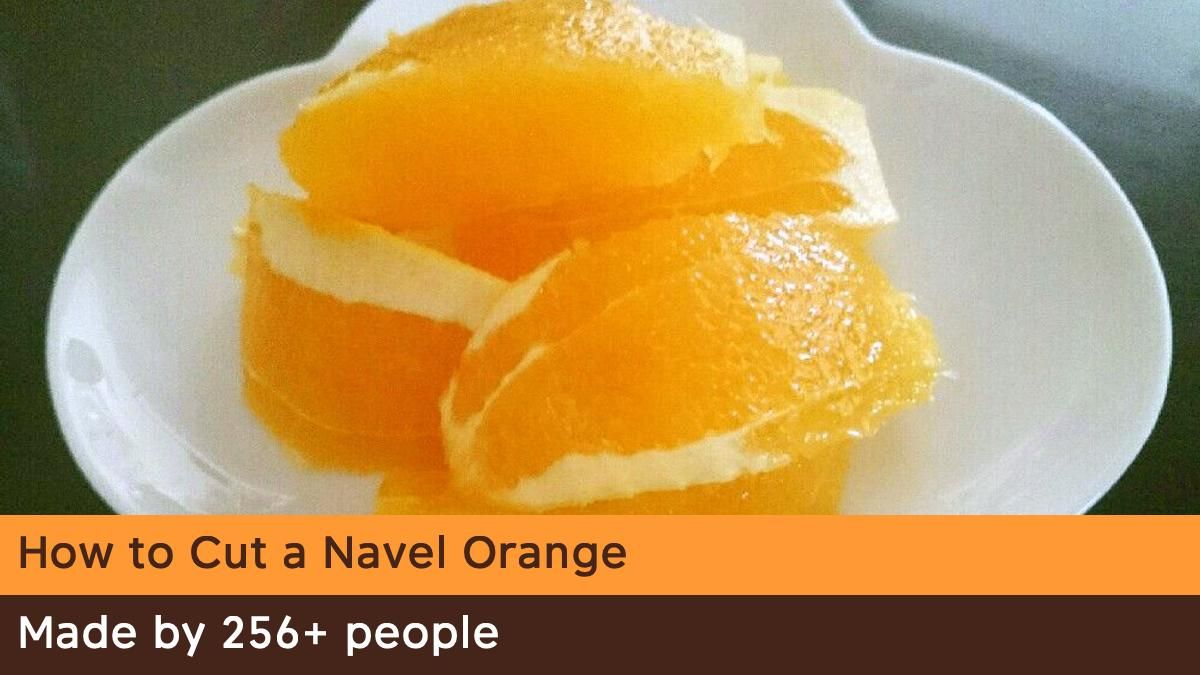
Mastering citrus supremes is a skill that elevates your fruit presentation. Supremes are clean, skinless segments of citrus fruit. They add elegance to salads, desserts, and drinks. This technique removes all the bitter pith and membranes, leaving only juicy, tender flesh. Learning how to supreme citrus fruits improves both taste and appearance.
Understanding Supremes
Supremes are individual sections of citrus fruit without peel or membrane. They differ from wedges or slices by their smooth texture. Each segment is free from the tough, bitter parts. This makes supremes ideal for delicate dishes and garnishes. The process requires a sharp knife and steady hands.
Peeling And Segmenting
Start by cutting off the top and bottom of the fruit. Stand the fruit upright and slice away the peel and white pith. Follow the curve of the fruit closely. Once peeled, hold the fruit in your hand. Carefully cut along each side of the thin membranes. Remove each segment with a gentle push of the knife.
- Use a small, sharp paring knife for precision.
- Work slowly to avoid tearing the segments.
- Collect juice while segmenting to use in dressings or sauces.

Credit: www.tiktok.com
Tips For Enhancing Knife Skills
Improving your knife skills transforms how you handle citrus fruits, making wedges, slices, and supremes cleaner and more precise. Mastering the right techniques not only speeds up your prep time but also ensures consistent results every time. Let’s dive into some practical tips that sharpen your control and keep you safe while cutting.
Grip And Control
How you hold your knife affects every cut you make. A firm but relaxed grip lets you control the blade without tiring your hand quickly. Try holding the handle with three fingers while pinching the blade’s base with your thumb and index finger—this gives you better precision.
Keep your non-cutting hand in a claw shape to guide the fruit steadily. This position reduces slips and keeps your fingers out of the blade’s path. Have you noticed how small adjustments in your grip change your cutting speed and accuracy?
Safety Precautions
Sharp knives are safer than dull ones because they require less force and reduce slipping. Always check your knife’s sharpness before starting and sharpen it regularly. A dull blade might seem less dangerous, but it often leads to accidents.
Place a damp towel under your cutting board to keep it from sliding. This simple trick creates a stable surface and prevents sudden movements. Remember, slow and steady cuts beat rushing, especially with slippery citrus fruits.
Serving And Presentation Ideas
Serving and presenting citrus wedges, slices, and supremes in an appealing way can elevate your dish from ordinary to memorable. How you arrange these bright, juicy pieces affects both the visual appeal and the dining experience. Let’s look at some practical ideas to make your citrus presentation stand out and complement your meals perfectly.
Creative Plating
Think beyond the basic plate layout. Use citrus wedges or slices to add color and texture contrast on your serving dish.
- Arrange wedges in a fan shape around seafood or grilled chicken to frame the main dish beautifully.
- Layer slices of different citrus fruits—like oranges, lemons, and grapefruits—for a vibrant, rainbow-like effect.
- Place supremes delicately on salads or desserts to create a fresh and elegant touch.
Try serving citrus wedges in small bowls with a sprinkle of sea salt or chili powder for a flavorful snack or palate cleanser. Does your presentation invite guests to explore the flavors with their eyes first?
Pairing With Dishes
Citrus can brighten and balance many dishes, so think about how the cut style fits the food you’re serving.
- Wedges work great alongside grilled fish or tacos, giving diners the option to squeeze fresh juice.
- Slices add a decorative flair to cocktails or breakfast plates and can be used as edible garnishes.
- Supremes, with their clean edges and no pith, are perfect for delicate salads or desserts where you want a refined look.
Consider the flavor intensity of your dish. Would a tart lemon wedge complement the richness of your meal? Could sweet orange slices add a refreshing contrast? Your choices here can make a big difference.
Frequently Asked Questions
How Do You Cut Citrus Fruit Into Wedges?
To cut citrus into wedges, first slice the fruit in half. Then, cut each half into equal segments. This creates easy-to-eat wedges perfect for garnishes or snacks. Use a sharp knife and cut carefully along the fruit’s natural segments.
What Is The Best Way To Slice Citrus Fruit Evenly?
Use a sharp knife and a stable cutting board. Cut off both ends, then slice the fruit crosswise. Keep slices uniform in thickness for even presentation and cooking. A steady hand ensures professional-looking citrus slices every time.
How Do You Make Citrus Supremes Without Peeling?
To make citrus supremes, cut off the top and bottom. Then slice away the peel and pith. Carefully cut along the membranes to release clean, skinless fruit segments. This technique delivers tender, pith-free citrus supremes ideal for salads and desserts.
Why Are Knife Skills Important For Cutting Citrus?
Good knife skills ensure clean cuts and prevent fruit damage. Proper technique saves time, enhances presentation, and improves food safety. Sharp knives reduce slipping and accidents. Mastering citrus cutting boosts kitchen confidence and efficiency.
Conclusion
Cutting citrus fruit into wedges, slices, and supremes takes practice. Start with sharp knives and steady hands. Remember to cut safely and carefully every time. These simple skills make fruit look fresh and taste better. Try different cuts to add color and texture to your dishes.
Enjoy the bright flavors and easy presentation. Keep practicing, and you will get faster and more confident. Fresh citrus adds a nice touch to any meal or snack. Simple steps lead to great results in the kitchen.
