
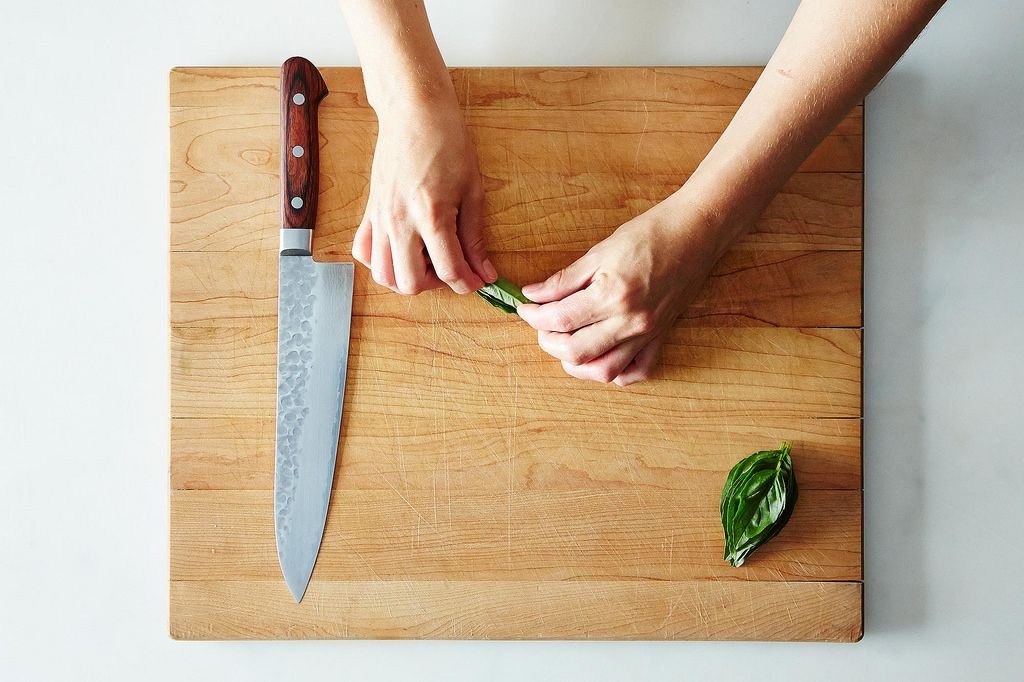
Imagine elevating your culinary creations with a simple technique that transforms ordinary herbs into delicate ribbons bursting with flavor. You hold the power to impress your guests and tantalize your taste buds by mastering the art of chiffonade—a skillful method for cutting leafy herbs like mint, basil, and more.
You might wonder, “Why should I bother? ” But consider this: chiffonade not only enhances the visual appeal of your dishes but also releases the aromatic oils of the herbs, making every bite an unforgettable experience. Curious? Keep reading to discover how you can easily incorporate this technique into your cooking routine and unlock the full potential of your favorite herbs.
Your kitchen adventures are about to become a lot more exciting!
Choosing The Right Knife
Choosing the right knife is key to mastering the chiffonade technique, especially with delicate herbs like mint. The right blade makes your cuts clean and precise, preserving the texture and aroma of your herbs. Think about how your knife feels in your hand and how easily it slices through leaves without bruising them.
Types Of Knives For Herb Chopping
Not all knives are created equal when it comes to chopping herbs. A small chef’s knife or a paring knife often works best because they offer control and precision. Serrated knives tend to tear leaves, which can dull the flavor and ruin the presentation.
- Paring Knife:Great for detailed cuts and small herbs.
- Chef’s Knife:Versatile and perfect for larger bunches of herbs.
- Santoku Knife:Offers a wider blade, good for quick, thin slices.
Have you tried using a knife that felt too heavy or too big for your herbs? That’s a common mistake that can make chiffonade frustrating instead of fun.
Knife Maintenance And Sharpness
Sharpness is non-negotiable when slicing herbs. A dull knife crushes leaves rather than slicing them cleanly, which affects both flavor and appearance. Regularly honing your knife with a steel and occasional sharpening with a whetstone keeps your blade in top shape.
Think about the last time you struggled to cut mint leaves—was your knife sharp enough? Keeping your knife sharp saves time and improves your results dramatically.

Credit: ca.style.yahoo.com
Preparing Mint And Leafy Herbs
Preparing mint and leafy herbs properly improves flavor and texture in dishes. Clean herbs enhance freshness and remove dirt or bugs. Removing tough parts makes chopping easier and prevents bitterness.
Washing And Drying Techniques
Rinse herbs gently under cold water. Use a bowl of water to soak if very dirty. Swirl herbs to loosen soil and debris. Avoid crushing leaves to keep them fresh.
Dry herbs carefully to avoid sogginess. Use a salad spinner for quick drying. Pat leaves gently with a clean towel if no spinner is available. Ensure herbs are mostly dry before chopping.
Removing Stems And Tough Parts
Strip leaves from thick stems by holding the top and pulling downwards. Discard woody or tough stems that are hard to chew. Thin, tender stems can be chopped and used with leaves.
Check leaves for any damaged or yellow parts and remove them. This keeps the final dish fresh and visually appealing. Prepare herbs in small batches to keep them fresh longer.
Mastering The Chiffonade Technique
Mastering the chiffonade technique transforms how you handle leafy herbs like mint. This skill lets you create thin, uniform strips that release fresh flavors evenly in your dishes. It’s not just about looks—proper chiffonading helps you avoid bruising delicate leaves and keeps their aroma intact.
Rolling Leaves For Even Cuts
Start by stacking your mint or leafy herbs neatly. Roll them tightly into a cigar-like shape. This keeps the leaves steady and aligned, making it easier to slice thin strips.
Rolling might feel tricky at first, but it’s key to control. If the roll is loose, your cuts will be uneven. Try to keep the roll firm but gentle to avoid crushing the leaves.
Slicing With Precision
Use a sharp knife to slice across the rolled leaves. A dull blade will tear the herbs, causing bruising and loss of flavor. Keep your knife steady and use smooth, clean strokes.
Cutting too fast or unevenly can ruin the chiffonade. Focus on consistency—each cut should be about the same thickness. If your strips vary, the herbs won’t cook or garnish evenly.

Credit: www.youtube.com
Common Mistakes To Avoid
Chiffonading mint and other leafy herbs requires some precision and care. Avoiding common mistakes can save your herbs from bruising and keep their fresh aroma intact. Paying attention to your technique ensures that your chiffonade looks neat and tastes vibrant.
Overcrowding The Cutting Board
Putting too many leaves on the cutting board at once makes it harder to control your knife. Leaves can slip or bunch up, causing uneven cuts or bruising. Try working with small batches to keep your slices clean and consistent.
Have you noticed how crowded leaves often end up torn instead of sliced? Spreading them out gives you better control and prevents damage. This simple habit can make a big difference in the final appearance and flavor.
Using Dull Blades
A dull knife crushes herbs instead of slicing them, releasing unwanted bitterness. You might think your knife is fine, but even slight dullness affects the cut quality. Sharpen your blade regularly to maintain clean, precise cuts that preserve the herbs’ natural oils.
Think about the last time you struggled cutting herbs with a blunt knife—did it affect the taste or texture? Investing a few minutes to sharpen your knife can elevate your chiffonade game tremendously. Your herbs will stay vibrant, and your prep will be safer and faster.
Enhancing Flavor And Presentation
Enhancing flavor and presentation with chiffonaded herbs like mint transforms simple dishes into memorable experiences. The delicate ribbons release essential oils that boost aroma and taste immediately. Plus, the elegant strips add a fresh, vibrant look that brightens any plate.
When To Chop Herbs For Maximum Freshness
Timing is key to getting the best from your herbs. Chop them just before serving to keep their bright color and fresh taste intact.
If you cut herbs too early, they lose flavor and turn dull. Mint, for example, starts to wilt and darken within minutes once cut. Waiting until the last moment ensures your dish bursts with vivid flavor and eye-catching appeal.
Think about your meal’s flow. Are you plating a salad, garnishing a cocktail, or finishing a sauce? Adjust your herb chopping accordingly to maximize freshness and impact.
Creative Uses For Chiffonaded Herbs
Chiffonaded herbs offer more than just seasoning; they transform your presentation and texture. Use mint ribbons to top desserts like panna cotta or fruit salads, adding a cool, refreshing twist.
Try sprinkling chiffonaded basil over pizzas or pastas just before serving for a gourmet touch. The thin strips melt slightly, releasing their flavor without overpowering the dish.
- Add chiffonaded herbs to homemade dressings or dips for bursts of fresh flavor.
- Use them as a vibrant garnish for drinks like mojitos or iced teas.
- Mix into grain bowls or roasted vegetables to lift the whole dish.
Have you ever noticed how a simple herb garnish can elevate your meal? Experiment with chiffonading your herbs to see how both taste and appearance improve instantly.

Credit: ca.style.yahoo.com
Frequently Asked Questions
What Is Chiffonade Technique For Leafy Herbs?
Chiffonade is a slicing method that creates thin, ribbon-like strips. It’s perfect for leafy herbs like mint, basil, and spinach. This technique enhances presentation and evenly distributes flavor in dishes. Using a sharp knife ensures clean cuts and preserves herb freshness.
How Do You Chiffonade Mint Leaves Properly?
Stack mint leaves, roll them tightly into a cigar shape, then slice thinly across the roll. Use a sharp knife to avoid bruising. This method releases mint’s aroma and flavor while creating elegant, uniform strips for garnishing or cooking.
Why Use A Sharp Knife For Chiffonade Herbs?
A sharp knife ensures clean, precise cuts without crushing leaves. It preserves the herb’s texture and flavor. Dull knives bruise herbs, causing discoloration and bitterness. Sharp blades make chiffonade faster, safer, and more effective.
Can Chiffonade Be Used For Other Leafy Herbs?
Yes, chiffonade works well for basil, spinach, cilantro, and other leafy herbs. It’s ideal for fresh herbs that benefit from delicate slicing. This technique enhances the herbs’ appearance and flavor in salads, soups, and garnishes.
Conclusion
Chiffonading mint and leafy herbs is simple and effective. Use a sharp knife to cut thin, even strips. This technique preserves flavor and makes dishes look fresh. Practice a few times to gain confidence and speed. Fresh herbs add bright taste and aroma to meals.
Try chiffonading herbs in salads, soups, or garnishes. Enjoy cooking with fresh, finely cut herbs every day.
