
Are you tired of buying pre-ground flaxseed that loses its freshness quickly? Grinding your own flaxseed at home is the best way to keep all the nutrients intact and boost your meals with a healthy crunch.
But with so many kitchen tools out there, which one is the best for grinding flaxseed easily and efficiently? You’ll discover the top kitchen tools that make grinding flaxseed simple, fast, and mess-free. Keep reading to find the perfect tool that fits your needs and takes your cooking to the next level.
Importance Of Grinding Flaxseed
Grinding flaxseed is more than just a kitchen task—it’s a key step to unlocking its full nutritional benefits. Whole flaxseeds often pass through your digestive system without releasing many nutrients. Grinding breaks the hard outer shell, making the seeds easier to digest and their nutrients more available to your body.
Have you ever added flaxseed to your smoothie only to wonder if it’s really doing anything? If the seeds aren’t ground, you might not be getting the omega-3 fatty acids, fiber, and lignans that make flaxseed so valuable. Grinding ensures you actually absorb these powerful elements.
Enhances Nutrient Absorption
Grinding flaxseed increases the surface area exposed to your digestive enzymes. This means your body can extract more omega-3 fatty acids, antioxidants, and fiber. Without grinding, most of these nutrients remain locked inside the seed’s tough coat.
Think about it: would you get the same benefits chewing the seeds whole as you would from ground flaxseed sprinkled on yogurt? The answer is no. Ground flaxseed delivers more nutrients and better health results.
Improves Digestibility
Whole flaxseeds can pass through your digestive system almost intact, which limits their health benefits. Grinding the seeds softens their texture and makes them easier to chew and digest. This reduces digestive discomfort and improves nutrient uptake.
Many people notice fewer digestive issues after switching to ground flaxseed. If you’ve ever experienced bloating or gas after eating flaxseed, grinding might solve that problem.
Boosts Culinary Versatility
Ground flaxseed blends smoothly into recipes, unlike whole seeds that can be crunchy or hard. You can add ground flaxseed to baked goods, smoothies, oatmeal, or even salad dressings without changing the texture much.
Using ground flaxseed opens up more ways to include this superfood in your daily diet. Have you tried adding it to pancake batter or homemade energy bars? The options are endless once the seeds are ground.
Factors To Consider
Choosing the best kitchen tool for grinding flaxseed depends on several important factors. These elements affect not only the quality of the grind but also your overall experience and satisfaction. Understanding what matters most will help you pick a tool that fits your needs and lifestyle.
Ease Of Use
How simple is the tool to operate? You want something that doesn’t require too much effort or time. A grinder that’s easy to clean and maintain makes your daily routine smoother.
Think about your kitchen habits. If you’re often in a hurry, a tool with straightforward controls and minimal setup will save you frustration. Have you ever struggled with a complicated gadget that just slowed you down? Avoid that by choosing user-friendly options.
Consistency Of Grind
Flaxseed needs to be ground finely and evenly to unlock its nutritional benefits. Uneven grinding can leave large pieces that your body can’t digest well. Look for tools that produce a uniform grind every time.
Electric grinders often deliver consistent results quickly, while manual options might need more effort and practice. Would you prefer a quick grind or don’t mind a bit of extra work to get the perfect texture?
Durability
Your grinder should last through regular use without breaking down. Materials like stainless steel or high-quality plastic tend to hold up better over time. Avoid cheap models that might crack or wear out after a few uses.
Consider how often you plan to grind flaxseed. Frequent use means durability becomes a priority. Have you ever bought a kitchen tool that didn’t last? Learning from that experience can steer you toward a more reliable choice.
Price
Price often reflects quality but doesn’t always guarantee it. Set a budget before shopping and compare features within that range. Sometimes spending a bit more upfront saves money in the long run by avoiding replacements.
Remember, the best tool is the one that meets your needs without breaking the bank. Can you find a balance between cost and performance that works for you?
Manual Tools
Manual tools offer a hands-on approach to grinding flaxseed, giving you full control over texture and consistency. They require no electricity, making them perfect for small batches or when you want a quiet, straightforward process. Using manual tools can also connect you more closely with your food, turning a simple task into a mindful moment.
Mortar And Pestle
The mortar and pestle is one of the oldest grinding tools, and it works great for flaxseeds. You simply place the seeds in the bowl and crush them with the pestle using a circular motion. This method allows you to grind the seeds to your preferred coarseness, whether fine or slightly chunky.
It’s a bit of a workout, but many find it satisfying and precise. Plus, you can easily control the amount you grind, which is helpful if you only need a small portion. Have you tried using a mortar and pestle for other spices? It might inspire you to try flaxseed next.
Handheld Grinder
A handheld grinder, often designed for spices or coffee, can also do a fine job on flaxseeds. These grinders usually have adjustable settings so you can choose how fine or coarse you want your flaxseed powder. They are compact, portable, and easy to clean.
Using a handheld grinder takes just a few quick twists, making it faster than the mortar and pestle but still giving you control. It’s perfect if you want to grind flaxseed fresh before adding it to your smoothie or yogurt. Have you ever thought about how freshly ground flaxseed enhances flavor and nutrition compared to pre-ground options?

Credit: www.kitchenniche.ca
Electric Tools
Electric tools can make grinding flaxseed quick and effortless. They save you time and provide consistent results, perfect for busy kitchens. Choosing the right electric tool depends on how often you grind flaxseed and the texture you want.
Coffee Grinder
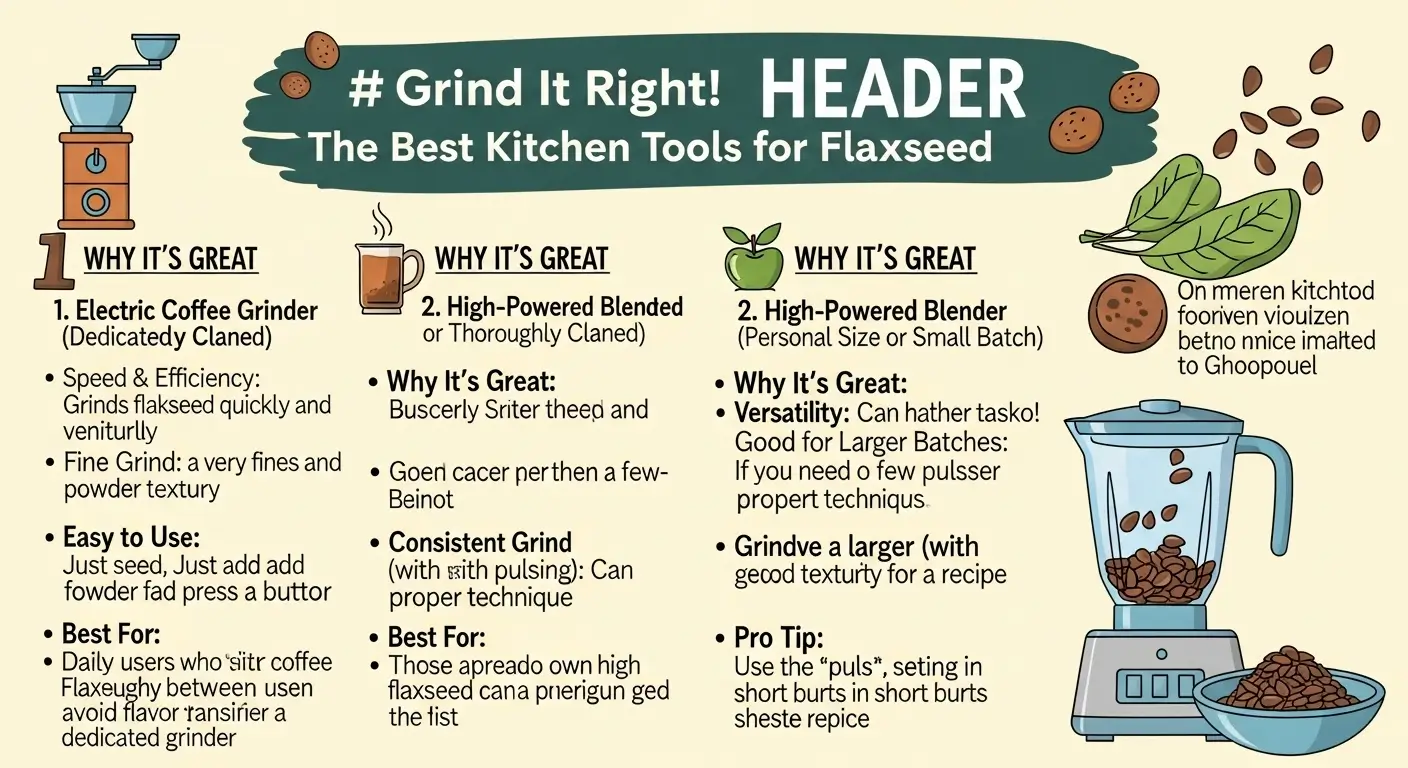
A coffee grinder is a top choice for grinding flaxseed. It’s designed to handle hard seeds and nuts, so flaxseed doesn’t stand a chance. The fine, even grind you get from a coffee grinder is perfect for adding to smoothies, baking, or sprinkling over salads.
One tip: clean your coffee grinder well before and after use to avoid flavor mixing. I once ground flaxseed after coffee, and my morning brew tasted oddly nutty! A quick wipe or grinding some rice can clear out leftovers.
Do you prefer small, frequent batches? Coffee grinders excel at grinding just a few tablespoons at a time, making them ideal for daily use without wasting flaxseed.
Blender
Blenders offer more versatility if you want to grind larger quantities of flaxseed. They can handle seeds in bulk and are great if you plan to mix flaxseed directly into shakes or batters.
However, not all blenders grind flaxseed equally well. High-speed blenders with a strong motor work best for a fine grind. Lower-powered blenders may leave you with a coarser texture, which might still be fine depending on your recipe.
Think about your kitchen setup: if you already own a good blender, it might be worth testing it first before buying a separate grinder. Have you tried blending flaxseed with other ingredients? It’s a simple way to boost your meals without extra steps.
Specialized Flaxseed Grinders
Specialized flaxseed grinders are designed to grind flaxseeds efficiently. They offer a simple way to get fresh flaxseed meal at home. These grinders provide a consistent texture, which helps retain the nutritional benefits of flaxseeds.
Using a specialized grinder saves time and effort compared to manual methods. They are built to handle small, hard seeds like flaxseed without clogging or overheating. This keeps the flaxseed oils fresh and prevents loss of flavor.
Electric Flaxseed Grinders
Electric grinders are fast and easy to use. They usually have a small, powerful motor that quickly crushes flaxseeds. You only need to press a button, and the grinder does the work.
They offer adjustable settings for different grind sizes. Some models come with safety features and easy cleanup options. Electric grinders are ideal for daily use and larger quantities.
Manual Flaxseed Grinders
Manual grinders are simple and affordable. They often look like small hand mills or crank grinders. You turn a handle to crush the flaxseeds inside.
These grinders do not need electricity, making them portable. They work well for small amounts of flaxseed. Manual grinders also allow better control over the grind size.
Features To Consider In Specialized Grinders
- Grinding speed and power
- Ease of cleaning and maintenance
- Size and portability
- Durability and material quality
- Adjustable grind settings
:max_bytes(150000):strip_icc()/faw-tier-3-oxo-good-grips-radial-pepper-mill-0-443017ee0d6f4bf2a13a7ed997bcc172.jpeg)
Credit: www.foodandwine.com
Comparing Tools
Choosing the right tool for grinding flaxseed is key for fresh, nutritious meals. Different tools offer unique benefits and drawbacks. Comparing them helps find the best fit for your kitchen needs. Focus on how well they grind and how easy they are to clean.
Performance
Grinding flaxseed needs a tool that crushes seeds finely and quickly. A good grinder produces a consistent texture without overheating the seeds. Manual grinders give control but take time and effort. Electric grinders work fast and handle larger amounts easily. Some tools may leave bigger pieces, which reduce nutrient absorption. Choose a tool that matches your daily flaxseed use and desired texture.
Ease Of Cleaning
Cleaning affects how often you use the tool. Tools with simple parts and smooth surfaces are easier to wash. Electric grinders can have small crevices that trap seeds, making cleaning tough. Manual grinders usually have fewer parts, so they clean faster. Dishwasher-safe tools save time. Avoid tools that need special brushes or take long to dry. Clean tools keep flaxseed fresh and prevent old residue from mixing with new seeds.
Tips For Effective Grinding
Grinding flaxseed properly can make a big difference in how you get the most nutrients and flavor from it. If you’ve ever ended up with a clumpy mess or a powder that’s too coarse, you know the frustration. Let’s look at some practical tips that can help you grind flaxseed effectively and easily.
Choose The Right Tool For Your Needs
Not all kitchen gadgets handle flaxseed equally well. A coffee grinder or a dedicated spice grinder often gives you a fine, consistent powder quickly. If you don’t have one, a high-speed blender can work, but it might take more effort and produce uneven results.
Think about how often you’ll grind flaxseed. If it’s daily, investing in a small electric grinder could save you time and hassle.
Grind Small Batches For Freshness
Grinding flaxseed in small amounts keeps it fresh and prevents the oil from turning rancid. I used to grind a whole cup at once, but the leftover powder lost its flavor fast.
Try grinding just what you need for a day or two. This keeps the taste vibrant and the nutrients intact.
Keep Your Grinder Clean
Flaxseed oil can leave a residue that affects future grinds. After each use, wipe your grinder thoroughly to avoid buildup. A quick pulse with some uncooked rice can help absorb oils and clean the blades.
Regular cleaning not only extends your tool’s life but also keeps your flaxseed powder tasting fresh.
Adjust Grind Time For Desired Texture
Do you prefer a coarse texture for sprinkling on salads or a fine powder for baking? Adjust your grinding time accordingly. Short bursts produce a rough grind, while longer pulses give you a smooth flour-like consistency.
Experiment with timing to find what suits your recipes best.
Store Ground Flaxseed Properly
Once ground, flaxseed can spoil quickly if not stored right. Use an airtight container and keep it in the fridge or freezer. This slows down oxidation and keeps it fresh for weeks.
Have you noticed a bitter taste in flaxseed powder? That usually means it’s gone bad. Proper storage helps you avoid wasting your efforts.

Credit: www.amazon.ca
Maintaining Grinding Tools
Maintaining grinding tools is essential for grinding flaxseed effectively. Clean tools work better and last longer. Proper care keeps the blades sharp and the machine running smoothly. Neglecting maintenance can cause poor grinding and damage the tool.
Cleaning After Each Use
Remove leftover flaxseed from the grinder immediately. Use a small brush to clear the blades and crevices. Avoid water on electric grinders; use a dry cloth instead. Clean tools prevent clogging and keep the grind consistent.
Sharpening Blades Regularly
Dull blades make grinding harder and less efficient. Check blades often for sharpness. Use a sharpening tool suitable for your grinder type. Sharp blades produce finer flaxseed powder and save time.
Proper Storage
Store grinding tools in a dry place. Moisture can cause rust and damage parts. Cover the grinder to protect it from dust. Keep the tool away from heavy items to avoid damage.
Routine Inspection
Inspect the grinder for loose parts or wear. Tighten screws and bolts as needed. Look for cracks or damage in plastic or metal parts. Regular checks prevent breakdowns and keep the tool safe.
Reader Recommendations
When it comes to grinding flaxseed, hearing directly from readers offers valuable insights that go beyond product descriptions. These recommendations come from real experiences, highlighting what works best in everyday kitchens. Let’s dive into some popular tools that readers swear by for grinding flaxseed efficiently and effectively.
Electric Coffee Grinders
Many readers find electric coffee grinders perfect for grinding flaxseed quickly. The small, sharp blades handle flaxseed well, turning it into a fine powder in seconds. One reader shared how their inexpensive grinder saved them time every morning, making it easy to add fresh flaxseed to smoothies or oatmeal.
Electric grinders are especially handy if you grind flaxseed often. Just remember to clean the grinder thoroughly to avoid flavor mixing with coffee or spices.
Manual Spice Grinders
If you prefer a quieter, hands-on approach, manual spice grinders are a top pick. Readers appreciate the control they get over the grind size, which can range from coarse to fine. A reader mentioned how using a manual grinder gave them a sense of connection to their food and helped avoid over-processing.
These grinders are portable and don’t require electricity, making them ideal for small kitchens or travel.
Blender Or Food Processor
Blenders and food processors are common in many kitchens, and readers often use them to grind flaxseed in small batches. While they may not produce as fine a grind as dedicated grinders, they work well if you already own one. One reader pointed out that pulsing the seeds in short bursts prevents overheating and preserves nutrients.
These tools are versatile but may require transferring the ground flaxseed to another container for storage.
Mortar And Pestle
A few readers prefer the traditional mortar and pestle for grinding flaxseed manually. Though it takes more effort, this method allows you to grind exactly the amount you need. Someone shared that the slow grinding process helps maintain the seed’s aroma and flavor better than high-speed machines.
It’s a great option if you want to take your time and enjoy the process, but it may not suit everyone’s pace or batch size.
What’s Your Go-to Tool?
Have you tried any of these tools for grinding flaxseed? Which one fits your kitchen routine best? Share your experience—your favorite tool might be just what another reader needs to make their flaxseed prep easier and more enjoyable.
Frequently Asked Questions
What Is The Best Tool For Grinding Flaxseed?
A coffee grinder is the best tool for grinding flaxseed. It provides a fine, even grind quickly. This tool preserves the nutrients and oils in flaxseed for optimal health benefits.
Can I Use A Blender To Grind Flaxseed?
Yes, a high-speed blender can grind flaxseed effectively. It may not produce as fine a texture as a grinder, but it works well for most recipes requiring ground flaxseed.
How Does A Manual Grinder Compare For Flaxseed?
Manual grinders work well for small amounts of flaxseed. They require more effort but offer control over grind size. Perfect for those who prefer a hands-on, quiet grinding method.
Why Avoid Pre-ground Flaxseed?
Pre-ground flaxseed loses nutrients faster due to oxidation. Grinding flaxseed fresh preserves its omega-3 oils and antioxidants. Using a grinder ensures maximum freshness and health benefits.
Conclusion
Choosing the right tool makes grinding flaxseed easy and quick. A good grinder saves time and keeps nutrients fresh. Manual grinders work well for small amounts. Electric grinders handle larger batches fast. Always pick a tool that fits your needs and budget.
Freshly ground flaxseed adds flavor and health benefits to meals. Try different tools to find what feels best. Enjoy the process and the tasty results every time.
