
Choosing the right flooring for your kitchen can feel overwhelming. After all, your kitchen is one of the busiest rooms in your home.
You want a floor that looks great, stands up to spills, and stays comfortable underfoot. But with so many options, how do you know which one is best for your space? You’ll discover the top flooring choices that combine style, durability, and ease of care.
By the end, you’ll feel confident picking the perfect floor that fits your lifestyle and makes your kitchen shine. Keep reading to find out what suits your needs best!
Credit: www.cypresscab.com
Popular Kitchen Flooring Options
Choosing the right flooring for your kitchen affects style and daily use. Popular kitchen flooring options offer a mix of durability, comfort, and ease of cleaning. Each type suits different needs and kitchen designs. Explore these common choices to find the best fit for your home.
Hardwood Flooring
Hardwood floors bring warmth and natural beauty to kitchens. They are durable and can be refinished to remove scratches. These floors need sealing to resist water damage. Hardwood adds value and blends well with many decor styles.
Tile Flooring
Tile flooring is highly durable and water-resistant. It comes in many colors, shapes, and sizes. Tiles are easy to clean and handle spills well. They can feel cold and hard underfoot but offer great longevity.
Vinyl Flooring
Vinyl floors are affordable and water-resistant. They come in many designs, including wood and stone looks. Vinyl is soft and comfortable to stand on for long periods. It is easy to maintain and ideal for busy kitchens.
Laminate Flooring
Laminate mimics the look of wood or stone at a lower cost. It resists scratches and stains well. Laminate is easy to clean but less resistant to water damage. It suits kitchens with moderate moisture and foot traffic.
Natural Stone Flooring
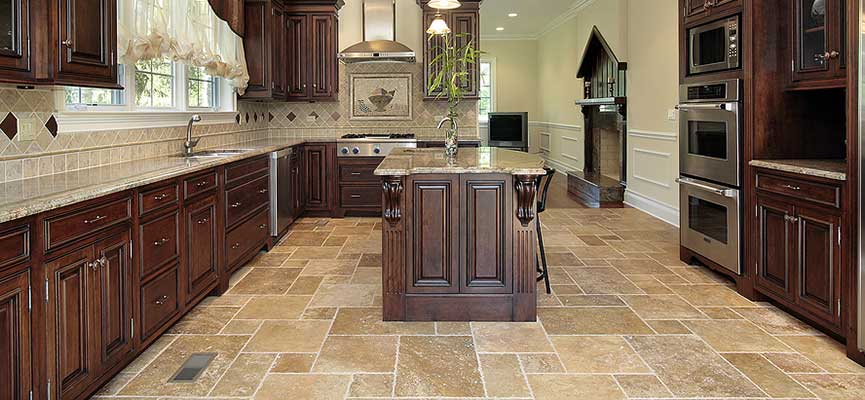
Stone floors offer a unique, elegant look. They are very durable but need sealing to prevent stains. Stone feels cool and can be slippery when wet. It works well in kitchens with a rustic or high-end style.
Cork Flooring
Cork is soft and warm underfoot. It absorbs sound and offers good insulation. Cork resists mold and mildew but can dent from heavy objects. It is a comfortable choice for those standing long hours cooking.
Concrete Flooring
Concrete floors are strong and long-lasting. They can be stained or polished for a modern look. Concrete is easy to clean but can be hard on feet and joints. It suits contemporary kitchens with industrial designs.
Durability And Maintenance
Durability and maintenance are key factors for kitchen flooring. Kitchens face heavy foot traffic, spills, and dropped items. Flooring must handle these challenges without losing its look or function. Choosing the right material helps save time and money on repairs. Easy cleaning keeps the kitchen hygienic and inviting. Each flooring type offers unique strengths in durability and care.
Resistance To Water And Stains
Water spills are common in kitchens. Some floors resist water better than others. Ceramic tiles and vinyl floors do well against moisture. Wood floors can warp or stain if water sits too long. Stone floors vary; granite resists stains well but marble needs sealing. Stain resistance protects floors from common kitchen messes like sauces and oils.
Scratch And Impact Resistance
Kitchen floors face scratches from chairs and dropped utensils. Hard surfaces like tile and stone resist scratches best. Vinyl and laminate offer moderate resistance but can dent. Hardwood floors show scratches more easily but can be refinished. Impact resistance means floors stay smooth and safe despite daily kitchen activities.
Cleaning Tips For Each Material
- Ceramic Tile:Sweep or vacuum regularly. Mop with mild detergent and water.
- Vinyl:Use a damp mop and gentle floor cleaner. Avoid abrasive scrubbing.
- Hardwood:Sweep daily. Use wood floor cleaner. Wipe spills quickly to avoid damage.
- Laminate:Dry mop or vacuum. Clean with a damp cloth and laminate cleaner.
- Stone:Sweep often. Mop with pH-neutral cleaner. Seal periodically to protect surface.
Comfort And Safety
Comfort and safety are essential factors in choosing kitchen flooring. The kitchen is a busy space where you often stand for long periods. The right floor keeps you safe and reduces fatigue. It also prevents accidents like slips and falls. Flooring that feels good underfoot makes cooking and cleaning more enjoyable.
Slip Resistance
Floors in kitchens must resist slipping. Spills happen often, making surfaces wet and slippery. Materials like textured vinyl, rubber, and certain tiles offer better grip. Avoid glossy finishes that increase the risk of falls. Choosing slip-resistant flooring helps protect everyone in the home.
Comfort Underfoot
Standing on hard floors can cause tired feet and legs. Softer materials like cork and vinyl provide cushioning. These floors reduce strain and make long cooking sessions easier. Adding mats in work areas also improves comfort. Think about how much time you spend standing.
Temperature And Noise Considerations
Kitchen floors can feel cold, especially in winter. Wood and cork floors stay warmer than tiles. Warm floors add to comfort during chilly days. Noise is another factor; hard surfaces amplify footsteps and dropped items. Softer floors absorb sound, creating a quieter kitchen environment.
Style And Aesthetics
Choosing kitchen flooring affects the room’s look and feel. Durable materials like tile or vinyl blend style with easy cleaning. Flooring should match your kitchen’s design while standing up to daily wear.
When choosing the perfect flooring for your kitchen, style and aesthetics play a pivotal role. Your kitchen is more than just a space for cooking; it’s a central hub where family gatherings and memorable meals unfold. The flooring you choose should not only complement the functionality but also reflect your personal taste and the overall design of your home. Let’s dive into the style elements that can transform your kitchen flooring from ordinary to extraordinary.Color And Pattern Options
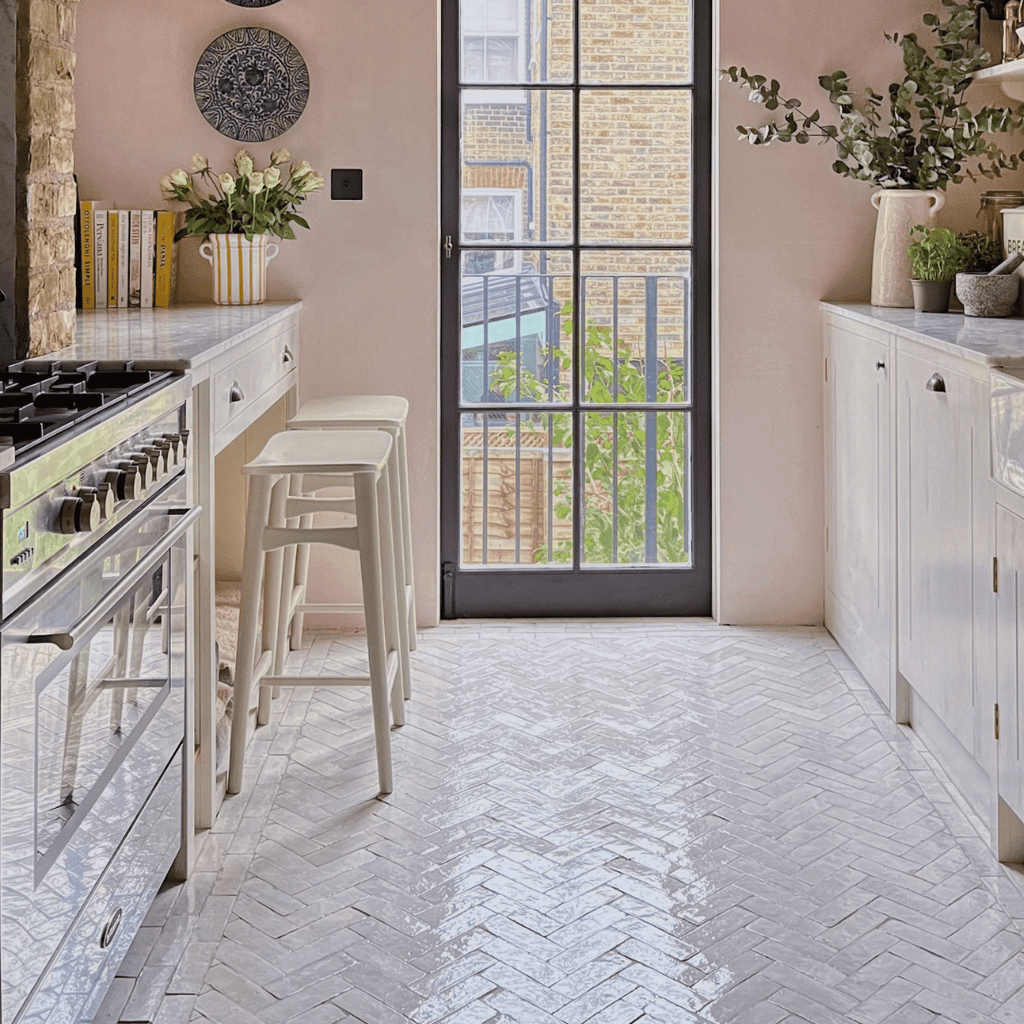
The color and pattern of your kitchen flooring can set the tone for the entire space. Bold colors can energize the room, while neutral tones often provide a calming backdrop. If you enjoy a pop of color, consider vibrant tiles or a patterned linoleum that can add character without overwhelming the space. Patterns can also influence the room’s dynamics. Herringbone or checkerboard can bring a sophisticated touch, while geometric patterns may offer a modern vibe. It’s essential to align these choices with your personal style and the feel you want to evoke in your kitchen.Matching Kitchen Design
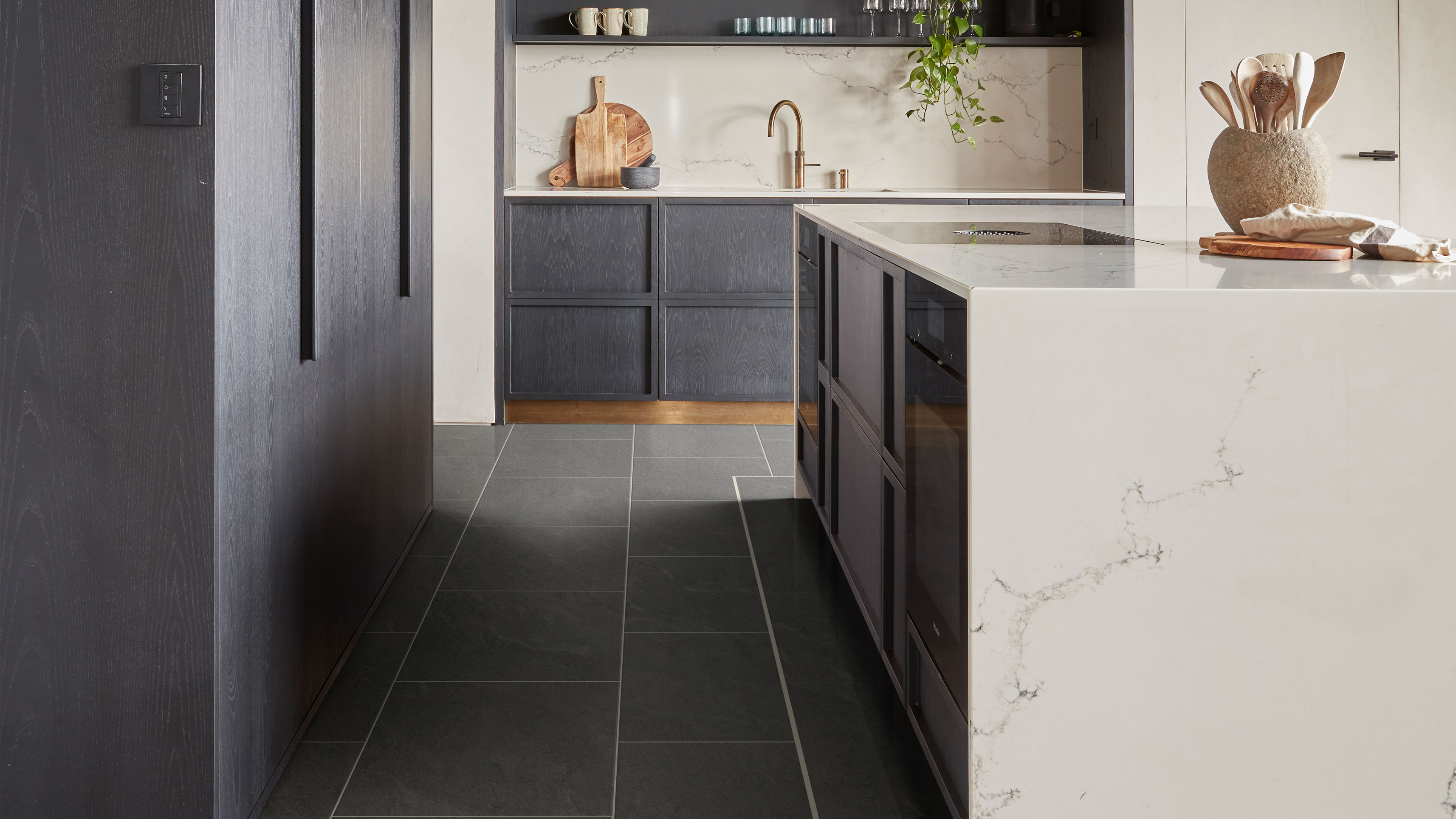
Your kitchen design should dictate the flooring choice to create a cohesive look. Do you have rustic wooden cabinetry? Pair it with wood-look tiles to maintain the theme without compromising durability. For a minimalist kitchen with sleek lines, consider polished concrete or smooth stone tiles. Think about how the flooring can seamlessly integrate with countertops, cabinets, and even the appliances. The goal is to harmonize the elements, giving the room a balanced and inviting appearance.Timeless Vs Trendy Choices
Are you leaning towards a timeless design or are you tempted by the latest trends? Timeless flooring options, like classic hardwood or neutral ceramic tiles, can offer longevity and adaptability as trends evolve. They serve as a blank canvas for other kitchen elements and are often easier to maintain. On the other hand, trendy flooring can add a contemporary flair and make your kitchen stand out. Consider if you’re ready to update the flooring regularly to keep pace with changing styles. Would you prefer a floor that complements evolving trends or one that withstands the test of time? Your choice depends on how often you plan to refresh your kitchen’s look and your willingness to invest in future updates.Cost And Installation
Cost and installation are key factors when choosing kitchen flooring. They affect your budget and the time needed to complete the project. Understanding these helps pick the best option for your needs.
Material Costs
Flooring materials vary widely in price. Vinyl and laminate usually cost less. Hardwood and natural stone tend to be more expensive. Budget-friendly options suit small projects or rentals. Premium materials add value and style to your home.
Installation Complexity
Some floors are easy to install yourself. Click-lock vinyl or laminate panels fit together fast. Tile and hardwood often need professional installation. Complex patterns or uneven floors increase difficulty. Consider labor costs and time before choosing.
Long-term Value
Durability affects overall value. Cheap floors may need replacement sooner. High-quality materials last longer and resist damage. Easy maintenance saves money on cleaning and repairs. Investing more upfront can reduce future costs.
Eco-friendly Flooring Choices
Eco-friendly flooring choices offer a smart way to create a kitchen that is both stylish and kind to the planet. These options focus on using natural, recycled, and low-toxicity materials. They reduce waste and improve indoor air quality. Choosing sustainable flooring can also save energy and resources over time.
Sustainable Materials
Floors made from sustainable materials come from sources that renew quickly. Bamboo and cork are popular examples. Bamboo grows fast and needs little water. Cork is harvested from tree bark without cutting the tree down. Both materials provide durability and a warm look for kitchens.
Recycled Content Options
Recycled flooring uses materials that would otherwise go to waste. Vinyl tiles and glass tiles often contain recycled content. Reclaimed wood planks give kitchens a unique, rustic feel. These options help reduce landfill waste and conserve natural resources.
Low Voc Finishes
Low VOC (Volatile Organic Compounds) finishes keep indoor air cleaner. They release fewer harmful chemicals during and after installation. Choosing low VOC sealants and adhesives improves health and safety. Many eco-friendly floors come prefinished with these safer coatings.
Flooring For Different Kitchen Types
Choosing the right flooring depends on the kitchen type. Each kitchen has unique needs that affect flooring choice. Consider space, traffic, and design style before deciding. The perfect floor balances beauty, durability, and comfort.
Small Kitchens
Small kitchens need flooring that makes the space feel larger. Light colors and simple patterns open up the room visually. Vinyl and laminate floors offer affordable, easy-to-clean options. They resist stains and moisture, which is crucial in small areas.
Open-concept Kitchens
Open-concept kitchens flow into living spaces. Flooring should match or complement adjacent rooms for a smooth look. Hardwood and luxury vinyl plank (LVP) work well here. Both provide warmth and style while handling kitchen spills.
High-traffic Kitchens
High-traffic kitchens require tough, long-lasting floors. Tile and natural stone are excellent choices. They resist scratches and stains and clean easily. Consider cushioned vinyl for comfort underfoot during long cooking sessions.
Credit: www.homesandgardens.com

Credit: www.arkoflooring.com
Frequently Asked Questions
What Is The Most Durable Kitchen Flooring Type?
Porcelain tile is highly durable and water-resistant. It withstands heavy foot traffic and spills, making it ideal for kitchens. Its hardness resists scratches and stains, ensuring long-lasting performance in busy cooking areas.
Which Kitchen Flooring Is Easiest To Clean?
Vinyl flooring is easy to clean and maintain. It resists stains and water, requiring only simple sweeping and mopping. This makes it a practical choice for busy kitchens where quick cleaning is essential.
Are Hardwood Floors Good For Kitchens?
Hardwood floors add warmth and style but need extra care. They can scratch and warp if exposed to water. Regular sealing and prompt cleaning of spills help protect them in kitchen environments.
What Is The Most Budget-friendly Kitchen Flooring?
Laminate flooring offers an affordable, stylish option for kitchens. It mimics wood or tile at a lower cost and is easy to install. Laminate is also fairly durable, making it a cost-effective choice.
Conclusion
Choosing the right kitchen flooring can make cooking more enjoyable. Durable and easy-to-clean floors suit busy kitchens best. Think about comfort, style, and budget when deciding. Popular options include tile, vinyl, and hardwood. Each type has its own benefits to fit your needs.
Take time to compare materials before you buy. The perfect floor will last for years to come. A smart choice keeps your kitchen looking great daily. Your kitchen deserves a floor that works well and looks nice.
