
Are you tired of your stainless steel items rusting or not lasting as long as they should? You’re not alone.
The truth is, not all stainless steel is created equal, and the type you choose can make all the difference in durability, aesthetics, and performance. Whether you’re selecting kitchen appliances, cutlery, or industrial materials, knowing which stainless steel is best can save you time, money, and frustration.
Imagine the peace of mind knowing you’ve chosen the right material that stands the test of time, looks great, and offers unmatched reliability. Intrigued? Keep reading to discover the best stainless steel for your needs and ensure you’re making an informed decision that you won’t regret.
Types Of Stainless Steel
Stainless steel is a versatile material. It has a variety of uses in industries. Different types of stainless steel offer unique properties. Each type is suited for specific applications. Understanding these types helps in selecting the right one for your needs.
Austenitic Stainless Steel
Austenitic stainless steel is the most common type. It contains high levels of chromium and nickel. This makes it highly resistant to corrosion. It is non-magnetic and easy to form and weld. Common examples include 304 and 316 grades. It is used in kitchenware, chemical containers, and building facades.
Ferritic Stainless Steel
Ferritic stainless steel contains lower nickel than austenitic types. It is magnetic and has a good resistance to stress corrosion. Commonly used in automotive and industrial applications. It offers moderate corrosion resistance. Examples include the 409 and 430 grades. It is often found in exhaust systems and appliances.
Martensitic Stainless Steel
Martensitic stainless steel is known for its hardness. It contains higher carbon content. This makes it suitable for cutting tools and blades. It is magnetic and offers moderate corrosion resistance. Examples include the 410 and 420 grades. It is often used in knives and surgical instruments.
Duplex Stainless Steel
Duplex stainless steel combines austenitic and ferritic structures. This offers high strength and excellent corrosion resistance. It is often used in chemical processing and oil and gas industries. It offers twice the strength of austenitic stainless steels. Common grades include 2205 and 2507. It is ideal for harsh environments.
:max_bytes(150000):strip_icc()/ses-primary-stainless-cookware-sets-rkilgore-01-54cc53feba5748cdab8db4719de942ae.jpg)
Credit: www.thespruceeats.com
Key Properties To Consider
Choosing the best stainless steel for your needs involves weighing several key properties. Each property plays a crucial role in determining how suitable a particular type of stainless steel is for your specific application. Let’s dive into some essential aspects you should consider.
Corrosion Resistance
Corrosion resistance is a primary reason why stainless steel is so popular. If you’ve ever struggled with rust on your kitchen knives, you know the value of a metal that withstands moisture. Stainless steels, like the 304 and 316 grades, offer excellent resistance to corrosion. They are ideal for environments that are wet or humid. Imagine using a stainless steel sink that doesn’t deteriorate over time. This property is especially important in marine applications where saltwater is a constant threat.
Strength And Durability
Strength and durability determine how well stainless steel can withstand physical stress. High-strength varieties, such as 410 and 420, are often used in cutlery and tools. Have you ever noticed how your stainless steel fork doesn’t bend easily? That’s durability at work. It’s crucial to pick a grade that matches the physical demands of your project. Whether you’re building a skyscraper or creating kitchenware, you need a material that can stand the test of time.
Temperature Resistance
Temperature resistance is vital for applications involving extreme heat or cold. Stainless steel grades like 310 and 321 can handle high temperatures without losing their integrity. Think about the safety of using stainless steel cookware on a hot stove. If your project involves heat, choose a grade that won’t warp or degrade. The right choice can save you from costly repairs or replacements down the line.
So, which property matters most to you? Your choice will depend on the environment and the stresses your stainless steel will face. Each application has its unique demands, making it essential to choose wisely. By focusing on corrosion resistance, strength, and temperature resistance, you can make an informed decision that ensures longevity and effectiveness. What challenges have you faced when choosing materials for a project?
Applications In Various Industries
Stainless steel is a versatile material that finds applications across a wide range of industries due to its durability, resistance to corrosion, and aesthetic appeal. Selecting the right type of stainless steel is crucial for ensuring optimal performance in specific environments and tasks. Understanding where stainless steel shines can help you make informed decisions for your projects. Let’s dive into its use in various industries.
Automotive Industry
In the automotive industry, stainless steel is a go-to choice for parts that must endure high stress and harsh conditions. Exhaust systems, trim pieces, and engine components benefit from stainless steel’s ability to resist heat and corrosion. Its sleek finish also adds an aesthetic touch to the vehicle. Imagine driving a car with a stainless steel exhaust that not only performs well but also looks great. Does your vehicle have stainless steel parts that you trust for both performance and style?
Construction And Architecture
Stainless steel is a staple in construction and architecture due to its strength and modern appearance. It’s used in everything from structural supports to decorative elements. Buildings with stainless steel structures tend to last longer and look stunning. Think of skyscrapers with shiny facades that gleam under the sun. Would you consider using stainless steel in your next construction project for its durability and aesthetic appeal?
Food And Beverage Processing
In food and beverage processing, hygiene is paramount. Stainless steel is favored for its non-reactive nature, ensuring food safety and cleanliness. Equipment like mixers, storage tanks, and countertops rely on stainless steel for a contamination-free environment. Imagine working in a kitchen where every surface is easy to clean and safe for food prep. Isn’t it comforting knowing your food is processed on stainless steel surfaces?
Medical Equipment
Medical equipment demands materials that are not only strong but also sterile. Stainless steel is perfect for surgical instruments, implants, and hospital furniture. Its non-corrosive properties are vital for tools that need frequent sterilization. Picture a hospital room equipped with stainless steel fixtures that are both reliable and safe. How critical is it for medical devices to be made from materials you can trust with your health?
Understanding the applications of stainless steel in various industries can guide you in choosing the right type for your needs. Whether it’s for durability, safety, or aesthetics, stainless steel offers solutions that meet a diverse range of demands. Could stainless steel be the answer to your industry-specific challenges?

Credit: www.strapcode.com
Comparing Grades Of Stainless Steel
Stainless steel is a versatile material with a variety of grades, each tailored for specific applications. Choosing the right grade can significantly impact the performance and longevity of your projects. Let’s dive into a comparison of different stainless steel grades to help you make informed decisions.
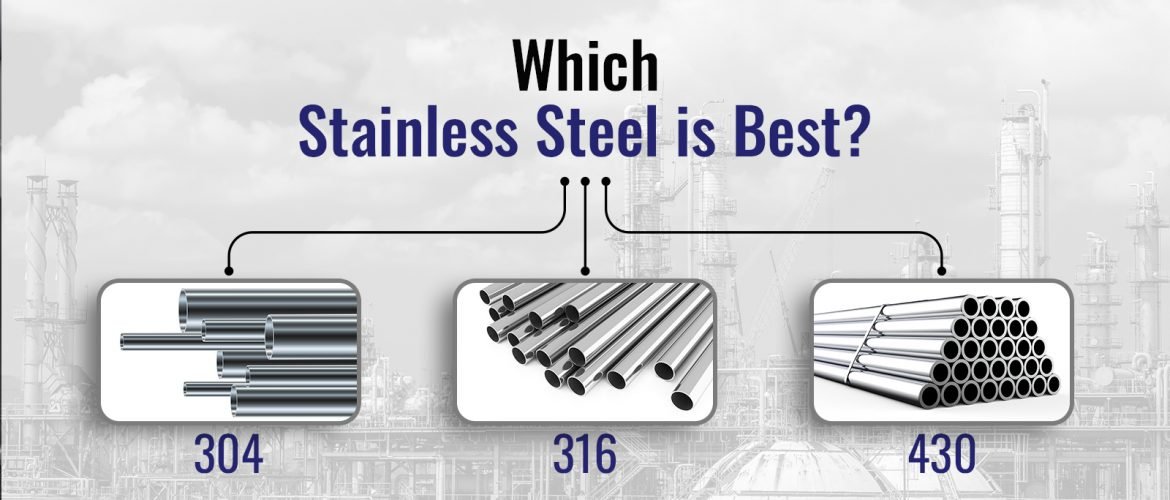
304 Vs 316
304 stainless steel is a popular choice due to its excellent corrosion resistance and affordability. It’s widely used in kitchen appliances, food processing equipment, and architectural applications. However, if your project involves exposure to harsh chemicals or saltwater, 316 might be a better option.
316 stainless steel contains molybdenum, which enhances its resistance to pitting and corrosion in more aggressive environments. Think marine applications or chemical processing plants. Have you ever wondered why some stainless steel holds up better than others in coastal areas? The secret often lies in choosing 316 over 304.
410 Vs 430
410 stainless steel is known for its high strength and hardness, making it suitable for applications like cutlery and surgical instruments. It can be heat-treated for added durability. However, its corrosion resistance is lower compared to other grades.
On the other hand, 430 stainless steel offers better corrosion resistance and is often used in decorative applications like automotive trim and home appliances. If you need a material that is magnetic and has good formability, 430 might be your go-to choice.
2205 Vs 2507
Duplex stainless steels like 2205 and 2507 combine the best of both worlds: strength and corrosion resistance. 2205 is ideal for environments where high strength and good corrosion resistance are required, such as in the oil and gas industry.
2507 offers even greater strength and corrosion resistance, particularly in extreme environments. Are you dealing with high-temperature or high-pressure conditions? 2507 might just be the robust solution you need.
Choosing the right stainless steel grade is crucial for the success of your project. Consider the environment, the required durability, and your budget. Which grade will you choose for your next project?
Cost And Availability
Choosing the best stainless steel involves understanding its cost and availability. Different grades have varying prices and are sourced from diverse suppliers. This section explores the factors influencing price and sourcing options.
Price Factors
Several elements affect the price of stainless steel. The grade plays a significant role. Higher-grade steels like 316 are typically more expensive. The alloy content impacts cost, with nickel and molybdenum adding to the price. Manufacturing processes also influence pricing. The origin of the steel can affect its price. Steel from certain countries might be cheaper due to lower production costs. Demand in the market dictates prices too. High demand often leads to higher costs.
Sourcing Options
Stainless steel is sourced from various suppliers worldwide. Major producers include countries like China, India, and the United States. These countries offer different quality standards and pricing. Local suppliers often provide quicker delivery times. Imported options might offer cost savings. Online marketplaces are a convenient source. They provide access to multiple suppliers and competitive pricing. Local distributors offer personalized service and support. Choosing the right supplier depends on your needs and budget.
:max_bytes(150000):strip_icc()/sea-primary-stainless-steel-skillets-jan-25-rkilgore-0699-4df4b200ea9e420080bbe1fc47c3faee.jpeg)
Credit: www.seriouseats.com
Maintenance And Care
Stainless steel needs proper maintenance for long-lasting beauty and performance. Careful attention ensures the surface stays clean and free of damage. Regular upkeep prevents corrosion and keeps the material looking new.
Cleaning Techniques
Use mild soap and warm water for routine cleaning. A soft cloth or sponge works best. Avoid using steel wool or brushes. They can scratch the surface. For tough stains, use a mixture of baking soda and water. Gently rub the area, then rinse thoroughly. Dry with a clean towel to prevent water spots.
Preventing Corrosion
Keep stainless steel dry to avoid corrosion. Moisture can lead to rust. Wipe spills immediately to prevent damage. Use a protective coating for added resistance. Apply a thin layer of oil or wax. This creates a barrier against moisture and air. Avoid using harsh chemicals. They can damage the protective layer and lead to corrosion. Regular inspection helps catch potential issues early.
Environmental Impact
Selecting the right stainless steel can minimize environmental harm. Type 304 stainless steel offers durability and resistance, reducing the need for replacements. Its recyclable nature aids in lessening waste and conserving resources.
When choosing stainless steel, the environmental impact is a crucial factor. With growing concerns about sustainability, understanding how different types of stainless steel affect the environment can guide your choices. Consider the entire lifecycle of the material, from production to disposal, to determine its true ecological footprint.Sustainability Factors
Stainless steel is renowned for its durability, which inherently makes it a sustainable choice. Its longevity means fewer replacements over time, reducing waste. Additionally, stainless steel production processes have advanced, utilizing less energy and emitting fewer pollutants. Imagine how your stainless steel appliances last for decades with minimal wear. This longevity reduces the need for frequent manufacturing, conserving resources. Ask yourself, isn’t it better to have something that lasts than constantly replace it?Recycling And Reusability
One of stainless steel’s greatest environmental benefits is its recyclability. Did you know that stainless steel is 100% recyclable? The material can be reused without losing quality, making it a champion for eco-friendly practices. Consider the impact when you throw away a stainless steel item. Instead of ending up in a landfill, it can be melted down and transformed into a new product. This cycle of reusability significantly reduces environmental harm. Wouldn’t you prefer a material that contributes to a circular economy? Understanding these aspects can help you make informed choices about which stainless steel options align with your environmental values. Choose wisely, and you contribute to a healthier planet.Frequently Asked Questions
Which Is Better 304 Or 316 Stainless Steel?
316 stainless steel is more corrosion-resistant than 304 due to its molybdenum content. It’s better for marine and chemical environments. 304 is suitable for general purposes and is less expensive. Choose based on your specific needs and budget.
Which Is Better, 18 0 Or 18 8 Or 18 10 Stainless Steel?
18/10 stainless steel is better for durability and corrosion resistance. It contains 18% chromium and 10% nickel, enhancing strength and shine. 18/8 is also good but has slightly less nickel content. 18/0 lacks nickel, making it less resistant to corrosion.
Choose based on your needs for longevity and quality.
Which Is Better, 304 Or 420 Stainless Steel?
304 stainless steel is ideal for corrosion resistance and versatility. 420 stainless steel offers higher strength and hardness, making it suitable for cutting tools. Choose 304 for general use and resistance to rust. Select 420 for high-strength applications requiring cutting or wear resistance.
Is 304 Or 409 Stainless Steel Better?
304 stainless steel offers better corrosion resistance and durability, ideal for kitchen and outdoor applications. 409 stainless steel is more affordable and suitable for automotive exhausts and less corrosive environments. Choose 304 for longevity in harsh conditions and 409 for cost-effective, less demanding uses.
Conclusion
Choosing the right stainless steel is crucial. Different types suit different needs. Consider your budget and requirements. For kitchenware, 304 steel works well. It resists rust and is affordable. For industrial use, 316 steel is stronger. It handles high temperatures and chemicals.
For decorative use, 430 steel is ideal. It offers a shiny finish at a low cost. Always match the steel type to its purpose. This ensures durability and efficiency. Research and consult experts if needed. Picking wisely saves money and effort long-term.
Make informed decisions for the best results.
