
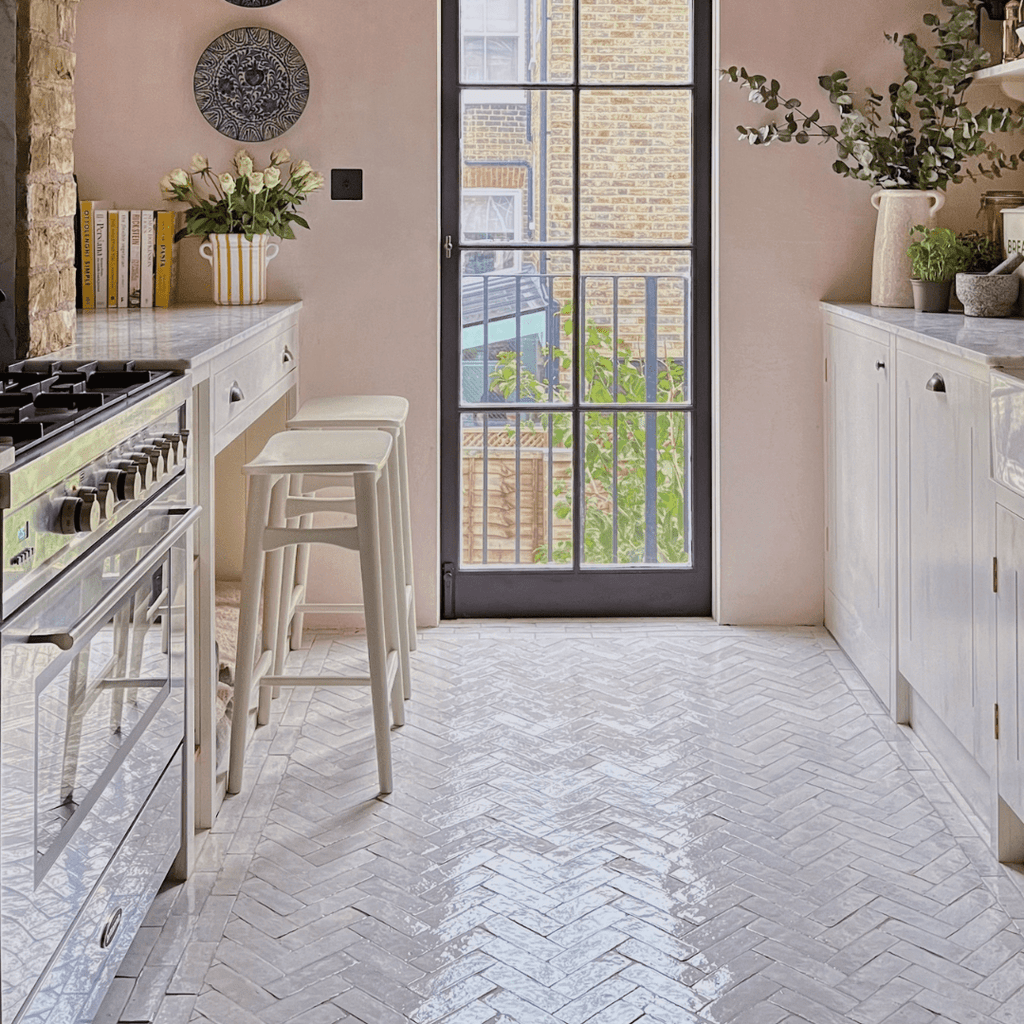
Choosing the right kitchen flooring can change the whole feel of your home. It’s not just about looks—your kitchen floor needs to handle spills, foot traffic, and daily wear without losing its charm.
You want something durable, easy to clean, and that matches your style perfectly. But with so many options out there, how do you know which one is best for your kitchen? Keep reading, and you’ll discover the key factors to consider, along with the top flooring choices that fit your needs and lifestyle.
By the end, you’ll feel confident making the perfect pick for your kitchen floor.
Durability Factors In Kitchen Flooring
Durability depends on how well the flooring resists water, scratches, and heavy foot traffic. Materials like tile and vinyl offer strong protection and long-lasting use in kitchens. Choosing flooring that handles spills and daily wear keeps your kitchen looking fresh.
Durability is a crucial factor when choosing kitchen flooring. Given the kitchen’s heavy foot traffic and exposure to spills and stains, you need a flooring option that withstands these challenges. Let’s explore some key durability factors to consider.Resistance To Moisture
Water is a constant presence in the kitchen, whether from cooking, cleaning, or spills. Your flooring must be able to resist moisture effectively. Consider materials like ceramic tiles, vinyl, and stone, which are excellent at keeping water at bay. Why not think about how often you spill water when washing dishes? Wouldn’t it be comforting to know your floor won’t warp or stain from a minor flood?Scratch And Stain Resistance
Kitchen floors are prone to scratches from dragging chairs or dropping utensils. Stain resistance is equally vital, especially with frequent spills of sauces and oils. Opt for flooring types like laminate or tile that offer strong resistance to scratches and stains. Imagine cooking without the worry of damaging your beautiful floor with a stray fork or a splash of red wine.Ease Of Maintenance
Nobody wants to spend hours scrubbing their kitchen floor. Choose a flooring that is easy to clean and maintain. Materials like vinyl and linoleum are renowned for their easy upkeep. Think about how often you clean your kitchen. Wouldn’t it be nice if a simple mop or wipe was all it took to keep your floor sparkling?Longevity And Wear
Investing in a durable floor means considering how long it will last. Hardwood, for instance, can last decades if properly maintained. Other materials like ceramic tiles also offer impressive longevity. How long do you plan to stay in your home? If you’re there for the long haul, wouldn’t it be wise to choose a floor that stands the test of time? Choosing the right kitchen flooring involves more than just style; it’s about finding a balance between aesthetics and durability. With these factors in mind, you’ll be well-equipped to make an informed decision. So, what will your kitchen floor story be?Popular Kitchen Flooring Materials
Choosing the right kitchen flooring material is key for style and function. Many options fit different budgets and tastes. Some materials handle spills and heavy use better. Others add warmth and charm to your kitchen space. Here are popular choices for kitchen floors that suit various needs.
Ceramic And Porcelain Tiles
Ceramic and porcelain tiles are durable and water-resistant. They come in many colors and patterns. Tiles are easy to clean and maintain. They stay cool underfoot, which helps in warm climates. These tiles can be slippery when wet. Adding textured finishes improves safety.
Vinyl Flooring
Vinyl flooring is affordable and soft underfoot. It resists water and stains well. Vinyl comes in sheets, planks, or tiles. Modern vinyl can mimic wood or stone looks. Installation is simple and fast. It works well in busy kitchens and rental homes.
Hardwood Floors
Hardwood adds natural beauty and warmth. It can increase your home’s value. Wood floors need sealing to protect from water. Scratches and dents may appear over time. Refinishing restores the surface and extends life. Choose harder wood species for kitchens.
Laminate Options
Laminate flooring offers a wood-like appearance at a lower cost. It is easy to install and clean. Laminate resists scratches and stains well. It is less water-resistant than vinyl or tile. Use moisture barriers under laminate in kitchens. Ideal for homeowners wanting style on a budget.
Natural Stone Choices
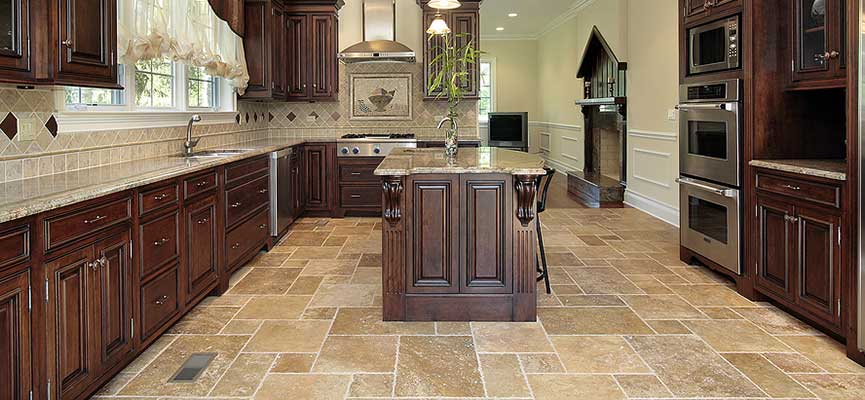
Natural stone such as granite, slate, and marble looks elegant and unique. Stone is very durable and long-lasting. It requires sealing to prevent stains and water damage. Stone feels cool and firm underfoot. It can be slippery when polished. Great for high-end kitchen designs.
Cork And Bamboo
Cork and bamboo are eco-friendly flooring options. Cork is soft, warm, and reduces noise. Bamboo is strong, durable, and moisture-resistant. Both materials add a natural, modern touch. Regular sealing helps protect from spills. Suitable for green homes and those seeking natural materials.
Comparing Costs And Installation
Choosing the right kitchen flooring involves more than style and durability. Cost and ease of installation play a big role. Different materials vary widely in price and installation effort. Understanding these factors helps in making a smart decision for your kitchen.
Material Costs
Kitchen flooring materials range from budget-friendly to premium options. Vinyl and laminate usually cost less per square foot. Hardwood and natural stone tend to be more expensive. Tile prices depend on the type and quality, varying from affordable ceramic to costly porcelain or marble.
- Vinyl: Low cost, often $2 to $5 per sq ft
- Laminate: Moderate, around $3 to $7 per sq ft
- Ceramic Tile: Mid-range, $5 to $10 per sq ft
- Hardwood: Higher, $8 to $15 per sq ft
- Natural Stone: Premium, $10 to $20+ per sq ft
Installation Complexity
Some flooring options require simple installation methods. Vinyl and laminate often feature click-lock systems for easy fitting. Tile and stone need careful cutting, grout work, and leveling. Hardwood requires precise nailing or gluing. Complexity affects the total cost and time needed.
Diy Vs Professional Installation
DIY installation can save money but demands skill and tools. Vinyl and laminate are popular for DIY because of easier installation. Tiles and hardwood usually need professionals for best results. Hiring experts ensures proper fitting and durability. Consider your skill level before deciding.
Style And Aesthetic Considerations
Choosing kitchen flooring is not just about durability or maintenance; style plays a huge role in how your kitchen feels and functions. The right floor can make your space inviting, bright, or cozy. Think about what kind of atmosphere you want to create every time you walk into your kitchen.
Color And Pattern Options
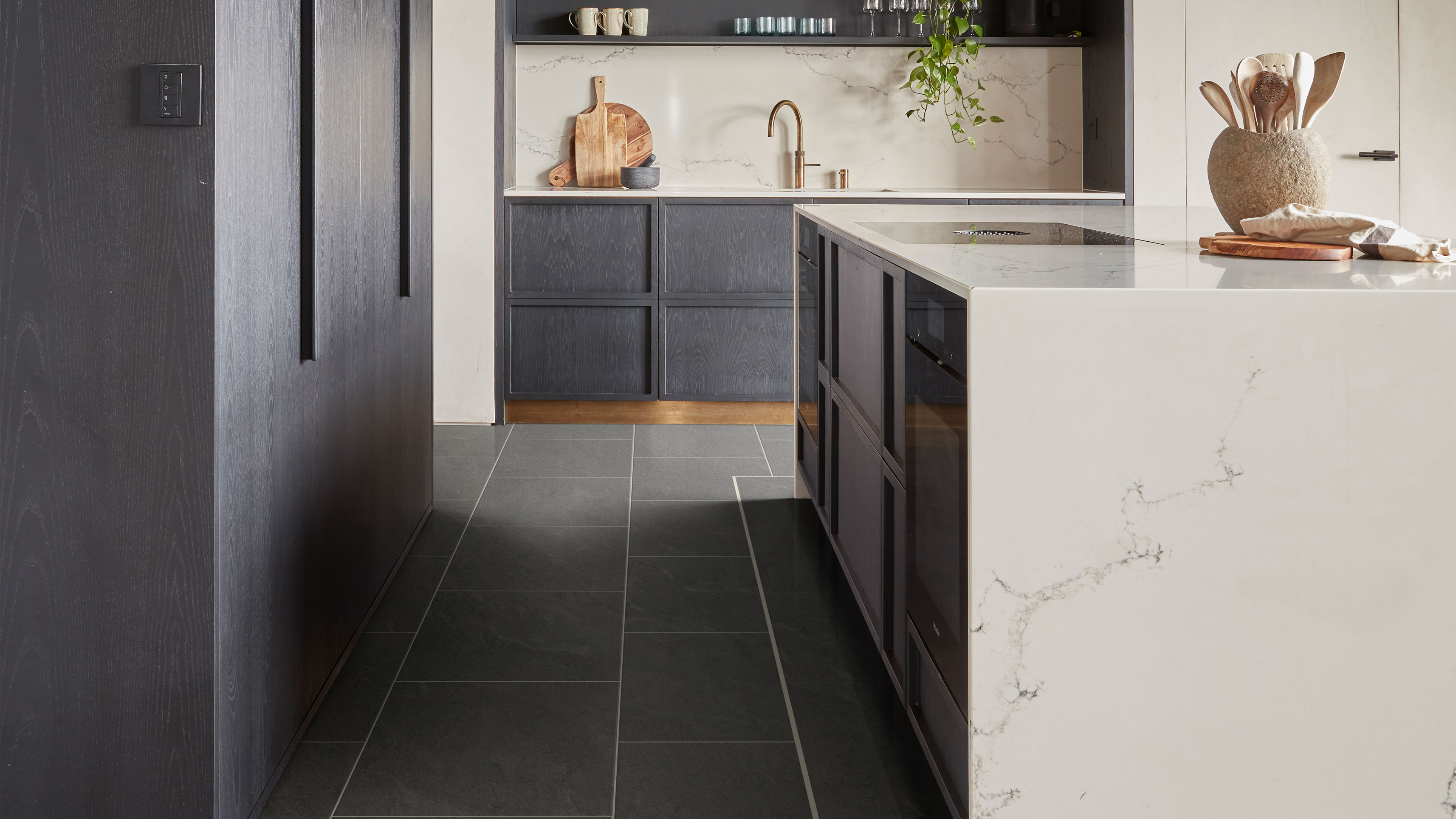
Colors set the tone of your kitchen. Light floors can make a small kitchen feel larger, while dark floors add warmth and depth. Patterns add personality—whether you prefer classic herringbone, bold geometric shapes, or simple planks.
Consider how color affects mood. Would you like a calm, neutral base or a pop of color that energizes the space? Sometimes a patterned tile can become the centerpiece, so don’t shy away from mixing subtle colors with eye-catching designs.
Matching Kitchen Design
Your flooring should complement your kitchen’s overall style, not compete with it. For a modern kitchen with sleek cabinets, a smooth, minimalistic floor like polished concrete or large porcelain tiles works well. In contrast, rustic kitchens thrive with natural wood or stone floors that add texture and warmth.
Ask yourself if you want the floor to blend in or stand out. Matching tones can create a seamless look, while contrasting colors can highlight specific kitchen features like an island or cabinetry.
Texture And Feel
Texture affects both appearance and comfort. Smooth, glossy floors can feel cold underfoot and may be slippery, while textured or matte surfaces offer better grip and a softer look. Think about how much time you spend standing in your kitchen and what surface would feel best beneath your feet.
Don’t overlook the sensory experience. Walking barefoot on warm wood or cushioned vinyl feels very different from cold tile or stone. What texture matches your lifestyle and daily habits?
Environmental Impact And Sustainability
Choosing kitchen flooring isn’t just about looks and durability; the environmental impact and sustainability of your choice matter a lot. Your flooring can either contribute to waste and pollution or help protect the planet. Thinking about these factors helps you make a decision that benefits both your home and the Earth.
Eco-friendly Flooring Choices
Some flooring materials are naturally eco-friendly because they come from renewable sources. Bamboo and cork, for example, grow quickly and can be harvested without destroying the environment. These options also tend to use less energy during production compared to traditional hardwood.
Reclaimed wood and recycled tile are other green choices. Using these reduces the demand for new raw materials and helps keep waste out of landfills. Have you considered how using recycled materials in your kitchen floor could add unique character while being kind to the planet?
Recyclability And Life Cycle
Think about what happens to your flooring at the end of its life. Some materials, like vinyl, are difficult to recycle and often end up in landfills. Others, such as natural linoleum or metal tiles, can be recycled or biodegrade more easily.
Understanding the life cycle of your flooring helps you choose one that minimizes long-term environmental harm. How long will your floor last? Can it be reused or recycled? Asking these questions can guide you toward a smarter choice.
Health And Safety Factors
Your kitchen floor affects more than the environment; it impacts your health too. Flooring made with low-VOC (volatile organic compounds) materials helps keep indoor air cleaner and reduces risks of allergies or respiratory problems.
Materials like natural stone or untreated wood often avoid harmful chemicals used in synthetic flooring. Would you feel safer knowing your kitchen floor supports a healthier living space for you and your family?
Credit: www.homesandgardens.com
Maintenance Tips For Lasting Floors
Maintaining your kitchen flooring well can extend its life and keep it looking fresh. A clean and cared-for floor not only enhances your kitchen’s appearance but also prevents costly repairs down the line. Let’s look at practical tips to help you keep your kitchen floors in great shape every day.
Daily Cleaning Practices
Start your day by sweeping or vacuuming to remove crumbs and dust. Dirt can act like sandpaper, slowly wearing down your floor’s finish. Use a damp mop with a mild cleaner suitable for your floor type—avoid harsh chemicals that can damage surfaces.
Think about how often you clean your floors. Could a quick daily sweep save you from a deep clean later? Consistency is key to preserving your floor’s beauty and durability.
Dealing With Spills And Stains
Spills happen, especially in a busy kitchen. Act fast to blot liquids with a soft cloth—don’t rub, as this can spread the stain. For stubborn stains, use a cleaner recommended for your flooring material to avoid damage.
Ask yourself: Have you ever let a spill sit too long? That delay can lead to permanent marks or warping, especially on wood or laminate floors. Quick action makes a big difference in maintaining your floor’s condition.
Preventive Care And Repairs
Protect your floors by placing mats at entry points to catch dirt and moisture before it reaches the kitchen. Use furniture pads under chair and table legs to prevent scratches. Regularly check for loose tiles or damaged areas and repair them promptly to stop further issues.
Consider scheduling periodic professional cleanings or resealing if your floor type requires it. How much time do you invest in preventive care? Small efforts now can save you from major repairs later.
Choosing The Best Floor For Your Kitchen
Choosing the best floor for your kitchen is important. This space faces heavy use and spills every day. The right flooring keeps your kitchen safe, stylish, and easy to clean. It must fit your lifestyle and budget. Think about durability, comfort, and look. Find a floor that matches your needs perfectly.
Assessing Household Needs
Start by thinking about who uses the kitchen most. Kids, pets, or many guests need strong floors. Consider how often you cook and clean. Floors should resist water and stains. Comfort matters too if you stand long while cooking. Noise control can be helpful in busy homes. Look for floors that fit your daily habits.
Balancing Budget And Quality
Your budget guides your choices. Some floors cost more but last longer. Others are cheaper but need more repairs. Choose a floor that balances cost with durability. Think about installation and maintenance expenses. Remember, spending a little more now can save money later. Quality floors add value to your home.
Final Decision Checklist
- Is the floor easy to clean?
- Does it resist water and stains?
- Can it handle heavy foot traffic?
- Is it comfortable to stand on?
- Does it fit your kitchen’s style?
- Is it within your budget?
- How long will it last?
Use this checklist to compare options. Pick the floor that meets most of your needs. Your kitchen deserves the best fit for your life.
Credit: www.cypresscab.com

Credit: www.arkoflooring.com
Frequently Asked Questions
What Is The Most Durable Kitchen Flooring?
Porcelain tile is the most durable kitchen flooring. It resists scratches, stains, and moisture. It’s ideal for high-traffic kitchens and easy to clean.
Which Kitchen Flooring Is Easiest To Maintain?
Vinyl flooring is the easiest to maintain. It is water-resistant, simple to clean, and affordable. Vinyl also offers many design options.
Is Hardwood Suitable For Kitchen Floors?
Yes, hardwood adds warmth and style to kitchens. It requires regular sealing to prevent water damage. Hardwood is durable but less water-resistant than tile.
What Flooring Is Best For A Small Kitchen?
Light-colored tiles or vinyl make small kitchens feel larger. They reflect light well and are easy to clean. Choose smooth surfaces for a spacious look.
Conclusion
Choosing the best kitchen flooring depends on your needs and style. Consider durability, comfort, and how easy it is to clean. Tiles work well for spills, while wood adds warmth and charm. Vinyl offers a budget-friendly and water-resistant option. Think about your daily kitchen use and family lifestyle.
This helps you pick flooring that lasts and looks good. Take your time to decide. Your kitchen deserves the right floor for years of use and joy.
