
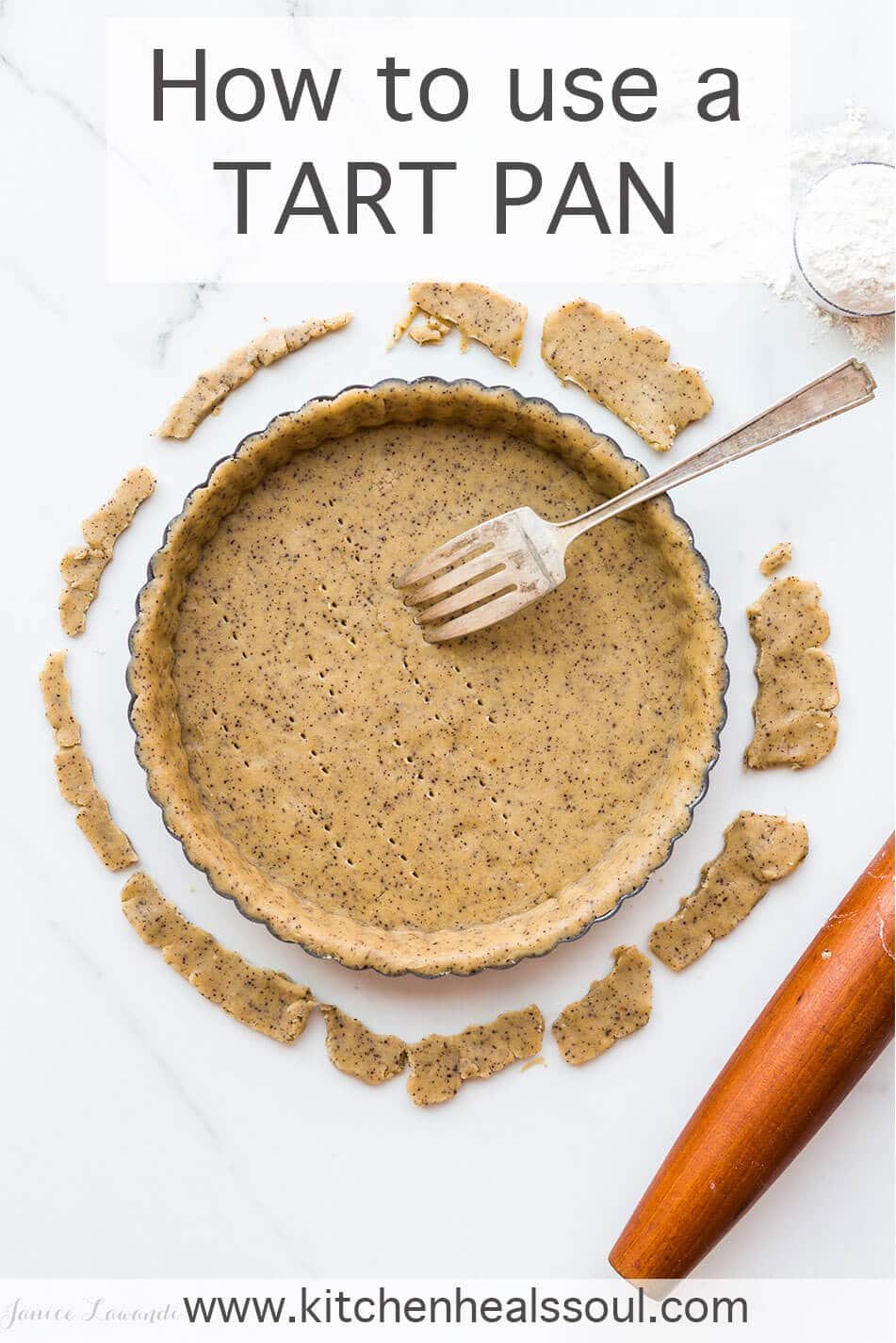
Are your tarts sticking stubbornly to their pans, ruining your perfectly crafted creations? If you’ve ever faced the frustration of a broken crust or a stubborn tart that just won’t budge, you’re not alone.
The secret to a flawless release lies in one crucial step: greasing your tart pan correctly. Imagine the satisfaction of effortlessly lifting a pristine tart from its pan, every time. This guide will reveal the best way to grease a tart pan, ensuring your pastries slide out smoothly, maintaining their perfect shape.
Stick around to discover the simple yet transformative technique that will elevate your baking game and make every tart a masterpiece.
Choosing The Right Grease
Greasing a tart pan properly ensures easy release and perfect crust. Use a pastry brush to spread softened butter evenly across the pan. This method prevents sticking and preserves the delicate texture of your tart.
Choosing the right grease for your tart pan can make or break your baking experience. The wrong type can lead to a sticky mess, making it difficult to release your tart. The right choice, however, ensures a smooth, flawless finish that lets your tart shine. So, how do you choose the best option for greasing your tart pan? Let’s dive into the different types of grease available and figure out which suits your needs best.Butter Vs. Oil
Butter is a popular choice for greasing tart pans because it adds a rich flavor to your crust. It’s easy to apply with a brush or your fingers. Plus, it creates a golden, slightly crisp edge. However, oil offers its own benefits. It provides a lighter finish and doesn’t alter the flavor of your tart. Vegetable oil or canola oil are good options that won’t overpower your dish. Consider the flavor profile of your tart. If you’re aiming for a buttery, rich taste, butter might be your best bet. If you want the filling to stand out without interference, oil could be the way to go.Non-stick Sprays
Non-stick sprays are convenient and quick. They offer an even coat that helps prevent sticking with minimal effort. A light mist is all you need. These sprays are particularly useful if you’re short on time or prefer not to get your hands greasy. They also help in achieving a consistent crust, as the spray can reach into every nook and cranny of your tart pan. However, not all sprays are created equal. Some might leave a residue or alter the taste. Choose a high-quality brand to ensure your tart remains the star of the show. Have you ever experienced the frustration of a tart stuck to the pan? Reflect on what you used and consider trying a different grease next time. Your choice can significantly impact not just the ease of baking but the enjoyment of your culinary creation.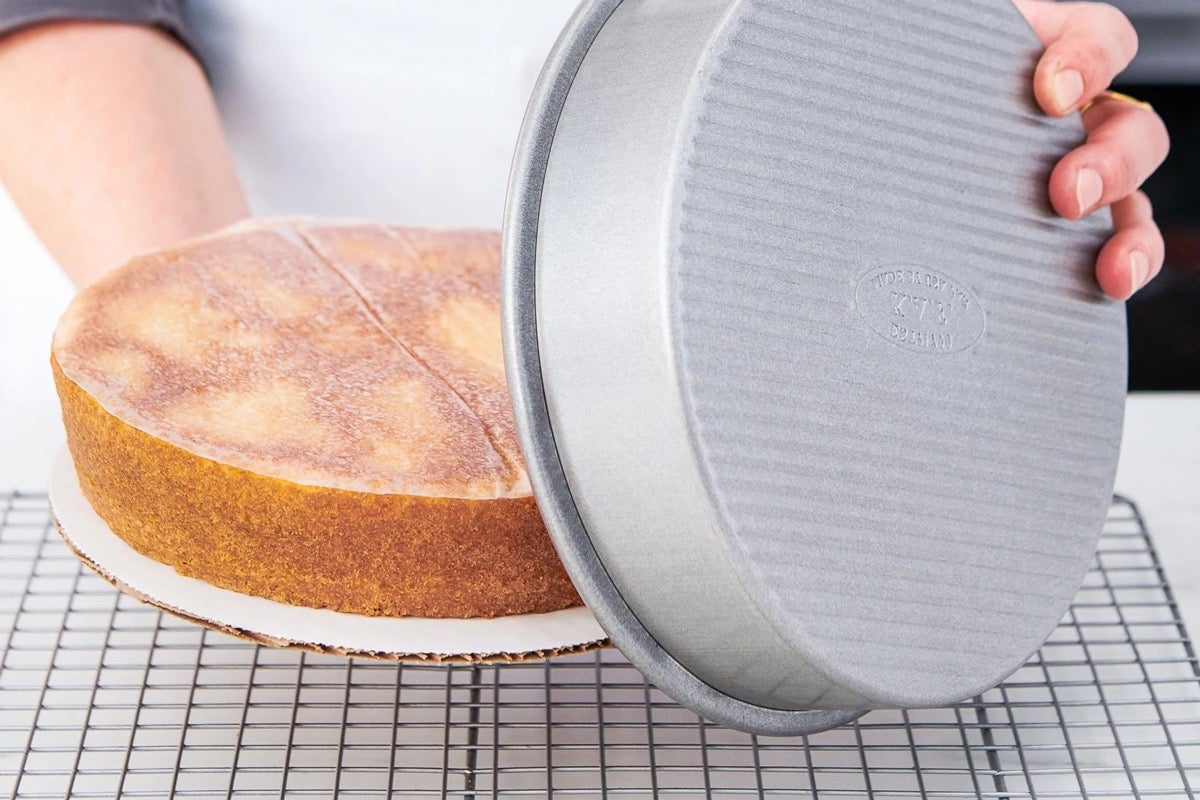
Credit: www.kingarthurbaking.com
Preparing The Tart Pan
To achieve the perfect tart, your pan needs proper preparation. Greasing ensures easy removal and an intact crust. Let’s explore the best practices for preparing your tart pan.
Cleaning The Pan
Start by cleaning your tart pan thoroughly. Use warm, soapy water and a soft sponge. This removes any residues from previous bakes. Rinse well to ensure no soap remains. A clean pan prevents sticking and improves overall baking results.
Drying Techniques
After cleaning, drying is crucial. Use a soft towel to pat the pan dry. Ensure all moisture is removed. Moisture can cause sticking issues during baking. For best results, let the pan air dry for a few minutes. This ensures no water spots are left behind.
Applying Grease Effectively
Greasing a tart pan correctly makes a big difference in your baking. Properly greased pans prevent sticking and ensure easy tart removal. Using effective techniques can enhance your baking experience. Let’s explore two simple methods to grease a tart pan.
Using A Brush
A pastry brush is a helpful tool for greasing a tart pan. It allows you to reach every corner easily. Dip the brush in melted butter or oil. Use short strokes to cover the pan evenly. Ensure every part is coated, including the sides and edges. This prevents sticking and helps the tart keep its shape.
Using Your Hands
Your hands can also be a great tool for greasing. Begin with clean hands and softened butter. Take a small amount and spread it across the pan. Rub the butter gently, ensuring all areas are covered. Pay attention to the sides and corners. This method allows you to feel the coverage.
Preventing Sticking
Preventing sticking is crucial when baking with a tart pan. It ensures your tart comes out smoothly without breaking. A well-greased pan not only prevents frustration but also improves the tart’s appearance. Let’s explore the best methods to grease a tart pan.
Even Coverage
Even coverage is key to prevent sticking. Use a pastry brush or paper towel. Spread the grease evenly across the entire surface. Pay extra attention to the corners and edges. This ensures no part is missed, reducing the risk of sticking.
Adding Flour Or Cornmeal
After greasing, add a thin layer of flour or cornmeal. This creates an additional barrier between the tart and the pan. It also helps achieve a crispy crust. Sprinkle a small amount, then shake the pan to coat evenly. Tap out any excess flour or cornmeal to avoid lumps.
Maintaining Tart Pan Condition
Properly greasing a tart pan ensures easy release and prevents sticking. Lightly coat with butter or oil before adding dough. This method keeps your tart pan in excellent condition and makes cleaning simple.
Maintaining your tart pan’s condition is essential if you want perfectly baked tarts every time. A well-maintained pan not only ensures your desserts come out effortlessly but also extends the life of your bakeware. You might be surprised at how simple steps can keep your tart pans in top shape. Let’s dive into some practical tips on proper storage and regular maintenance.Proper Storage
Storing your tart pan correctly prevents scratches and dents. You should avoid stacking them with other heavy pans. Why not dedicate a separate space or use a pan rack? This way, you’ll keep them away from potential harm. Think about how you store your lids and other bakeware. Placing a soft cloth or paper towel between stacked pans can prevent surface damage. It’s a small step but works wonders in preserving their condition.Regular Maintenance
Regular maintenance goes beyond cleaning after use. Consider inspecting your tart pans for any residue buildup or stains. Use warm soapy water and a soft brush to gently clean the surface. Avoid abrasive cleaners that can scratch the pan. Have you ever tried using a paste of baking soda and water for stubborn stains? It’s a simple yet effective method. Just apply the paste, let it sit for a few minutes, and wipe clean. Don’t forget to dry them thoroughly before storage. Moisture can lead to rust, especially if your pans are made of metal. A quick wipe with a dry cloth can save your pan from early deterioration. So, what steps will you take to ensure your tart pans remain in pristine condition?
Credit: thepracticalkitchen.com

Credit: thepracticalkitchen.com
Frequently Asked Questions
How To Grease A Tart Pan?
Start by cleaning the tart pan thoroughly. Use a brush or paper towel to apply a thin layer of butter or oil evenly. Ensure all crevices are covered to prevent sticking. For extra protection, sprinkle flour after greasing. This helps achieve a perfectly baked tart.
Is It Better To Grease A Pan With Butter Or Oil?
Use butter for rich flavor and browning. Choose oil for higher heat cooking and non-stick properties. Both work well, depending on your recipe.
Should You Butter A Tart Pan?
Yes, buttering a tart pan is recommended. It prevents sticking and ensures easy removal. Butter adds flavor and helps achieve a golden crust. Use a thin, even layer for best results. Consider using parchment paper for extra non-stick protection.
Is It Better To Grease A Cake Pan With Butter Or Crisco?
Greasing a cake pan with butter adds flavor and a golden crust. Crisco provides a non-stick surface and consistent results. Choose based on your preference for flavor or texture. Both options work well for preventing sticking.
Conclusion
Greasing a tart pan is simple with the right method. Choose a non-stick spray or melted butter. Spread evenly for perfect results. This prevents sticking and makes cleaning easier. A properly greased pan enhances the texture of your tart. It’s crucial for a smooth release.
Experiment with different greasing options. Discover what works best for your tart recipes. Enjoy baking with confidence. Follow these tips and get perfect tarts every time. Happy baking!
