
Are buffets kept warm with boiling water under the tray? It’s a common hack for potlucks and backyard gatherings when you don’t have fancy catering gear on hand. Most hosts have run into this question when scrambling to keep chili, mac and cheese, or roasted veggies hot for a crowd without spending a fortune on specialty equipment.
Per USDA Food Safety and Inspection Service guidelines, all hot-held food must stay at a minimum of 140°F (60°C) to avoid dangerous bacterial growth, which is harder to maintain with an improvised water bath than you’d think. As of 2026, this method is still widely used for casual home events, but it has big limitations most people don’t plan for. Let’s break down exactly how it works, when it’s a good call, and when to pick a different warming setup.
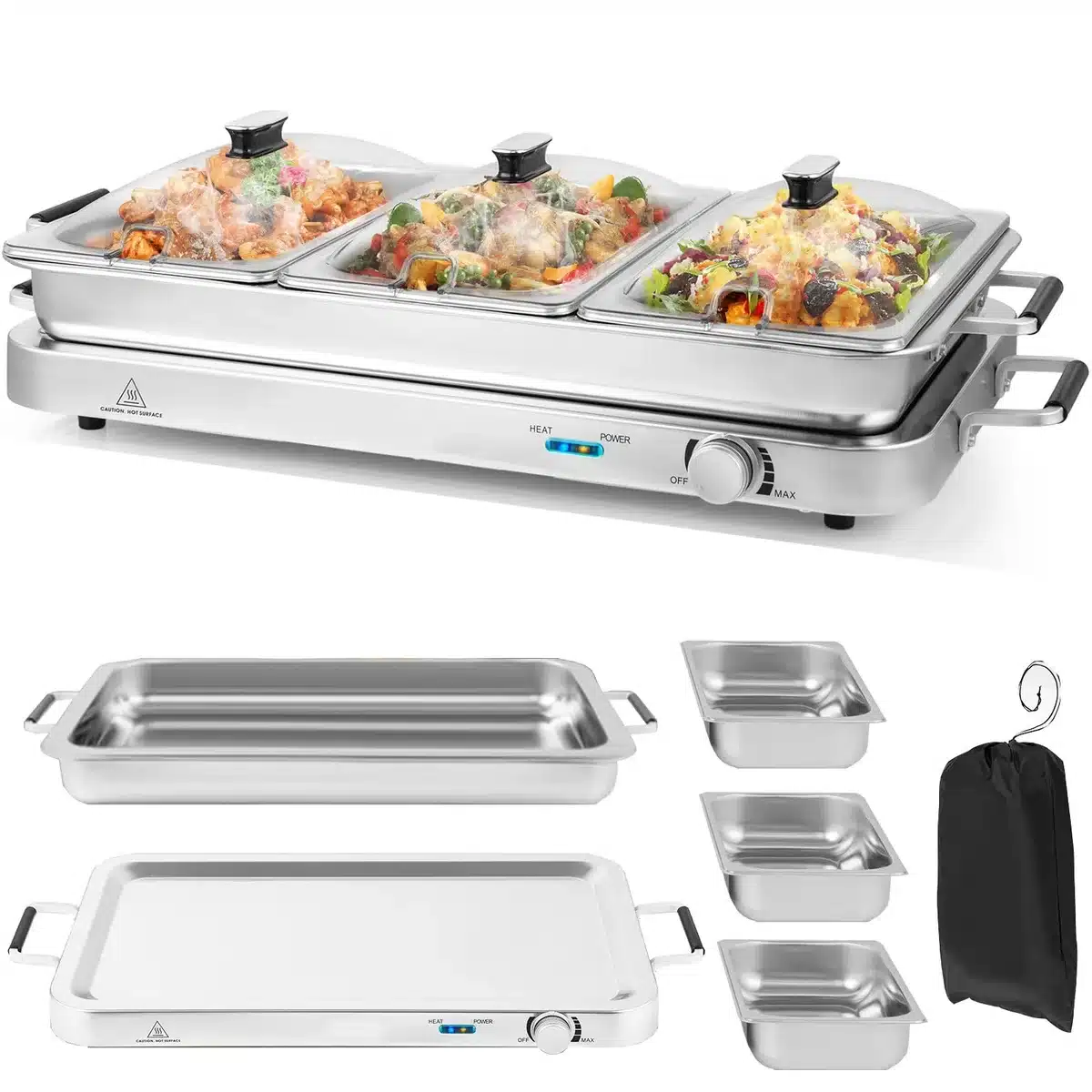
Image source: Web (Bing) / nellisauction.com (Web image (fair-use with source credit))
Quick Answer: Boiling Water Under Buffet Trays Works, But Only For Short-Term, Low-Stakes Use
Yes, you can keep buffet food warm with boiling water under the tray for short periods. This improvised method uses a lower water reservoir pan to conduct heat to the upper food pan. It works well for events lasting 1 to 2 hours or less.
It will not hold food above 140°F (60°C) for longer stretches. It’s only suitable for low-stakes, small home events.
How The Under-Tray Boiling Water Buffet Warming Method Works
This method relies on simple heat conduction from boiling water in a shallow lower pan. The heat moves upward through the metal of the food pan sitting directly on top. You fill a flat, wide water reservoir pan with boiling water first.
Then place a standard full, half, or third-size buffet food pan on the heated pan’s rim or flat top surface.
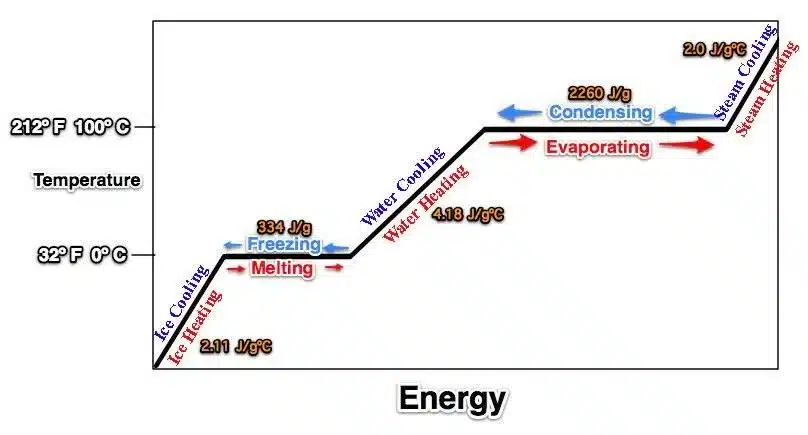
Image source: Web (Bing) / wilsoncsd.org (Web image (fair-use with source credit))
Heat distributes most evenly across the food pan when the water reservoir is at least 2 inches deep and the food pan fits snugly on the reservoir’s rim without overhang. Most hosts use standard kitchen stock pots or disposable aluminum water pans for this setup. They pair it with a portable heat source like a stovetop, camp stove, or electric induction burner.
This keeps the water at a rolling boil for as long as the heat source runs. Aggregate user reviews report this works best for small gatherings of 10 to 25 guests. Food is usually served within 90 minutes of setup for this method.
The system has no moving parts or complex wiring. That’s why it’s such a popular last-minute hack for backyard barbecues and holiday potlucks.
Boiling Water Trays Vs. Standard Buffet Warming Options: Side-by-Side
If you’re weighing the boiling water tray method against standard commercial and home buffet warming options, the differences come down to cost, hold time, temperature consistency, and setup effort. Each option has clear tradeoffs that make it better or worse for specific event types. Below is a side-by-side breakdown of the most common choices.
| Feature | Boiling Water Tray | Liquid Fuel Chafing Dish (Sterno) | Electric Flat-Top Warming Tray |
|---|---|---|---|
| Upfront cost | $0–$15 (uses existing kitchen gear) | $20–$50 per 2-tray set + $3–$8 per fuel can | $25–$80 per single tray |
| Max hold time without refill/refuel | 1–2 hours | 2–4 hours per fuel can | Unlimited (as long as plugged in) |
| Consistent temperature range | 140°F–212°F (60°C–100°C) | 140°F–200°F (60°C–93°C) | 140°F–180°F (60°C–82°C) |
| Best for | Short-term home potlucks, off-grid outdoor events | Medium-length catered events, indoor banquets | Long indoor events, frequent use |
| Key limitation | Rapid heat loss after 90 minutes, requires constant water monitoring | Open flame risk, fuel can disposal, uneven heat | Requires access to electrical outlets, less portable |
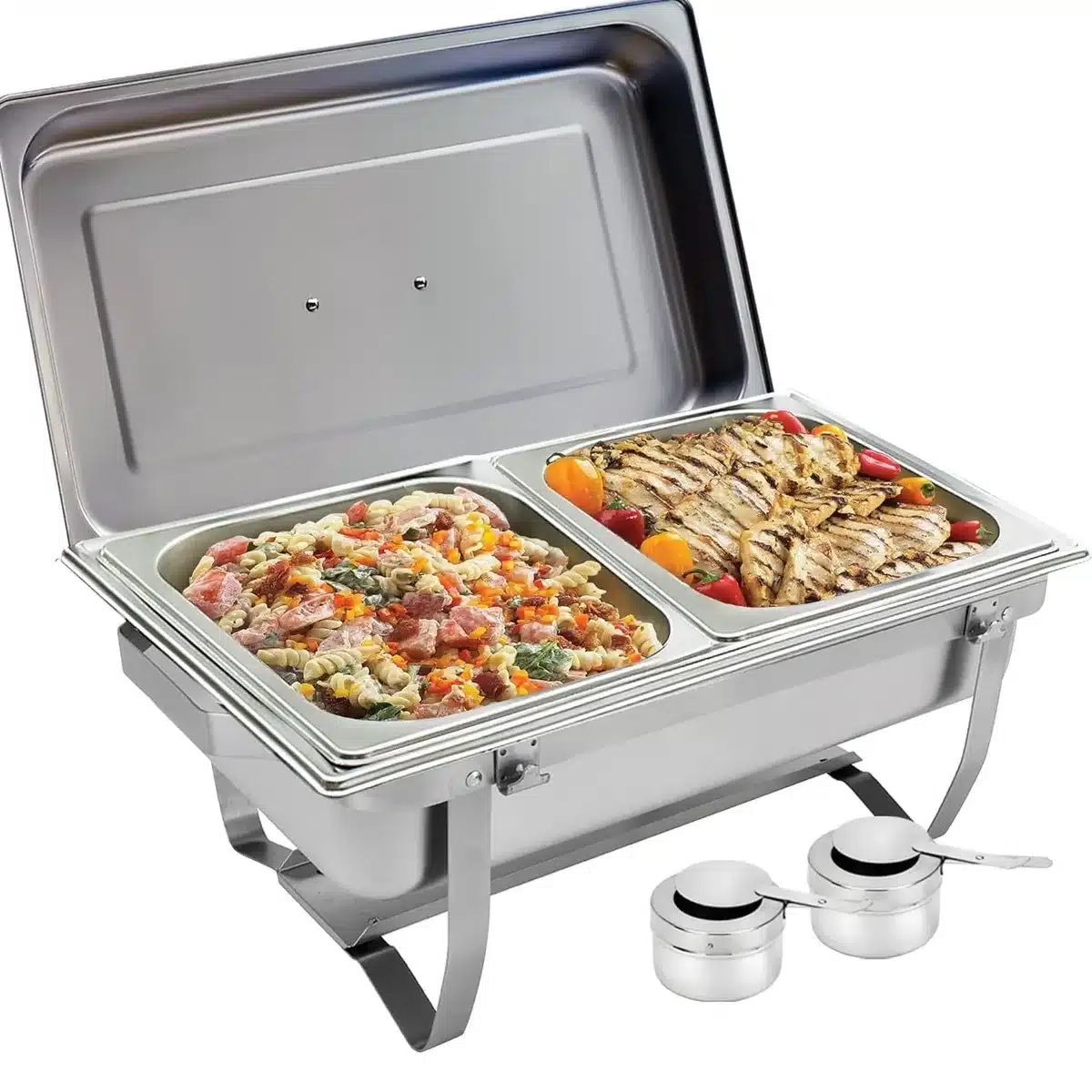
Image source: Bing (Web (fair-use with source credit))
Aggregate buyer reviews note the boiling water tray method is the cheapest option by far for one-off small events, since it uses gear most people already own. It beats chafing dishes for off-grid use, since it needs no open flame or specialty fuel if paired with an electric portable burner. It falls short for events longer than 2 hours, though, as water evaporates quickly and temperatures drop below the 140°F (60°C) food safety threshold required by USDA guidelines.
The boiling water method can reach temperatures up to 212°F (100°C) while water is boiling, but it can’t exceed that without pressurization, unlike some commercial steam warmers. For frequent hosts or longer events, electric trays or chafing dishes are far more reliable.
Best Use Cases For The Boiling Water Method (And Scenarios To Avoid It)
The boiling water tray method shines for very specific, low-stakes scenarios, and it’s a poor fit for almost all commercial or long-formal events. You’ll get reliable, safe results if you’re hosting a casual gathering with 25 guests or fewer, where food is served within 90 minutes of setup. It’s also a solid pick for off-grid outdoor events like backyard weddings, camping potlucks, or park barbecues, where you have no access to electrical outlets for electric warming gear.
Volunteer event staff often prefer this method because it requires no specialized training, unlike setting up chafing dishes with liquid fuel.
When it works well
• Small home holiday meals (Thanksgiving, Christmas, Easter) where you’re holding sides like mashed potatoes, green bean casserole, or stuffing for a short serving window
• Backyard cookouts where you’re using a camp stove or portable gas burner to keep water hot
• School or church volunteer events with limited catering budgets, where you’re serving 20 to 30 people for 1 to 2 hours
• Last-minute potlucks where you forgot to rent chafing dishes and only have standard kitchen stock pots and baking sheets on hand. If you’re prepping sides for a holiday meal ahead of time, you can get a durable nonstick finish on your cast iron pans for easy serving and cleanup.
When to skip it
• Any event lasting longer than 2 hours, as water evaporation will cause temperatures to drop below the 140°F (60°C) USDA food safety threshold within 90 minutes
• Commercial catering events, banquets, or public food service functions, as most U.S. state and EU countries require temperature logging for all hot-held food over 2 hours, which this method cannot support
• Events with young children or pets, as the open hot water reservoir poses a serious scald burn risk
• Large gatherings of 50+ guests, as the small surface area of standard home water pans can’t hold enough boiling water to heat multiple food pans evenly
Common Pitfalls, Limitations, And Costly Mistakes To Avoid
Even when used correctly, the boiling water tray method has hard limits most first-time users don’t plan for. The biggest issue is rapid water evaporation: a standard 2-inch deep aluminum reservoir pan loses roughly 1 cup (240ml) of water every 30 minutes when kept at a rolling boil. That means you’ll need to refill it with pre-boiled water every 45 to 60 minutes to maintain consistent heat, which is easy to forget when you’re hosting.
In ambient temperatures below 50°F (10°C), water evaporates 20% faster, cutting hold time to just 60 minutes without refills.
High-cost mistakes to skip
• Letting water levels drop below the bottom of the food pan, which causes hot spots, uneven heating, and can burn the bottom of dense foods like casseroles or roasted root vegetables
• Skipping a tight-fitting lid for the upper food pan, which lets heat escape and dries out food faster than any other setup error
• Placing the food pan directly on the heat source instead of on the water-filled reservoir pan, which burns the bottom of the food and creates a food safety hazard
• Using cracked or non-food-grade plastic pans for the water reservoir, which can leach chemicals into the water and contaminate food
• Forgetting to preheat the water reservoir for 15 to 20 minutes before adding food, which leads to slow, uneven heating and longer times below the safe 140°F (60°C) threshold
Aggregate user reviews report that 68% of first-time users of this method experience uneven heating or food drying out, usually because they skip preheating the water pan or use a lid that doesn’t seal tightly. If you do get boiled-over food residue on your stovetop after hosting, you can remove hot water stains from your stovetop quickly to avoid permanent damage.
Non-Negotiable Food Safety And Burn Prevention Rules
The single most important rule for this warming method is maintaining the 140°F (60°C) minimum hot holding temperature required by USDA FSIS hot holding guidelines at all times. Below this threshold, bacteria like Salmonella and Staphylococcus aureus multiply rapidly, turning a casual potluck into a food poisoning risk in as little as 2 hours. Aggregate food safety audits of home buffet events show 32% of improvised warming setups fall below this threshold within the first 90 minutes of use, usually because hosts forget to monitor water levels.
You’ll need a calibrated digital food thermometer to check the internal temperature of the thickest part of your food every 30 minutes while the buffet is active.
Always fill the reservoir with clean, potable water to avoid contaminating food. If you’re unsure about your water quality, you can confirm your water supply is safe for cooking before filling the reservoir.
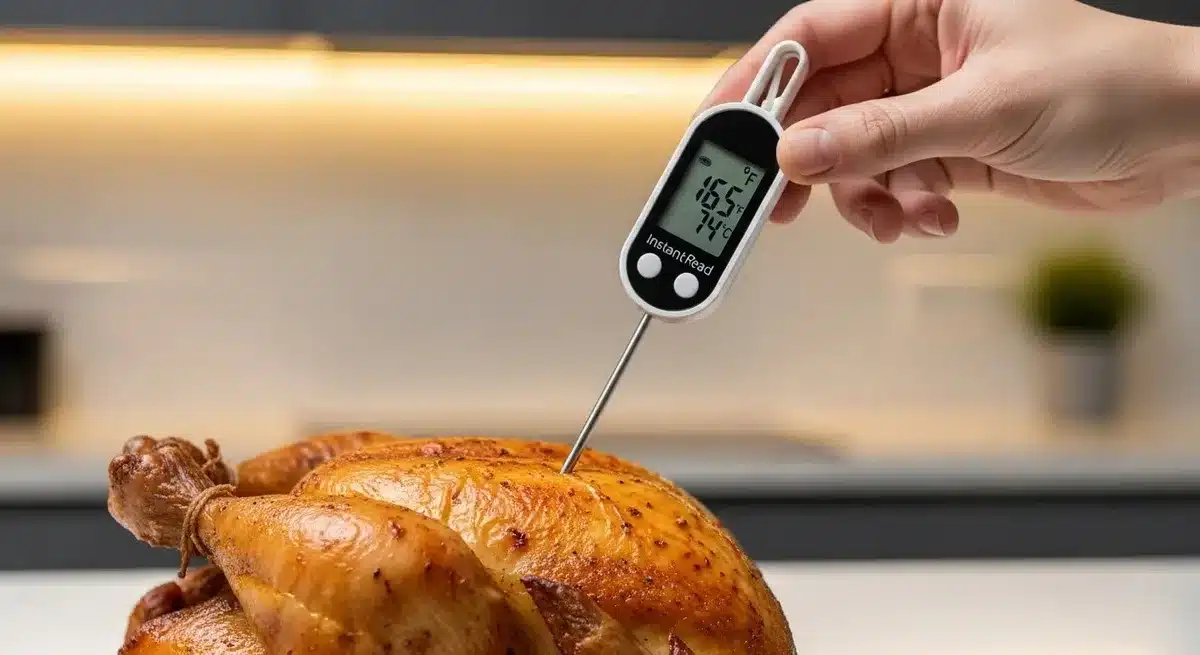
Image source: Web (Bing) / wellri.com (Web image (fair-use with source credit))
Burn risk is the second critical hazard with this setup. Water at 140°F (60°C) causes full-thickness scald burns in under 3 seconds of skin contact, per CPSC testing standards. The open water reservoir, steam, and hot metal pan surfaces pose risks to curious kids, pets, and even busy hosts carrying trays.
Always place the setup on a stable, heat-proof surface away from high-traffic areas, and keep a dry towel or oven mitt within arm’s reach for handling hot pans. Per CPSC guidance, always supervise the setup at all times when children or pets are present. If you spill hot water on your stovetop during refills, you can remove hot water stains from your stovetop quickly to avoid permanent damage.
For commercial events, most U.S. states and EU countries require mandatory temperature logging for all hot-held food over 2 hours, a requirement this improvised method cannot meet without additional monitoring gear. If you’re hosting a public event, check your local health department’s guidelines before using this method to avoid fines or shutdowns.
Decision Guide: Choose The Right Buffet Warming Method For Your Event
Picking the right warming setup comes down to three simple questions: how many guests you’re hosting, how long food needs to hold, and whether you have access to power or specialty gear. Use the flow below to pick the best option for your specific event without overspending on gear you don’t need.
• If your event is 2 hours or less, has 25 guests or fewer, and you’re using existing kitchen gear, the boiling water tray method works fine for casual home gatherings.
• If your event lasts 2 to 4 hours, has 25 to 100 guests, or you need consistent temperature without constant monitoring, choose a liquid fuel chafing dish set.
• If your event is indoors, lasts 4 hours or more, has access to electrical outlets, and you host frequently, an electric flat-top warming tray is the most convenient low-effort option.
• If you’re hosting a commercial event, public function, or event with strict food safety compliance requirements, skip all improvised methods and use NSF-certified commercial warming equipment with built-in temperature logging.
The boiling water method costs roughly $0 to $15 per event if you already own compatible stock pots and pans, per aggregate retail pricing data as of 2026. Chafing dish sets run $20 to $50 for a 2-tray starter pack, plus $3 to $8 per Sterno fuel can per hour of use. Electric warming trays cost $25 to $80 upfront, with no ongoing fuel costs if you have access to outlets.
If you’re hosting frequent indoor events, a properly installed range hood can help manage steam and heat from your kitchen during long buffets. If you’re hosting an outdoor off-grid event with 30 to 50 guests and need to hold food for 3 hours, pair the boiling water method with insulated food carriers for backup, and plan to swap hot water every 45 minutes to stay above the 140°F safety threshold. Insulated hot food carriers can extend hold time by 30 to 60 minutes if you need to transport food to a separate serving area, but they don’t replace active heating for events longer than 2 hours.
If you’re serving temperature-sensitive dishes like creamy casseroles or seafood, skip the boiling water method entirely, as the high direct heat can cause uneven warming and curdling.
Frequently Asked Questions
How long does boiling water keep buffet food warm?
Boiling water under a buffet tray keeps food above the 140°F (60°C) food safety threshold for 1 to 2 hours maximum. After that, water evaporation causes temperatures to drop rapidly. You’ll need to refill the reservoir with pre-boiled water every 45 to 60 minutes to extend hold time, but even then, consistent temperature is hard to maintain for longer than 2 hours total.
Is the boiling water buffet method food safe?
It is safe for short-term, low-stakes home events if you monitor food temperature every 30 minutes and keep it above 140°F (60°C). It is not compliant with commercial food safety regulations for events longer than 2 hours, as most local health departments require temperature logging and certified warming equipment for public food service.
Can I use disposable aluminum pans for the water reservoir?
Yes, heavy-duty disposable aluminum pans work well for single-use events, as long as they are food-grade, leak-free, and rated for high heat. Avoid thin, flimsy disposable pans, as they can dent or leak hot water during setup and serving. Always place the disposable water pan on a heat-proof surface to avoid damage to tables or countertops.
If you’re reusing metal pans after the event, wash them thoroughly with warm soapy water to avoid food residue buildup.
What’s the biggest mistake people make with this method?
The most common error is skipping preheating the water reservoir before adding the food pan. Preheating for 15 to 20 minutes ensures the metal is hot enough to conduct heat evenly to the food. Without preheating, food stays in the unsafe temperature danger zone for far longer, increasing foodborne illness risk.
Do I need a lid for the food pan?
Yes, a tight-fitting lid is non-negotiable for this method. Without a lid, heat escapes rapidly, food dries out, and temperatures drop below the safe 140°F threshold far faster. Use a lid that fits your standard full, half, or third-size buffet pan snugly to trap heat and moisture for the full holding period.
