
Have you ever found yourself standing in the kitchen, recipe in hand, puzzled by the term “baking dish”? You’re not alone.
With so many kitchen tools at our disposal, it’s easy to get confused. But understanding what a baking dish is and why it’s essential can transform your cooking experience. Imagine effortlessly creating delicious casseroles, succulent roasts, and perfectly baked desserts, all thanks to the right dish.
We’ll dive into the world of baking dishes, unravel their mysteries, and help you become the master chef of your own kitchen. Keep reading to discover how this simple kitchen staple can elevate your culinary creations and make your cooking more enjoyable.
Baking Dish Basics
Understanding the essentials of a baking dish opens up a world of culinary possibilities. Whether you’re whipping up a classic casserole or experimenting with new dessert recipes, choosing the right baking dish can be a game-changer. Let’s dive into the specifics of what makes a baking dish unique and how you can maximize its use in your kitchen.
What Exactly Is A Baking Dish?
A baking dish is your best friend in the kitchen when it comes to oven-baked meals. It’s typically made from materials like glass, ceramic, or metal. These materials are perfect for distributing heat evenly, ensuring your food cooks thoroughly.
Have you ever wondered why your lasagna turns out just right in a glass dish but not in a metal one? It’s all about heat retention. Glass dishes hold heat longer, which can be great for keeping your food warm after cooking.
There’s a variety of baking dishes to choose from, each serving different purposes. You have the classic rectangular dish, ideal for casseroles and lasagnas. Oval dishes are great for roasts and poultry as they allow even cooking.
Consider a square dish for brownies or bar cookies. It provides a compact area that allows for even, thick slices. Have you tried using a ramekin for individual servings? It’s perfect for personal-sized portions of soufflés or crème brûlée.
Choosing The Right Size
Size matters, especially when you’re baking. A dish that’s too small might cause overflow, while one that’s too large could lead to undercooked food. Match your dish size to the recipe requirements to avoid these pitfalls.
Think of the times you’ve baked a cake that turned out uneven because the dish was too big. Always check your recipe’s recommendations for dish size. It can save you a lot of frustration and ensure perfect results.
Material Matters
The material of your baking dish affects cooking time and food texture. Glass is excellent for slow, even cooking, while metal speeds up the process. Choose ceramic for dishes that need moisture retention.
Consider your recipe’s needs. If you’re baking a crisp pie crust, metal might be your go-to for a golden finish. But if you’re making a stew, ceramic or glass could be better for keeping it juicy and flavorful.
In your kitchen, the right baking dish can turn a good meal into a great one. What’s your favorite dish to bake, and which type of dish do you use? Share your thoughts below!
Credit: www.facebook.com
Common Names In Different Regions
Different regions have unique names for a baking dish. In the UK, it’s often called a “roasting tin. ” Australians might refer to it as a “casserole dish,” while Americans commonly use “baking pan” or “baking dish. ” Each name reflects local cooking traditions.
When you step into a kitchen, the humble baking dish is a key player in creating delicious meals. Yet, as you travel from one region to another, this essential tool often goes by different names. Understanding these variations can enrich your culinary experience and help you communicate more effectively with fellow food enthusiasts.American Terminology
In the United States, a baking dish is often referred to simply as a “baking dish” or “casserole dish.” These terms are used interchangeably, and they’re a staple in many American homes. Whether you’re making a lasagna or a cobbler, you’ll likely reach for this versatile dish. Most American kitchens have at least one glass or ceramic baking dish, often made by brands like Pyrex or CorningWare. These dishes come in various shapes and sizes, but rectangular or oval are most common. Have you ever wondered why these names are so straightforward? Perhaps it’s because Americans value function over form in their kitchen terminology.British Terms
Crossing the pond to the United Kingdom, you’ll find that the baking dish takes on a new identity. The British often refer to it as a “roasting tin” or “oven dish.” These terms might seem specific, but they are used for everything from a Sunday roast to a comforting shepherd’s pie. In my last visit to London, I was charmed by how my British friend referred to her ceramic dish as a “bakeware.” It struck me as a delightful term that encapsulates the dish’s purpose. Do you find these names more descriptive or just different?European Variations
In Europe, the names for a baking dish can be quite diverse, reflecting the continent’s rich culinary traditions. In France, you might hear it called a “plat à gratin,” especially when referring to a dish used for gratins. In Italy, you might use a “teglia” to prepare everything from lasagna to tiramisu. Germans often use the term “Auflaufform,” highlighting its use in layered dishes. These names not only tell you what the dish is for but also hint at the delicious meals associated with them. As you explore these regional terms, think about how they influence your cooking style. Are you more inclined to try a new recipe when you learn its authentic name? Understanding these common names can deepen your appreciation for global cuisines and make your kitchen adventures even more exciting.Types Of Baking Dishes
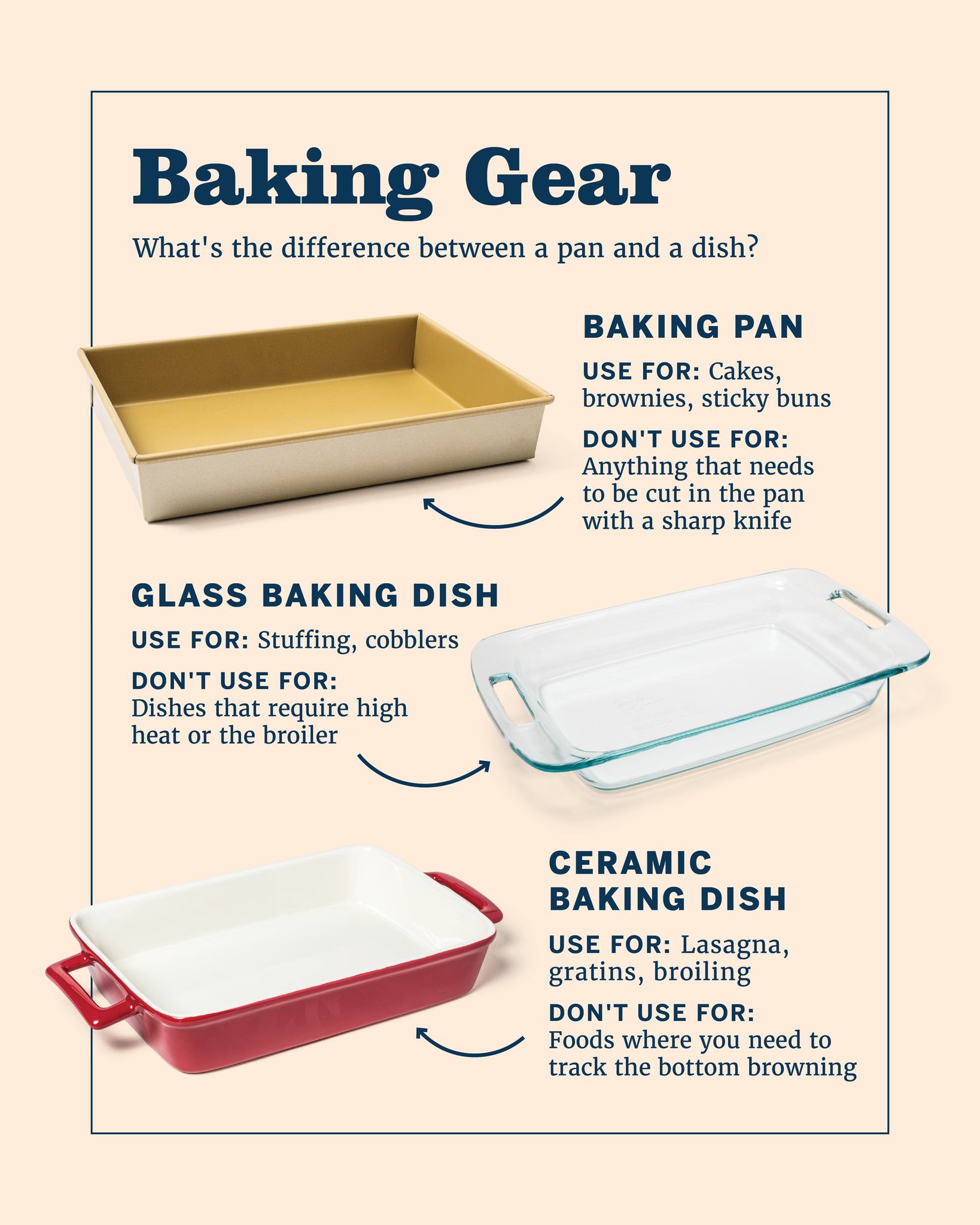
Baking dishes come in various materials, each with unique benefits. Choosing the right type can affect your cooking results. The material influences heat distribution and cooking time. Here, we’ll discuss the different types of baking dishes available.
Glass Dishes
Glass dishes are popular for their even heat distribution. They retain heat well, keeping food warm longer. These dishes are usually see-through, allowing you to monitor cooking progress. Glass baking dishes are easy to clean and don’t stain. However, they can break easily if dropped or exposed to sudden temperature changes.
Ceramic Options
Ceramic baking dishes are known for their aesthetic appeal. They come in various colors and designs, perfect for serving. These dishes distribute heat evenly, ensuring well-cooked food. Ceramic retains heat, keeping your dish warm on the table. They are durable but can be heavy and may chip if mishandled.
Metal Variants
Metal baking dishes are lightweight and conduct heat quickly. They are great for recipes needing high temperatures. Aluminum and stainless steel are common metal options. These dishes are durable and often more affordable. Metal pans may react with acidic foods, affecting flavor. Consider using non-stick coatings for easy release and cleanup.
Choosing The Right Dish
Baking is a delightful blend of art and science, and choosing the right baking dish is crucial to your culinary success. Whether you’re preparing a decadent cake or a savory casserole, the dish you select can make all the difference. It’s not just about picking the prettiest dish on the shelf; it’s about understanding the nuances that can enhance your baking experience. Let’s dive into the key factors that can guide you in making the best choice for your kitchen adventures.
Size Considerations
Size matters in the world of baking. A dish that’s too large can lead to uneven cooking, while one that’s too small might cause spills in your oven. Consider the volume of your recipe and the depth of the dish. A shallow dish works wonders for crispy edges, while deeper dishes are perfect for moist, slow-cooked meals. Next time you’re browsing, ask yourself: does this dish fit my recipe’s needs?
Material Benefits
The material of your baking dish can significantly impact your results. Glass dishes offer even cooking and are great for monitoring browning. Ceramic retains heat, perfect for keeping dishes warm. Metal pans conduct heat quickly, ideal for recipes requiring a crisp texture. Assess your recipe’s requirements and choose a material that complements your cooking style.
Purpose And Use
Every dish serves a unique purpose. Are you baking a delicate soufflé or a robust lasagna? Different dishes cater to different recipes. Consider how often you’ll use the dish and for what types of meals. A versatile dish that suits various recipes can be a valuable addition to your kitchen arsenal. Which dish aligns with your culinary ambitions?
Choosing the right baking dish is not just about aesthetics; it’s about enhancing your cooking journey. Next time you’re in the kitchen, remember these insights. Your choice can elevate your culinary creations from good to unforgettable.
Care And Maintenance
Proper care and maintenance of your baking dish can prolong its life and keep it performing at its best. Whether you’re whipping up a lasagna for dinner or crafting a delicate soufflé, your baking dish is a trusted ally in the kitchen. But how do you ensure it stays in tip-top shape? Let’s dive into some practical tips and solutions that will help you maintain your baking dish for years to come.
Cleaning Tips
Cleaning your baking dish might seem straightforward, but a few key practices can make all the difference. First, always allow your dish to cool before washing it. This prevents thermal shock, which can lead to cracks or breakage.
Use warm, soapy water and a soft sponge to remove food residues. Avoid using abrasive cleaners or steel wool, as these can scratch the surface. If you encounter stubborn stains, soak the dish in a mixture of baking soda and water for a few hours.
Did you know that vinegar can be a great ally? A little splash can help tackle those tough grease spots without damaging the dish.
Storage Solutions
Storing your baking dish properly is as crucial as cleaning it. Keep your dishes in a dry, cool place to avoid moisture buildup, which can cause mold or odors.
Stacking dishes might save space, but it can lead to scratches and chips. Consider using shelf liners or cloth pads between stacked dishes to protect them.
If your kitchen space allows, storing dishes individually can prevent accidental damage. Plus, it makes them easier to access when inspiration strikes!
Long-term Care
Think about the future of your baking dish. Regular checks for chips or cracks can prevent bigger problems down the line. If you spot any damage, it might be time to consider a replacement.
Are you a fan of high-heat baking? Be mindful that extreme temperatures can wear down your dish over time. Gradually increase oven heat to help preserve the integrity of the dish.
Why not set a reminder to inspect your dish every few months? A little proactive care can save you from unexpected mishaps during your next culinary adventure.
By focusing on these care and maintenance practices, you ensure not only the longevity of your baking dish but also the quality of your culinary creations. After all, a well-maintained dish is the secret ingredient to any successful recipe!
:max_bytes(150000):strip_icc()/Web_1500-SEA-Group-Shot-Half-Sheet-Baking-Pans-Irvin-Lin-Photo-05-8521-50e2e9d9430c4f2a82407e877ec84131.jpg)
Credit: www.seriouseats.com

Credit: www.amazon.com
Frequently Asked Questions
What Is A Baking Dish Called?
A baking dish is commonly referred to as a casserole dish. It’s used for baking and serving food. These dishes are typically made from materials like glass, ceramic, or metal. They come in various shapes and sizes to accommodate different recipes and cooking needs.
Are Baking Dishes And Casserole Dishes Different?
Baking dishes and casserole dishes are essentially the same. Both terms are used interchangeably. They are designed for baking and serving. These versatile kitchen items can handle a variety of recipes, from savory casseroles to sweet desserts.
What Materials Are Baking Dishes Made From?
Baking dishes are made from materials like glass, ceramic, and metal. Glass dishes allow you to monitor cooking progress. Ceramic is known for its even heat distribution. Metal dishes, often non-stick, are durable and heat quickly. Each material offers unique benefits for different recipes.
Can You Use A Pan Instead Of A Baking Dish?
You can sometimes use a pan instead of a baking dish. However, it depends on the recipe. Baking dishes are deeper, ideal for layered dishes. Pans are shallower, suitable for roasting. Always check the recipe requirements to ensure proper cooking and presentation.
Conclusion
Choosing the right baking dish improves your cooking results. It’s essential to know the differences among dish types. Glass, ceramic, and metal dishes each offer unique benefits. Glass dishes heat evenly, making them great for casseroles. Ceramic dishes look nice and keep food warm.
Metal dishes heat quickly, perfect for crispy edges. Consider what you’re baking when selecting a dish. This ensures the best texture and taste. So, explore different baking dishes to enhance your culinary skills. Happy baking!
