
Have you ever stood in your kitchen, holding a recipe that calls for a “casserole dish,” only to realize you’re not sure if your baking dish will do the trick? You’re not alone.
Many home cooks wonder about the difference between these two kitchen staples. Understanding the distinctions can elevate your cooking game and ensure your dishes come out perfect every time. We’ll unravel the mystery behind baking dishes and casserole dishes, helping you make informed choices when preparing your next culinary masterpiece.
Get ready to unlock the secrets of your kitchenware and transform your cooking experience. Stay with us, and you’ll soon discover the subtle yet significant differences that could change how you approach your favorite recipes.

Credit: shop.libbey.com
Materials And Construction
The materials and construction of baking and casserole dishes impact cooking. Each dish type comes with unique materials. These materials affect heat distribution and cooking results. Understanding this helps in choosing the right dish for your recipe.
Common Materials Used
Baking dishes often use glass, metal, or ceramic. Glass dishes are clear, allowing you to monitor browning. Metal dishes heat quickly, ideal for crisp edges. Ceramic dishes maintain even heat, perfect for slow cooking.
Casserole dishes use ceramic, glass, or stoneware. Ceramic is popular for its heat retention. Glass offers transparency, ensuring even cooking. Stoneware excels in durability and heat distribution.
Impact Of Material On Cooking
Material choice influences cooking time and heat retention. Glass dishes provide even heat but take longer to warm up. Metal heats fast but may cause uneven cooking if not monitored.
Ceramic dishes retain heat, keeping food warm longer. Stoneware’s thickness offers balanced cooking. Each material has distinct benefits and drawbacks.
Choosing the right material ensures optimal results. Consider what your recipe demands. Heat retention, transparency, and cooking speed matter. Choose wisely for the best outcome.
Shape And Design
The shape and design of a baking dish or casserole dish can affect cooking results. Understanding these differences helps in selecting the right dish for your recipe. Both types of dishes come in various shapes and designs, each serving unique cooking needs.
Variations In Shapes
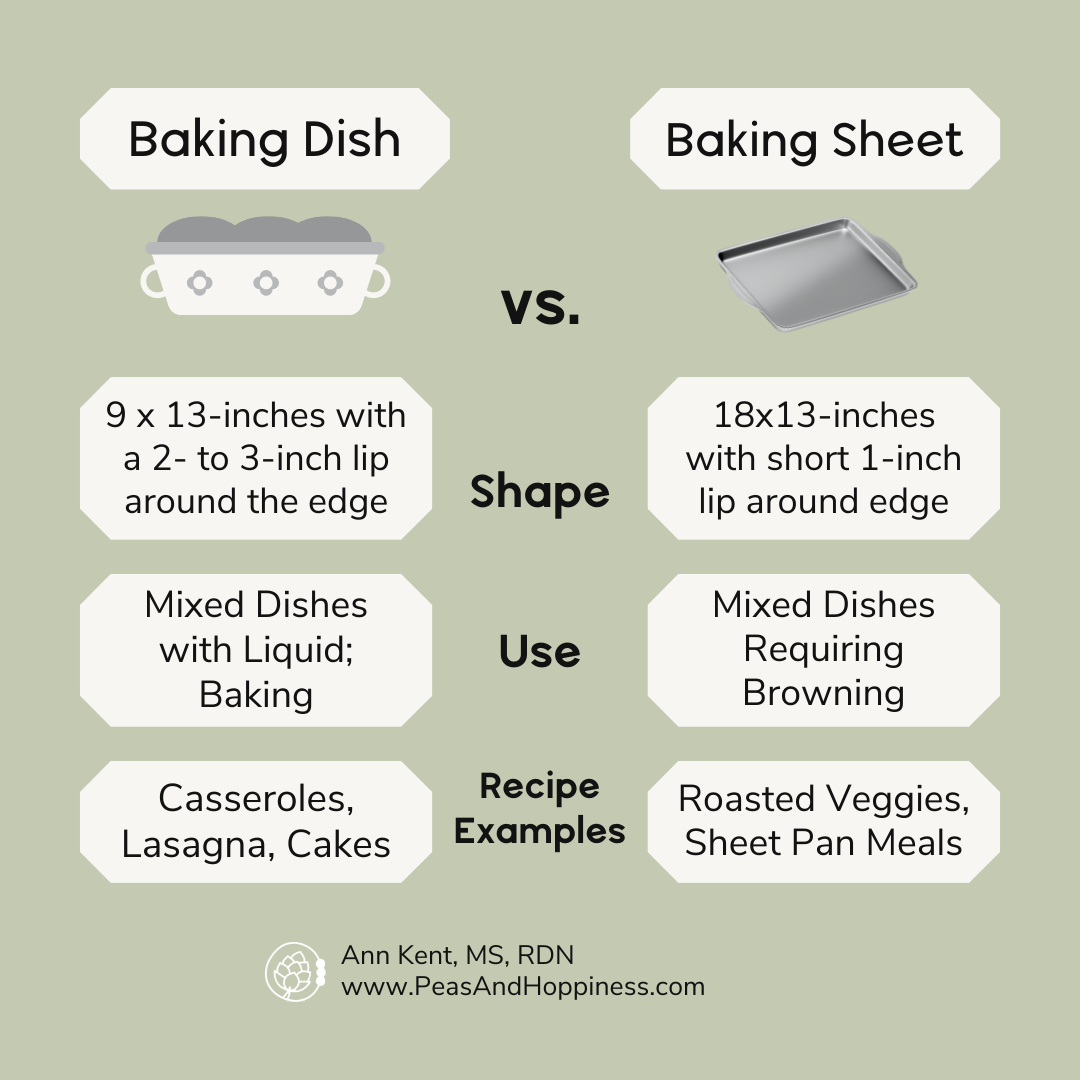
Baking dishes often have straight sides and come in rectangular or square shapes. These shapes are ideal for cakes, brownies, and other baked goods. They allow even heat distribution, ensuring proper cooking. Casserole dishes, on the other hand, are usually oval or round. These shapes are suitable for slow-cooked meals. The curved design aids in circulating heat and moisture, perfect for stews and casseroles.
Design Features
Baking dishes are typically made of glass or metal. They may have handles for easy transport. Their design focuses on thermal conductivity to bake evenly. Casserole dishes often come with lids. This feature helps retain moisture and flavor. They are usually made of ceramic or cast iron. These materials maintain heat well, keeping food warm for longer.
Both baking and casserole dishes come in various colors and styles. This adds aesthetic appeal to your kitchenware collection. Choose a design that matches your cooking needs and personal style.
Size And Capacity
Baking dishes are typically shallow and ideal for cakes or brownies. Casserole dishes are deeper, perfect for layered meals. Both come in various sizes, but casseroles often have larger capacities to accommodate hearty, family-sized portions.
When it comes to choosing between a baking dish and a casserole dish, size and capacity are crucial factors to consider. These two types of cookware may seem interchangeable, but their dimensions can significantly impact the cooking process and the final result of your dish. Understanding the nuances in size and capacity can make all the difference in preparing a successful meal.Standard Sizes
Baking dishes typically come in standard rectangular shapes, often measuring around 9×13 inches. This size is perfect for cakes, brownies, and lasagna. On the other hand, casserole dishes vary more in shape, often round or oval, with sizes ranging from 1 to 4 quarts. You might find a 2-quart casserole dish ideal for small family meals. Meanwhile, a 4-quart version could be your go-to for holiday gatherings. It’s essential to consider the dish’s depth as well, as this affects the amount of food it can hold.How Size Affects Cooking
The size of your dish directly impacts cooking time and heat distribution. A shallow baking dish allows food to cook more evenly and quickly. In contrast, a deeper casserole dish may require longer baking times to ensure the center is thoroughly cooked. Consider how crowded your dish is, as this can affect the texture and flavor. A tightly packed casserole may not allow steam to escape, resulting in a soggy dish. Conversely, a spacious baking dish can help achieve that desired crispy top layer. Do you often find yourself adjusting recipes to fit your cookware? Understanding the capacity of your dishes can save you from these last-minute changes. Knowing the exact size and capacity of your baking and casserole dishes can enhance your cooking experience and help you achieve the perfect dish every time.Heat Distribution
When preparing a meal, the type of dish you choose can make a big difference in the heat distribution, which affects the cooking process. Whether you’re using a baking dish or a casserole dish, understanding how heat flows and is retained can help you achieve the perfect culinary results. Let’s dive into the specifics of how these dishes differ in terms of heat distribution.
How Heat Is Retained
Have you ever wondered why your baked lasagna turns out differently in a glass dish versus a ceramic one? The material of your baking dish plays a crucial role in how heat is retained. Glass dishes tend to absorb and retain heat well, keeping your food warm long after it’s out of the oven. Ceramic casserole dishes, on the other hand, distribute heat more evenly across the surface. This can prevent hot spots, ensuring consistent cooking throughout your dish.
Think about your last potluck. Did your casserole stay hot longer in its ceramic dish? It’s the nature of ceramic to maintain heat evenly, making it a favorite for many home cooks. The choice between glass and ceramic might depend on how long you want your dish to stay warm after serving.
Impact On Cooking Time
The material of your dish doesn’t just affect heat retention—it influences cooking time as well. Glass dishes often require a bit more time to heat up, which can extend your cooking time. This gradual heating might be perfect for recipes that need slow, even cooking. However, if you’re pressed for time, a ceramic dish might be your best bet. Ceramic heats up quickly and maintains an even temperature, potentially reducing your cooking time.
Imagine preparing a quick mid-week dinner. Choosing a ceramic dish could save precious minutes, allowing you to serve a perfectly cooked meal faster. But if you’re baking a slow-cooked dish over the weekend, a glass dish might be the better option for ensuring the flavors meld together beautifully over time.
So, next time you’re deciding between baking or casserole dishes, consider how the heat distribution affects your cooking process. What does your recipe need most—slow and steady or quick and even? Your answer might lead you to the perfect dish for your next culinary adventure.
Versatility In Cooking
In the kitchen, versatility is a prized trait. Cooking enthusiasts often seek tools that can adapt to various recipes and techniques. When it comes to baking dishes and casserole dishes, understanding their versatility can greatly enhance your culinary experience. While both serve similar purposes, they each have unique attributes that make them suitable for different cooking scenarios. Let’s delve into how these dishes can transform your cooking adventures.
Suitable Recipes For Each
Baking dishes are typically used for recipes that require direct heat and even cooking. Think of your favorite brownies, lasagna, or roasted vegetables. The shallow and wide design allows for heat to circulate evenly, making them ideal for baked goods and roasted meals.
On the other hand, casserole dishes excel in recipes that benefit from slow cooking. If you love hearty meals like stews, gratins, or baked pasta, the deep sides and lid options of casserole dishes help trap moisture and flavors. They are perfect for one-pot wonders that require prolonged heat exposure.
Adaptability In The Kitchen
Have you ever found yourself improvising in the kitchen? Baking dishes can easily transition from oven to table, which is perfect for serving meals directly. This adaptability is great for entertaining guests, allowing you to present your culinary creations beautifully.
Casserole dishes offer a different kind of flexibility. Their deeper design can accommodate larger quantities, making them perfect for batch cooking or family-sized meals. Plus, many casserole dishes are microwave and freezer safe, adding to their practicality.
Consider your kitchen space and cooking habits. Are you someone who loves experimenting with baked delights, or do you prefer slow-cooked comfort food? Both dishes can offer you a world of possibilities, but choosing the right one can make all the difference in your culinary journey.
What will you cook next, and which dish will you choose to elevate your recipe? The answer might just change the way you enjoy your meals.
Ease Of Cleaning
Cleaning kitchenware often feels like a chore. Baking dishes and casserole dishes have unique cleaning needs. Understanding these can make your life easier. Different materials require different approaches. Proper cleaning extends the life of your dishes. Let’s explore some tips.
Material-specific Cleaning Tips
Glass dishes are popular in many kitchens. They’re non-porous, which helps with cleaning. Use warm, soapy water for best results. Avoid abrasive pads. These can scratch the surface. Ceramic dishes are sturdy but need care. Remove food residue immediately. Soak in warm water if needed. Scrub gently with a soft sponge. Metal dishes often need special attention. Avoid harsh chemicals. These can damage the finish. Use a mild detergent instead. Dry thoroughly to prevent rust.
Dishwasher Friendliness
Many dishes are dishwasher safe, yet some are not. Glass dishes usually handle the dishwasher well. They resist staining and odors. Check the manufacturer’s guidelines first. Ceramic dishes might be dishwasher safe. Ensure they have no cracks or chips. These can worsen with washing. Metal dishes often require hand washing. The dishwasher may cause discoloration. Follow care instructions to maintain their look. Always check the dish label. It guides you on the best cleaning method.
Durability And Longevity
Choosing between a baking dish and a casserole dish often depends on durability. Both serve similar purposes but differ in material and construction. These differences affect how long they last in your kitchen. Knowing the wear and tear factors can help you make an informed choice.
Wear And Tear Factors
Baking dishes are usually made of glass or metal. These materials handle high heat well. Yet, glass can crack with sudden temperature changes. Metal may warp over time with heavy use. On the other hand, casserole dishes are often ceramic or stoneware. They resist scratches and chips better. This makes them more forgiving with everyday use.
Storage impacts both types of dishes. Stacking heavy items on top can cause chips or cracks. Proper care extends the life of both dish types. Use soft cloths and avoid abrasive cleaners.
Expected Lifespan
With proper care, a quality baking dish can last years. Metal ones may need replacement sooner due to warping. Glass dishes, if handled carefully, can serve you for decades. Casserole dishes, especially ceramic ones, often outlast their metal counterparts. They can become family heirlooms with the right care.
Both dish types require careful handling. Avoid dropping or sudden temperature changes. This ensures they last as long as possible.

Credit: www.amazon.com
Cost Considerations
Choosing between a baking dish and a casserole dish often comes down to cost. Understanding the price differences can help you make a smart choice. Let’s explore the cost factors to consider when picking the right dish for your kitchen needs.
Price Range Differences
Baking dishes often come at a lower price. They are typically made from glass or ceramic. These materials are affordable and easy to produce. Casserole dishes, especially premium ones, can be pricier. They may be made from stoneware or high-quality ceramics. The brand and material affect the cost significantly. Investing in a good casserole dish may mean spending more upfront.
Value For Money
Baking dishes offer great value for everyday cooking. They are versatile and can handle various recipes. Casserole dishes can provide excellent value for those seeking durability. They often last longer and maintain heat better. Consider how often you cook complex meals. Your cooking frequency can influence what offers better value. Investing in quality might save money in the long run.
Aesthetic Appeal
When choosing between a baking dish and a casserole dish, the aesthetic appeal can be a deciding factor. While both serve similar purposes in cooking, their visual design can significantly influence your kitchen’s style and your dish’s presentation. Let’s dive into the world of design trends and the art of presentation in serving.
Design Trends
In the world of kitchenware, design trends are ever-evolving. Baking dishes often come in sleek, modern designs with clean lines. They can be found in a variety of materials like glass, metal, or ceramic.
On the other hand, casserole dishes tend to embrace a more traditional look. You might find them in charming, rustic styles, featuring intricate patterns or vintage hues.
Recently, bold colors and unique shapes have emerged as popular trends. Imagine a vibrant red baking dish or a uniquely shaped casserole dish that stands out during dinner parties.
Presentation In Serving
Imagine serving your guests a dish in a beautifully crafted casserole dish. Its design can elevate the presentation, making your culinary creation even more enticing.
Baking dishes, with their transparent glass options, allow you to showcase the layers and colors of your dish. It adds an element of anticipation as your guests catch a glimpse of the delicious contents.
Consider how the aesthetics of your kitchenware can transform the dining experience. Are you choosing pieces that reflect your personality and style? Sometimes, a dish’s presentation can be as memorable as the taste.
:max_bytes(150000):strip_icc()/Simply-Recipes-Turkey-Casserole-METHOD_9-1adc6438cec9467d88bd14c3489f5882.jpg)
Credit: www.simplyrecipes.com
Frequently Asked Questions
What Is A Baking Dish Used For?
A baking dish is primarily used for baking items like cakes, brownies, and bread. It’s designed to withstand high oven temperatures. Typically, it’s made of glass, metal, or ceramic. The dish’s shape and size can affect baking times and outcomes.
How Does A Casserole Dish Differ?
A casserole dish is used for slow-cooked meals and one-pot recipes. It’s usually deeper than a baking dish. Made from materials like ceramic or glass, it retains heat well. This makes it perfect for stews, lasagna, and baked pasta.
Can You Use A Baking Dish For Casseroles?
Yes, you can use a baking dish for casseroles, but consider the depth. Baking dishes are often shallower, so they may not hold all ingredients. Ensure the dish material can handle longer cooking times without cracking.
Are Glass And Ceramic Dishes Interchangeable?
Glass and ceramic dishes have similar heat retention but differ in heating speed. Glass heats up and cools down faster. Ceramic retains heat longer, making it ideal for slow-cooked meals. Consider the recipe’s needs before choosing.
Conclusion
Choosing between a baking dish and a casserole dish depends on your recipe. Baking dishes are versatile and come in various shapes. Casserole dishes often have deeper sides, perfect for layered meals. Both are essential in a well-stocked kitchen. Consider material and size when buying.
Glass, ceramic, and metal each have benefits. Remember, the right dish enhances your cooking experience. Experiment with both for best results. Your meals deserve the best tools. Enjoy exploring different recipes with your chosen dish. Happy cooking and baking!
