
Imagine waking up to the irresistible aroma of freshly cooked French toast, the perfect start to your day. You might be wondering, “What bread makes the best French toast?”
You’re not alone. Choosing the right bread can transform your breakfast from ordinary to extraordinary. The secret lies in finding the perfect balance of flavor and texture. Curious? Keep reading to discover how you can elevate your French toast game and delight your taste buds with every bite.
Whether you’re a seasoned cook or a breakfast novice, this guide will help you make the most mouthwatering French toast you’ve ever tasted. Ready to take your breakfast to the next level? Let’s dive in!
Choosing The Right Bread
Choosing the right bread for French toast is crucial if you want that perfect combination of crispy edges and soft, custardy centers. Not all bread is created equal, and the type you choose can make or break your breakfast masterpiece. Let’s dive into some key factors that will help you make the best choice.
Texture Matters
Texture plays a significant role in how your French toast turns out. You want a bread that can soak up the egg mixture without becoming mushy.
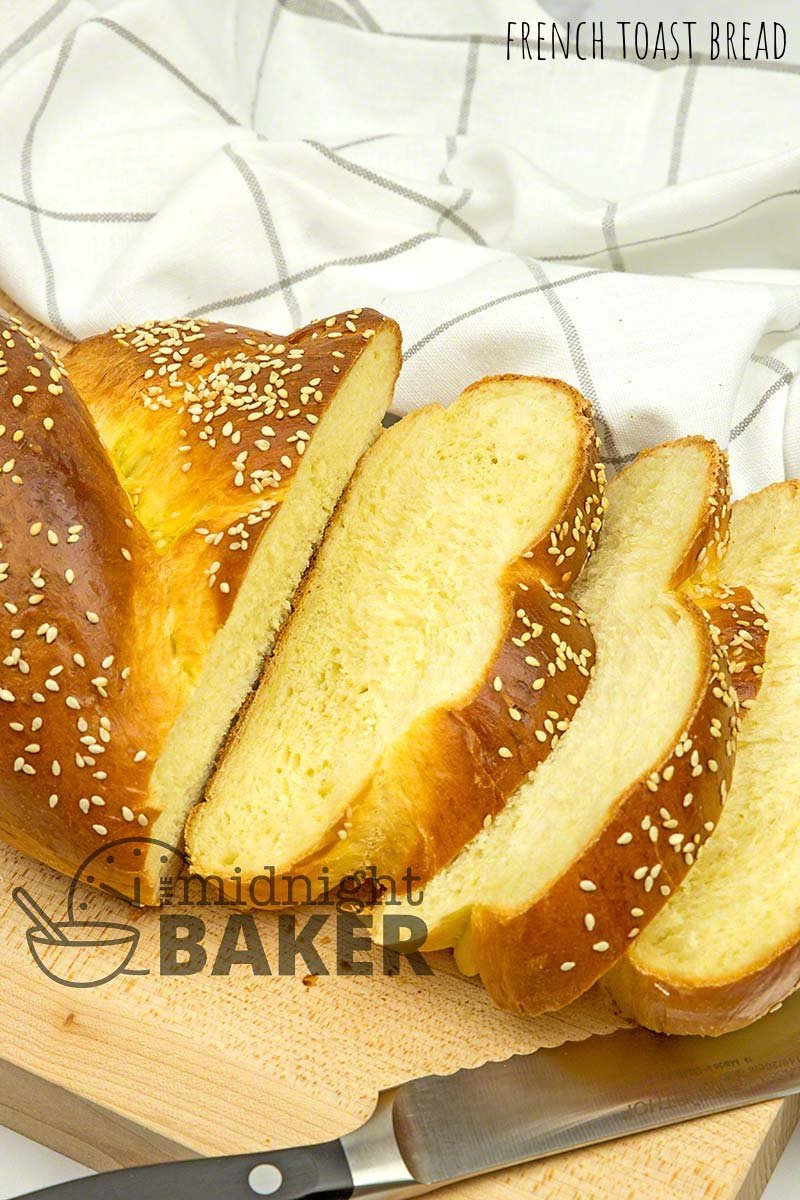
Bread with a slightly dense texture, like brioche or challah, is ideal because it retains its structure after soaking.
Imagine biting into a slice that’s crispy on the outside but soft and flavorful on the inside—that’s the magic of choosing the right texture.
Importance Of Thickness
Thickness is not just a matter of preference; it’s essential for achieving the perfect French toast. A thick slice allows more room for the egg mixture to seep in.
If your bread is too thin, it might become limp and lose that satisfying mouthfeel. Aim for slices that are about ¾ to 1 inch thick.
Have you ever tried cutting your own slices from a loaf? It gives you control over the thickness and ensures consistency in cooking.
Now, think about your own experiences. Have you ever tried making French toast with sandwich bread and found it lacking? Consider experimenting with different types to see what works best for you. Your perfect breakfast might just be a loaf away!
:max_bytes(150000):strip_icc()/ALR-recipe-16895-fluffy-french-toast-hero-01-ddmfs-4x3-7fd61e054f2c4f0f868b7ab0dd8767ae.jpg)
Credit: www.allrecipes.com
Classic Bread Options
Choosing the right bread is key to delicious French toast. The texture, flavor, and absorption ability of the bread make a big difference. Here, we explore some classic bread options. These choices offer unique qualities for perfect French toast.
Brioche
Brioche is a popular choice for French toast. It’s rich and buttery. The soft texture absorbs the egg mixture well. This gives a creamy, custard-like center. Brioche’s slight sweetness enhances the flavor. It’s perfect for those who love a bit of indulgence.
Challah
Challah is another excellent option. It has a slight sweetness and tender crumb. The braided loaf is visually appealing too. Its sturdy texture holds up well when soaked. Challah creates a satisfying French toast with a light, airy bite.
French Baguette
The French baguette offers a different experience. Its crusty exterior contrasts with a soft interior. The firm texture makes it ideal for soaking without falling apart. This bread brings a chewy, hearty French toast to the table. It’s great for those who enjoy a rustic touch.
Unique Bread Varieties
Challah and brioche are top choices for French toast. Their soft texture and rich flavor soak up the egg mixture perfectly. These bread varieties create a deliciously creamy and satisfying breakfast treat.
When it comes to making French toast, choosing the right bread can elevate your breakfast game to new heights. Sure, the classic white or brioche bread works well, but have you ever considered experimenting with unique bread varieties? These unconventional choices can add an exciting twist to your typical French toast, making each bite a delightful surprise. Below, we explore three unique bread varieties that can transform your French toast experience.Sourdough
Sourdough bread offers a tangy flavor that pairs brilliantly with the sweetness of French toast. Its dense texture holds up well to soaking in the egg mixture, ensuring your toast is perfectly moist yet not soggy. On a chilly morning, picture yourself savoring a slice of sourdough French toast with a hint of maple syrup—it’s comfort on a plate.Cinnamon Raisin
Cinnamon Raisin bread is a game-changer for those with a sweet tooth. The cinnamon swirls and juicy raisins add layers of flavor without any extra effort from you. Imagine waking up on a lazy Sunday and indulging in cinnamon raisin French toast, topped with fresh fruits and a dusting of powdered sugar. It’s like a mini-vacation for your taste buds.Croissant
Using croissants for French toast might sound unconventional, but it’s pure decadence. The buttery, flaky layers of a croissant create a luxurious texture that’s hard to resist. Have you ever tried croissant French toast with a dollop of whipped cream and berries? It’s an indulgent treat that could easily become a weekend staple in your home. By trying these unique bread varieties, you can elevate your French toast from simple to spectacular. Which bread will you experiment with next? Let your taste buds lead the way!Bread Freshness And Staleness
French toast is a delightful breakfast treat, and the bread you choose plays a crucial role in its flavor and texture. While freshness is often prized in other culinary endeavors, a slight staleness can actually enhance your French toast experience. Let’s dive into why stale bread might be your secret weapon, and how to breathe new life into day-old bread.
Why Stale Bread Works
Stale bread has a surprising advantage when making French toast. Its slightly dried-out texture allows it to soak up more egg mixture without becoming overly soggy. This results in a crispy exterior and a fluffy interior, creating that perfect bite.
Have you ever noticed how fresh bread often becomes mushy when soaked? Stale bread retains its shape better, ensuring a satisfying crunch. Consider trying this with a loaf that’s just past its prime. You might be surprised by the transformation.
Reviving Day-old Bread
Don’t toss that day-old bread just yet! You can easily revive it for French toast. Begin by gently heating the bread in the oven. This restores some of its moisture, making it more pliable.
Alternatively, if you don’t have an oven at hand, a quick dip in milk can work wonders. This softens the bread enough for a perfect soak in your egg mixture. It’s an easy trick to elevate your breakfast game.
Have you tried using stale bread before? What was your experience like? Give these tips a shot and see how they transform your breakfast routine.
Flavor Pairing Considerations
Choosing the right bread for French toast is more than just about texture; it’s also about how flavors come together on your plate. You want a bread that can complement the ingredients you use, balancing sweetness and adding depth to each bite. The right pairing can make a simple breakfast feel like a gourmet experience.
Complementary Ingredients
Imagine waking up to the smell of perfectly toasted bread mingling with cinnamon and vanilla. Choosing a bread with a neutral flavor allows these aromatics to shine. Brioche, with its buttery richness, is a popular choice because it enhances rather than overpowers these additions.
Consider breads that hold up well against your favorite toppings. A sturdy sourdough might be ideal if you love tangy fruits like berries or a dollop of crème fraîche. Think about how each element will interact, creating harmony rather than chaos on your taste buds.
Balancing Sweetness
Sweetness can quickly overwhelm, turning a delightful dish into something cloying. Opt for bread that naturally balances sweetness, like challah. Its subtle sweetness complements syrup and fruit, without tipping the scales.
What about breads with a hint of spice, like cinnamon raisin? They can add unique undertones that enhance your chosen sweeteners. Remember, it’s not just about adding sugar; it’s about finding the right balance where every bite is a symphony of flavors.
Have you ever experimented with different syrups or honey? Consider how the bread interacts with these choices. A good bread should complement and elevate these sweet additions, not compete with them.
Next time you prep French toast, ask yourself: is my bread choice elevating or overpowering my flavors? The answer can transform your breakfast from ordinary to extraordinary.
Dairy And Egg Mixture
Selecting the right bread is crucial for delicious French toast. Thick slices of brioche or challah absorb the dairy and egg mixture perfectly. These breads offer a soft, rich texture, making each bite delightful.
When it comes to crafting the perfect French toast, the dairy and egg mixture plays a pivotal role. It’s where flavors meld and textures transform, turning simple bread into a luscious treat. A well-balanced mixture can elevate your French toast from good to unforgettable. Let’s delve into the intricacies of this essential component.Optimal Ratios
Finding the right balance in your dairy and egg mixture can make all the difference. A common guideline is to use one egg for every half cup of milk. This ratio ensures a creamy texture without making the bread soggy. You might prefer a richer taste; try using cream instead of milk. Alternatively, for a lighter version, you can mix milk with a splash of water. Experiment with different ratios to discover your personal favorite.Adding Spices And Extracts
Spices and extracts are the secret ingredients to a memorable French toast. A dash of cinnamon or nutmeg can add warmth and depth. Vanilla extract, a classic addition, imparts a sweet, comforting aroma. But why stop there? Consider a hint of almond extract for a nutty undertone. Or perhaps a sprinkle of cardamom for an exotic flair. What unique combination will you try next? Creating the perfect French toast is an art, one that invites creativity and personal flair. What will your signature dairy and egg mixture be? Dive into your kitchen, and let the flavors guide you.Cooking Techniques
Choosing the right bread makes French toast delicious. Thick slices of brioche or challah absorb the egg mixture well. Their soft texture creates a perfect, golden-brown toast.
Cooking Techniques for Perfect French Toast Finding the best bread for French toast is just the first step. The magic truly happens when you cook it to golden perfection. Different techniques can enhance the texture and flavor, making your breakfast experience memorable. Have you ever wondered why your French toast isn’t as crispy as you’d like? Let’s dive into some cooking techniques that can elevate your French toast game.Pan Frying Tips
Pan frying is the classic method for cooking French toast. Using a non-stick skillet can help avoid sticking, ensuring a smooth flip. Preheat the pan over medium heat and add a small amount of butter or oil to enhance flavor and prevent burning. Timing is crucial. Cook each side for about 3-4 minutes. Flip only once to maintain a crispy exterior and a soft inside. Is your French toast too soggy? Try using stale or thicker slices of bread, as they absorb the egg mixture better.Baking As An Alternative
If you’re feeding a crowd or prefer a hands-off approach, baking French toast can be a great alternative. Preheat your oven to 350°F (175°C) and arrange soaked bread slices on a greased baking sheet. Baking allows for even cooking. Consider covering the bread with foil for the first 15 minutes to trap moisture, then remove it to let the top crisp up. Baking might take a bit longer, about 25-30 minutes, but the result is a uniformly golden batch that’s sure to impress. Which method do you think will suit your breakfast needs better? Whether you choose the quick flip of pan frying or the set-it-and-forget-it style of baking, each technique has its unique charm and benefits.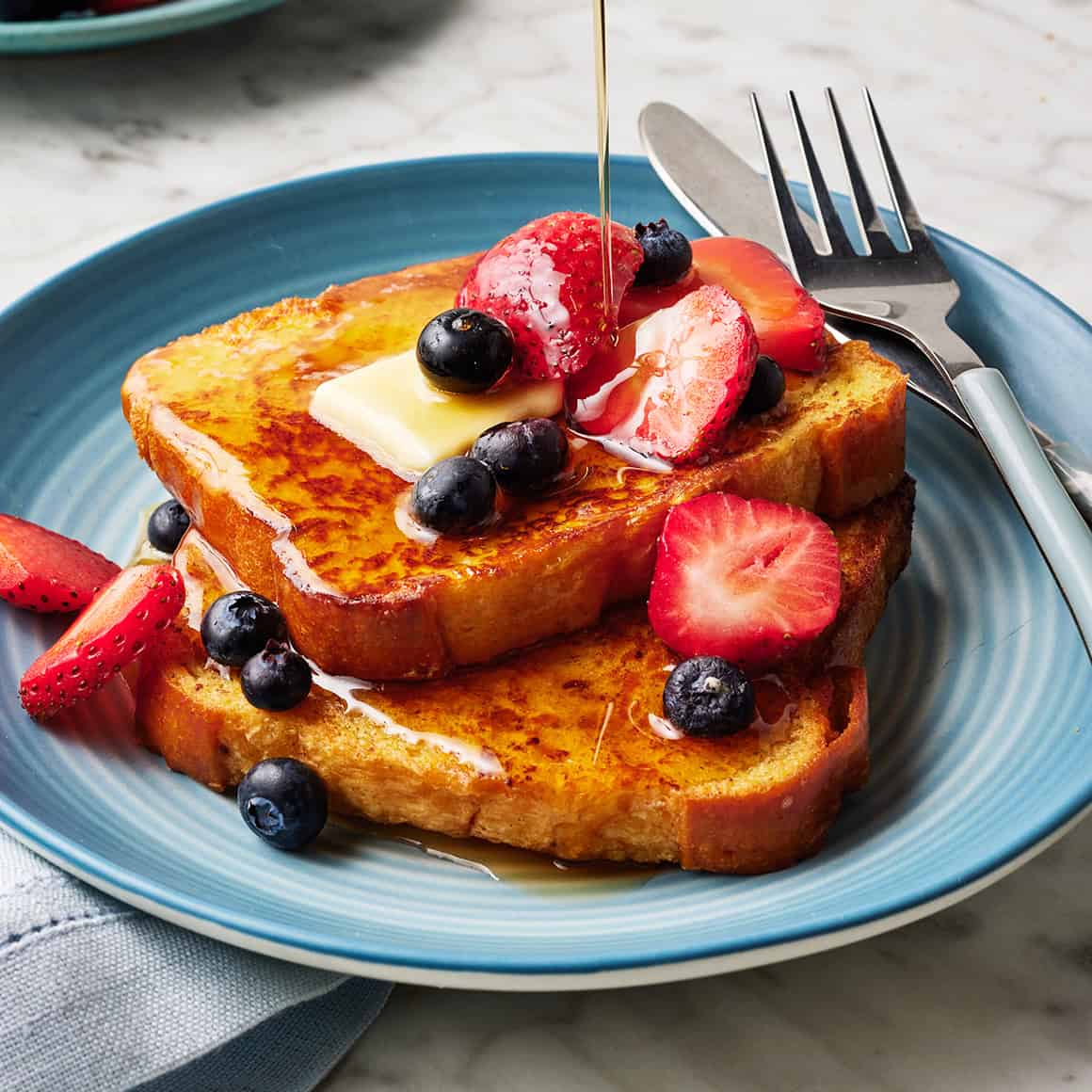
Credit: www.loveandlemons.com
Serving Suggestions
French toast is a favorite breakfast choice for many. Choosing the right bread can make a big difference. But the magic doesn’t end there. Serving suggestions can enhance your French toast experience. From sweet toppings to savory twists, let’s explore delicious ideas.
Toppings And Syrups
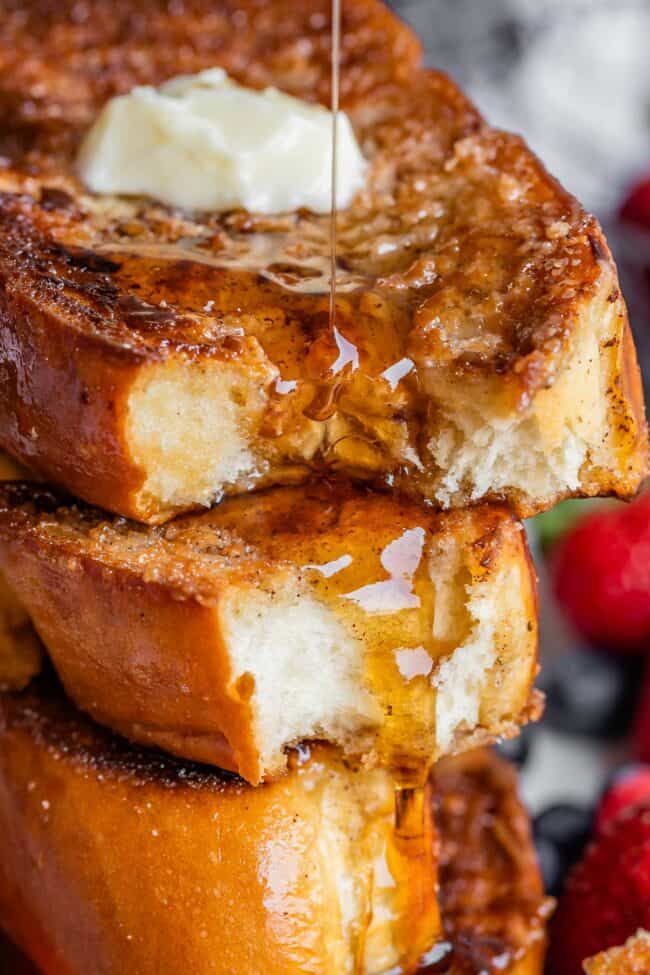
Sweet toppings can bring your French toast to life. Fresh fruits like strawberries or bananas add freshness. A sprinkle of cinnamon can add warmth. Maple syrup is classic. Honey and agave syrup are great alternatives. Whipped cream can make it a treat. Nut butters like almond or peanut offer protein. Experiment with chocolate chips or nuts for crunch.
Savory Variations
Savory options can surprise your taste buds. Cheese is an excellent choice. Try mozzarella or cheddar for a gooey delight. Add some herbs like thyme or rosemary. Bacon bits or sausage can add a hearty touch. Sautéed mushrooms or spinach bring earthiness. Serve with a side of scrambled eggs for a complete meal. A dash of hot sauce can spice things up.
Credit: thefoodcharlatan.com
Frequently Asked Questions
What Type Of Bread Is Best For French Toast?
Brioche bread is often considered the best for French toast. Its rich texture and buttery flavor make it ideal. Brioche absorbs the egg mixture well, resulting in a deliciously soft interior. Other good options include challah and Texas toast, which also soak up the custard nicely.
Can Stale Bread Be Used For French Toast?
Yes, stale bread can be used for French toast. In fact, it’s often preferred. Stale bread absorbs the egg mixture better than fresh bread. This results in a more flavorful and less soggy French toast. Just ensure the bread isn’t too hard or moldy for best results.
Why Is Brioche Preferred For French Toast?
Brioche is preferred for its rich, buttery flavor and soft texture. It absorbs the egg mixture well, creating a custardy inside. The slight sweetness of brioche complements the classic French toast toppings like syrup and fruit. Its sturdiness ensures it won’t fall apart during cooking.
Is Sourdough Good For Making French Toast?
Sourdough can be great for French toast if you prefer a tangy flavor. Its firm texture holds the egg mixture well. The slight sourness contrasts nicely with sweet toppings. For best results, use slightly stale sourdough to prevent sogginess and enhance flavor absorption.
Conclusion
Choosing the right bread is key for delicious French toast. Brioche offers a rich, buttery flavor. Challah brings a slightly sweet and soft texture. Sourdough adds a tangy twist to the taste. Each bread type gives a unique experience. Experiment with different options to find your favorite.
Consider the bread’s freshness for best results. Stale bread absorbs the egg mixture well. Delight in the flavors and enjoy your homemade French toast. Perfect for breakfast or brunch. Treat yourself to a comforting and satisfying meal. Happy cooking!
