
Are you standing in the kitchen aisle, staring at shelves filled with bakeware, wondering if aluminum or ceramic is the better choice for your culinary masterpieces? You’re not alone.
Choosing the right bakeware can be a daunting task, especially when you want to make sure your cakes rise perfectly or your roasted veggies turn out just right. Each material has its own set of benefits and quirks, and knowing these can transform your baking from good to extraordinary.
We’ll dive into the world of aluminum and ceramic bakeware, breaking down their pros and cons so you can make an informed decision that best suits your baking needs. Get ready to elevate your baking game and delight in the results every time you open your oven!
Credit: www.homedepot.com
Material Composition
Aluminum bakeware heats quickly and evenly, perfect for consistent baking. Ceramic bakeware offers a stylish look and retains heat longer, ideal for serving. Both have unique benefits that cater to different baking needs.
When choosing bakeware, understanding the material composition is crucial. The bakeware you use can greatly influence your cooking results, from how evenly your dish cooks to the ease of cleaning afterward. Both aluminum and ceramic bakeware have unique properties that cater to different culinary needs. So, let’s dive into their material composition and see which might be better suited for your kitchen adventures.Properties Of Aluminum
Aluminum is known for its excellent heat conduction. It distributes heat evenly, ensuring that your baked goods come out perfectly cooked every time. Aluminum bakeware is lightweight, making it easy to handle. You don’t have to worry about straining your wrists when lifting it in and out of the oven. One downside is its tendency to react with acidic ingredients. This can sometimes alter the taste of your food. Have you ever noticed a metallic taste in your lemon cake?Properties Of Ceramic
Ceramic bakeware shines with its ability to retain heat. Once hot, it stays hot longer, making it ideal for dishes that need consistent warmth. It’s non-reactive, meaning you can bake your tomato-based lasagna without any worry of flavor alterations. This makes it a great choice for acidic dishes. Ceramic is heavier than aluminum. This might be a challenge if you’re juggling multiple dishes in a busy kitchen. Have you ever had to call in reinforcements to help with a heavy casserole dish? When choosing between aluminum and ceramic, consider what you value more: heat conduction or heat retention? Do you prefer lightweight bakeware or the stability of a heavier option? Your answer may lead you to the perfect bakeware choice for your kitchen.Heat Conductivity
When choosing bakeware, understanding heat conductivity is crucial. Heat conductivity determines how evenly and quickly your bakeware heats up and cools down. This can significantly affect your baking results, from the texture of your cookies to the crust of your pies. So, how do aluminum and ceramic bakeware compare in terms of heat conductivity?
Aluminum’s Heat Distribution
Aluminum is renowned for its excellent heat distribution. When you bake with aluminum pans, you can expect quick and even heating. This means fewer hot spots and more consistent baking results.
Imagine baking a batch of cookies. With aluminum, each cookie gets an even amount of heat, ensuring they all bake at the same rate. This reduces the chances of burning the edges while leaving the center undercooked.
Many professional bakers prefer aluminum for its predictability. If you’re after precision in your baking, aluminum might be your best friend. Have you ever noticed how some recipes specify aluminum bakeware? Now you know why!
Ceramic’s Heat Retention
Ceramic bakeware, on the other hand, is known for its exceptional heat retention. It takes a bit longer to heat up compared to aluminum, but once it does, it holds onto that heat.
This characteristic can be particularly advantageous for dishes that benefit from steady, prolonged cooking. Think of casseroles or lasagna, where maintaining a constant temperature is key to achieving that perfect, gooey interior.
However, if you’re someone who likes to check and adjust your dishes frequently, ceramic’s slow response to temperature changes might require some getting used to. Have you ever found yourself frustrated because your dish wasn’t cooking as expected? Understanding how ceramic retains heat might just be the insight you need.
Both aluminum and ceramic have their strengths, but the best choice depends on what you’re baking. Consider your typical recipes and think about how heat conductivity impacts them. Which one aligns better with your baking style?
Durability And Longevity
When choosing bakeware, durability and longevity are crucial factors. Aluminum and ceramic bakeware both have unique qualities in these areas. Understanding their durability can guide your choice.
Wear And Tear In Aluminum
Aluminum bakeware is known for its lightweight nature. It resists rust and corrosion. Yet, it can warp under high heat. Over time, scratches may appear. Frequent use can lead to dents. Proper care can prolong its life.
Resilience Of Ceramic
Ceramic bakeware offers impressive durability. It’s resistant to scratches and chips. This type of bakeware can withstand high temperatures. It retains heat well, providing even cooking. Its heavy nature adds to its resilience.
Maintenance And Care
Choosing the right bakeware involves more than just performance. Understanding the maintenance and care for each type is crucial. Proper care can extend the life of your bakeware and ensure excellent baking results. Aluminum and ceramic bakeware require different cleaning methods. Let’s explore how to maintain and care for both types.
Cleaning Aluminum Bakeware
Aluminum bakeware is lightweight and conducts heat well. It requires gentle cleaning to prevent damage. Use warm soapy water and a soft sponge. Avoid abrasive scrubbers, they can scratch the surface. For stuck-on food, soak the bakeware first. Rinse thoroughly to remove soap residue. Dry immediately to prevent water spots.
Cleaning Ceramic Bakeware
Ceramic bakeware offers even heat distribution. It is often dishwasher safe. Hand washing is preferred for longevity. Use mild detergent and a soft cloth. Avoid harsh chemicals, they can damage the glaze. For stubborn stains, baking soda and water can help. Rinse well to avoid soap buildup. Dry completely before storing.
Versatility In Baking
Baking is more than just following a recipe. It’s about choosing the right tools to enhance your culinary creations. The bakeware you select can significantly affect your baking results. So, when faced with the choice between aluminum and ceramic, how do you decide? Does one offer more versatility than the other?
Recipe Compatibility With Aluminum
Aluminum bakeware is a go-to for many bakers due to its heat conductivity. It heats up quickly and evenly, making it ideal for recipes requiring precise temperature control. Think about those delicate pastries or cakes where every degree matters.
I’ve found aluminum perfect for baking cookies. The consistent heat helps achieve that crispy edge with a soft center. It also works well for bread, giving a nice, even rise. If you’re looking for bakeware to experiment with a wide range of recipes, aluminum is a solid choice.
Recipe Compatibility With Ceramic
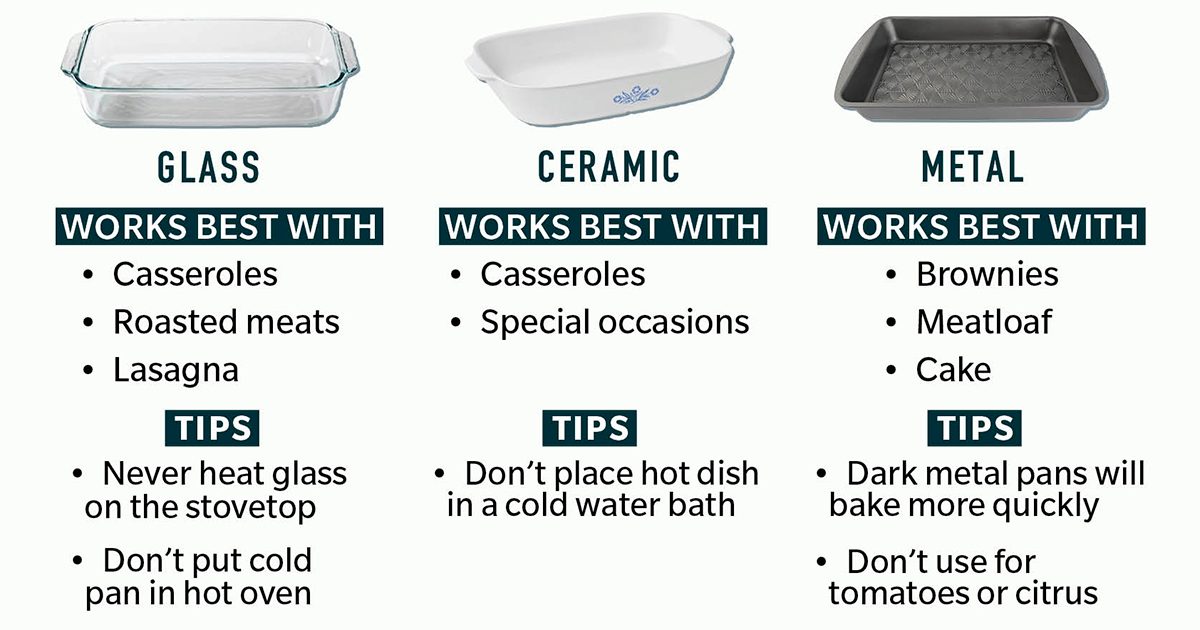
Ceramic bakeware, on the other hand, offers a different kind of versatility. It retains heat longer, making it great for dishes that benefit from slow, even cooking. Consider lasagna or casseroles that need to stay warm during serving.
When baking fruit pies, ceramic’s ability to hold heat helps achieve a beautifully browned crust. Imagine pulling out a perfectly golden apple pie from your oven. Moreover, ceramic can move seamlessly from oven to table, adding aesthetic appeal to your presentation.
So, what kind of baker are you? Do you value quick, even heat or the ability to keep dishes warm at the table? Each bakeware type offers its own strengths. Your choice depends on your cooking style and the recipes you love.
Credit: www.tasteofhome.com
Cost Considerations
Choosing the right bakeware involves considering costs. Aluminum and ceramic bakeware vary widely in price. Understanding these differences can help make informed choices. Let’s explore the cost considerations for each.
Price Range Of Aluminum
Aluminum bakeware is often budget-friendly. Basic pieces start at a low price. They are accessible to most budgets. Higher-end aluminum options cost more. These often include professional-grade items. They offer durability and even heating. Expect to pay more for these premium features.
Price Range Of Ceramic
Ceramic bakeware tends to be pricier. Basic options start at a moderate price. Premium ceramic pieces can be costly. They offer beautiful designs and excellent heat retention. These features make them popular among baking enthusiasts. The investment reflects quality and aesthetic appeal.
Health And Safety Concerns
Choosing between aluminum and ceramic bakeware involves health and safety considerations. Aluminum is lightweight, heats evenly, but may react with acidic foods. Ceramic is non-reactive, offering safer cooking with no metallic taste, but requires careful handling to avoid chipping.
When deciding between aluminum and ceramic bakeware, health and safety concerns often come to mind. It’s essential to consider how these materials might affect your health and that of your loved ones. While both options have their advantages, understanding the potential risks and safety benefits can guide you in making an informed choice.Potential Risks Of Aluminum
Aluminum bakeware is widely used due to its excellent heat conductivity and affordability. However, some concerns exist about aluminum leaching into food. This typically happens when cooking acidic foods like tomatoes or citrus-based dishes. Research suggests that excess aluminum exposure could be linked to health issues, although the evidence isn’t conclusive. While using aluminum occasionally might not be harmful, frequent use raises questions about long-term effects. To mitigate these risks, consider using anodized aluminum, which has a protective layer that reduces leaching. Alternatively, lining your aluminum pans with parchment paper can be a simple, effective solution.Safety Of Ceramic Use
Ceramic bakeware, on the other hand, is praised for being free from harmful chemicals. It doesn’t react with acidic foods, making it a safer option for many recipes. Plus, it’s often touted for its non-stick properties without the need for additional coatings. But not all ceramics are created equal. Some lower-quality ceramics might contain lead or cadmium in the glaze, which can pose health risks if they leach into food. Always ensure your ceramic bakeware is labeled as lead-free and food-safe. Ceramic is also known for its durability and aesthetic appeal. It can go straight from the oven to the table, adding a touch of elegance to your dining experience. Do you often host dinner parties or family gatherings? Ceramic could be your ideal bakeware companion, offering both safety and style. In making your choice, consider how each material aligns with your cooking habits and safety preferences. Is convenience more important, or do you prioritize peace of mind regarding health? Your decision might just boil down to what matters most in your kitchen.
Credit: www.amazon.com
Environmental Impact
Choosing bakeware goes beyond mere cooking preferences. The environmental impact of your choice is significant. Both aluminum and ceramic bakeware have distinct environmental implications. Understanding these can guide you in making a more sustainable choice.
Sustainability Of Aluminum
Aluminum is lightweight and durable. It often outlasts other materials. Producing aluminum involves mining bauxite ore. This process can cause land degradation. However, aluminum is recyclable. Recycling requires less energy than primary production. It reduces the need for new material. Recycled aluminum retains its quality. Many aluminum products contain recycled content.
Eco-friendliness Of Ceramic
Ceramic bakeware is made from natural clay. Clay is abundant and renewable. Ceramic production involves firing at high temperatures. This process consumes significant energy. Ceramic is non-toxic and safe for cooking. It does not leach chemicals into food. It breaks down naturally, reducing landfill waste. Ceramic bakeware can last for decades with proper care.
User Preferences
Choosing bakeware depends on personal preferences and needs. Aluminum and ceramic each have their own unique features. Users often choose based on their baking habits and desired results.
Baking Enthusiasts’ Opinions
Baking enthusiasts enjoy experimenting with different bakeware. Aluminum bakeware heats quickly, ensuring even baking. It is lightweight and easy to handle. Ceramic bakeware, on the other hand, offers a rustic charm. It retains heat well, keeping food warm longer. Enthusiasts often value the aesthetic appeal of ceramic. They enjoy presenting dishes straight from the oven.
Professional Bakers’ Insights
Professional bakers have distinct preferences. They value consistency and performance. Aluminum is often favored for its reliability. It provides even heat distribution, crucial for professional results. Ceramic, while elegant, can sometimes lead to uneven baking. Professionals often choose aluminum for its predictability. Yet, ceramic finds a place in specialty baking. It is favored for certain recipes requiring slow, steady heat.
Frequently Asked Questions
Which Is Better For Baking: Aluminum Or Ceramic?
Aluminum bakeware heats up quickly and distributes heat evenly, making it ideal for consistent baking. Ceramic bakeware, on the other hand, retains heat longer, which is great for slow-cooked dishes. Your choice depends on the recipe and your baking style.
Is Ceramic Bakeware Non-stick?
Ceramic bakeware is often coated with a non-stick glaze, making it easier to clean. However, it may not be as non-stick as other materials. Using a light coat of cooking spray can enhance its non-stick properties.
Does Aluminum Bakeware Affect Baking Time?
Aluminum bakeware heats up quickly, potentially reducing baking time compared to other materials. This can lead to faster cooking, so it’s essential to monitor your dishes closely to avoid overcooking.
Are There Health Concerns With Aluminum Bakeware?
Concerns about aluminum bakeware leaching into food are minimal when it is anodized. Anodized aluminum is safe for cooking and baking, as it prevents leaching and offers a durable, non-reactive surface.
Conclusion
Choosing between aluminum and ceramic bakeware depends on your needs. Aluminum heats quickly, ideal for even baking. Ceramic offers better heat retention, great for slow cooking. Consider your recipes and baking style. Both have unique benefits. Aluminum is lightweight and affordable.
Ceramic adds aesthetic value to your kitchen. Think about what matters most to you. Durability? Even heat? Aesthetic appeal? Your decision will affect your baking results. Experiment to find your perfect match. Happy baking!
