
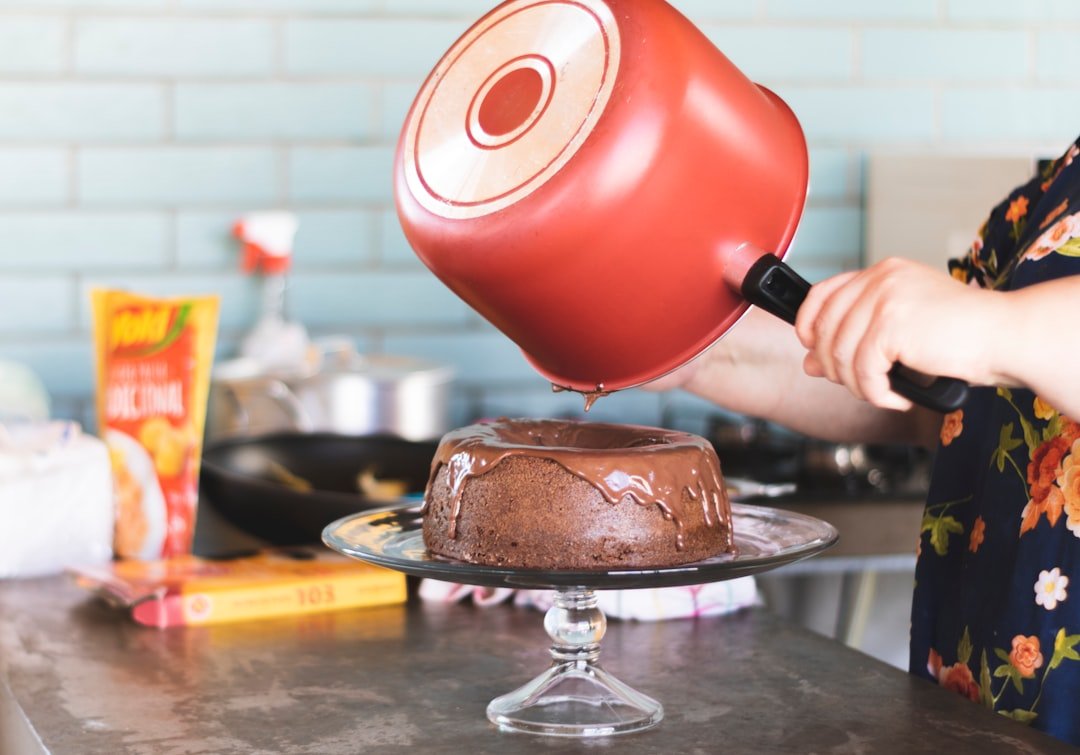
Imagine this: you’ve baked a beautiful Bundt cake, and the aroma fills your kitchen, promising a delicious treat. But when it’s time to unveil your creation, the cake stubbornly refuses to come out of the pan.
Frustrating, right? You’re not alone. Whether you’re a seasoned baker or a newbie, getting a cake out of a Bundt pan can be a tricky task. But don’t worry—there are foolproof methods to ensure your cake slides out perfectly every time.
You’ll discover simple techniques that will save your cake from disaster, preserve its stunning shape, and keep your baking confidence intact. Ready to make sure your Bundt cake is the star of your next gathering? Let’s dive in and unlock the secrets to a flawless cake release.

Credit: thedoughtydoughnut.com
Choosing The Right Bundt Pan
Selecting the ideal Bundt pan ensures easy cake release. Opt for non-stick surfaces and proper greasing techniques. Cooling cakes thoroughly prevents sticking, making removal smooth and hassle-free.
Choosing the right Bundt pan can make or break your cake. A well-chosen pan not only ensures your cake comes out beautifully but also saves you from unnecessary frustration. Let’s dive into how to select the perfect Bundt pan for your baking adventures.Material Matters
The material of your Bundt pan affects how evenly your cake bakes. Aluminum pans are popular because they distribute heat evenly and prevent hot spots. They help your cake rise uniformly, giving you a consistent texture. Non-stick pans are great for easy cake release. However, they can sometimes affect the browning of the cake. If you’re opting for non-stick, ensure it’s high-quality to avoid peeling. Silicone pans offer flexibility and easy release but may require a longer baking time. They don’t conduct heat as well as metal pans, so you might need to adjust your baking temperature.Size And Shape Considerations
The size and shape of your Bundt pan can affect the aesthetics and cooking time of your cake. Standard Bundt pans are usually 10 inches in diameter and hold about 10-12 cups of batter. Always check your recipe to ensure your pan size matches. If you choose a smaller pan, your cake will be taller and require less baking time. Conversely, a larger pan will produce a shorter cake and may need more time in the oven. The shape is where creativity shines. From classic fluted designs to intricate patterns, the shape can add visual appeal. However, more complex shapes can make cake removal tricky. Think about how easily your cake can come out without breaking. Remember that the right Bundt pan is an investment. Have you found a favorite pan that consistently delivers perfect cakes? Share your experiences and see if others have tips to add.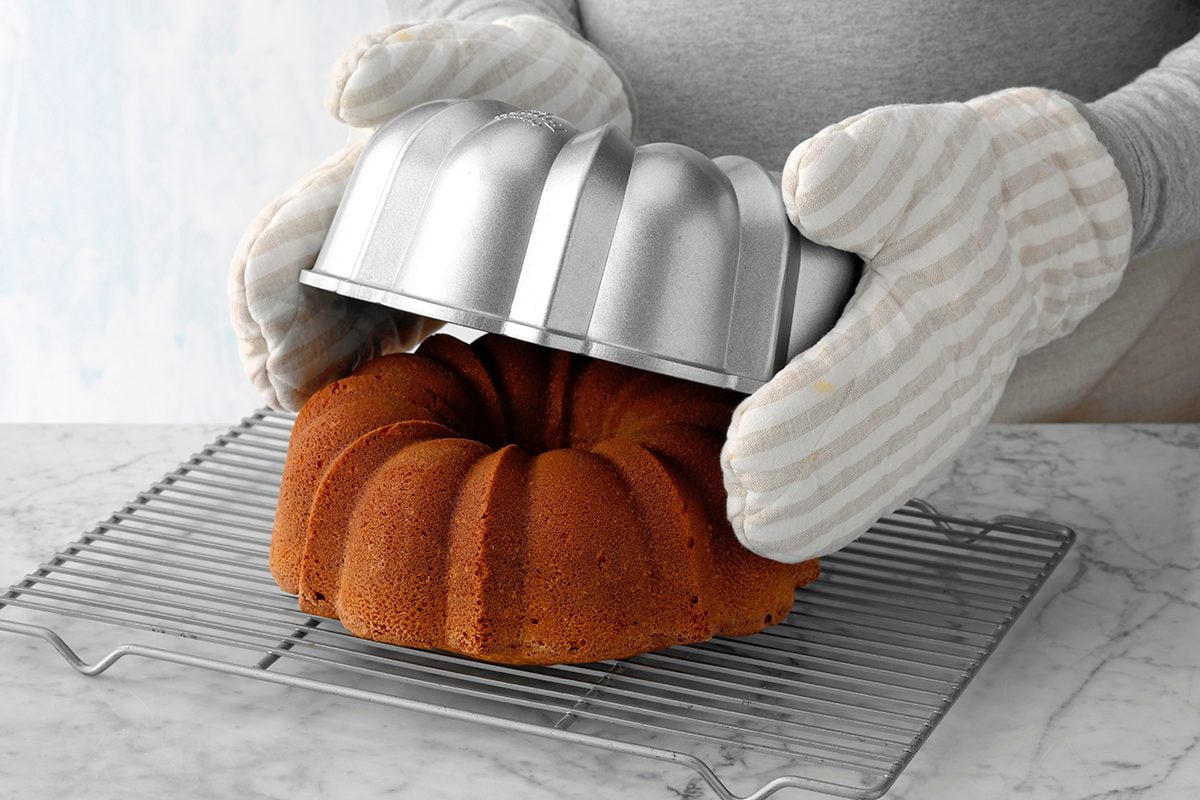
Credit: www.tasteofhome.com
Preparing The Pan
Ensuring your Bundt cake releases smoothly starts with preparing the pan. This step is crucial for a perfect cake. A well-prepared pan prevents sticking. It also helps maintain the cake’s design. Proper preparation enhances flavor and texture. Let’s explore effective methods for pan preparation.
Greasing Techniques
Greasing the Bundt pan is essential. Use a soft brush for even coverage. Butter works well for greasing. It adds a rich flavor to the cake. Vegetable shortening is another option. It provides a non-stick surface. Avoid using cooking sprays with lecithin. They can create a sticky residue. Ensure all grooves are covered. This prevents cake from sticking.
Flour Alternatives
Traditional flour is a common choice. But there are alternatives. Cocoa powder is perfect for chocolate cakes. It blends with the cake’s color. Almond flour adds a nutty flavor. It’s ideal for gluten-free options. Cornstarch creates a fine, smooth layer. It works well with delicate cakes. Experiment with these alternatives. Find the best match for your cake.
Cooling The Cake
Cooling the cake is an essential step in getting it out of the bundt pan without damaging its shape. The cooling process helps the cake firm up, making it less likely to stick. Allowing the cake to cool correctly ensures a smooth release from the pan, preserving its beautiful curves and details.
Timing Tips
Let the cake cool for at least 10 minutes. This short period allows the cake to settle but keeps it warm enough to release easily. Overcooling might lead to sticking, while rushing can result in a crumbly mess.
Avoiding Moisture Traps
Place the bundt pan on a wire rack. This allows air to circulate, preventing moisture buildup underneath. Moisture traps can cause sticking, making it difficult to release the cake without tearing.
Pat the pan gently with a dry towel if condensation forms. Removing excess moisture helps maintain the cake’s shape and texture during removal.
:max_bytes(150000):strip_icc()/apple-cream-cheese-bundt_0-4960690c989c405d8350297e4cd779c8.jpg)
Credit: www.southernliving.com
Releasing The Cake
Bundt cakes are delightful but can be tricky to release. A few simple steps can help ensure your cake slides out smoothly and intact. Proper techniques prevent frustration and maintain the cake’s shape.
Loosening The Edges
Run a thin spatula around the pan edges. This helps separate the cake from the sides. Be gentle to avoid tearing the cake. Pay attention to the intricate designs. They can hold onto parts of the cake.
Check if the cake has cooled. Warm cakes stick more. Cooling allows the cake to set, making release easier. Ensure the spatula reaches the bottom of the pan. This ensures complete separation.
Inverting With Confidence
Place a cooling rack over the pan. Hold the pan and rack together firmly. Quickly flip them over. This step requires confidence. A quick motion helps the cake fall out smoothly.
Gently lift the pan after flipping. If the cake doesn’t release, tap the pan gently. A few taps help in dislodging stubborn spots. Ensure the cake is cool enough. Warm cakes might break during inversion.
Inspect the cake after release. Check for any stuck pieces. If some remain, use a spatula to carefully remove them.
Troubleshooting Stuck Cakes
Baking a bundt cake can be rewarding. But getting it out of the pan? Sometimes a challenge. Stuck cakes can dampen the mood. Fear not. There are tricks to release them. Let’s explore effective solutions.
Handling Stubborn Cakes
First, patience is key. Let the cake cool. Warm cakes often stick. Gently tap the pan on the counter. Try this a few times. This helps loosen the cake from the edges. Use a plastic knife. Carefully slide it between the cake and the pan. Work around the edges slowly. Avoid using metal utensils. They scratch the pan. Once loose, invert the pan. Place a plate on top. Flip it over. The cake should slide out smoothly.
Using Heat As An Aid
Heat can be your friend. Warm the pan slightly. Use a hair dryer on low. Circle around the outside. This helps melt the edges a bit. Avoid overheating. You don’t want a cooked cake. Another method uses steam. Boil water in a kettle. Hold the pan above the steam. This softens the cake’s edges. Be cautious with the steam. It can be hot. After heating, try the tapping method again. The cake should release more easily.
Cleaning And Maintaining The Pan
Proper care of your bundt pan extends its life. It also ensures perfect cakes every time. Cleaning and maintaining the pan is key. This involves using the right methods and storage practices. These steps help preserve the pan’s non-stick surface.
Safe Cleaning Methods
Always let the bundt pan cool before cleaning. Use warm, soapy water and a soft cloth. Avoid abrasive sponges or cleaners. They can damage the pan’s surface. If batter sticks, soak the pan in warm water first. Gently scrub with a soft brush for stubborn spots. Never use metal utensils. They scratch the non-stick coating. After cleaning, rinse thoroughly to remove soap residue.
Storage Tips
Store the bundt pan in a dry place. Moisture can lead to rust. Avoid stacking heavy items on top. This can warp the pan. Use a soft cloth or paper between pans if stacking is necessary. This prevents scratches. Consider hanging pans to save space. A hook or pegboard works well. Make sure the storage area is cool and dry. This helps maintain the pan’s condition.
Expert Insights
Baking a bundt cake can be tricky. Getting it out perfectly is harder. Experts share valuable tips for a flawless release. Learn from their experience and avoid common mistakes.
Pro Baker Tips
Greasing the pan well is essential. Use a brush for even coating. Butter works well, but shortening is better. Dust the pan with flour after greasing. It helps prevent sticking. For intricate pans, a non-stick spray with flour is ideal.
Allow the cake to cool. Ten minutes is usually enough. This helps the cake set and prevents tearing. Place a wire rack over the pan. Invert it quickly. Gently tap the pan to release the cake. If it doesn’t release, let it cool a bit more.
Common Mistakes To Avoid
Many bakers rush to remove the cake. This often leads to disaster. Avoid using metal utensils to release the cake. They can scratch the pan. Silicone or plastic tools are safer. Don’t skip the flouring step. Grease alone isn’t enough.
Overbaking dries the cake, making it stick. Check for doneness with a toothpick. It should come out clean. Forgetting to let the cake cool is a common error. Patience pays off in baking.
Frequently Asked Questions
How Do I Prevent Cake From Sticking?
Grease the Bundt pan thoroughly with butter or oil before adding the batter. Dust it with flour to ensure easy release. Use a non-stick pan for best results. Allow the cake to cool for 10 minutes before inverting it. This helps in releasing the cake effortlessly.
What Is The Best Method To Remove A Stuck Cake?
Gently tap the pan on a counter to loosen the cake. You can use a rubber spatula around the edges. If it remains stuck, place a warm, damp towel over the pan for a few minutes. The heat and moisture will help loosen the cake.
Can I Use Cooking Spray For Bundt Pans?
Yes, using a non-stick cooking spray is effective for Bundt pans. Choose a spray with flour for better results. Make sure to cover every crevice to prevent sticking. Cooking spray is convenient and time-saving compared to traditional methods.
Should I Let The Cake Cool Before Removing?
Yes, let the cake cool for about 10 minutes before removing it. Cooling allows the cake to firm up and reduces the risk of breaking. Don’t let it cool completely in the pan, as condensation can make it stick.
Conclusion
Getting a cake out of a bundt pan isn’t hard. Follow the steps shared. Use proper greasing and cooling. Patience helps. Run a knife gently around the edges. Turn the pan slowly. Tap if needed. Your cake will come out beautifully.
Practice makes perfect. Enjoy baking without stress. Happy baking!
