
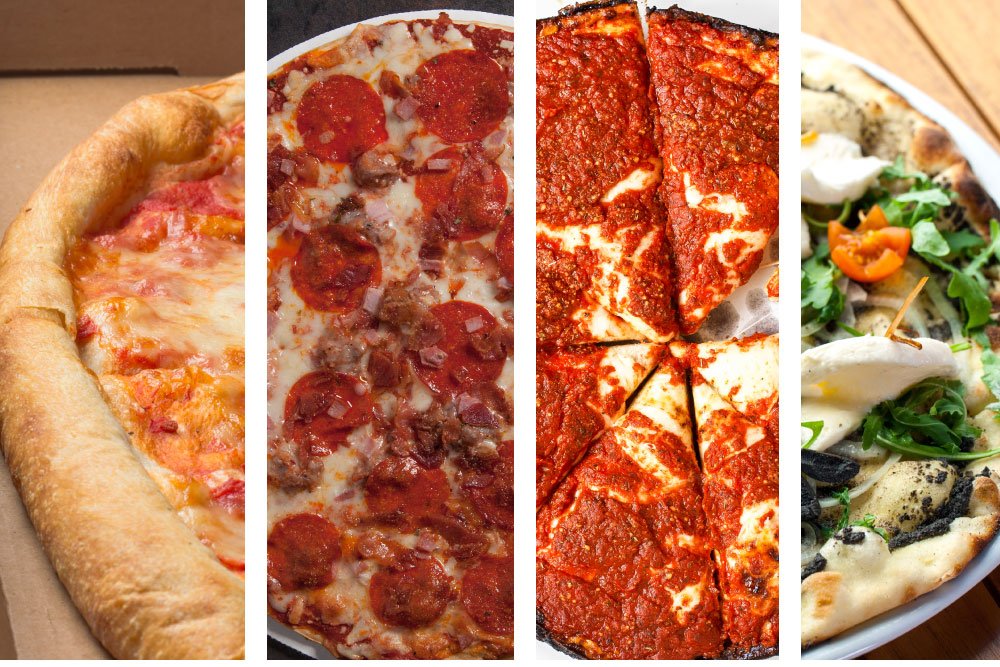
Pizza. The mere mention conjures images and aromas of melted cheese, savory sauces, and perfectly baked crusts. But pizza isn't a monolith; it's a vibrant landscape of styles, each with its own loyal following. Among these, pan pizza emerges as a distinctive and often beloved variation. You might be wondering, what exactly makes pan pizza stand out from the rest? Is it the crust, the cooking method, or something more?
Understanding the nuances between pan pizza and other popular styles isn't just for trivia night; it can profoundly impact your appreciation and enjoyment of this iconic dish. Whether you're a seasoned pizza aficionado or just beginning to explore the vast world of pizza, this guide will demystify pan pizza’s unique characteristics, compare it to its counterparts, and help you pinpoint exactly what makes it so special. Prepare to elevate your pizza knowledge and perhaps discover your new favorite way to enjoy a slice.
 A perfectly baked pan pizza, ready to be enjoyed.
The Anatomy of Pan Pizza
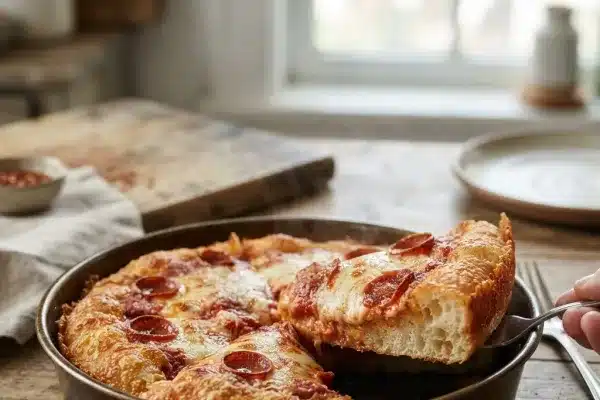
Pan pizza is characterized by a crust that is both a result of and a key component to its unique cooking method. It's a style that prioritizes texture, creating a delightful contrast that appeals to many.
The Distinctive Dough Profile
The foundation of pan pizza is its dough. Unlike thinner styles, pan pizza dough is typically enriched, often with a bit more fat (like olive oil) and sometimes milk or butter, contributing to its tender crumb. It’s also given ample time to proof, allowing it to develop air pockets and a lighter texture while still maintaining its structure. This results in a crust that’s noticeably thicker, often ranging from half an inch to over an inch high before baking.
In practice, this means pan pizza dough feels more substantial when you handle it. It’s less prone to tearing than a very thin crust and provides a more satisfying, bread-like chewiness. This richer dough is designed to hold up to generous amounts of sauce and toppings, ensuring every bite is a balanced experience.
The Crucial Cooking Vessel: The Pan
The name "pan pizza" is highly descriptive, as the cooking vessel is paramount. Pan pizzas are baked in deep, round, or rectangular pans that are typically well-oiled. This oil is essential; it fries the bottom and edges of the dough as it bakes, creating an exceptionally crispy, golden-brown exterior
| Pizza Style | Crust Thickness | Cooking Vessel | Oil Usage (in pan) | Typical Texture |
|---|---|---|---|---|
| Pan Pizza | Thick, fluffy, high | Deep metal pan | High | Crispy bottom/edges, soft/chewy interior |
| New York Style | Medium-thin, pliable | Pizza stone/deck | Low/None | Crispy, yet chewy, foldable |
| Neapolitan | Very thin, soft | Wood-fired oven/stone | Low/None | Soft, airy, slightly charred, tender |
| Chicago Deep Dish | Very thick, pie-like | Deep pan (similar to pan pizza but often with higher walls) | High | Dense, hearty, very crispy bottom |
| Key Feature | Pan Pizza | New York Style | Neapolitan Style | Chicago Deep Dish |
|---|---|---|---|---|
| Dough | Rich, hydrated, oil-infused, high rise | Leaner, high-hydration, hand-tossed | Very lean, minimal hydration, hand-stretched | Flour, yeast, water, salt (dense) |
| Sauce | Robust, tomato-based | Simple tomato | San Marzano tomatoes (crushed) | Chunky, uncooked tomato sauce (on top) |
| Cheese | Generous mozzarella, often browned/crisped edges | Low-moisture mozzarella | Fresh mozzarella (fior di latte or bufala) | Generous mozzarella (often underneath toppings) |
| Toppings | Hearty, layered | Moderate, balanced | Minimal, high-quality | Hearty, layered (often meat first) |
| Baking Method | Baked in an oiled pan | Baked on a stone/deck at high heat | Extremely high heat (wood-fired oven) | Baked in a deep pan at high heat |
| Baking Time | Longer (15-25 minutes) | Shorter (8-12 minutes) | Very short (60-90 seconds) | Longer (20-30 minutes) |
| Flavor Profile | Savory, rich, slight fried crispness | Balanced, tangy | Bright, fresh, herbaceous | Deep, robust, filling |
Contrasting Crust Textures
While pan pizza offers that signature duality—a crisp exterior yielding to a soft, pillowy interior—other styles present different textural experiences.
- New York Style: Known for its pliability and chew, the crust is thin enough to fold, providing a satisfying bite that's crispy on the bottom but not overly dense. It's a masterclass in balance for a foldable slice. For those who appreciate a good foldable slice, check out guides on choosing pizza dough ingredients for more on how the base affects the final product.
- Neapolitan Style: This is the delicate dancer of the pizza world. With a thin center and puffy, airy cornicione (edge), it’s tender, slightly chewy, and often features leopard-spotting char from its intense bake. The focus is on the quality of the dough and minimal toppings.
- Chicago Deep Dish: This style is the polar opposite in terms of texture. Its crust is thick, dense, and forms a sturdy, pie-like shell. The bottom is often buttery and crispy from the pan, while the interior can be almost biscuit-like, designed to contain a veritable mountain of cheese and sauce. You can find guidance on selecting the right cookware, such as non-stick pans for your kitchen, which highlights the importance of the vessel in cooking.
The Role of Oil and Heat
The significant amount of oil used in the pan for pizza is a deliberate choice aimed at frying the dough. This process creates the distinct crispy bottom and edges that are hard to replicate without a hot pan. The oil acts as a conductor of heat, ensuring rapid and even browning and developing a unique, almost fried-like texture on the crust's exterior. This differs greatly from baking on a pizza stone or deck, where dry heat is the primary element, resulting in a cleaner crispness without the added richness of fried dough. The intense heat of a wood-fired oven used for Neapolitan pizza also creates char and a blistered crust, a completely different outcome from the gentle frying achieved in a pan.
Classic Pizza Styles vs. Pan Pizza
Beyond the technical aspects of crust and cooking, pan pizza's place in the pizza pantheon is best understood by comparing it to its most iconic brethren. Each brings its own heritage and culinary philosophy to the table.
New York Style: The Foldable Icon
New York style pizza is arguably the most famous American pizza tradition. Its defining characteristic is a large, thin, and pliable crust that allows for the iconic "New York fold." This style emphasizes a balance of crust, sauce, and cheese that is easy to eat on the go. A well-made New York slice has a crisp yet chewy texture with a slightly tangy tomato sauce and a generously applied, but not overwhelming, layer of mozzarella cheese. Toppings are typically simple and well-distributed, allowing the overall harmony of the slice to shine. It's less about hearty abundance and more about sophisticated simplicity and portability. If you're interested in achieving that perfect crisp-chewy balance at home, understanding the right non-stick cookware can be a game-changer, even if not for pizza.
Neapolitan Style: The Ancestral Masterpiece
Hailing from Naples, Italy, Neapolitan pizza is the blueprint for modern pizza. It's recognized by the Associazione Verace Pizza Napoletana (AVPN), which sets strict rules for authenticity. This pizza features a very thin, soft crust at its center, surrounded by a puffy, airy, and slightly charred outer rim. It's traditionally cooked in a wood-fired oven at extremely high temperatures (around 900°F or 485°C) for a mere 60-90 seconds. The ingredients are key: San Marzano tomatoes, fresh mozzarella (fior di latte or bufala), fresh basil, and a drizzle of olive oil. The flavor is bright, fresh, and focused on the quality of a few premium ingredients. While pan pizza is about substantiality, Neapolitan pizza is about ephemeral lightness and pure flavor.
Chicago Deep Dish: The Hearty Pie
Chicago deep dish pizza is a world apart from both New York and Neapolitan styles, and shares more structural similarities with pan pizza, though its execution is distinct. It's baked in a deep, round pan, much like pan pizza, but its crust is far more substantial and is often described as pie-like. Layers consist of a thick crust at the bottom, followed by copious amounts of cheese, chunky tomato sauce, and typically meat toppings like sausage. The sauce is usually placed on top of the cheesein order to prevent the cheese from burning during the extended baking time. The result is a rich, filling, and decadent meal that requires a knife and fork to eat. While pan pizza offers a crispy-meets-soft experience, deep dish is about a dense, layered, and intensely savory pie. For those who love a robust, filling meal, exploring cast iron cookware can offer insights into creating that perfect crispy base, even if it's not specifically for pizza.
Toppings and Ingredients: A Pan Pizza's Playground
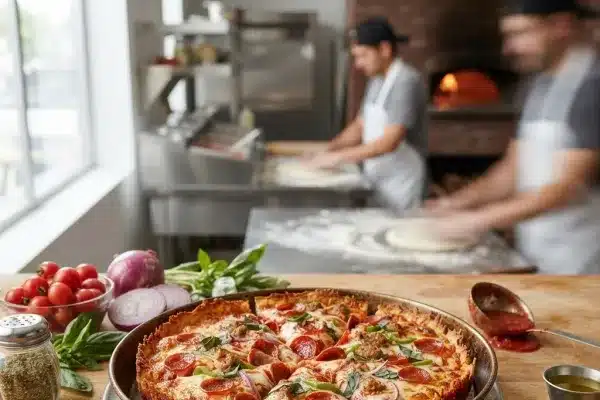
The way toppings and ingredients are treated is a significant differentiator, and pan pizza often serves as a canvas for bold, abundant flavors.
Generous Cheese and Sauce Application
Unlike styles where a lighter hand with cheese is preferred to highlight the crust or delicate toppings, pan pizza embraces abundance. A generous layer of shredded mozzarella forms a substantial blanket, often caramelizing and crisping at the edges where it meets the hot, oiled pan. This creates delightful "cheese crust" bits that many consider the best part of the slice. The sauce, too, tends to be more robust and often cooked down slightly, providing a rich flavor that complements the hearty dough. This is in contrast to Neapolitan pizza, where fresh mozzarella and a minimal amount of pureed tomatoes are traditional, or New York style, where cheese is balanced to allow the crust's chewiness to dominate. If you're looking for the best ways to handle ingredients, understanding non-toxic dishware is crucial for mindful cooking.
Toppings That Hold Their Ground
The sturdy, substantial crust of pan pizza is an ideal base for a wide array of toppings, and it can handle more than many other styles without becoming soggy. This makes it a favorite for "everything" pizzas featuring multiple meats, vegetables, and cheeses. The thicker dough provides stability, preventing toppings from sliding off. Common toppings include classic pepperoni, Italian sausage, mushrooms, onions, and bell peppers, often layered liberally. This fullness contrasts with the minimalist approach of Neapolitan pizza, where usually only three or four high-quality ingredients are used, or New York style, where toppings are balanced for a foldable slice. For those who enjoy exploring a breadth of ingredients, consider how different pots and pans can influence your cooking preparations.
Cooking Techniques: The Heart of the Difference
The way pan pizza is cooked is fundamental to its identity, setting it apart from virtually every other pizza style.
Pan-Frying the Crust
The defining cooking technique for pan pizza is baking it in a deep, well-oiled pan. This isn't just about containment; it's about active frying. As the dough heats, the oil coats the bottom and sides, creating a signature crispy, golden-brown, and often slightly greasy exterior. This method allows the crust to develop a characteristic crunch that is both satisfying and distinct from the dry-baked crispness of stone or deck-fired pizzas. The oil also contributes to the tender crumb within, infusing it with flavor and richness. This frying aspect is a key differentiator that deeply influences the final texture and taste.
Baking Time and Temperature
Pan pizza typically requires a longer baking time than thinner styles, often ranging from 15 to 25 minutes, depending on the pan size and dough thickness. This extended period in the oven allows the thick dough to cook through thoroughly and the cheese and toppings to meld perfectly. The temperature, usually moderate (around 375°F to 450°F or 190°C to 230°C), ensures that the crust cooks evenly without burning before the interior is done. This contrasts sharply with Neapolitan pizza's lightning-fast bake in a blazing hot oven or New York style's shorter bake on a very hot surface. The controlled, longer bake in a pan is essential for achieving the signature texture of pan pizza.
A Deep Dive into Regional Styles and Preferences
Pizza is a global phenomenon, and its evolution has led to distinct regional interpretations, with pan pizza finding its own strongholds and particular adherents.
American Regional Variations
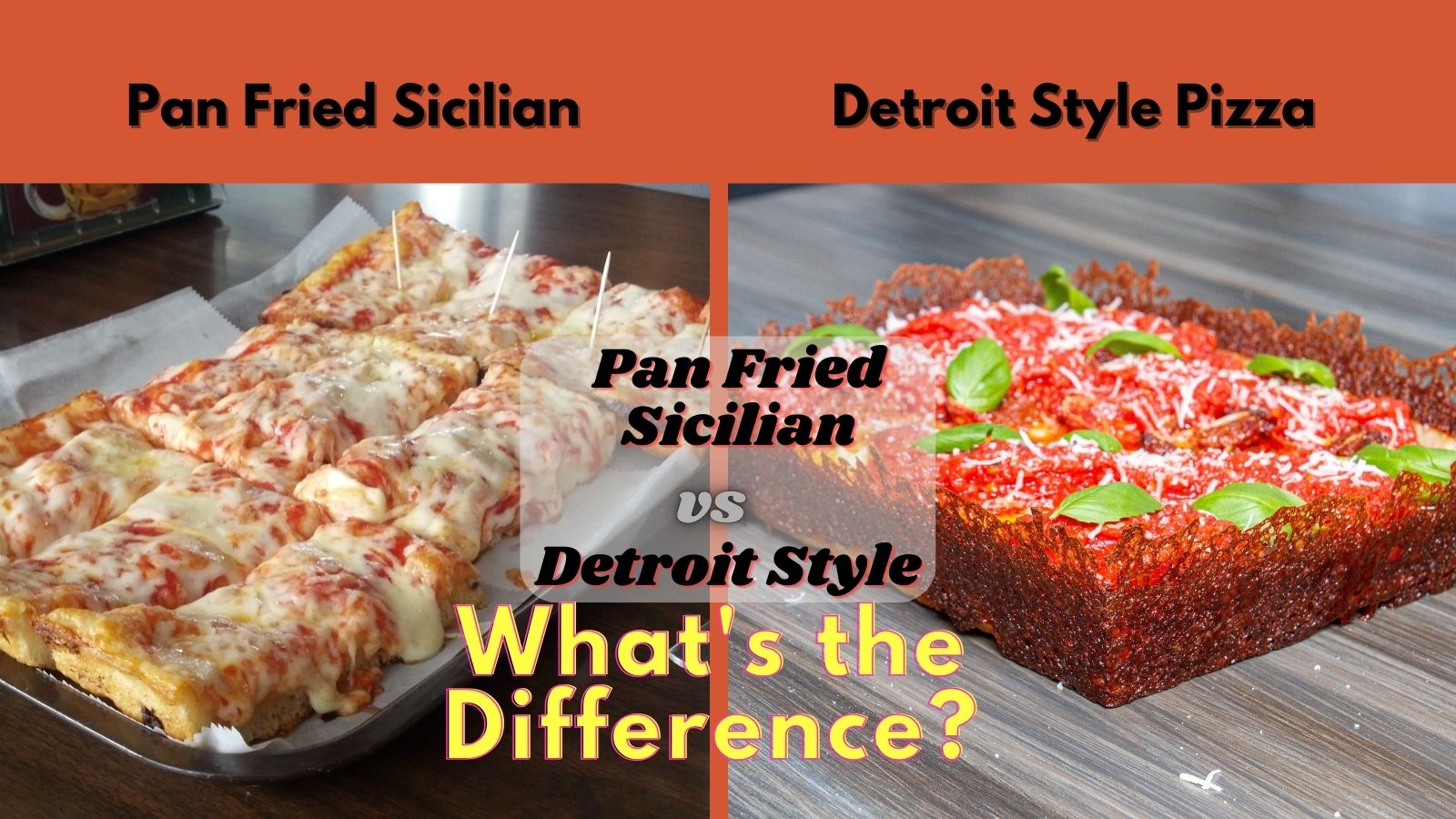
While pan pizza itself has roots in various culinary traditions, its widespread popularity in the United States has led to certain regional interpretations. For instance, Detroit-stylepizza, though often baked in a rectangular pan and therefore a type of pan pizza, boasts a distinct caramelized cheese crust achieved by baking in special blue steel pans and a specific layering of sauce after the cheese. This highlights how the "pan" in pan pizza can encompass variations in shape and specific techniques. Other American styles, like the St. Louis style thin crust or the aforementioned Chicago deep dish, represent different ends of the pizza spectrum and are deeply ingrained in their respective city's culinary identities. The popularity of pan pizza can also be seen as deeply rooted in Midwestern comfort food traditions, favoring hearty, filling dishes.
International Adaptations
Internationally, pan pizza has been adapted to suit local palates, often becoming a vehicle for regional ingredients and flavor profiles. In many parts of Asia, for instance, pan pizzas might feature bolder, sweeter, or spicier toppings, and the crust might be made even softer or airier. European adaptations might lean towards more traditional, high-quality toppings while still retaining the pan-baked crust. The core concept of a thick, crispy-yet-soft crust baked in a pan allows for immense versatility, making it a globally adaptable style. Exploring international culinary ingredients can offer a glimpse into how diverse cultures approach their favorite dishes.
Flavor Profiles: A Deeper Sensory Experience
Beyond texture and preparation, the flavor profile of pan pizza offers a unique sensory experience that distinguishes it from other styles.
The Savory, Rich Bite
The combination of the slightly fried crust from the oil, the robust tomato sauce, and the abundant, often browned cheese creates a deeply savory and rich flavor experience with every bite. The dough itself, sometimes enriched with oil or butter, contributes a more decadent, bread-like taste than leaner doughs. This substantial flavor profile is built to satisfy, offering a comforting and robust taste that can feel more like a complete meal than a lighter pizza style.
A Symphony of Textures and Tastes
Pan pizza excels in delivering a harmonious interplay of textures and tastes. The crisp exterior gives way to a soft, airy, and chewy interior. The generous cheese layer provides a gooey, melty counterpoint, and toppings, whether they be savory meats or fresh vegetables, add their own distinct notes. This combination ensures that each mouthful is complex and engaging. Unlike a Neapolitan pizza where the focus might be on the pure taste of a few ingredients, or a New York slice where chewiness is paramount, pan pizza offers a full-spectrum sensory experience that engages multiple taste and texture receptors simultaneously.
Aromatic Qualities
The rich ingredients and the frying process in the pan contribute to a distinct aroma. The scent of browned cheese, flavorful tomato sauce, and subtly fried dough fills the air, often more intensely than with thinner crust pizzas. This aroma is inviting and hints at the hearty, satisfying meal to come. It’s a scent that promises comfort and indulgence, setting it apart from the brighter, fresher aromas of Neapolitan pizza or the more subdued, yeasty scent of a New York slice.
Nutritional Considerations: Making Informed Choices
While delicious, understanding the nutritional aspects of pan pizza allows for more informed choices, especially when compared to other styles.
Caloric Density
Pan pizza is generally more calorically dense than thinner crust varieties. This is primarily due to the thicker dough, the generous amount of cheese and toppings, and crucially, the oil used in the pan which fries the crust, adding extra fat and calories. A typical slice of pan pizza will therefore contain more calories per serving than a comparable slice of New York style or Neapolitan pizza.
Macronutrient Breakdown
The macronutrient profile of pan pizza typically reflects its construction. It's often higher in carbohydrates due to the substantial dough. Protein and fat content will vary significantly based on the type and amount of cheese and meat toppings used. For example, a pan pizza loaded with pepperoni and extra mozzarella will be considerably higher in protein and fat than one topped with vegetables and a lighter cheese. If you're concerned about making mindful kitchen choices, looking into [non-stick cookware](https://kitchenbucks.com/best-nonstick- Cookware-no-glass-lid/) can be a part of a healthier approach.
Dietary Adaptations and Healthier Options
While pan pizza is traditionally a more indulgent choice, there are ways to make it more aligned with dietary needs. Many pizzerias now offer whole wheat or alternative grain crusts for their pan pizzas, increasing fiber content. Opting for leaner protein toppings, more vegetables, and a moderate amount of cheese can also help reduce overall fat and calories. For those seeking lighter options, styles like thin-crust or Neapolitan pizza are generally lower in calories and carbohydrates. Ultimately, portion control and mindful topping selection play a significant role in the healthfulness of any pizza, including pan pizza. Exploring healthy cooking appliances can also offer alternative preparation methods for various foods.
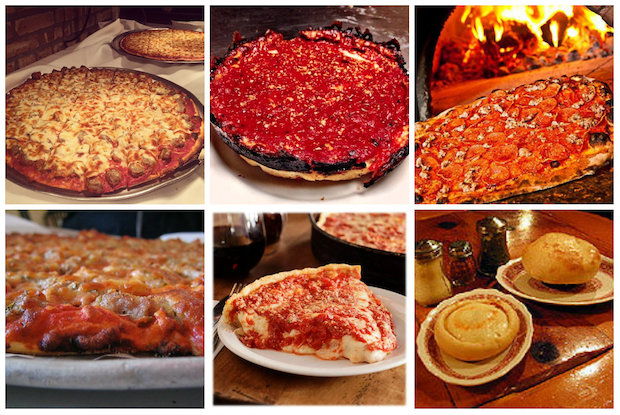 A visual comparison of diverse pizza styles.
The Evolving Landscape: Popularity and Trends
Pan pizza isn't static; its popularity ebbs and flows with culinary trends, and modern innovations continue to shape its perception and consumption.
Enduring Popularity and Niche Appeal
Despite the rise of healthier options and diverse global cuisines, pan pizza maintains a strong and enduring appeal, particularly for those seeking a comforting, hearty, and satisfying meal. It remains a staple in many casual dining establishments and pizzerias, especially in regions where its rich profile is a local favorite. Its appeal often lies in its generosity and its ability to satisfy a substantial hunger, making it a go-to for family gatherings or a treat after a long week.
Modern Innovations and Adaptations
The pizza industry is constantly innovating, and pan pizza is no exception. We're seeing adaptations like gluten-free pan pizza crusts, cauliflower crusts, and even variations on the traditional cheese and sauce with global flavor infusions. Chefs are experimenting with fermentation techniques to create even more complex crust flavors and textures, while modern ovens allow for greater precision in achieving that perfect crispy-yet-soft balance. These innovations make pan pizza accessible to a wider audience and offer new ways to enjoy this classic style. If you’re curious about the mechanics of cooking, learning about different oven types can explain why certain styles bake better in specific appliances.
Consumer Preferences and the Future of Pan Pizza
Ultimately, consumer preference dictates the trajectory of any food trend. Pan pizza's appeal is rooted in its satisfying texture, rich flavor, and generous nature. As dietary awareness grows, there's a simultaneous demand for both indulgent comfort food and healthier alternatives. This suggests that pan pizza will likely continue to thrive as a beloved comfort food option, while also evolving to incorporate healthier ingredients and preparation methods. Consumers are increasingly looking for quality ingredients and personalized experiences, and pan pizza, with its adaptable nature, is well-positioned to meet these demands. Whether it’s a classic pepperoni or an avant-garde fusion, the pan pizza continues to evolve.
Frequently Asked Questions About Pan Pizza
What Defines a Pan Pizza's Texture?
Pan pizza is defined by its dual-texture crust: a distinctly crispy, often golden-brown exterior that is achieved by frying in an oiled pan, giving way to a soft, fluffy, and slightly chewy interior. This contrast sets it apart from the uniformly crisp or chewy textures of other styles.
How Does Pan Pizza Differ in Preparation?
The preparation of pan pizza involves a richer, often hydrated dough that is allowed to proof sufficiently in a well-oiled, deep pan. This allows the dough to rise high and absorb the oil during baking, creating its characteristic thick, fried crust. Toppings are usually applied generously after the dough is placed in the pan.
Is Pan Pizza Healthier Than Other Styles?
Generally, pan pizza is more calorically dense than thinner styles like New York or Neapolitan due to its thicker dough, higher oil content from the pan-frying process, and often generous cheese and toppings. However, healthier options can be achieved by choosing leaner toppings, more vegetables, and moderate cheese.
What Toppings Suit Pan Pizza Best?
The sturdy, substantial crust of pan pizza is ideal for hearty, abundant toppings. This includes classic pairings like pepperoni, sausage, mushrooms, and peppers, as well as more complex combinations. Its ability to hold substantial ingredients without becoming soggy makes it a prime candidate for fully loaded pizzas.
Conclusion: Embracing the Pan Pizza Difference
In the vast and varied world of pizza, pan pizza carves out its own distinct and delicious niche. Its defining characteristic lies in its thick, golden crust, which offers an irresistible duality: a satisfyingly crisp exterior giving way to a soft, fluffy interior, all achieved through the magic of baking in an oiled pan. This method not only creates a unique texture but also imbues the crust with a savory richness that sets it apart.
When contrasted with styles like the foldable, chewy New York slice, the delicate, high-temperature Neapolitan, or the pie-like density of Chicago deep dish, pan pizza stands out for its hearty, comforting, and often generously topped composition. The thoughtful application of ingredients, from abundant cheese to robust sauces, finds a perfect home on its forgiving crust.
Understanding these differences isn't just about pizza trivia; it's about appreciating the craft and culinary intent behind each style. Whether you crave the artisanal simplicity of a Neapolitan, the iconic fold of a New York slice, or the substantial satisfaction of a pan pizza, there's a perfect pizza waiting to be discovered. So next time you order or bake, consider what draws you to each style and savor the unique journey each slice offers. Explore new favorites and return to old comforts with a newfound appreciation for what makes each pizza style so special.
