
When it comes to baking the perfect pie, the choice of pan can make all the difference. Have you ever pulled a pie out of the oven only to find the crust isn’t quite right?
You’re not alone. The secret to a flawless pie lies in selecting the right pan. Imagine slicing into a pie with a golden, flaky crust that holds its shape perfectly. Sounds delightful, right? We’ll explore which pan is best for pies, ensuring that your creations are not just good, but irresistibly delicious.
Get ready to discover the secrets that will transform your baking game and make every pie you bake a masterpiece.
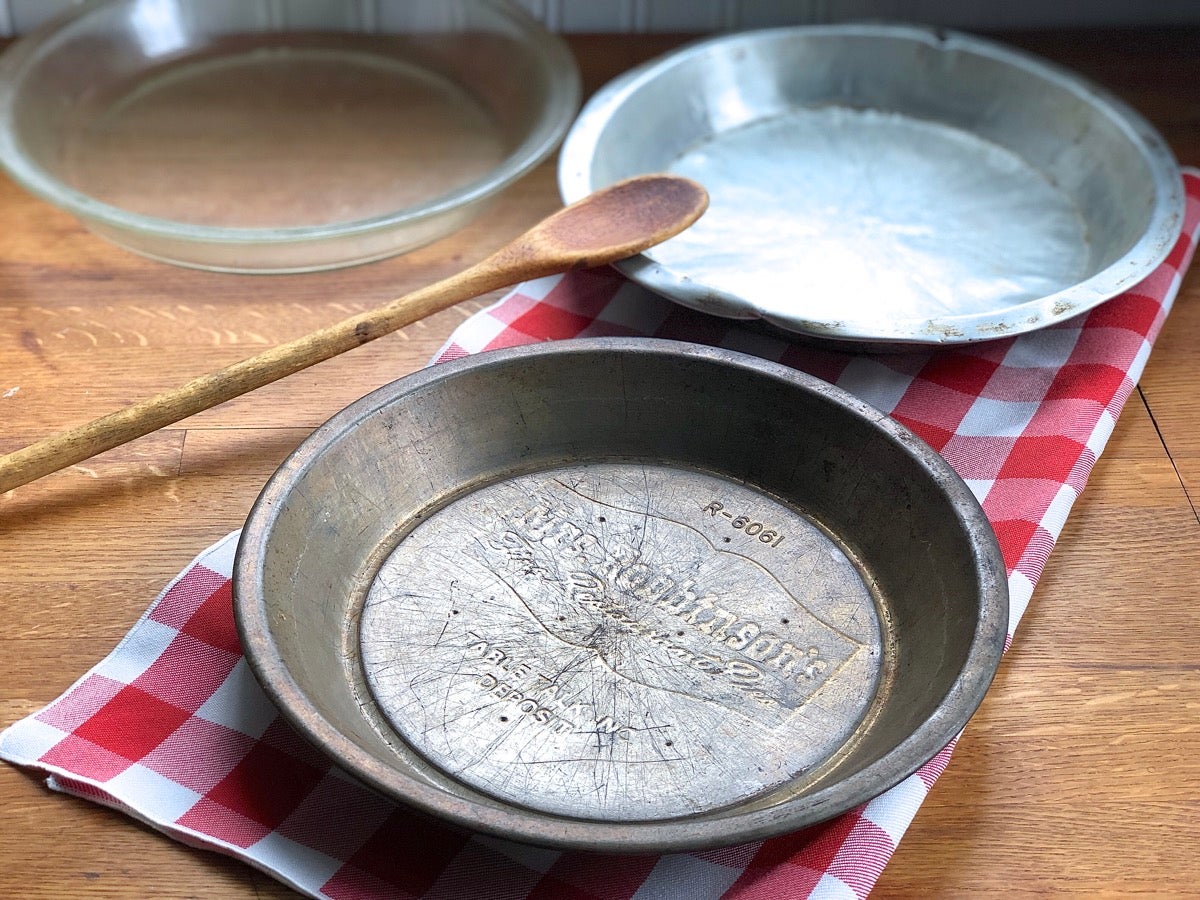
Credit: www.kingarthurbaking.com
Types Of Pie Pans
Choosing the right pie pan can make all the difference in your baking experience. Whether you’re a seasoned baker or just starting out, knowing the different types of pie pans can help you achieve the perfect crust. From metal to disposable pans, each type has its unique characteristics. Let’s dive into the world of pie pans and discover which one suits your baking style best.
Metal Pans
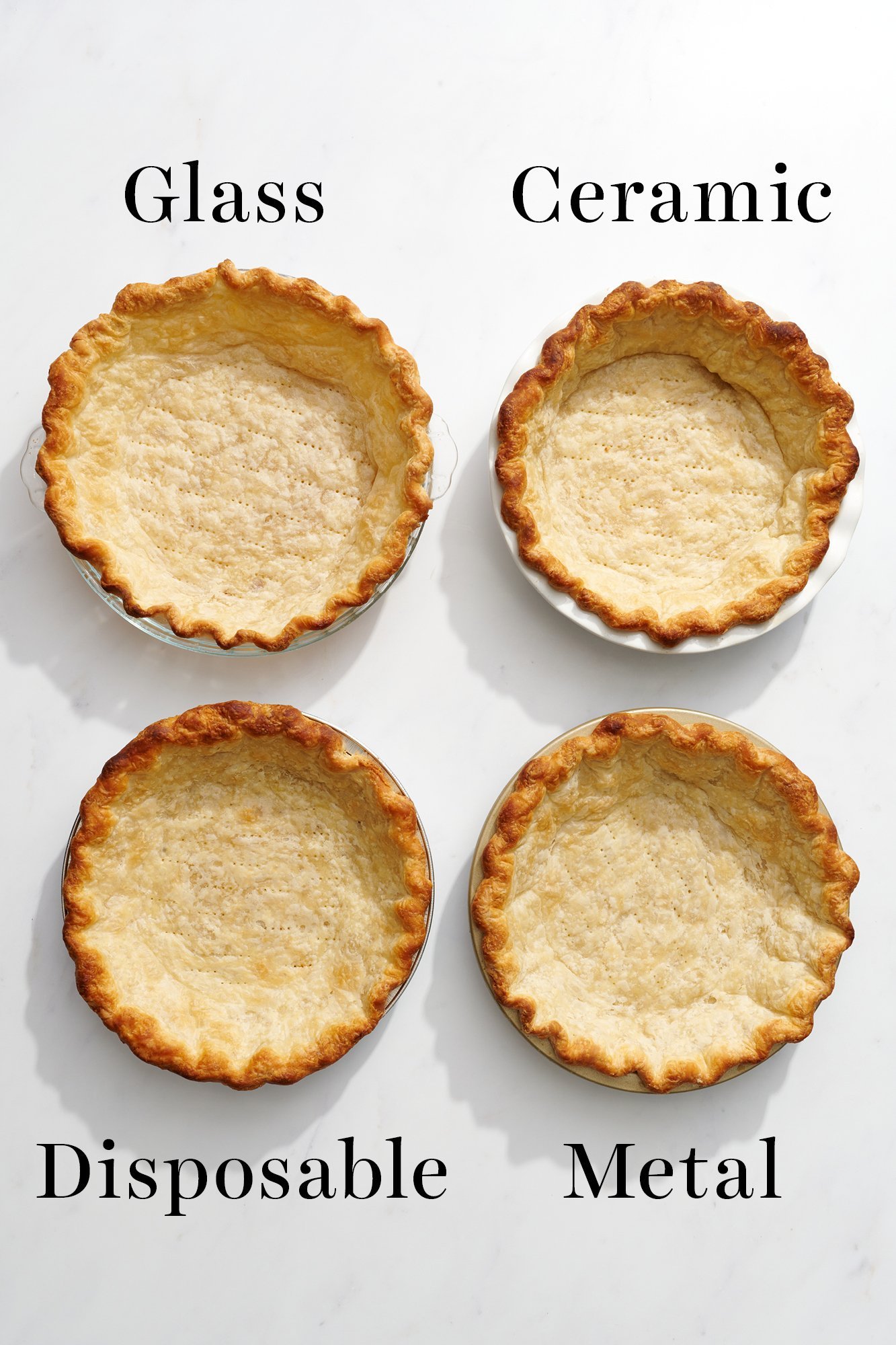
Metal pans are a popular choice for many bakers. They heat quickly, ensuring your pie crust bakes evenly. Ever notice how some pies have a perfectly golden crust? Metal pans might be the secret. They are lightweight and durable, making them easy to handle. However, they can sometimes lead to soggy bottoms if not watched carefully. Do you prefer your pies with a crisp crust?
Glass Pans
Glass pans allow you to keep an eye on your pie as it bakes. Seeing the bottom of your pie turn golden brown is oddly satisfying. Glass pans distribute heat evenly, making them a reliable option. However, they are heavier and more fragile than metal pans. Have you ever had a pie disaster with a broken glass pan?
Ceramic Pans
Ceramic pans are known for their aesthetic appeal. They often come in charming designs that make serving your pie a treat. These pans retain heat well, keeping your pie warm longer. But, they take longer to heat up, which might require adjusting your baking time. Would you sacrifice baking speed for style?
Disposable Pans
Disposable pans are perfect for those who bake occasionally or want to share pies without worrying about getting the pan back. They’re lightweight and convenient for transport. However, they may not provide the same even baking as other materials. Have you ever gifted a pie in a disposable pan?
Each type of pie pan has its strengths and weaknesses. Your choice might depend on your baking habits, the occasion, or even the type of pie you’re making. Consider what matters most to you in a pie pan. Is it the evenness of the bake, the ease of transport, or perhaps the beauty of presentation? Your pies deserve the best!

Credit: tastesbetterfromscratch.com
Size And Shape Considerations
Selecting the right pan involves considering size and shape. Opt for a shallow, round pan for even crust baking. A diameter of 9 inches is ideal for standard pie recipes, ensuring balanced filling distribution.
Choosing the right pan for your pie can make or break your baking experience. Size and shape play critical roles in determining how your pie will bake and present. The wrong choice can leave you with unevenly cooked crusts or unsightly spills. Let’s dive into how different sizes and shapes can impact your pie-making success.Standard Sizes
Standard pie pans are typically 9 inches in diameter. This size is perfect for most recipes. It provides a balanced crust-to-filling ratio, ensuring even cooking. A personal anecdote: I once used an 8-inch pan for a recipe meant for a 9-inch. The result? Overflowing filling and an undercooked center. Lesson learned—stick to the recommended size. Standard pans are also widely available. They fit into most ovens without issue. If you’re just starting out, this is your best bet.Deep-dish Options
Do you love a generous filling? Deep-dish pans might be your preference. These pans are deeper, often around 2 inches. They are ideal for fruit pies that require extra filling. Imagine biting into a pie and getting more luscious apple or cherry goodness. However, remember to adjust your baking time. The thicker filling needs more time to cook through. Consider using a pie shield to prevent over-browning of the crust.Miniature Pies
Mini pies are delightful and perfect for portion control. They make for great party treats or personal snacks. Using muffin tins or specialized mini pie pans, you can create these bite-sized delights. They cook faster than standard pies, saving you time. Think about the joy of having a variety of flavors in one baking session. One tray could hold apple, another berry, and another pumpkin. It’s a great way to please a crowd or experiment with new flavors. What size and shape will you choose for your next pie adventure? The right pan can elevate your baking from good to unforgettable.Material Differences
Finding the best pan for pies involves considering material differences. Glass pans offer even heating and crust visibility, while metal pans provide quicker baking and crispier edges. Ceramic pans are great for retaining heat, ensuring pies stay warm longer.
When baking pies, the type of pan you use can make a big difference. The material of the pan affects how your pie crust turns out. Let’s dive into how different materials impact your pie-baking experience. Whether you prefer a flaky or evenly cooked crust, choosing the right material can help achieve that perfect pie.Heat Conductivity
The material of your pie pan affects how evenly heat is distributed. Metal pans, such as aluminum and stainless steel, heat up quickly and distribute heat well, which is great for a crispy crust. Glass pans, on the other hand, allow you to see the bottom of your pie as it bakes, ensuring an evenly cooked crust. However, they take longer to heat up, which might require adjusting your baking time. Ceramic pans offer a more even heat distribution but can result in a softer crust. Have you noticed how some pies cook unevenly? It might be time to consider the material of your pan.Weight And Handling
The weight of a pie pan can affect how you handle it. Metal pans are generally lighter and easier to maneuver, especially when placing or removing them from the oven. Glass and ceramic pans are heavier, which can be a concern if you have to transport your pie. Have you ever struggled to lift a hot, heavy pie out of the oven? Opting for a lighter pan might make the task easier. But remember, the heft of a ceramic pan often helps retain heat, which can be advantageous when serving.Durability And Maintenance
Consider how much care and effort you’re willing to invest in your pie pan. Metal pans are durable and can withstand frequent use, but they may scratch or warp over time. Glass pans are also durable but can shatter if dropped. Ceramic pans are sturdy and can be quite decorative but often require careful handling to avoid chipping. Cleaning is another factor; non-stick metal pans are easy to clean, while ceramic pans may need a bit more elbow grease. Have you thought about how often you bake pies and how much effort you want to spend on maintenance? Choosing the right pie pan material depends on what you value most: heat distribution, ease of handling, or durability. Consider your needs and preferences, and you’ll find the best pan for your pie-baking adventures. What’s your favorite material, and how has it changed your pie outcomes? Share your experiences!Specialty Pie Pans
Choosing the right pie pan can make all the difference. Specialty pie pans are designed to enhance your baking experience. These pans are crafted to suit different types of pies. They help achieve the perfect crust and filling texture. Let’s explore three popular types of specialty pie pans.
Tart Pans
Tart pans are ideal for delicate pies. They often have removable bottoms. This feature allows easy pie removal without breaking the crust. Tart pans come in various sizes. The metal construction ensures even heat distribution. This results in a crisp and flaky crust every time.
Springform Pans
Springform pans are versatile for different pies. They are perfect for pies with soft fillings. The sides of the pan can be removed. This makes serving easy and neat. The non-stick coating prevents crust sticking. Springform pans are great for cheesecakes and deep-dish pies.
Cast Iron Pans
Cast iron pans add a rustic charm to your pies. They are durable and last for years. The heavy material retains heat well. This creates a golden-brown crust. Cast iron pans are perfect for savory pies. They are also great for fruit pies with a thick crust.
Non-stick Vs. Traditional
Choosing the right pan for pie baking is crucial. Two popular options are non-stick and traditional pans. Each has its own benefits and drawbacks. Understanding these can help you make the best choice for your baking needs.
Benefits Of Non-stick
Non-stick pans are known for easy release. Pies slide out without sticking. This feature makes clean-up a breeze. These pans often have a smooth surface. This ensures even baking. Non-stick coatings prevent burning. They also help in achieving a perfect crust. Lightweight design makes them easy to handle.
Traditional Pan Advantages
Traditional pans are durable and reliable. They offer a classic baking experience. Made from materials like glass or metal. These pans provide excellent heat distribution. This ensures a crispy bottom crust. They are ideal for achieving golden edges. Traditional pans often have a timeless look. They can enhance the aesthetic of your kitchen. Many bakers love the nostalgic feel they bring.
Choosing The Right Pan For Your Pie
Selecting the right pan can make or break your pie. Glass pans offer even heat distribution, ensuring a perfectly cooked crust. Metal pans, on the other hand, provide a crispier finish, ideal for fruit pies. Choose based on your desired crust texture and baking experience.
Choosing the Right Pan for Your Pie Baking a pie can be an art form, and choosing the right pan is crucial to getting it just right. The pan you select can make or break the pie’s texture and flavor. So, how do you choose the perfect pan for your pie? Let’s dive in.Fruit Pies
Fruit pies are juicy and often overflow with delicious fillings. A deep-dish glass or ceramic pan is often the best choice here. These materials distribute heat evenly, ensuring your fruit cooks thoroughly without burning the crust. Glass pans also allow you to see the bottom, helping you gauge when the crust is beautifully golden. Have you ever baked a pie and wondered if the bottom was done? With a glass pan, you won’t have to guess.Custard And Cream Pies
Custard and cream pies require gentle and even heat. Opt for metal pans with a non-stick surface. They heat up quickly and can prevent your custard from overcooking. Ever experienced that sinking feeling when your pie sticks to the pan? Metal pans often come with removable bottoms, making it easy to release your pie without damage. Your custard pie will slide out smoothly, maintaining its perfect form.Savory Pies
Savory pies like chicken pot pie or quiche benefit from sturdy pans. Consider using a cast-iron or heavy-duty metal pan. These can handle high heat and provide a crisp, flaky crust. A cast-iron pan is a kitchen workhorse; it retains heat well and can transition from stovetop to oven effortlessly. Do you love a crispy crust with your savory fillings? A cast-iron pan might be your new best friend. Choosing the right pan isn’t just about aesthetics. It’s about enhancing the flavor and texture of your pie. Next time you bake, think about how your pan choice can elevate your creation. What’s your favorite pie, and which pan will you choose?Baking Tips And Tricks
Choosing the right pan for pies is essential for perfect crust. Glass pans offer even heat distribution and visibility, ensuring golden crust. Metal pans are durable, ideal for crispy pies.
Baking a pie can be an art form, and like any artist, you need the right tools for the job. Have you ever wondered what pan works best for that perfect pie? With a few baking tips and tricks, you can turn your pie-baking experience from daunting to delightful. Let’s dive into some essential insights that will elevate your pie-making game.Pre-baking Preparations
Before you even roll out your dough, ensure your ingredients are chilled. Cold butter or shortening in your dough leads to a flakier crust. Measure your ingredients precisely. A kitchen scale can be your best friend here. Have your pie pan ready. Metal pans conduct heat evenly, giving you a well-cooked crust, while glass pans let you peek at the bottom. Choose your weapon wisely, and you’ll already be a step ahead.Avoiding Soggy Bottoms
No one likes a pie with a soggy bottom. To avoid this, consider blind baking your crust. This means baking the crust alone before adding the filling. Use pie weights or dried beans to keep it from puffing up. Another trick is to sprinkle a layer of breadcrumbs or crushed cookies on the bottom. It acts as a barrier, absorbing moisture from the filling. Have you tried this before? It might just be your new favorite trick.Perfect Pie Crusts
Achieving that perfect pie crust can feel like a daunting task. But with a few tips, it’s easier than you might think. Keep your dough cool, and don’t overwork it. Overworking can lead to a tough crust. Consider using a mixture of butter and shortening for the best of both worlds – flavor and flakiness. Roll your dough between two sheets of parchment paper. It prevents sticking and makes transferring to the pan a breeze. Remember, practice makes perfect. Each pie is a learning experience. What’s your favorite pie crust tip? Share it with us in the comments!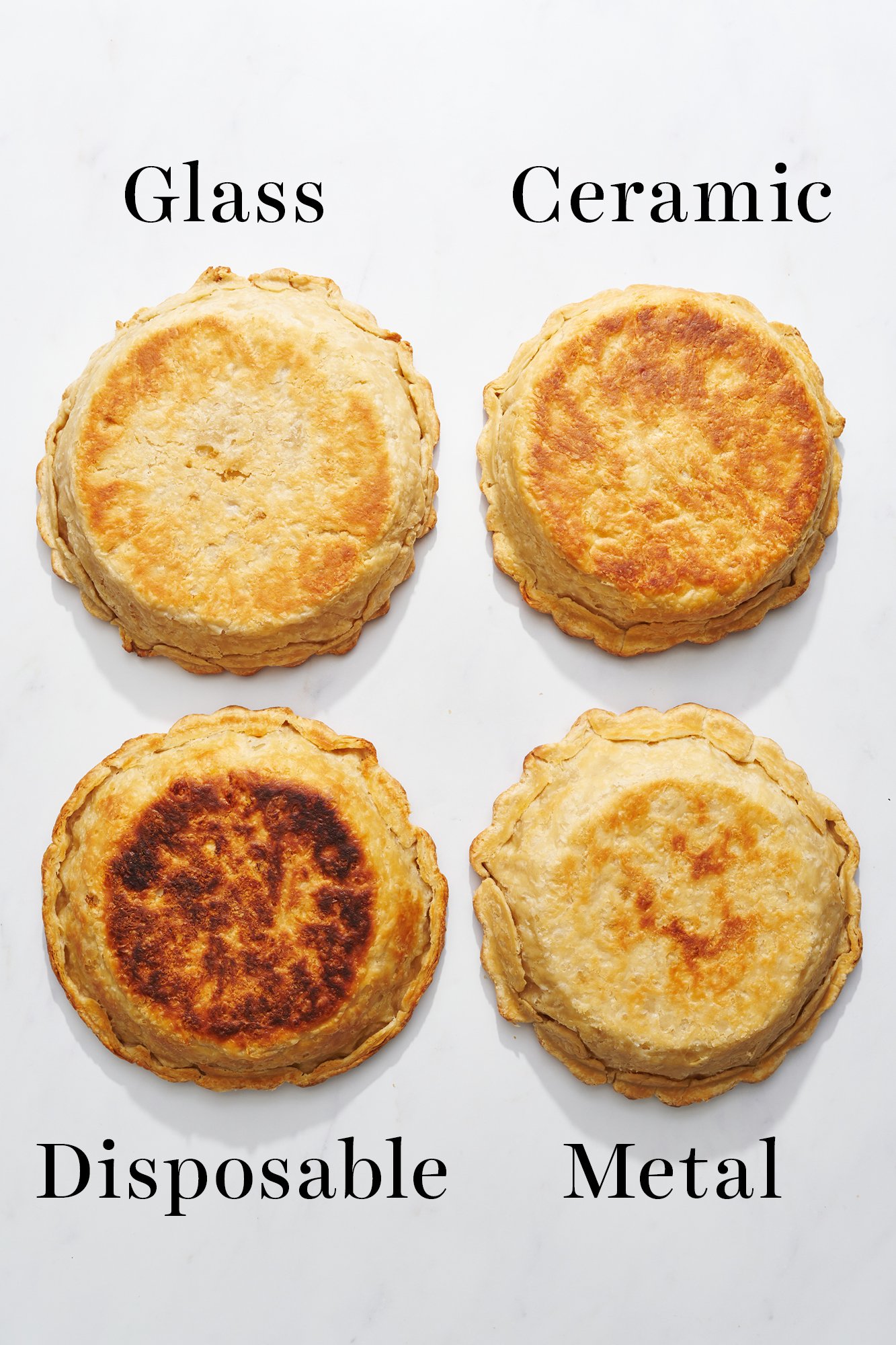
Credit: handletheheat.com
Frequently Asked Questions
What Materials Are Best For Pie Pans?
Aluminum, glass, and ceramic are popular choices for pie pans. Aluminum conducts heat evenly, ensuring a well-baked crust. Glass allows you to monitor browning, while ceramic offers even heat distribution and a beautiful presentation. Choose based on your baking preferences and the pie type you’re making.
Are Non-stick Pans Good For Pies?
Non-stick pans can be useful for easy pie release. They minimize the risk of the crust sticking. However, they may not provide the same browning as other materials. Consider using them for pies where appearance is less critical. Always follow care instructions to maintain the non-stick coating.
Which Pie Pan Size Is Most Common?
The 9-inch pie pan is the most common size for recipes. It fits most standard pie recipes and provides even baking. This size is versatile for various pie types. Always check your recipe for specific pan size recommendations to ensure perfect results.
Can I Use A Cake Pan For Pies?
Yes, you can use a cake pan for pies, but it’s not ideal. Cake pans have straight sides, which can affect pie presentation. If using one, be mindful of baking time and adjust accordingly. A pie pan provides better results for traditional pies.
Conclusion
Choosing the right pie pan is important. Glass pans provide even heat. Metal pans offer crispy crusts. Ceramic pans hold heat well. Each type has its own benefits. Think about what you need. Consider the type of pie you are baking.
Use this guide to find your perfect match. A good pie pan can make baking easier. Enjoy your pie-making journey. Happy baking!
