
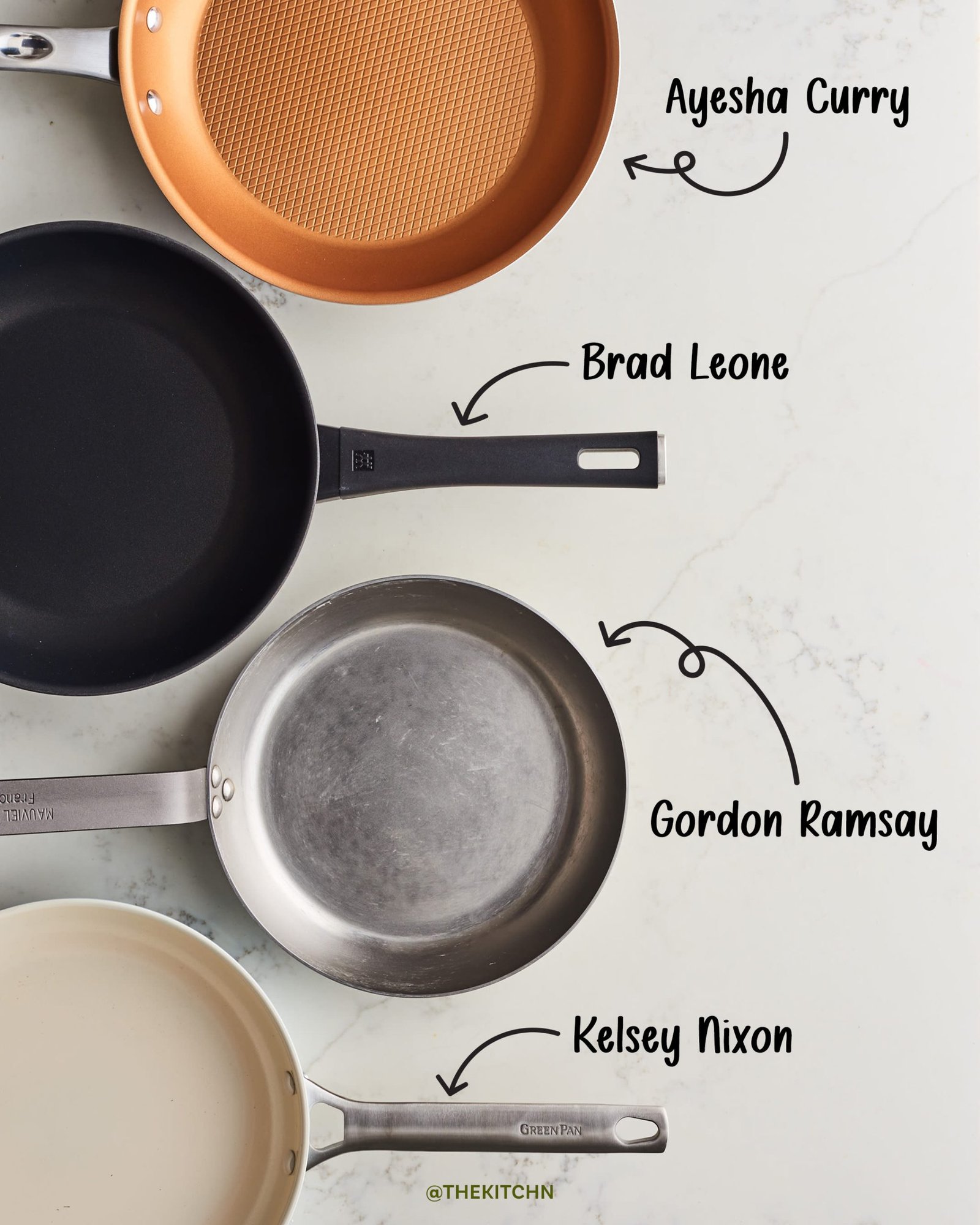
Have you ever wondered why professional chefs steer clear of non-stick pans? You might have noticed that your favorite cooking show rarely features these seemingly convenient kitchen tools.
It’s not because chefs like complicating their lives with difficult-to-clean cookware. Instead, there’s a fascinating mix of reasons that might surprise you. Imagine this: you’re cooking a delicious meal, and every flip and sauté feels like you’re in control, creating magic.
Non-stick pans might seem like the perfect tool for this, but they can actually limit your culinary prowess. You deserve to know why. The secrets behind this choice not only elevate the cooking experience but can also transform your own kitchen adventures. Dive into the world of professional cooking, where every decision, even the choice of a pan, can make a world of difference. Discover the surprising truths that will change the way you view your cookware, and maybe even your next meal. Ready to unlock the mystery? Let’s get cooking!
Professional Preferences
Chefs prefer stainless steel or cast iron pans for their durability and versatility. Non-stick pans can wear out quickly under high heat. These alternatives provide better browning and flavor development, enhancing culinary creations.
Chefs often have distinct preferences when it comes to their kitchen tools, and one common choice is steering clear of non-stick pans. This choice isn’t about trends; it’s rooted in practical reasons that enhance their cooking experience and outcomes. Understanding the professional preferences for certain types of cookware can help you make informed decisions in your own kitchen.Durability And Longevity
Professional chefs seek cookware that can withstand the rigors of a busy kitchen. Non-stick pans often lose their coating over time. Scratches and heat can deteriorate their surface. In contrast, stainless steel or cast iron pans can last for decades with proper care. Chefs prefer investing in tools that offer enduring quality. They want pans that won’t need frequent replacement. High durability means fewer disruptions in the kitchen.Heat Conductivity
Non-stick pans typically have a layer that can interfere with heat distribution. This can result in uneven cooking. Chefs need precise control over heat to achieve the perfect sear or sauté. Metals like stainless steel or copper offer superior heat conductivity. They enable chefs to adjust temperature swiftly and accurately. This control is crucial for complex recipes and techniques. Have you ever wondered why your homemade steak doesn’t match the restaurant quality? It could be the pan. Choosing a pan with excellent heat conductivity might be the secret ingredient you’ve been missing. The choice of cookware impacts the cooking process and the final dish. What do you prioritize when choosing your kitchen tools?
Credit: www.facebook.com
Cooking Techniques
Cooking techniques are essential in the world of professional kitchens. Chefs rely on specific methods to bring out the best flavors. Non-stick pans might not always meet the demands of these techniques. Understanding why chefs prefer alternatives can enhance your culinary skills.
Searing And Browning
Searing meat requires high heat to create a flavorful crust. Non-stick pans limit the ability to reach the needed temperatures. They often struggle to deliver the ideal sear. Stainless steel or cast iron pans excel in this task. They can handle higher heat, which is crucial for browning.
Deglazing And Sauce Making
Deglazing involves adding liquid to a hot pan to lift browned bits. These bits, known as fond, add depth to sauces. Non-stick surfaces don’t develop fond as effectively. Chefs prefer pans that allow for proper fond formation. This enhances the richness of sauces made from deglazing.
Material Characteristics
Chefs value the material characteristics of their cookware. Each material offers unique benefits. Non-stick pans often fall short in professional kitchens. The choice of material affects cooking outcomes. Let’s explore why chefs prefer other options.
Non-stick Coating Limitations
Non-stick coatings can wear off over time. This limits their lifespan in busy kitchens. The coating also restricts high-temperature cooking. Many chefs need high heat for searing. Non-stick pans can’t withstand such temperatures. This makes them less suitable for professional use.
Reactivity And Safety Concerns
Some non-stick coatings may release fumes. This happens at very high temperatures. Such fumes can pose health concerns. Chefs prefer safer, non-reactive materials. Stainless steel and cast iron are popular. They don’t react with food, ensuring safety.
Maintenance And Care
Chefs prefer pans that withstand high temperatures and offer superior searing capabilities. Non-stick pans wear quickly under intense heat, compromising performance. Maintaining even cooking surfaces ensures better food texture and flavor.
When it comes to kitchenware, the maintenance and care of your tools can make or break your cooking experience. Chefs often choose traditional pans over non-stick ones because they require specific care that leads to better results in the long run. Understanding these care routines can elevate your own cooking game.Cleaning Challenges
Non-stick pans may seem convenient at first, but they come with their own set of cleaning challenges. Over time, the non-stick coating can chip or peel, especially if you’re not careful with your utensils. This not only ruins the pan but can also end up in your food. Traditional pans, such as cast iron or stainless steel, offer a more robust alternative. They can withstand metal utensils and high heat, which makes cleaning a breeze. A little elbow grease and a scrub usually do the trick. Isn’t it frustrating when a pan gets damaged because of a simple cleaning mistake? Traditional pans save you from that headache. They allow you to clean aggressively without worrying about damaging a delicate surface.Seasoning Traditional Pans
Seasoning a pan might sound like extra work, but it’s a rewarding ritual that chefs swear by. When you season a cast iron pan, for example, you create a natural, non-stick surface. This process involves coating the pan with oil and baking it to form a protective layer. This natural layer improves with each use. The more you cook, the better your pan becomes. It’s a commitment, yes, but one that pays off with perfectly cooked meals every time. Have you ever noticed how seasoned pans seem to cook food more evenly? That’s the beauty of a well-maintained traditional pan. It offers consistency and reliability, turning each dish into a culinary delight. Next time you consider purchasing a new pan, think about the long-term benefits. Are you ready to invest a little time and effort for a lifetime of cooking satisfaction?Cost And Investment
Chefs often prefer pans that offer durability and consistent performance, making non-stick pans less favorable. High heat can damage non-stick surfaces, leading to frequent replacements. Investing in sturdy alternatives ensures better results and long-term savings.
Investing in kitchen tools is a crucial decision for chefs. While non-stick pans might seem appealing due to their easy-to-clean nature, professional chefs often opt for alternatives. The cost and investment involved in choosing cookware can make or break the cooking experience. Understanding why chefs prefer other options can help you make informed choices in your kitchen.Initial Purchase Vs. Longevity
When buying a non-stick pan, the initial cost is usually lower compared to stainless steel or cast iron pans. This might seem like a smart choice at first. However, non-stick coatings wear out over time, often needing replacement within a year or two. On the other hand, investing in a high-quality stainless steel or cast iron pan can be more expensive upfront. But these pans can last a lifetime if cared for properly. You save money in the long run, reducing the need for frequent replacements. Imagine buying a new non-stick pan every couple of years. The costs add up quickly. A durable pan can be a once-in-a-lifetime purchase that keeps delivering results. Wouldn’t you rather invest once in something that lasts?Value In Professional Kitchens
In professional kitchens, cookware is subjected to heavy use and high heat. Non-stick pans can lose their coating quickly under such conditions. Chefs need reliable, sturdy pans that withstand daily challenges without compromising performance. Stainless steel and cast iron pans offer consistent heat distribution and are more versatile. They can go from stovetop to oven seamlessly, a crucial factor in a busy kitchen. The ability to use one pan for multiple cooking methods adds immense value. Think about the efficiency in using one pan for searing, baking, and even broiling. It saves time and simplifies the cooking process. Wouldn’t it be great to have a pan that adapts to your cooking needs effortlessly? Choosing the right cookware involves balancing cost and value. While non-stick pans have their place, professional chefs know the true worth of investing in longevity and reliability. Making such choices can elevate your cooking experience, offering better results and satisfaction.
Credit: www.youtube.com
Culinary Tradition
Have you ever wondered why professional chefs prefer traditional cookware over non-stick pans? The answer lies in the rich tapestry of culinary tradition. These age-old practices have shaped the kitchens and cooking methods we see today.
Professional kitchens are steeped in tradition, where skill and technique are honed over time. Chefs often embrace cookware that allows them to showcase their expertise and craftsmanship. Non-stick pans, with their convenience, can sometimes feel like a shortcut. This preference is deeply rooted in the culinary world’s history and practices.
Culinary School Training
In culinary school, aspiring chefs learn more than just recipes. They are trained to understand the science behind cooking techniques. The pans they use play a crucial role in this learning process.
Many culinary schools favor stainless steel or cast iron pans. Why? They require a different level of skill and attention. Non-stick pans, while easy to use, don’t offer the same challenges. For a chef in training, mastering the art of temperature control and food manipulation with traditional pans is essential.
Imagine trying to achieve the perfect sear on a steak. Non-stick pans just don’t cut it. The lack of uniform heat distribution can lead to uneven cooking. With traditional pans, students learn to control the heat and understand the nuances of cooking, which is why they are preferred in training environments.
Cultural Influences In Cookware Choices
Culture plays a significant role in the cookware preferences of chefs around the world. Cultural heritage often dictates the tools and methods used in cooking.
In many cultures, traditional cookware is passed down through generations. These pots and pans carry stories and techniques unique to each family. Chefs, often influenced by their cultural background, choose cookware that honors these traditions.
Consider the French chef, who may opt for a copper pan for sauces. Or the Japanese cook, who uses a cast iron teppan grill. These choices are not just about cooking; they reflect cultural history and pride. So, when choosing your cookware, think about the stories and traditions you want to bring into your kitchen.
Why do you think your favorite dish tastes better when cooked in a traditional pan? Could it be the connection to a rich culinary heritage? Chefs believe so, and that’s why they often stick to their trusted, time-honored cookware.
Credit: www.purecook.com
Frequently Asked Questions
Why Do Chefs Prefer Stainless Steel Over Non-stick?
Chefs favor stainless steel for its durability and heat conduction. It allows for better browning and flavor development. Non-stick pans, while convenient, can’t achieve the same results. Stainless steel can withstand higher temperatures, making it versatile for various cooking techniques.
Are Non-stick Pans Unsafe For High Heat Cooking?
Yes, non-stick pans are not ideal for high heat. High temperatures can damage the coating, releasing harmful fumes. Chefs avoid this risk by using other materials. Stainless steel and cast iron are better for searing and frying. They can withstand higher temperatures without compromising safety.
Do Non-stick Pans Affect Food Flavor?
Yes, non-stick pans can affect food flavor and texture. The non-stick surface doesn’t allow proper browning. Browning is essential for developing deep flavors. Chefs prefer materials like stainless steel or cast iron. These materials enhance the cooking process, resulting in better-tasting dishes.
Are Non-stick Pans Less Durable For Professional Use?
Yes, non-stick pans are less durable in professional kitchens. Frequent use and high heat can wear down the coating. Chefs need reliable cookware that withstands heavy use. Stainless steel and cast iron are more robust options. They provide better longevity and performance under demanding conditions.
Conclusion
Chefs often choose pans that suit their cooking style best. Non-stick pans can limit high-heat cooking. They may not achieve that perfect sear on meats. Professional kitchens value durability and versatility. Non-stick coatings can wear off quickly. This means frequent replacements.
Cast iron or stainless steel pans offer more control. These pans can handle higher temperatures. They also improve with age. Investing in the right cookware enhances cooking skills. It also brings better results. Understanding these reasons helps in choosing the right pan.
Cooking becomes more enjoyable and effective with the right tools.
