
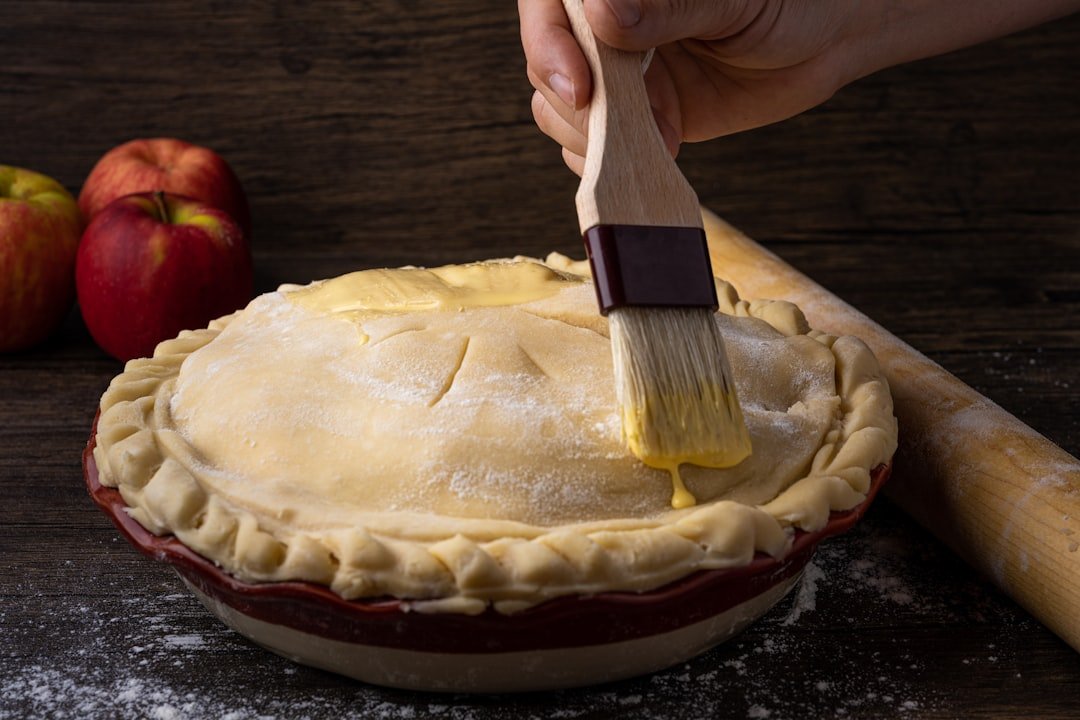
Imagine this: you’ve crafted the perfect pie filling, rich in flavor and tantalizingly aromatic. Yet, when you unveil your masterpiece, the crust is a disappointment—either soggy or overcooked.
Sound familiar? Choosing the right pan for your pie crust can be the difference between a triumphant dessert and a culinary letdown. But with so many options out there, which one truly reigns supreme? We’ll dive into the world of pie pans to uncover the best choice for achieving that golden, flaky crust you crave.
By the end, you’ll know exactly what kind of pan to reach for, ensuring your pies are always a hit. Let’s transform your baking experience and elevate your pie game to a whole new level. Keep reading to discover the secret behind the perfect pie crust!
Material Choices
Baking the perfect pie starts with choosing the right pan. The material of your pie pan can make or break the crust. It influences how evenly the crust cooks, its texture, and even its color. Let’s dive into the world of pie pans and explore some options.
Glass Pans
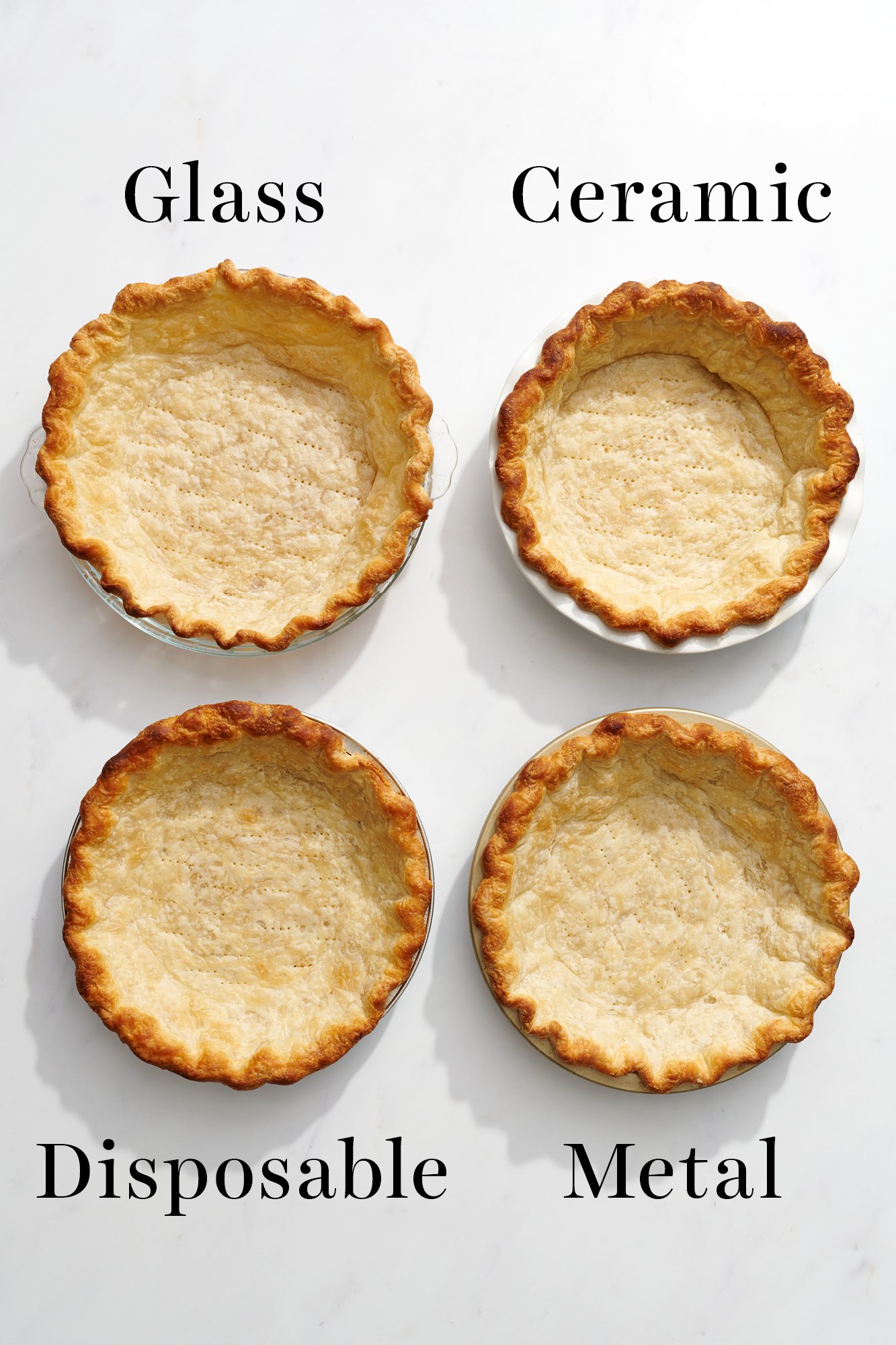
Glass pans offer a clear advantage: visibility. You can easily see the crust as it bakes. This transparency helps you avoid over-baking, leading to a perfectly golden crust.
Glass distributes heat evenly, preventing hot spots. This means your pie cooks consistently throughout. It’s perfect for fruit pies where you want the bottom crust to cook thoroughly.
However, glass pans can be fragile. Handle them with care to avoid breakage. Consider the trade-off between visibility and durability.
Metal Pans
Metal pans are the go-to for those who love a crisp crust. They heat up quickly, giving your crust the crispy edges everyone loves. They’re durable and can withstand a lot of use.
Aluminum is light and affordable, great for beginners. If you’re a pro looking for precision, choose steel. It offers superior heat conduction.
On the downside, metal pans can darken the crust more than you might want. Keep an eye on your pie as it bakes. Adjust baking time or temperature for optimal results.
Ceramic Pans
Ceramic pans are the aesthetic choice. They come in beautiful designs that can go from oven to table. If presentation matters to you, ceramic is the way to go.
They hold heat well and provide an even bake. Perfect for pies that need gentle cooking like custard or cream pies.
But ceramic pans are heavy and can be cumbersome to handle. Consider your comfort in lifting and maneuvering them when choosing ceramic.
Now, think about your pie priorities. Do you value aesthetics over functionality? Or does the perfect golden crust take precedence? Let your baking style guide your choice.
:max_bytes(150000):strip_icc()/12111-best-ever-pie-crust-DDMFS-4x3-635911f51f304bf6b18d67ba1432c491.jpg)
Credit: www.allrecipes.com
Size And Depth Considerations
Choosing the right pan size and depth impacts your pie crust’s success. Different pies need different pans. The key is understanding how size and depth affect baking.
Standard Sizes
Standard pie pans usually measure 9 inches in diameter. This size suits many classic pie recipes. It provides even heat distribution. The crust bakes evenly, creating a crisp texture. Standard pans are often 1.25 inches deep. This depth supports most fillings without overflow.
Deep-dish Options
Deep-dish pans offer more room for filling. They typically measure 1.5 to 2 inches deep. This extra depth is ideal for hearty pies. Think of pies with lots of fruit or custard. A deep-dish pan ensures the crust holds its shape. It prevents soggy bottoms by allowing thorough baking. Choose this option for a more substantial pie.
Surface Texture
When baking the perfect pie, choosing the right pan matters. The surface texture of your pie pan plays a crucial role. It affects how the crust cooks and how easy it is to remove. Let’s explore different surface textures that can make a difference.
Non-stick Coatings
Non-stick coatings are popular for pie pans. They prevent the crust from sticking to the pan. This makes serving much easier. Non-stick surfaces require less butter or oil. This can be a healthier choice. But be careful with metal utensils. They can scratch the coating. This might affect the pan’s performance over time.
Textured Bottoms
Textured bottoms can help in baking a crispier crust. They allow air to circulate under the pie. This ensures even baking. Textured surfaces can also make pie removal easier. They provide tiny air pockets. These air pockets reduce the chance of sticking. Consider this option if you want a golden-brown crust.
Credit: handletheheat.com
Heat Conductivity
Choosing the right pan ensures even heat distribution for pie crust. Metal pans with good conductivity cook crusts evenly. Opt for stainless steel or aluminum for consistent results.
When baking a pie, the type of pan you use can dramatically impact the outcome. Heat conductivity is a crucial factor that influences how your pie crust turns out. Different materials conduct heat in various ways, affecting how evenly your pie bakes and how crisp the crust becomes. Understanding these nuances can elevate your baking game and turn your pies into masterpieces.Even Baking
A pan that conducts heat evenly ensures your pie bakes uniformly. It prevents the edges from overcooking while the center remains underdone. Metal pans, especially aluminum, are excellent at distributing heat. They allow the pie to cook consistently throughout, resulting in a perfectly baked crust. Glass pans, on the other hand, might leave the bottom soggy due to slower heat transfer. If you’ve ever had a pie that’s golden on top but pale underneath, your pan might be to blame. So, if you crave that immaculate crust, consider switching to a metal pan for better heat distribution.Crisp Crust Benefits
The secret to a crisp, flaky crust lies in the pan’s ability to conduct heat efficiently. A well-conductive pan heats up quickly, ensuring the butter in your dough melts fast and creates steam pockets. These pockets are what make your crust crisp and flaky. Have you ever wondered why some pies have a mouthwatering crunch while others fall flat? It might be the pan. Ceramic pans, although beautiful, can sometimes trap moisture, leading to a less-than-crisp outcome. Opting for a pan that enhances crispness can transform your pie from average to exceptional. As you explore options, ask yourself: Is your current pie pan giving you the results you desire? If not, it might be time to experiment with materials that promise better heat conductivity.Ease Of Use
Choosing the right pan for pie crust is crucial for success. Ease of use plays a significant role in this decision. A pan that’s simple to handle and clean enhances the baking experience. It ensures even novices can create perfect crusts without frustration.
Handling And Grip
A pie pan with sturdy handles offers better control. It prevents slipping and spills during transport. Look for pans with ergonomic grips. They make lifting and carrying effortless. Comfortable handles reduce strain on wrists, making baking enjoyable.
Cleaning And Maintenance
Ease of cleaning is vital for regular use. Non-stick surfaces help prevent food residues from sticking. They require less scrubbing and effort. Dishwasher-safe pans save time and energy. Consider pans with simple designs for quick cleaning. Less intricate details mean fewer spots to clean.
Expert Recommendations
Choosing the right pan for pie crust can elevate your baking. Experts often have unique insights and preferences. Their recommendations can guide you in selecting the ideal pan. Let’s dive into what chefs and bakers suggest.
Chef Preferences
Professional chefs usually prefer metal pans. They distribute heat evenly. This ensures a crispy crust. Metal pans are durable and versatile. Some chefs opt for non-stick coatings. These make pie removal easier. Others like stainless steel for its even cooking. Each type offers specific advantages.
Baker’s Insights
Home bakers often lean towards glass pans. Glass allows you to see the crust’s bottom. This helps prevent undercooking. It’s also great for even heat distribution. Some bakers prefer ceramic pans. These hold heat well, keeping pies warm longer. Ceramic is also visually appealing. It adds charm to your kitchen.
Budget Considerations
Choosing the right pan for your pie crust can make a big difference in your baking. But not everyone has the same budget when it comes to kitchen tools. Some people might be looking for affordable options that still deliver great results, while others might want to invest in high-quality pieces that last for years. Whatever your budget, there are choices available to suit your needs.
Affordable Options
Let’s face it, not everyone wants to spend a fortune on pie pans. Luckily, there are plenty of wallet-friendly options that can help you bake a delicious pie without breaking the bank. Aluminum pans are a great choice. They’re lightweight, heat up quickly, and distribute heat evenly, ensuring your crust is cooked just right. Plus, they’re easy to find at most stores.
Another budget-friendly option is glass pans. They might take a bit longer to heat, but they allow you to see the crust as it bakes. This transparency helps you avoid undercooking or burning the edges. And they often come at a reasonable price. Have you ever baked a pie in a glass pan and marveled at how perfectly golden the crust was?
Investment Pieces
If you’re ready to invest in your baking, consider purchasing a high-quality ceramic or stainless steel pan. These pans are durable and can provide consistent heat distribution, making them ideal for achieving a perfectly flaky crust. They might be pricier, but they’re built to last.
Ceramic pans often come with stylish designs, adding a touch of elegance to your kitchen. Imagine pulling out a beautifully designed ceramic pan to serve your pie; it becomes a conversation starter. Stainless steel pans, on the other hand, offer robustness and longevity. They’re less prone to scratches and dents, ensuring they stay in top shape for years.
So, what kind of pie pan suits your budget and style? Whether you go for a budget-friendly choice or decide to splurge, the right pan can enhance your baking experience. Choose wisely, and enjoy every slice of your pie.

Credit: tastesbetterfromscratch.com
Frequently Asked Questions
What Is The Best Material For Pie Pans?
Aluminum pans are great for heat conduction, ensuring even baking. Glass pans allow you to monitor browning. Ceramic pans provide excellent heat retention, ideal for custard pies. Choose based on your pie’s needs for the best crust results.
Are Metal Pans Better Than Glass For Pies?
Metal pans, especially aluminum, offer superior heat conduction for crispier crusts. Glass pans, however, let you see the crust’s progress, which helps prevent over-baking. Both types have their advantages depending on the desired outcome.
Can I Use A Ceramic Pan For Pie Crust?
Yes, ceramic pans are suitable for pie crusts. They provide even heat distribution and are perfect for custard-based pies. However, they can be heavier and may require longer baking times compared to metal pans.
Do Pie Pans Affect Crust Texture?
Yes, the type of pie pan impacts crust texture. Metal pans generally yield crispier crusts, while glass pans allow for even browning. Ceramic pans provide a soft, even bake, which is ideal for certain pie types.
Conclusion
Choosing the right pan makes a huge difference for pie crusts. Glass pans offer even baking and easy monitoring. Metal pans bring crispy, golden crusts. Ceramic pans provide a stylish look and gentle heat. Each type has its benefits for perfect pie crusts.
Consider your recipe and personal preference. Test different pans to find your favorite. Happy baking! Enjoy creating delicious pies with the best pan for your needs. Remember, a great pie starts with the perfect pan. Try these tips for your next baking adventure.
Your pies will thank you!
