
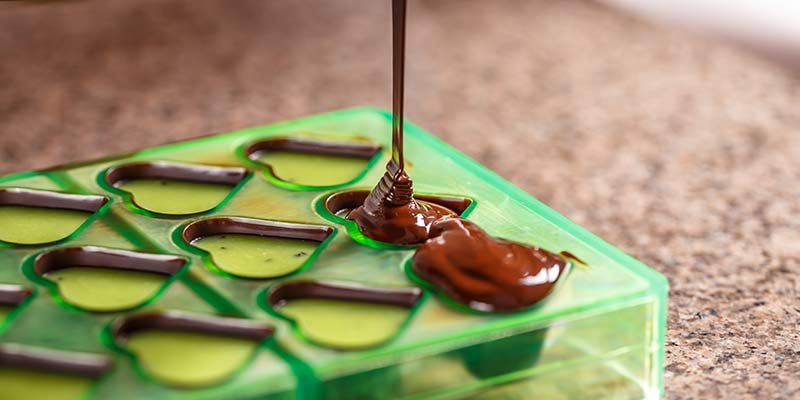
The secret to achieving this isn’t just in your technique, but in the type of chocolate you use. Choosing the best chocolate for molds can be the difference between a glossy, picture-perfect finish and a dull, lackluster result. But how do you know which chocolate will give you that professional touch?
We’ll unveil the top choices and why they matter, so you can wow your friends, family, or even customers with your chocolate masterpieces. Let’s dive into the world of chocolate and discover your new favorite tool for creative expression.
Factors To Consider
Choosing the right chocolate for molds involves considering melting and tempering qualities. Opt for couverture chocolate for its smooth texture. Ensure it has a high cocoa butter content for easier molding and a glossy finish.
Choosing the right chocolate for molds can elevate your creations from simple to stunning. But how do you decide which chocolate is the best fit? Several factors need your attention. Understanding these will not only help in achieving that perfect glossy finish but also ensure the flavors are just right. As you experiment with chocolate molds, think about the type of chocolate, its flavor, melting point, and viscosity. These elements can greatly impact your final product.
Chocolate Type
Different types of chocolate have unique properties. Milk chocolate is sweet and creamy, making it popular for lighter, sweeter molds. Dark chocolate offers a richer taste with a higher cocoa content. If you prefer a more intense flavor, dark chocolate might be your choice. White chocolate, although not technically chocolate, provides a smooth, sweet canvas that can be colored.
Flavor Profile
Consider the taste you want to achieve. Do you like bold, intense flavors? Dark chocolate with high cocoa content might suit your needs. On the other hand, if you want something mellow and creamy, milk chocolate is ideal. White chocolate can be a canvas for other flavors, too. You can add flavorings like vanilla or mint to change the taste.
Melting Point
Chocolate that melts at the right temperature is crucial for molds. If it melts too quickly, it can become difficult to handle. Milk and white chocolates typically have lower melting points, making them easier to work with. Dark chocolate, while richer, may require more careful melting to maintain its sheen.
Viscosity
The thickness of chocolate, or its viscosity, affects how well it fills molds. A chocolate that’s too thick might not capture intricate details. Conversely, a thin chocolate might not hold shape well. Some brands offer chocolates specifically designed for molding with the right balance of fluidity and thickness. Test a few to find one that works well with your favorite molds. Choosing the right chocolate can be a fun and rewarding process. Have you ever tried experimenting with different types to see which one you prefer? Keep these factors in mind, and soon you’ll be creating chocolate masterpieces that not only look good but taste incredible too.
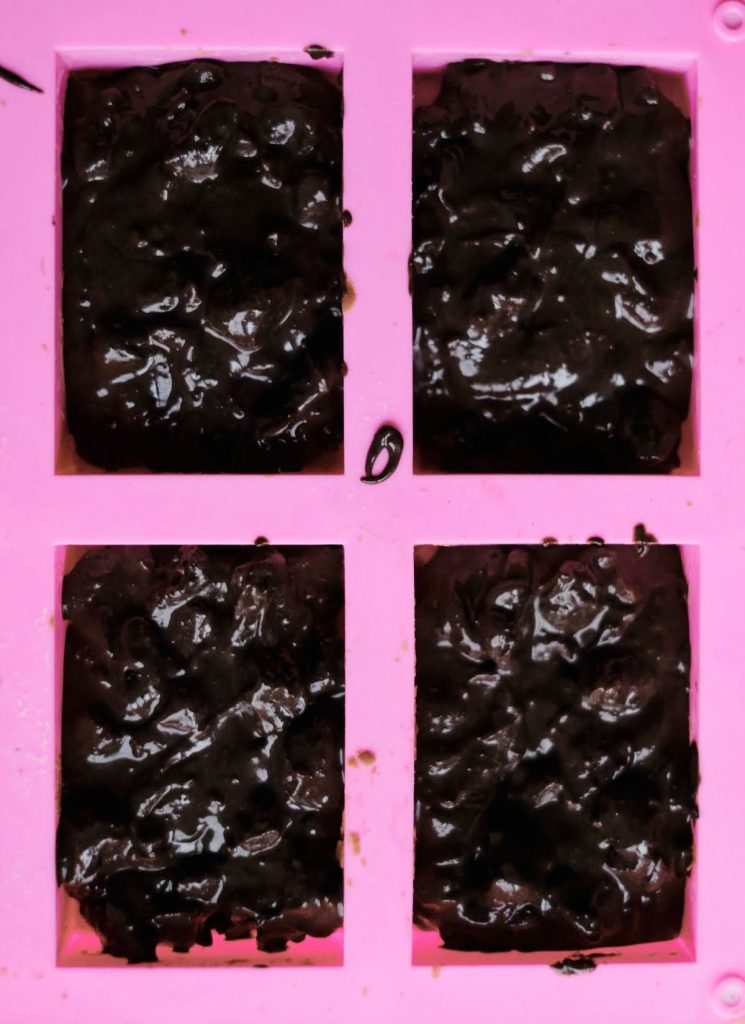
Credit: candycoatedrecipes.com
Tempering Techniques
Creating chocolate molds is an art. It requires precision and patience. The key is to use the right chocolate and tempering techniques. Tempering is crucial for perfect chocolate molds. It ensures the chocolate sets well, with a shiny finish. Learn about tempering techniques and how they affect your chocolate molds.
Importance Of Tempering
Tempering gives chocolate a glossy look. It also ensures a smooth texture. Properly tempered chocolate snaps when broken. Without tempering, chocolate can appear dull. It might also develop white streaks, called bloom. Bloom occurs when fat separates from cocoa. This affects both appearance and taste. Correct tempering prevents this issue.
Methods Of Tempering
There are several tempering methods. Each has its own steps. The most common method is seeding. Melt two-thirds of the chocolate. Then add the remaining third. Stir until it melts. This technique helps control temperature. Another method is tabling. Pour melted chocolate on a cool surface. Use a spatula to move it around. This cools and thickens the chocolate. Finally, there is the microwave method. Melt chocolate in short bursts. Stir between each burst to ensure even heat. Choose the method that suits your needs and tools.
Top Chocolate Brands
Choosing the right chocolate for molds is crucial. It affects the taste and texture of your creations. Many chocolate brands offer quality products for this purpose. Some stand out for their flavor, consistency, and ease of use. Here, we explore some top chocolate brands that are perfect for molds.
Callebaut
Callebaut is a favorite among chocolatiers. Known for its smooth texture and rich flavor. It melts evenly, making it ideal for molds. Its consistent quality ensures perfect results every time. Callebaut offers a range of chocolates, from dark to milk. Each type has its own unique taste and application.
Valrhona
Valrhona is another top choice for molding chocolate. It is famous for its refined flavors and high-quality cocoa beans. Chocolatiers love its balance of sweetness and bitterness. Valrhona’s precise formulation makes it easy to work with. It also offers a variety of chocolate types and flavors.
Guittard
Guittard chocolate is praised for its deep, rich taste. It provides excellent shine and snap in molded chocolates. The brand is committed to quality and sustainability. Guittard’s wide range of products caters to different chocolate needs. Its versatility makes it a popular choice for molds.
Ghirardelli
Ghirardelli offers premium chocolate with a luxurious taste. Its ease of melting and molding makes it a top pick. Ghirardelli chocolates have a smooth finish and are easy to temper. They come in various flavors, enhancing any chocolate creation. Many prefer Ghirardelli for its consistent results and quality.
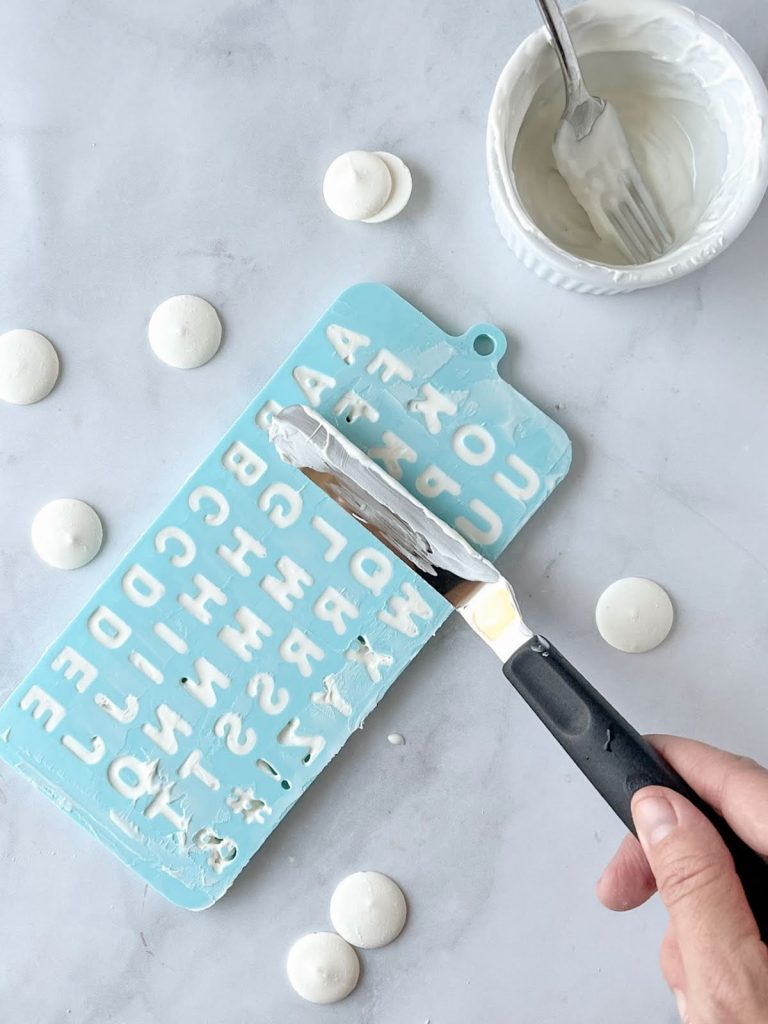
Credit: candycoatedrecipes.com
Chocolate Varieties
Choosing the right chocolate for molds is essential. Each chocolate type brings unique qualities. Different flavors, textures, and melting points affect results. Understanding these can help make the best choice for your molds.
Dark Chocolate
Dark chocolate contains a high cocoa content. It usually ranges from 50% to 90%. This gives it a rich and intense flavor. Dark chocolate is less sweet compared to other types. Its thicker consistency suits sturdy molds well. Many prefer its robust taste for gourmet creations.
Milk Chocolate
Milk chocolate is sweeter and creamier. It includes milk solids, which add smoothness. Typically, it contains 10% to 50% cocoa. This chocolate is great for softer molds. Its mild taste appeals to many. Milk chocolate is versatile and popular for various treats.
White Chocolate
White chocolate is unique and sweet. It contains cocoa butter but lacks cocoa solids. This gives it a creamy texture. White chocolate melts easily, making it ideal for detailed molds. Its subtle flavor works well with added ingredients. Many enjoy its sweet and creamy profile.
Specialty Chocolates
Specialty chocolates are crafted for specific culinary purposes. These chocolates offer unique flavors and textures. Choosing the right one enhances your chocolate molding experience. Let’s explore some popular options.
Couverture Chocolate
Couverture chocolate is known for its high cocoa butter content. This makes it perfect for molding. It melts smoothly and sets with a glossy finish. Artisans prefer it for its superior quality. It contains more cocoa solids and less sugar. This enhances the rich chocolate flavor. Tempering is essential for the best results. Proper tempering ensures a shiny and crisp shell. Couverture is ideal for detailed molds.
Compound Chocolate
Compound chocolate is often used for easy chocolate creations. It replaces cocoa butter with vegetable fats. This makes it simpler to work with. No tempering is required. It sets quickly and maintains shape well. Compound chocolate is less expensive than couverture. Its flavor is milder but still enjoyable. Perfect for beginners and casual chocolatiers. It suits molds that require simple designs.
Tips For Molded Chocolates
Creating molded chocolates can be an exciting culinary adventure. The choice of chocolate plays a crucial role in the final result. The right chocolate enhances texture and flavor. Here are some tips for achieving perfect molded chocolates.
Choosing The Right Mold
The mold you choose affects your chocolate’s appearance. Silicone molds are popular for their flexibility. They allow easy removal of chocolates. Plastic molds offer detailed designs. They are less flexible but more affordable. Consider the design you want before selecting a mold. Smaller molds create bite-sized chocolates, while larger ones are great for sharing.
Storage And Shelf Life
Proper storage keeps your molded chocolates fresh. Store them in a cool, dry place. Avoid direct sunlight to prevent melting. An airtight container prevents moisture from ruining the texture. Molded chocolates last longer when stored properly. Check for signs of blooming on the surface. This indicates improper storage or temperature changes.
Common Mistakes
Choosing the wrong chocolate often leads to poor results in molds. Opt for couverture chocolate for smoother finishes and easier melting. Regular chocolate might not set properly, causing frustration and wasted efforts.
When diving into the sweet world of chocolate molds, you want your creations to look as delightful as they taste. Yet, even the most enthusiastic chocolatiers can stumble upon common mistakes that can turn your chocolate dreams into a sticky situation. Let’s look at two frequent pitfalls and how you can steer clear of them.
Improper Tempering
Tempering is crucial to achieve that glossy finish and satisfying snap in chocolate. Skipping this step or doing it wrong can lead to dull, streaky, or sticky chocolates. Consider this: You’re excited to make your first batch of molded chocolates, and they end up with a white, chalky layer on top. This is due to improper tempering. Use a food thermometer to monitor chocolate temperature and avoid this disappointment. Tempering might sound technical, but it’s worth the effort. Melt your chocolate to the right temperature, cool it, and then warm it slightly again. This process stabilizes the cocoa butter crystals and ensures a smooth, shiny result.
Using Incorrect Chocolate Type
Not all chocolates are created equal. Choosing the wrong type can affect the flavor and texture of your final product. Imagine using baking chocolate for your molds, only to find it doesn’t set properly. Baking chocolate lacks the cocoa butter necessary for a smooth finish in molded treats. Opt for couverture chocolate, which is high in cocoa butter and perfect for molds.
In my early attempts, I used regular chocolate chips, thinking they’d be convenient. They never quite set right because they’re formulated to hold their shape under heat. Always select chocolate specifically made for molding to avoid a grainy texture. Have you ever tried a recipe and wondered why it didn’t turn out as expected? Small choices, like chocolate type, can make a big difference. By avoiding these common mistakes, your molded chocolates will shine in both appearance and taste.
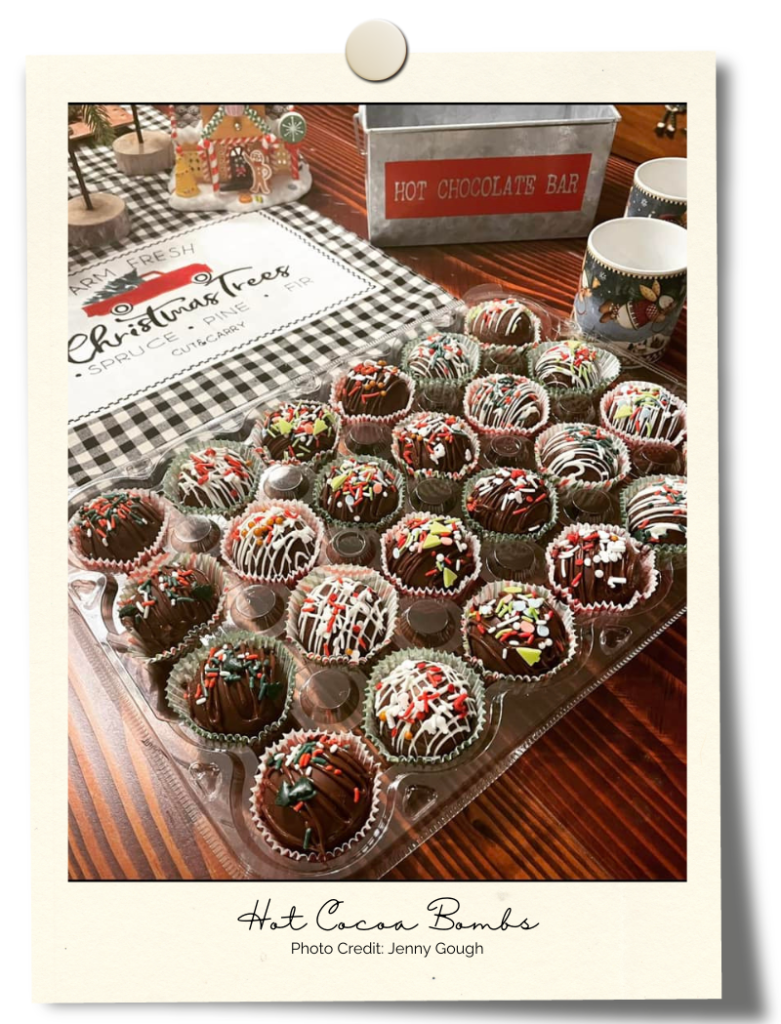
Credit: betterbakerclub.com
Frequently Asked Questions
What Type Of Chocolate Is Best For Molds?
For molds, use couverture chocolate due to its high cocoa butter content. It provides a smooth texture and glossy finish. Tempering is key for successful molding. Couverture chocolate melts evenly and sets beautifully, making it ideal for intricate designs.
Can I Use Regular Chocolate For Molds?
Regular chocolate can be used but may not yield the best results. It lacks the cocoa butter content needed for smooth molding. Tempering is crucial for regular chocolate, but results might not be as glossy or detailed.
How Do I Temper Chocolate For Molds?
Tempering involves melting, cooling, and reheating chocolate to precise temperatures. This ensures a shiny finish and firm set. Use a thermometer for accuracy. Proper tempering helps achieve professional-looking molded chocolates.
Is White Chocolate Suitable For Molds?
White chocolate is suitable for molds but requires careful tempering. It melts easily and can burn if overheated. Choose quality white chocolate for better results. Proper tempering ensures a smooth finish and maintains intricate details.
Conclusion
Choosing the right chocolate for molds is important. It impacts taste and appearance. Dark chocolate offers rich flavor. Milk chocolate provides a smooth texture. White chocolate is sweet and creamy. Each has unique benefits. Think about your recipe needs. Experiment with different types.
Consider the melting point. Also, the ease of use matters. Chocolate quality affects the final product. High-quality chocolate makes molds shine. Make your creations stand out. Enjoy the process and have fun. Find what works best for you. Happy chocolate molding!
