
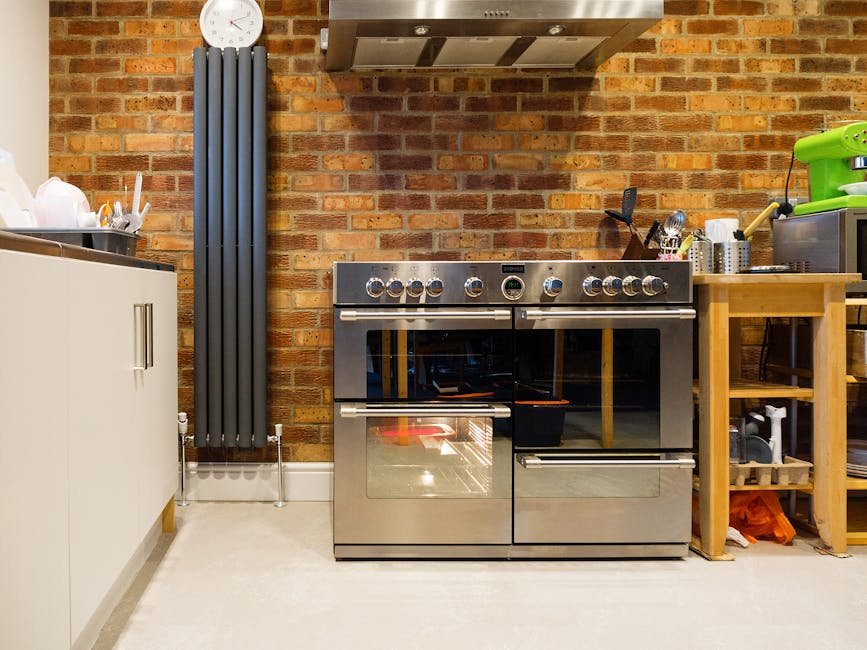
Are you tired of the bulky microwave taking up valuable space in your kitchen? Imagine transforming your cooking area into a sleek, efficient space with a stylish range hood that not only enhances your kitchen’s aesthetics but also improves air quality.
Replacing your microwave with a range hood might sound daunting, but with the right guidance, it’s easier than you think. This guide is tailored to help you make the switch seamlessly, providing you with step-by-step instructions, practical tips, and insider tricks.
By the end of this article, you’ll feel confident about upgrading your kitchen and breathing new life into your cooking space. Ready to discover how you can elevate your kitchen game? Let’s dive in!
Benefits Of Range Hood Over Microwave
Transitioning from a microwave to a range hood might seem like a big change, but the benefits of a range hood over a microwave can be surprisingly rewarding. Imagine cooking in a kitchen that’s not just functional but also healthier and more visually appealing. You’ll find that a range hood can enhance your cooking environment in ways you might not expect.
1. Improved Air Quality
One of the most significant benefits of a range hood is the improvement in air quality. While a microwave merely heats your food, a range hood actively removes smoke, steam, and cooking odors. This makes your kitchen a more pleasant place to spend time and helps keep your home free from lingering smells.
2. Better Ventilation
Have you ever noticed how the air feels heavy after cooking a big meal? A range hood efficiently vents out excess heat and humidity, creating a more comfortable cooking experience. You’ll appreciate the difference, especially during the warmer months.
3. Enhanced Kitchen Aesthetics
Range hoods come in various designs that can complement any kitchen style, from sleek modern to rustic charm. Unlike a bulky microwave, a range hood can seamlessly blend into your kitchen decor. This upgrade can even increase your home’s appeal, making it a worthwhile investment.
4. More Cooking Space
Replacing your microwave with a range hood can free up valuable counter space. This extra space can be a game-changer, especially in smaller kitchens. You’ll have more room to prep your meals, which can make cooking more enjoyable and efficient.
5. Energy Efficiency
While microwaves are known for their quick cooking times, they can be energy hogs when used frequently. Range hoods are typically more energy-efficient, especially if you choose a model with LED lighting and a high-efficiency fan. Over time, this can lead to savings on your energy bills.
Have you ever thought about how much time you spend cleaning grease off your kitchen surfaces? A range hood can help with that too. It captures grease particles, reducing buildup on your countertops and walls, which means less time scrubbing and more time enjoying your meals.
So, what do you think? Could a range hood be the upgrade your kitchen needs? Consider the benefits and imagine how this change could enhance your daily cooking experience.
Planning Your Project
Transform your kitchen by swapping the microwave for a sleek range hood. Plan carefully to ensure proper ventilation and efficient space utilization. Enhance cooking experience with a stylish setup that complements your kitchen design.
Planning to swap your microwave for a range hood can be an exciting home improvement project. This change not only updates your kitchen’s look but also enhances its functionality. Before you start, careful planning is crucial to ensure a smooth transition.Assessing Your Kitchen Space
Start by evaluating your kitchen’s layout. Does your current setup allow enough space for a range hood? Consider the size of your stove and the clearance needed above it. If your microwave was snug between cabinets, ensure the new hood will fit comfortably. Think about the ventilation. Will you need to adjust ductwork, or is your kitchen already vented? Proper ventilation is key to keeping your kitchen air fresh and clean. Measure twice, cut once. Accurate measurements prevent future hassles. A tape measure and a keen eye are your best friends at this stage.Choosing The Right Range Hood
Selecting the right range hood involves more than picking a style. Look at the power you need, measured in CFM (cubic feet per minute). A busy kitchen may need a higher CFM to handle smoke and odors effectively. Consider your cooking habits. Do you frequently cook aromatic dishes or fry foods? This might influence whether you choose a ducted or ductless option. Each has its pros and cons based on your specific needs. Don’t ignore aesthetics. The range hood should complement your kitchen’s design. Whether you prefer sleek stainless steel or a bold color, ensure it fits seamlessly with your decor. Planning your project carefully sets the stage for a successful kitchen upgrade. What unique challenges does your kitchen present? Addressing these questions early makes the installation process much smoother.Gathering Necessary Tools And Materials
Replacing your microwave with a range hood can improve kitchen ventilation. Before starting, gather all necessary tools and materials. Proper preparation ensures a smooth installation process.
Essential Tools List
Ensure you have the right tools for the job. A screwdriver set is essential. Drills help with mounting the range hood securely. A level ensures your range hood is installed evenly. Use a measuring tape to get accurate measurements. Wire cutters are needed for electrical connections. Safety goggles protect your eyes during installation.
Material Checklist
Having the right materials on hand is crucial. You need screws that fit your range hood. Check that you have wall anchors for added support. You may need ductwork materials for venting outside. Electrical wiring may require wire nuts for secure connections. A vent cover is necessary for exterior wall openings. Read the range hood manual for specific material requirements.
Removing The Microwave
Replacing a microwave with a range hood transforms your kitchen space. It offers better ventilation and enhances the aesthetic. This task requires careful removal of the microwave. Follow each step for a safe and efficient process.
Disconnecting Power Supply
Ensure your microwave is unplugged from the wall outlet. This prevents electrical accidents during removal. Locate the power cord and pull it gently. Confirm the microwave is no longer receiving power. Safety first!
Uninstalling The Unit
Remove any screws securing the microwave to the cabinet or wall. A screwdriver will make this easier. Check for additional brackets or mounts. Carefully lift the microwave off its support bracket. Assistance may be needed for heavy units. Ensure all parts are removed safely.
Preparing The Installation Area
Preparing the installation area for replacing a microwave with a range hood involves careful planning. Ensure the space is clear and clean. Check for electrical connections and proper ventilation. Secure the necessary tools and materials. This helps in a smooth and efficient installation process.
Replacing a microwave with a range hood can significantly enhance your kitchen’s functionality and aesthetic appeal. Before you dive into the installation process, preparing the installation area is crucial. This preparation ensures the range hood fits perfectly and functions efficiently. Let’s break down this essential step into manageable parts.Cleaning And Repairing Walls
Start by inspecting the wall space where the microwave used to sit. Is it covered in grease or residue from years of cooking? A clean surface is vital for a successful installation. Use a degreaser or mild soap solution to scrub the area thoroughly. Once cleaned, check for any cracks or damage on the walls. Repair these imperfections with spackle or wall filler. A smooth, even surface not only aids installation but also enhances the look of your new range hood.Ensuring Proper Ventilation
Effective ventilation is key for a range hood. Without it, you might end up with lingering odors and smoke. Assess the current ventilation system in your kitchen. Does it align with the requirements for your new range hood? You may need to adjust ductwork or create new vent holes to ensure proper airflow. Consider the type of range hood you’re installing. Is it ducted or ductless? For ducted systems, plan the route for external ventilation. For ductless systems, ensure there’s adequate space for filters to operate efficiently. Remember, proper preparation saves time and prevents headaches later. Are you confident in your assessment of the installation area? Taking the time now will make the installation process smoother and more satisfying.Installing The Range Hood
Replacing your microwave with a range hood can transform your kitchen, making it more functional and stylish. The installation process might seem daunting, but with the right steps, you can achieve a seamless upgrade. Let’s delve into the key stages of installing a range hood, ensuring your kitchen becomes a haven of fresh air and improved aesthetics.
Mounting The Hood
Start by carefully measuring the space where your range hood will go. Accuracy is key here; you want to ensure the hood fits perfectly above your stove. Use a spirit level to mark the mounting holes on the wall.
Have you ever tried installing something only to realize you missed a crucial step? Avoid this by double-checking your measurements before drilling. Once drilled, secure the mounting bracket firmly to the wall using appropriate screws and anchors.
It’s fascinating how a simple tool like a screwdriver can make or break your installation process. Ensure all screws are tight and the bracket is level. Finally, lift the range hood and attach it to the bracket. You might need an extra hand for this—don’t hesitate to ask for help.
Connecting Electrical And Venting
Now, let’s tackle the electrical connections. Turn off the power supply to avoid any mishaps. Connect the hood’s wiring to the existing electrical source. If you’re unsure about handling wires, consider hiring an electrician for safety.
Have you ever considered how venting affects indoor air quality? Ensure the ductwork is properly aligned with the hood. Use flexible ducting if needed to fit the existing venting system. Seal all joints with aluminum tape to prevent air leaks.
Finally, test the range hood to see if it operates correctly. Does it feel rewarding to hear the gentle hum of the fan as it whisks away cooking odors? Check the vent outside to confirm it’s expelling air efficiently.
Installing a range hood doesn’t just improve air circulation; it’s a step towards a healthier kitchen environment. What’s holding you back from making this upgrade? Dive in, and enjoy the benefits of a cleaner, fresher kitchen space.
Testing And Final Adjustments
Testing and final adjustments are crucial when replacing a microwave with a range hood. Ensure the hood is securely mounted and functions properly. Check ventilation, lighting, and noise levels to confirm optimal performance.
Replacing your microwave with a range hood can significantly enhance your kitchen’s ventilation and aesthetic. After installing your range hood, the next crucial step is ensuring everything works perfectly. The testing and final adjustments phase is where you verify the installation’s success and tweak any minor issues. This stage is essential to ensure your range hood operates efficiently and safely.Checking Functionality
Once your range hood is installed, it’s time to check its functionality. Turn on the hood and test all its features. Does the fan work at all speeds? Is the light bright enough for your cooking needs? Check if the exhaust system is effectively drawing out smoke and odors. Listen for unusual noises. A properly installed range hood should operate smoothly and quietly. If you hear rattling or buzzing, something might be amiss. Why not invite a friend over to give their opinion on the airflow? A fresh perspective can sometimes catch what you might overlook.Making Necessary Adjustments
If you notice issues during testing, don’t worry—adjustments are part of the process. Tighten any loose screws or connections to eliminate vibrations. Sometimes, a simple adjustment can solve noise problems or improve efficiency. Ensure the ductwork is sealed properly. Leaks can reduce performance and affect air quality. Applying duct tape or sealant can fix minor gaps. Are you satisfied with the lighting? If not, consider changing the bulb to a higher wattage for better illumination. A well-lit kitchen enhances your cooking experience. Remember, perfection takes patience. Adjusting settings or repositioning components might be necessary to achieve optimal performance. Your kitchen deserves the best, so take the time to make it right. Wouldn’t it be rewarding to enjoy a fully functional range hood that complements your culinary adventures?Tips For Maintenance
Replacing a microwave with a range hood is a smart choice for many. Once installed, keeping the range hood in good shape is essential. Regular maintenance ensures it functions effectively and lasts longer. Below are some practical tips to help you maintain your range hood.
Filter Cleaning
Filters trap grease and dust. Clean them monthly for optimal performance. Use warm water and mild detergent. Rinse thoroughly and let them air dry.
Fan Maintenance
Fans circulate air efficiently. Dust accumulation affects airflow. Wipe the fan blades gently with a damp cloth. Avoid using harsh chemicals.
Check The Motor
A smooth-running motor is crucial. Listen for unusual noises. Tighten loose parts if needed. Call a professional for serious issues.
Inspect The Lights
Ensure the lights are working. Replace burnt-out bulbs promptly. Use bulbs recommended by the manufacturer.
Exterior Cleaning
Keep the hood exterior clean. Use a soft cloth and gentle cleaner. Avoid abrasive materials that might scratch.
Regular Testing
Test the range hood regularly. Ensure all functions work properly. Address minor issues quickly to prevent bigger problems.
Frequently Asked Questions
Can I Replace My Microwave With A Range Hood?
No, a microwave cannot be replaced by a range hood. They serve different purposes. Microwaves cook food, while range hoods ventilate and remove smoke. Consider installing both for a complete kitchen setup.
How Much Does It Cost To Replace A Microwave With A Vent Hood?
Replacing a microwave with a vent hood costs between $200 to $1,000. Installation adds $150 to $300. Costs vary by brand, type, and labor rates. Always compare options for the best deal. Ensure professional installation for safety and efficiency.
What Is The Disadvantage Of A Range Hood?
Range hoods can be noisy, causing disturbances in quiet environments. Installation might be complex and costly. Some models require frequent cleaning and maintenance. They consume energy, potentially increasing utility bills. In certain kitchens, they can occupy significant space, limiting design flexibility.
How Do You Replace A Microwave Above A Stove?
To replace a microwave above a stove, first unplug and remove the old unit. Install the mounting bracket, lift the new microwave, and secure it in place. Connect the vent and plug it in. Ensure alignment and functionality before use.
Always follow safety precautions and consult the manual.
Conclusion
Replacing a microwave with a range hood enhances kitchen functionality. This change improves air quality by reducing smoke and odors. Installation requires planning and tools but is doable for most. A range hood offers better ventilation and a sleek look.
Proper installation ensures safety and efficiency. Consider the size and style that match your kitchen. Focus on quality materials for longevity. Enjoy a cleaner, fresher cooking environment. Take your time and follow step-by-step guides. Your kitchen will feel more open and inviting.
Embrace this practical upgrade for better cooking experiences.
