
Are you noticing puddles of water around your dishwasher? Or perhaps there’s an unpleasant odor lingering in your kitchen?
These might be signs that your dishwasher drain hose needs replacing. Changing a dishwasher drain hose might sound daunting, but it’s easier than you think. With the right guidance, you can tackle this task efficiently and save yourself from costly repairs.
Imagine the relief of knowing your kitchen will be free from unwanted leaks and smells. In this guide, you’ll discover the step-by-step process to change your dishwasher drain hose, ensuring your appliance runs smoothly and your kitchen stays fresh. Ready to roll up your sleeves and give your dishwasher the care it deserves? Let’s dive in!
Tools And Materials Required
Gather basic tools such as a screwdriver and pliers for the task. Have a replacement hose and towels ready to manage any spills. Ensure safety gloves are available to protect your hands during the process.
Changing a dishwasher drain hose might seem like a daunting task, but with the right tools and materials, it becomes a straightforward DIY project. You don’t have to be a seasoned handyman to tackle this job. Just gather the necessary items, and you’ll be well on your way to ensuring your dishwasher runs smoothly without any draining issues.Tools You’ll Need
Start by collecting a few essential tools. A screwdriver is a must-have, preferably both Phillips and flat-head types. These will help you remove the panels and clamps securing the hose. You’ll also need a pliers. They come in handy for loosening and tightening connections. If you’re dealing with stubborn fittings, a pair of adjustable pliers can provide extra leverage. Finally, keep a bucket or a towel nearby. This will catch any water that might spill when you disconnect the old hose. It’s a simple step but saves you from unnecessary cleanup later.Essential Materials
The most obvious material you’ll need is a new drain hose. Make sure it’s compatible with your dishwasher model. Check the length too, so it fits perfectly without any kinks. Don’t forget a few hose clamps. These secure the hose in place and prevent leaks. Reusing old clamps might seem convenient, but they often lose their grip over time. Some plumbing tape or sealant might also be necessary. This helps create a tight seal at the hose connections, reducing the risk of leaks.Safety Gear
Safety should never be an afterthought. Wear a pair of gloves to protect your hands from sharp edges. Dishwashers can have rough metal parts that might cause cuts. Consider using safety goggles as well. While the risk might seem low, you never know when a splash of water or debris might come your way. Better safe than sorry, right?Preparation Steps
Before diving into the job, make sure to unplug the dishwasher. This is a crucial safety step that prevents electrical hazards. Water and electricity don’t mix well. Turn off the water supply to the dishwasher. This helps avoid any unexpected water flow when you disconnect the old hose. Lay down some old towels or a plastic sheet around the work area. This keeps your kitchen floor dry and tidy, making the task less stressful. Now, armed with these tools and materials, you’re ready to change the dishwasher drain hose like a pro. Do you feel more prepared to take on this task?:max_bytes(150000):strip_icc()/dishwasher-drain-hose-connections-2718613-hero-1f5cd31f7a5143e6a798c11102f0a070.jpg)
Credit: www.thespruce.com
Preparing Your Workspace
Set up a clean, clutter-free area before changing the dishwasher drain hose. Gather necessary tools and materials nearby. Ensure good lighting to see connections clearly.
Changing a dishwasher drain hose is an essential maintenance task. Preparing your workspace effectively makes the process smooth and safe. Before starting, focus on organizing the area and ensuring your safety. This preparation helps prevent mishaps and ensures efficiency.Safety Precautions
Safety is the priority in any home improvement task. Begin by unplugging the dishwasher. This prevents electrical accidents. Wear gloves to protect your hands from sharp edges. Keep a first-aid kit nearby for emergencies. Ensure the area is well-lit to avoid mistakes. Use tools with rubber handles for insulation. Double-check the dishwasher’s power status before proceeding.Clearing The Area
A clutter-free workspace is essential for efficiency. Move any nearby appliances or furniture. This provides ample space to work. Remove dishes and utensils from the sink. They can obstruct your access. Place a towel or mat on the floor. This catches any water spills. Keep all necessary tools within reach. Organize them in a box or tray. This saves time during the task.Locating The Drain Hose
Changing a dishwasher drain hose might seem challenging, but it’s doable. First, you need to locate the drain hose. This step is crucial. Knowing where to find it can save time and effort. Let’s break down this process into easy steps.
Accessing The Dishwasher
Begin by turning off the power. Safety comes first. Then, open the dishwasher door. Look for screws on the kickplate at the bottom. Remove these screws to access the area beneath the dishwasher.
Next, gently pull the dishwasher out. You might need help with this. Be careful not to tug too hard. Look behind the dishwasher once it’s out. This is where you will find the drain hose.
Identifying The Hose
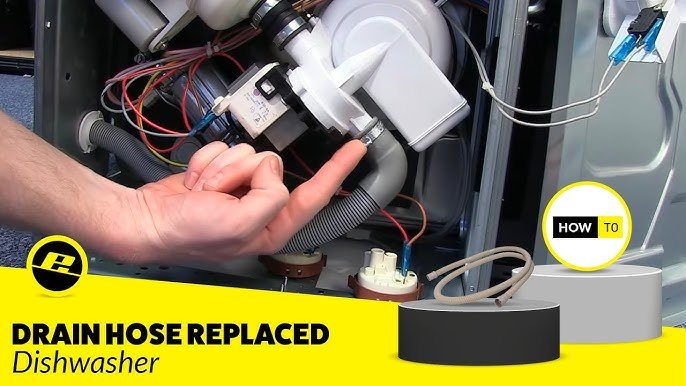
The drain hose is usually a flexible, ribbed tube. It connects to the garbage disposal or sink drain. Make sure you’re looking at the right hose. Check for the connection points. One end will be attached to the dishwasher pump. The other end connects to the kitchen plumbing.
Inspect the hose for any damage. Cracks or leaks mean it needs replacing. Identifying the hose correctly ensures a smooth replacement process.

Credit: www.youtube.com
Removing The Old Hose
Changing a dishwasher drain hose starts with removing the old hose. This step is crucial for ensuring the new hose fits properly. Follow these simple steps to remove the old hose efficiently. This will prevent potential leaks or damages to your dishwasher.
Disconnecting The Hose
First, ensure the dishwasher is unplugged. Safety is important. Next, locate the drain hose. It usually connects to the dishwasher pump. Use a screwdriver to loosen the clamp. Gently pull the hose away from the connection. Be careful not to damage any nearby components.
Inspecting For Damage
Once the hose is disconnected, inspect it closely. Look for any visible cracks or wear. A damaged hose can cause leaks. Check the hose ends for signs of wear. If any damage is found, replacement is necessary. This ensures the dishwasher functions properly.
Installing The New Hose
Replacing a dishwasher drain hose starts with turning off the water and unplugging the appliance. Disconnect the old hose from the pump and drain connection. Attach the new hose securely, ensuring no leaks.
Installing a new dishwasher drain hose might seem daunting, but it’s actually quite manageable with the right approach. Whether you’re dealing with a stubborn leak or simply upgrading your kitchen appliances, this guide will walk you through the essential steps. You might even find that it’s a rewarding task, giving you a sense of accomplishment and saving you from a hefty repair bill.Securing Connections
Once you’ve removed the old hose, it’s time to focus on securing the new one. Begin by connecting one end of the hose to the dishwasher. Ensure the connection is tight and secure to prevent leaks. You can use a hose clamp for added security. This small tool can make a big difference in keeping everything in place. Remember to tighten the clamp with a screwdriver, ensuring it grips firmly around the hose.Ensuring Proper Fit
With the hose connected to the dishwasher, the next step is to fit the other end to the drain. You might find it helpful to align the hose carefully to avoid any kinks or twists. This ensures a smooth flow of water without any blockages. Measure the length of the hose to ensure it reaches comfortably without being stretched. A hose that’s too tight can cause unnecessary strain and may lead to leaks. Cut off any excess length if necessary, but always leave a bit of slack. Does the hose fit snugly without forcing it? This is crucial for avoiding leaks and ensuring longevity. A poorly fitted hose can lead to frequent water puddles, which nobody wants to deal with. In the process of changing your drain hose, you might discover that a little patience and attention to detail go a long way. Have you considered how simple DIY tasks could save you from calling in the professionals? Maybe next time you encounter a minor issue, you’ll feel empowered to tackle it yourself.Testing The Installation
Verify the dishwasher drain hose installation by running a test cycle. Ensure water drains properly without leaks or blockages. Adjust connections if needed for a smooth operation.
Testing the installation of a new dishwasher drain hose is crucial. It ensures that the hose functions correctly and prevents leaks. A thorough check will save you from future water damage. Here are some steps to ensure your installation works perfectly.Running A Test Cycle
Run an empty load on your dishwasher. This helps you observe the drain hose in action. Set the dishwasher to a normal wash cycle. Let it run through the full cycle. Watch and listen for unusual sounds. These may indicate a problem. Pay attention to the draining process. Ensure water drains smoothly without interruption. This confirms the hose is properly connected.Checking For Leaks
Inspect the connection points of the drain hose. Look for any signs of water dripping. Use a flashlight for better visibility in tight spaces. Leaks often occur at the joints. Tighten any loose clamps if you find leaks. Test the surrounding area for moisture. A dry surface indicates a successful installation. Check under the dishwasher too. Ensure no water has pooled underneath.Tips For Maintenance
Changing a dishwasher drain hose involves disconnecting the old hose and attaching a new one. Ensure all connections are tight to prevent leaks. Regular checks can help avoid potential issues and maintain dishwasher efficiency.
Changing a dishwasher drain hose might seem like a straightforward task, but maintaining it properly can extend its life and improve your dishwasher’s performance. If you’ve ever found yourself wondering why your dishes aren’t as clean as they should be, it might be time to consider the condition of your drain hose. Regular maintenance not only helps prevent potential problems but also saves you from unexpected repair costs.Routine Checks
Regularly checking your dishwasher drain hose can prevent clogs and leaks. Make it a habit to inspect the hose for any signs of wear and tear, such as cracks or loose connections. A simple visual inspection every few months can catch issues early. Pay attention to any changes in your dishwasher’s draining efficiency; it could be a sign that the hose needs attention.Cleaning Recommendations
Keeping your drain hose clean is crucial for optimal performance. Once every few months, detach the hose and rinse it with warm water to remove any built-up debris. Consider using a mixture of vinegar and baking soda to break down stubborn residue. This not only cleans the hose but also helps eliminate any unpleasant odors. Have you ever noticed an odd smell coming from your dishwasher? This could be a sign that cleaning is overdue. Regular cleaning ensures that your dishwasher runs smoothly and efficiently. Maintaining your dishwasher drain hose doesn’t have to be a daunting task. By incorporating these simple maintenance tips into your routine, you can keep your dishwasher in top shape. Have you checked your dishwasher drain hose lately?:max_bytes(150000):strip_icc()/dishwasher-drain-hose-connections-2718613-hero-1f5cd31f7a5143e6a798c11102f0a070.jpg)
Credit: www.thespruce.com
Frequently Asked Questions
Is It Easy To Replace A Dishwasher Drain Hose?
Replacing a dishwasher drain hose is relatively easy. First, disconnect the power and water supply. Then, remove the old hose and attach the new one securely. Ensure all connections are tight to prevent leaks. If unsure, consult the dishwasher manual or consider hiring a professional for assistance.
How To Detach A Dishwasher Drain Hose?
Turn off the power and water supply. Unscrew the dishwasher’s bottom access panel. Locate the drain hose clamp. Use pliers to loosen and remove the clamp. Gently detach the hose from the drain or garbage disposal connection. Ensure the area is dry to prevent leaks.
How To Correctly Install A Dishwasher Drain Hose?
To install a dishwasher drain hose, attach it securely to the dishwasher’s drain outlet. Ensure the hose is looped above the drain connection to prevent backflow. Connect the other end to the sink drain or garbage disposal. Tighten clamps to avoid leaks.
Test for proper drainage.
How Much Does It Cost To Replace A Dishwasher Drain Hose?
Replacing a dishwasher drain hose typically costs between $20 to $50. This includes the price of the hose and basic tools. Professional installation may add $50 to $100, depending on labor rates. Always check for additional fees or parts required for specific dishwasher models.
Conclusion
Changing a dishwasher drain hose is simple with the right steps. First, gather the necessary tools. Next, turn off the power and water supply. Then, remove the old hose carefully. Attach the new hose securely to avoid leaks. Finally, test the dishwasher to ensure proper function.
Regular maintenance prevents bigger issues down the road. Follow these steps to keep your dishwasher running smoothly. A little effort saves you from costly repairs. Stay proactive and your kitchen will thank you. Keep learning and your skills will grow.
Your dishwasher will operate efficiently for years.
