
Is your dishwasher refusing to drain properly? You’re not alone.
A clogged dishwasher can turn your kitchen routine into a frustrating ordeal. You load your dishes, expecting them to come out sparkling clean, only to find standing water at the bottom of your machine. It’s not just inconvenient; it can also lead to unpleasant odors and potential damage if left unaddressed.
The good news is, you can often resolve this issue without needing to call in a professional. Imagine saving time, money, and the hassle of a service visit. In this guide, you’ll discover straightforward, effective steps to clear that stubborn clog, ensuring your dishwasher returns to peak performance. Don’t let a clogged dishwasher disrupt your life any longer—read on to reclaim your kitchen’s efficiency.
Credit: registerappliance.com
Identifying The Problem
Identifying the problem with your dishwasher is the first step toward restoring its efficiency. A clogged dishwasher can disrupt your routine, leaving dishes dirty and frustrating you with ineffective cycles. By recognizing the signs and understanding common causes, you can tackle the problem head-on and potentially save yourself from costly repairs.
Signs Of A Clogged Dishwasher
How can you tell if your dishwasher is clogged? One clear sign is water pooling at the bottom after a cycle. If you notice a musty odor or your dishes aren’t coming out clean, these could be indicators of a blockage. Listen to the dishwasher—unusual noises during operation might point to drainage issues.
Have you noticed that your dishwasher takes longer to complete a cycle? This could be another hint. A slow drain might be behind the extended time. Keeping an eye on these signs can prevent minor issues from becoming major hassles.
Common Causes Of Blockage
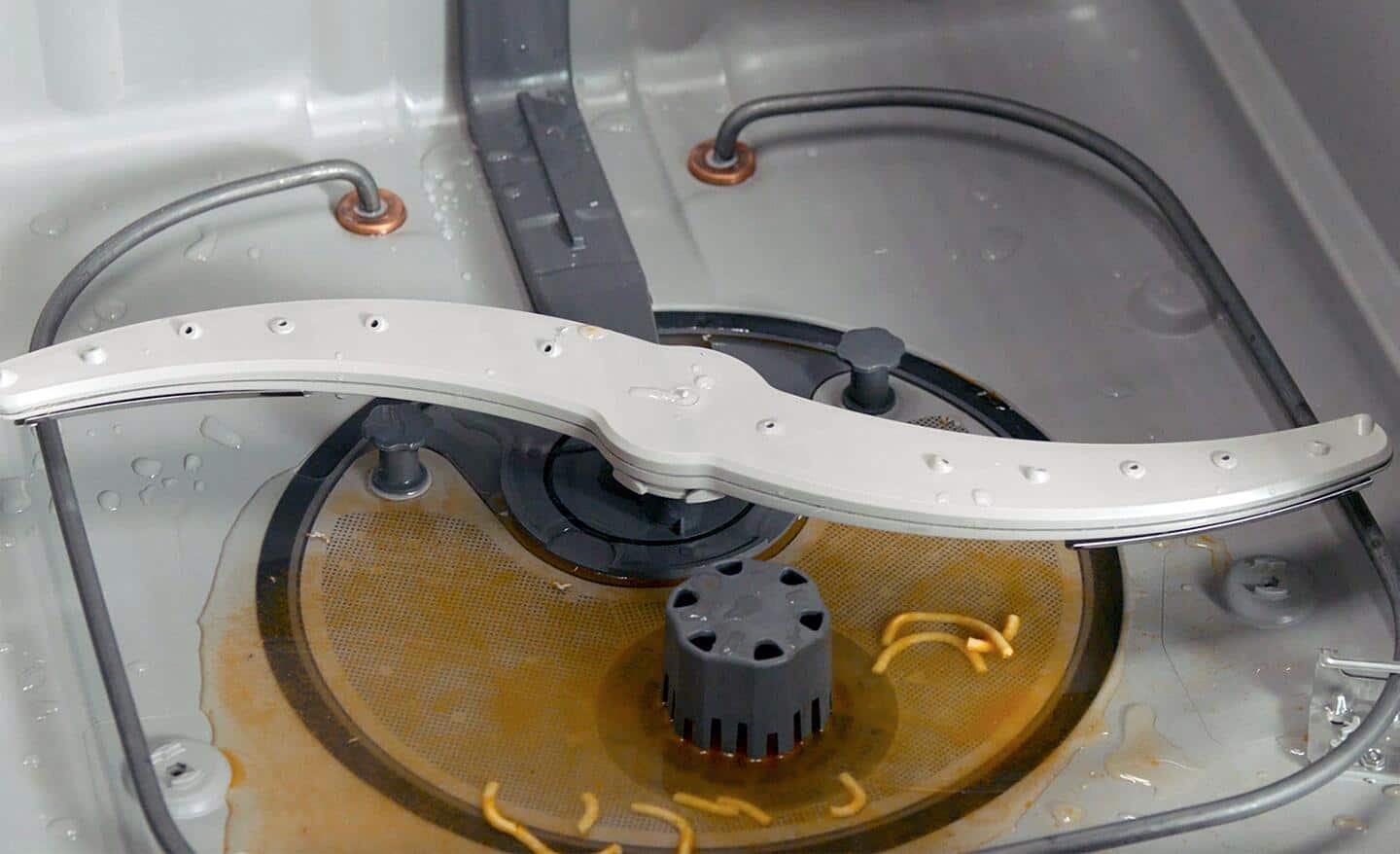
What typically causes these blockages? Food particles are frequent culprits. Bits of food often escape the filter and settle in the drain hose. Over time, they accumulate and obstruct the water flow.
Sometimes, it’s not just food. Think about what you wash—utensils and small items might accidentally slip into the wrong place, jamming the works. Hard water can also lead to mineral build-up, gradually narrowing the pathways.
Have you ever thought about the detergent you use? Too much soap can cause suds to build up and create a residue. This residue can cling to surfaces and contribute to clogging. Reflect on your dishwasher habits; minor adjustments might prevent future clogs.
Identifying the root cause is crucial. What steps will you take to ensure your dishwasher runs smoothly? Addressing these common issues not only saves time but also enhances the lifespan of your appliance.
Preliminary Checks
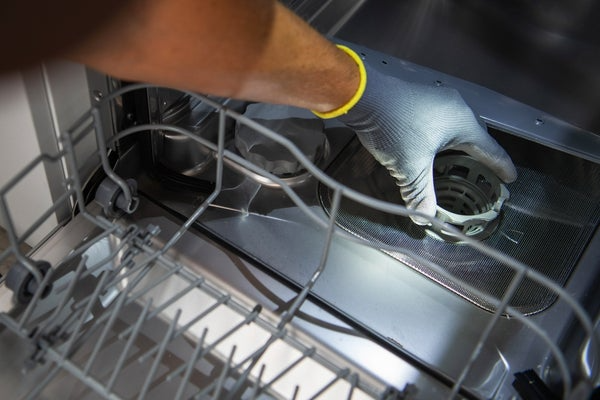
Start by unplugging the dishwasher. Check for food debris blocking the drain. Inspect the filter and spray arms for obstructions.
Clearing a clogged dishwasher can be frustrating, but starting with some basic checks can save you a lot of time and hassle. These preliminary checks are your first line of defense against stubborn clogs. By inspecting a few key components, you can often identify the problem without needing to call a professional. Let’s dive into some simple steps you can take right away.Inspecting The Drain
First, take a close look at your dishwasher’s drain. Over time, food particles and debris can accumulate here, leading to clogs. Remove the bottom rack and check the drain area for any visible blockages. If you spot any debris, carefully remove it by hand or use a soft brush. This simple inspection can often resolve minor drainage issues.Checking The Filter
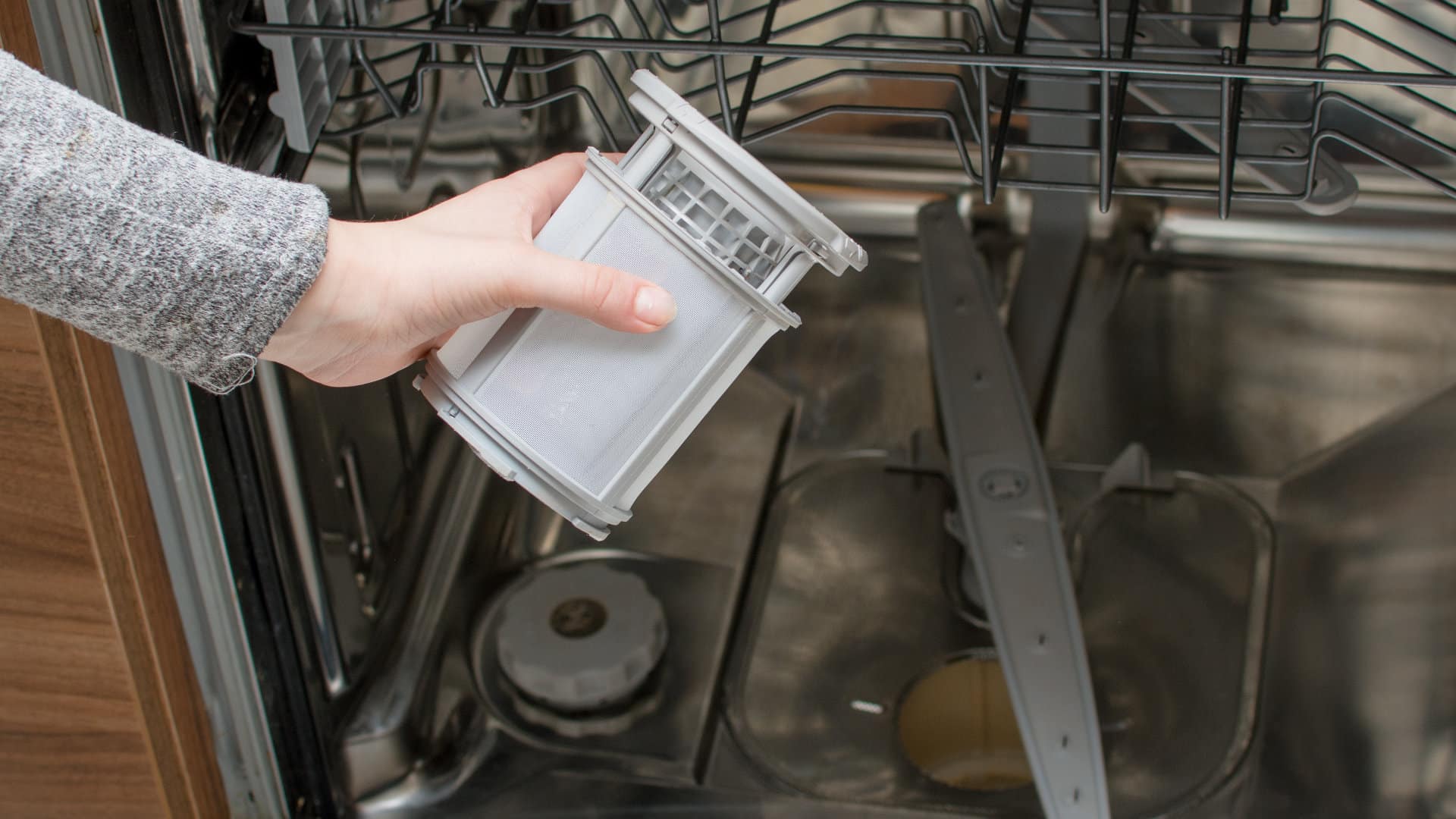
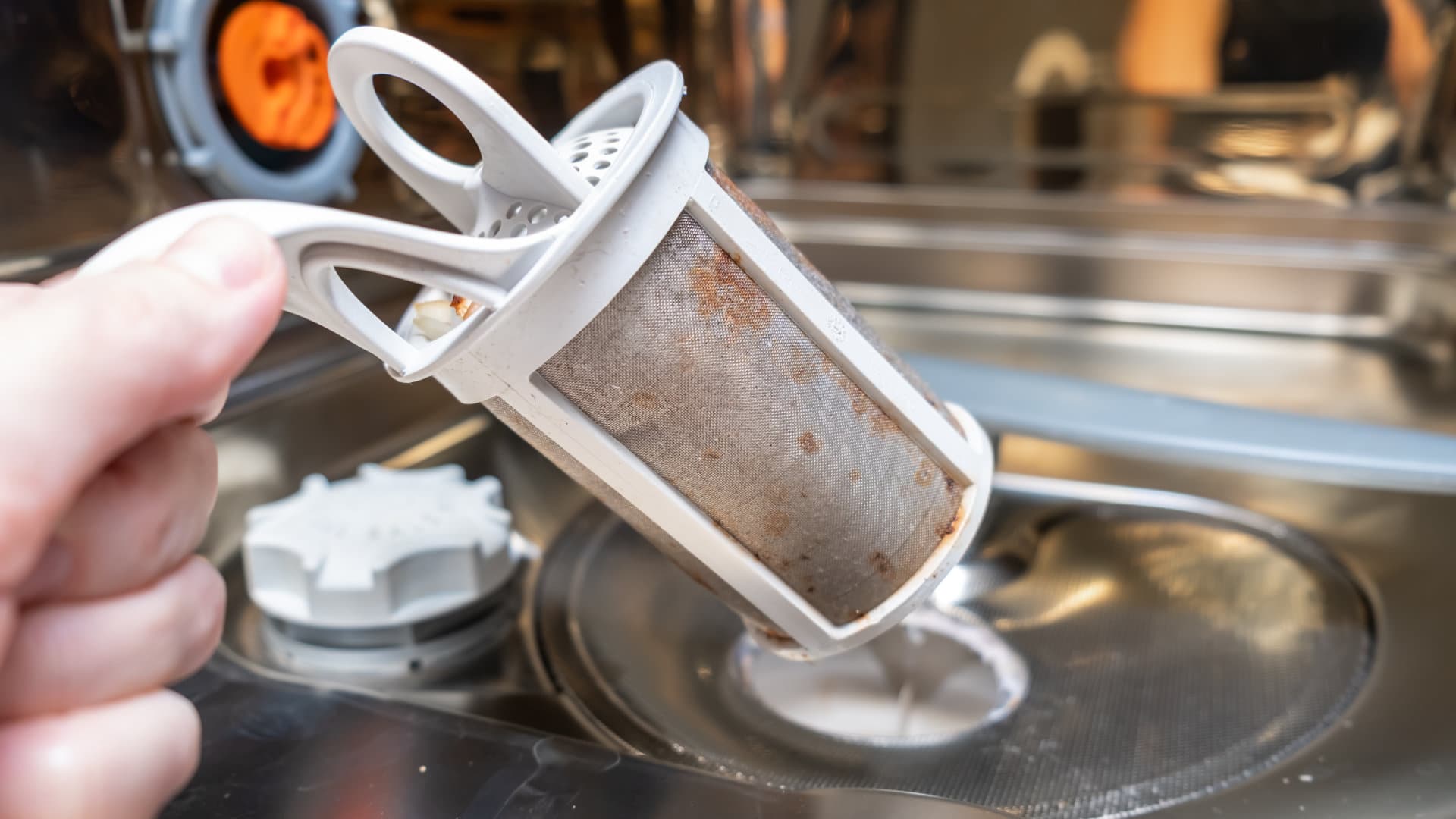
Next, focus on the filter, a crucial part of your dishwasher’s cleaning mechanism. A clogged filter can restrict water flow, preventing the dishwasher from draining properly. Locate the filter at the bottom of the dishwasher and remove it for cleaning. Rinse it under warm water, using a soft brush to dislodge stubborn particles. Regular filter maintenance can prevent future clogs and improve your dishwasher’s efficiency.Assessing The Garbage Disposal
Finally, consider whether your garbage disposal might be contributing to the problem. If your dishwasher is connected to a disposal unit, a clog here can impact its ability to drain. Run the disposal to ensure it’s clear of any blockages. This step is often overlooked but can be the key to resolving drainage issues. Have you found unexpected items causing the blockage? Share your experiences in the comments! This could help others tackle similar issues.Simple Cleaning Techniques
A clogged dishwasher can be a real headache. Simple cleaning techniques can often solve the problem. You don’t need fancy tools or expensive cleaners. Just some household items and a bit of elbow grease. Let’s dive into these easy methods.
Cleaning The Dishwasher Filter
The filter traps food particles and debris. Remove it from the dishwasher’s bottom. Rinse it under hot water. Scrub gently with a soft brush. This will remove stuck-on particles. A clean filter improves water flow. It also prevents future clogs.
Unclogging The Spray Arms
Spray arms distribute water evenly. Clogs can block these tiny holes. Remove the spray arms carefully. Use a toothpick or wire to clean each hole. Rinse thoroughly under warm water. Ensure all holes are clear. This helps the dishwasher spray properly.
Using Baking Soda And Vinegar
Baking soda and vinegar make a powerful cleaning duo. Sprinkle baking soda at the bottom of the dishwasher. Add a cup of vinegar to a dishwasher-safe container. Place it on the top rack. Run a hot water cycle. This combination breaks down grease and grime. It also freshens the dishwasher. Repeat monthly for best results.
Advanced Troubleshooting
Fixing a clogged dishwasher involves a few steps. First, check and clean the filter for debris. Next, inspect the drain hose for blockages. Finally, ensure the garbage disposal is clear if connected. Regular maintenance helps prevent future clogs and keeps your dishwasher running smoothly.
When your dishwasher refuses to drain, it can be frustrating. You’re left with standing water and a pile of dirty dishes. Before you throw in the towel, consider some advanced troubleshooting steps. These methods might be just what you need to get your dishwasher back in tip-top shape. Let’s dive into some specific techniques that can help you resolve the issue effectively.Clearing The Drain Hose
Start by unplugging your dishwasher and disconnecting the drain hose. This component is often the culprit behind stubborn clogs. Check for any visible blockages and remove them carefully. Use a long brush or a flexible cleaning tool to dislodge any debris stuck inside. Reconnect the hose securely and run a short cycle to ensure the water drains properly. Have you considered the last time you checked your drain hose? It might be time to make this a regular habit to prevent future clogs.Examining The Air Gap
The air gap is a small cylinder sitting on your sink, preventing dirty water from siphoning back into the dishwasher. Remove the air gap cover and inspect for clogs. A buildup of food particles or debris might be hiding inside. Clean it using a brush and rinse with water. Reattach the cover and test your dishwasher. If you ever wondered why your dishwasher has a mini chimney on the sink, now you know its crucial role in maintaining cleanliness.Professional Repair Options
If the problem persists, it might be time to call in the experts. A professional can diagnose issues beyond simple clogs, like faulty pumps or motors. They have the tools and expertise to fix what’s beyond your reach. Investing in professional repair can save you time and prevent further damage. Have you weighed the cost of repairs against the inconvenience of a malfunctioning dishwasher? Sometimes, peace of mind is worth the price of a service call. Remember, a clogged dishwasher doesn’t have to mean disaster. With a bit of effort and the right approach, you can tackle most issues head-on. Your future self will thank you when dishes are sparkling clean once again.Preventive Maintenance
Preventive maintenance keeps your dishwasher running smoothly. It reduces the risk of clogs and costly repairs. A few simple practices can make a big difference. Regular attention to your dishwasher enhances its lifespan.
Regular Cleaning Routine
Clean filters weekly to avoid debris buildup. Remove food scraps before placing dishes inside. Wipe down the door seals and spray arms regularly. Use vinegar to eliminate hard water stains.
Proper Loading Practices
Load dishes with spaces between them. Ensure large items don’t block the spray arms. Place pots and pans facing downward. Avoid overloading; it prevents effective cleaning.
Routine Inspections
Check hoses for leaks or damage monthly. Inspect the spinning arms for blockages. Look under the dishwasher for pooling water. Listen for unusual noises during operation.
Credit: fredsappliance.com
Credit: www.homedepot.com
Frequently Asked Questions
How Do You Unclog A Dishwasher With Standing Water?
Clear the filter and drain hose. Check for debris and clean them thoroughly. Use baking soda and vinegar. Let sit before running a cycle. Ensure proper drainage by inspecting the air gap. If still clogged, check the garbage disposal connection.
Regular maintenance prevents clogs and ensures efficient operation.
How Do I Get Rid Of A Blockage In My Dishwasher?
Clear the dishwasher filter and remove any debris. Check the drain hose for clogs or kinks. Run a vinegar and baking soda cycle. Inspect and clean the spray arms thoroughly. If the issue persists, consult a professional technician.
How Do You Tell If Your Dishwasher Drain Is Clogged?
Watch for water pooling at the bottom of the dishwasher. Check for slow drainage or unusual odors. Listen for gurgling sounds during operation. Inspect the drain for visible debris or blockages. Clean the filter and drain hose to ensure proper water flow.
Can I Use A Plunger On My Dishwasher?
Using a plunger on a dishwasher is not recommended. Plungers can damage seals or components. Instead, check filters and drains for clogs. If issues persist, seek professional assistance to avoid further complications. Regular maintenance can prevent blockages and ensure optimal performance of your dishwasher.
Conclusion
Fixing a clogged dishwasher doesn’t have to be difficult. Start by checking the filter and removing debris. Use a mixture of vinegar and baking soda for a natural cleanse. Regular maintenance helps prevent future clogs. Remember to run hot water before starting the machine.
This can flush out small particles. Hiring a professional is always an option if needed. Keep your dishwasher clean for better performance. A little effort goes a long way. Enjoy spotless dishes with these simple tips. Your dishwasher will thank you!
