

Are you noticing that your dishwasher isn’t cleaning as effectively as it used to? Or maybe there’s a lingering odor that just won’t go away?
These could be signs that it’s time to change your dishwasher filter. Don’t worry, though; this is a simple task that anyone can do with a little guidance. By learning how to change your dishwasher filter, you can ensure your dishes come out sparkling clean every time and prolong the life of your appliance.
Imagine the satisfaction of knowing your dishwasher is running at peak performance, just by following a few straightforward steps. Keep reading to discover how you can easily swap out your dishwasher filter and enjoy the benefits of a more efficient and fresher-cleaning appliance.
Tools And Materials Required
Gather a screwdriver, a soft brush, and a replacement filter to change your dishwasher filter. Ensure you have a towel and mild detergent handy for cleaning. These tools help make the process smooth and efficient.
Changing a dishwasher filter might seem like a daunting task, especially if you’ve never done it before. However, with the right tools and materials on hand, you can accomplish this task smoothly and efficiently. You might be surprised at how straightforward it is once you’ve gathered everything you need. Here’s a breakdown of the essential tools and materials required to change your dishwasher filter.Gathering The Right Tools
Before you start, make sure you have a Phillips head screwdriver. This handy tool is often necessary to remove any screws holding the filter in place. Don’t worry if you’re not a DIY expert; using a screwdriver is a skill anyone can master with a little practice. A soft brush or an old toothbrush also comes in handy for cleaning the filter. This tool helps you scrub away any stubborn debris without damaging the filter.Essential Materials To Have
You’ll need warm, soapy water to clean the filter. It’s effective in breaking down grease and grime that may have accumulated over time. Consider using white vinegar as an additional cleaning agent. It’s a natural disinfectant that can help eliminate odors and kill bacteria. A clean cloth or towel is essential for drying the filter after cleaning. Leaving the filter wet can lead to mold growth, so ensure it’s thoroughly dried before reinstallation.Why You Should Be Prepared
Having these tools and materials ready not only makes the process quicker but also more efficient. Imagine having to pause midway through the task to find a missing tool—frustrating, right? Being prepared means you can focus on the task without unnecessary interruptions. Isn’t it satisfying to know that you have everything you need at your fingertips before even starting? Having a checklist of tools and materials can make this small home maintenance task feel like a breeze.Locating The Filter
Knowing the location of your dishwasher filter is essential for maintenance. Many users overlook this small but crucial component. A clean filter ensures optimal performance and prevents clogs. Let’s explore how to find it in your dishwasher.
Understanding Your Dishwasher Model
Dishwasher filters can vary based on the model. Check your user manual for specific details. This document often provides a diagram showing the filter’s location. If you lack the manual, a quick online search can help.
Opening The Dishwasher
First, open the dishwasher door fully. This gives you access to the interior. Make sure the appliance is off before proceeding. Safety should always be your top priority.
Checking The Bottom Rack
Pull out the bottom rack gently. The filter is usually at the bottom center. Look for a round or rectangular cover. This cover often hides the filter assembly.
Identifying The Filter Type
Most dishwashers have two types of filters: manual and self-cleaning. Manual filters need regular cleaning. Self-cleaning filters use grinders to break down debris. Knowing your filter type aids in proper maintenance.
Visual Clues On The Filter
Look for arrows or tabs indicating the filter’s position. These markings guide you on how to remove it. Often, a simple twist or pull will do the trick. Follow these visual clues for an easier experience.
Removing The Old Filter
Changing your dishwasher filter is essential for its smooth operation. Removing the old filter is a crucial step in this process. This task may seem daunting, but it’s straightforward with some guidance. You will need to follow a few simple steps. Before you know it, your dishwasher will be running efficiently again.
Turning Off The Dishwasher
Before starting, ensure your dishwasher is off. This step is vital for safety. Locate the power switch or unplug the appliance. Double-check to ensure it’s not running. This precaution prevents accidents and ensures a smooth process.
Accessing The Filter Compartment
Next, open the dishwasher door. Slide out the bottom rack carefully. This gives you access to the filter compartment. Look at the bottom of the dishwasher. The filter is usually near the spray arm. You might need a flashlight to see clearly.
Detaching The Filter
Once located, it’s time to remove the filter. Hold the filter handle firmly. Turn it counterclockwise to unlock it. Some filters might have a catch or clip. Press or unhook this if needed. Gently lift the filter out. Be cautious to avoid damaging any parts.

Credit: www.reddit.com
Cleaning The Filter
Changing a dishwasher filter is simple and essential for efficiency. First, remove the bottom rack to access the filter. Then, twist and lift the filter out for cleaning or replacement. Regular maintenance ensures your dishwasher runs smoothly and keeps your dishes spotless.
Cleaning the filter in your dishwasher is essential. A clean filter ensures efficient performance. It prevents food particles from blocking water flow. Regular cleaning also extends the dishwasher’s life. Let’s explore how to clean your dishwasher filter properly.Rinsing Under Water
First, remove the filter from the dishwasher. Hold it under warm running water. This helps wash away loose debris. Rotate the filter to rinse all sides. Ensure no food particles remain. Warm water effectively loosens stuck-on residue.Using A Soft Brush
A soft brush works well on stubborn grime. Gently scrub the filter’s surface. Focus on small crevices and corners. Use gentle pressure to avoid damage. A toothbrush is an excellent tool for this task. Rinse the filter again after brushing. Ensure all soap and debris are removed.Installing The New Filter
Installing the new filter in your dishwasher can seem like a daunting task. But with a little guidance, it’s straightforward and rewarding. Imagine the satisfaction of knowing your dishwasher is running efficiently! Let’s dive into the nitty-gritty of positioning and securing the new filter.
Positioning The Filter
First things first, check your dishwasher’s manual. It’s your best friend when figuring out where exactly the filter goes. Different models have different positions for the filter.
Next, gently slide the new filter into the designated slot. You’ll want to make sure it sits snugly without any wiggle room. This ensures no debris sneaks through.
As you position the filter, think about how it fits into the larger cleaning ecosystem of your dishwasher. A well-placed filter means cleaner dishes and less wear on your appliance.
Securing The Filter
Once the filter is properly positioned, it’s time to secure it. Most filters have simple locking mechanisms, like a twist or a clip. Engage these to keep the filter firmly in place.
Check for any wobbling or loose fit. A secure filter means you won’t have to worry about it coming loose during a cycle. This is crucial for maintaining the efficiency of your dishwasher.
Finally, give the filter a gentle tug to ensure it’s locked in. Have you ever experienced the frustration of a loose filter? It’s best avoided by ensuring everything is tight and secure.
Changing your dishwasher filter might seem like a small task, but it’s an essential part of home maintenance. Have you ever noticed how a tiny adjustment can lead to big improvements? Take a moment to enjoy the peace of mind knowing your dishwasher is in top shape!
Testing The Dishwasher
Changing a dishwasher filter is simple. First, locate the filter at the bottom of the dishwasher. Then twist and lift it out gently. Clean the filter using warm water and a soft brush. Finally, reinstall the filter securely in its position.
Regular maintenance ensures optimal performance.
Testing your dishwasher after changing the filter is a crucial step to ensure everything is functioning correctly. It’s like giving your appliance a clean bill of health. Taking a few extra minutes to double-check can save you from unexpected surprises later. Let’s walk through the steps to make sure your dishwasher is running smoothly.Running A Short Cycle
Start by selecting a short cycle on your dishwasher. This cycle is perfect for testing because it’s quick and efficient. You’re not looking to wash a full load here—just confirming the filter is installed properly and the water flows as it should. Listen carefully while the dishwasher runs. Any unusual noises like grinding or rattling could indicate something isn’t right. It’s better to catch these early than to deal with bigger issues down the road.Checking For Leaks
Once the cycle finishes, inspect the area around the dishwasher for any leaks. Water on the floor or around the dishwasher is a red flag. It might mean the filter isn’t secured properly or there’s an issue with the door seal. Open the dishwasher and check the inside as well. Look for any pooling water that wasn’t there before. If you notice any problems, it might be worth re-checking the filter’s installation. Testing your dishwasher after a filter change is more than just a formality. It’s your assurance that the machine is ready to tackle your next load of dishes without any hiccups. What have you discovered in your own kitchen adventures?Maintenance Tips
Changing a dishwasher filter is simple and keeps your machine running smoothly. First, locate the filter at the bottom of the dishwasher. Remove and rinse it under warm water to clear away debris. Reinstall it securely to ensure effective cleaning performance.
Regular maintenance prevents clogs and extends your dishwasher’s life.
Maintaining your dishwasher is essential for its longevity and efficiency. One key component often overlooked is the dishwasher filter. Proper maintenance ensures your dishwasher runs smoothly and keeps your dishes sparkling clean. By focusing on regular cleaning and knowing when to replace your filter, you can avoid costly repairs and enjoy hassle-free dishwashing.Regular Cleaning Schedule
Consistency is key when it comes to maintaining your dishwasher filter. Create a habit of cleaning the filter at least once a month. This simple routine prevents food particles and debris from clogging your dishwasher and affecting its performance. Picture this: You finish a delicious meal, but your dishwasher leaves bits of food on your plates. This could be a sign that your filter needs attention. Regular cleaning helps maintain optimal water flow and ensures your dishes come out spotless every time.Signs Of Filter Replacement
How do you know when it’s time to replace the filter? Start by paying attention to the performance of your dishwasher. If your dishes remain dirty or there’s an unpleasant odor, it might be time for a new filter. Another sign is visible damage or wear on the filter itself. If it looks worn out or cracked, replacing it can prevent further issues. Think of it as changing a lightbulb; a small effort that makes a big difference in performance. Consider the last time you changed your filter. If it’s been more than a year, it might be time to check it out. Regularly assessing your filter not only saves you money but also enhances your dishwasher’s efficiency. By incorporating these maintenance tips into your routine, you’re not just maintaining an appliance; you’re ensuring peace of mind in your daily life. How often do you think about your dishwasher filter? Maybe it’s time to give it some attention.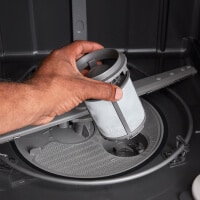
Credit: www.whirlpool.com
:max_bytes(150000):strip_icc()/how-to-clean-a-dishwasher-filter-5085457-07-48dd85ef67964762b9609ba0ff5124b2.jpg)
Credit: www.thespruce.com
Frequently Asked Questions
Do Dishwasher Filters Need To Be Changed?
Yes, dishwasher filters need regular cleaning or replacement for optimal performance. Check your manufacturer’s guidelines for specific maintenance instructions. Clean filters remove food particles, prevent clogs, and enhance washing efficiency. Regular maintenance ensures a longer lifespan and better cleaning results for your dishwasher.
How To Tell If A Dishwasher Filter Is Clogged?
Check for water drainage issues or unusual noises during cycles. Examine dishes for remaining food particles. Inspect the filter for debris buildup. Regular cleaning can prevent clogging. A clogged filter can affect dishwasher performance significantly. Ensure filters are cleaned frequently for optimal function.
How Often Should I Clean My Dishwasher Drain Filter?
Clean your dishwasher drain filter every month. Regular cleaning ensures optimal performance and prevents unpleasant odors. This simple maintenance task helps extend the lifespan of your appliance. Make it a part of your monthly cleaning routine for best results.
How Do I Clean A Non-removable Filter In The Dishwasher?
Remove debris using a soft brush or cloth. Pour white vinegar and let it sit for 15 minutes. Scrub gently, rinse thoroughly, and repeat monthly for optimal performance. Ensure the dishwasher is empty before cleaning the filter. Avoid using harsh chemicals to prevent damage.
Conclusion
Changing your dishwasher filter is simple and quick. Follow the steps carefully. Ensure the dishwasher is off before starting. Locate the filter at the bottom rack. Remove and clean it regularly. This prevents clogs and ensures clean dishes. Regular maintenance extends the dishwasher’s life.
Filters should be replaced when damaged. Clean filters improve efficiency. A clean filter means sparkling dishes. With practice, filter changes become easy. Keep your dishwasher working well. Save money on repairs. Enjoy cleaner dishes with less effort. Regular filter maintenance is key.
Happy cleaning!
