

Is your dishwasher not draining properly? You’re not alone.
A clogged dishwasher can be a real headache, turning what should be a simple task into a frustrating ordeal. But don’t worry there’s a solution at your fingertips. Imagine the relief of watching your dishwasher hum back to life, efficiently cleaning your dishes once more.
This guide is here to help you fix that clog and restore your kitchen’s sanity. You’ll discover simple, effective steps to unclog your dishwasher without needing to call in a professional. So, let’s dive in and get your dishwasher running smoothly again!
Common Causes Of Dishwasher Clogs
Food particles, grease, and soap scum often cause dishwasher clogs. Fixing involves clearing debris from the drain and filter. Regular cleaning prevents future issues.
When your dishwasher refuses to drain properly, it’s more than just a minor inconvenience. A clogged dishwasher can leave dishes dirty and standing water at the bottom of the machine. Before you panic or call a repair technician, understanding the common causes of dishwasher clogs can help you troubleshoot and possibly fix the issue yourself.
1. Food Debris Build up
Leftover food particles are notorious culprits in clogging dishwashers. Even when you scrape your dishes before loading, tiny bits can still make their way into the machine. Over time, these particles accumulate in the filter or drain hose, blocking water flow.
2. Grease And Fat Accumulation
Ever notice how grease can solidify when it cools? When you wash greasy dishes, some of that grease can stick to the dishwasher’s pipes and components. This can gradually build up and create a stubborn blockage.
3. Foreign Objects
Have you ever found a small piece of plastic or a stray label floating in your dishwasher? Sometimes, non-food items like bones, toothpicks, or even broken glass can end up in the machine. These objects can obstruct the dishwasher’s drain pump or hose.
4. Detergent Issues
Using the wrong type or excessive amount of detergent can cause problems. Some dishwashers are sensitive to certain detergents, leading to clogs from undissolved soap. Check your dishwasher manual for recommended detergents and amounts.
5. Faulty Drain Pump
If your dishwasher’s drain pump is malfunctioning, it can lead to water not draining properly. Listen for unusual noises or lack of sound from the pump to identify this issue. Replacing a faulty pump might be necessary if it’s beyond cleaning or simple repair.
6. Clogged Air Gap
If your dishwasher has an air gap, it can become clogged with debris. This small metal cylinder near your sink prevents dirty water from siphoning back into the dishwasher. Ensuring it’s clear can prevent drainage issues. Understanding these common causes can empower you to take the first steps in fixing your clogged dishwasher. Have you checked your filter or examined the drain hose lately? Sometimes, a simple inspection can reveal the problem and save you a service call.
Identifying The Signs Of A Clogged Dishwasher
Identifying the signs of a clogged dishwasher is crucial. It helps prevent bigger problems. A dishwasher may show various symptoms. These can indicate a blockage. Understanding these signs is the first step in fixing it. Let’s explore some common indicators.
Standing Water In The Bottom
Standing water is a clear sign of a clog. After a cycle, check the bottom. Water should not remain. If it does, there might be a blockage. This could be in the drain hose or filter.
Unusual Noises During Operation
Dishwashers usually run quietly. Strange sounds can indicate a problem. Grinding or humming noises are concerning. They often point to a clog. Listen carefully to your dishwasher.
Slow Draining
Observe how your dishwasher drains. Slow draining is a warning sign. This can result from clogs in the drain line. It affects the efficiency of your machine.
Water Backing Up Into The Sink
Notice water backing into the sink? This suggests a dishwasher issue. A clogged drain line can cause this. It disrupts the normal flow of water.
Bad Odors Emanating From The Dishwasher
Bad smells from a dishwasher are unpleasant. They often result from trapped food particles. These particles can block the drain. Cleaning the filter might help. It can reduce odors and prevent clogs.
Residue On Dishes After Cleaning
Clogs can leave residue on dishes. This is a common sign. Dishes should come out clean. If they don’t, check for blockages. Ensuring clear pathways improves cleaning results.
Tools Needed For Fixing A Clogged Dishwasher
Fixing a clogged dishwasher can be a straightforward task. Having the right tools is essential for success. Proper tools ensure an efficient and smooth process. This section covers the necessary tools for the job.
Essential Tools For The Job
A few basic tools are needed. A screwdriver set is essential. Different screws require different heads. Pliers are also important. They help in gripping and twisting components.
Useful Cleaning Tools
Cleaning tools are vital. A small brush helps clean filters. It reaches tight spaces easily. A toothpick or skewer clears small debris. Keep them handy during the task.
Safety Tools For Protection
Safety should always be a priority. Rubber gloves protect your hands. They shield against chemicals and dirt. Safety goggles protect your eyes from splashes.
Drain Snake For Stubborn Clogs
Stubborn clogs need more effort. A drain snake can help. It reaches deep into pipes. This tool is flexible and effective. Ensure you have one for tough clogs.
Towels And Buckets For Cleaning Up
Prepare for water spills. Keep towels nearby. They absorb water quickly. A bucket helps catch excess water. These tools keep your space tidy.
Step-by-step Guide To Unclogging
Fixing a clogged dishwasher involves checking the drain and removing any debris blocking water flow. Cleaning the filter and ensuring proper drainage can often solve the problem. Regular maintenance helps prevent future clogs and keeps your dishwasher running smoothly.
Clogged dishwashers are a common household annoyance, but before you panic and call a repair technician, consider trying a few DIY fixes. Unclogging a dishwasher can be simpler than you might think. With a bit of patience and elbow grease, you can tackle the problem yourself. Here’s a step-by-step guide to help you get your dishwasher back in working order.
Checking The Filter
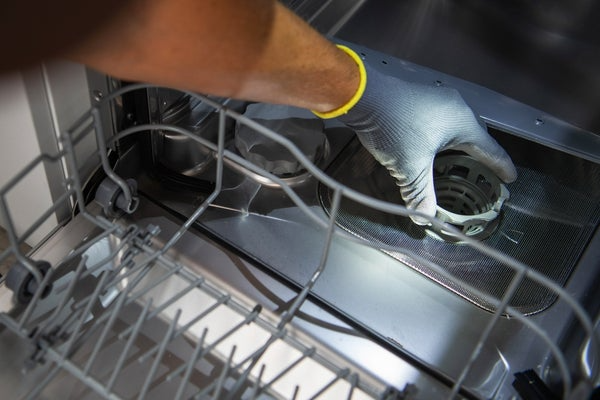
Start by examining your dishwasher’s filter. Often, food particles and debris accumulate here, blocking the water flow. Remove the bottom rack and locate the filter, usually found at the bottom of the dishwasher. Twist and lift it out gently. Rinse it under warm water and use a soft brush to scrub away any stubborn bits.
Inspecting The Drain Hose
The drain hose is the next component to check. It connects your dishwasher to the sink drain or garbage disposal. Disconnect the hose and inspect it for any blockages. A flexible brush or a straightened wire hanger can help clear obstructions. Make sure the hose is not kinked or bent, as this can also impede water flow.
Cleaning The Air Gap
The air gap is a small fixture located next to your faucet, which prevents dirty water from re-entering the dishwasher. Remove the air gap cover and clean any debris from inside. A small brush or a toothpick can help remove stubborn grime. Ensuring the air gap is clear can often resolve drainage issues.
Examining The Garbage Disposal Connection
If your dishwasher is connected to a garbage disposal, check this connection as well. Ensure the knockout plug has been removed if the disposal is new. Also, verify that there are no food particles clogging the disposal itself. Run the disposal to clear any potential blockages and test the dishwasher again. Feeling empowered to troubleshoot your dishwasher? These steps are designed to help you save time and money while keeping your kitchen running smoothly. Have you encountered other clever tricks for unclogging a dishwasher? Share your experiences in the comments!
Preventing Future Dishwasher Clogs
Dealing with a clogged dishwasher is a hassle that disrupts your daily routine and can lead to bigger issues if not addressed. The good news is you can prevent future clogs with a few simple practices. From regular maintenance to smarter loading techniques, these proactive steps ensure your dishwasher runs smoothly, saving you both time and stress.
Regular Maintenance Tips
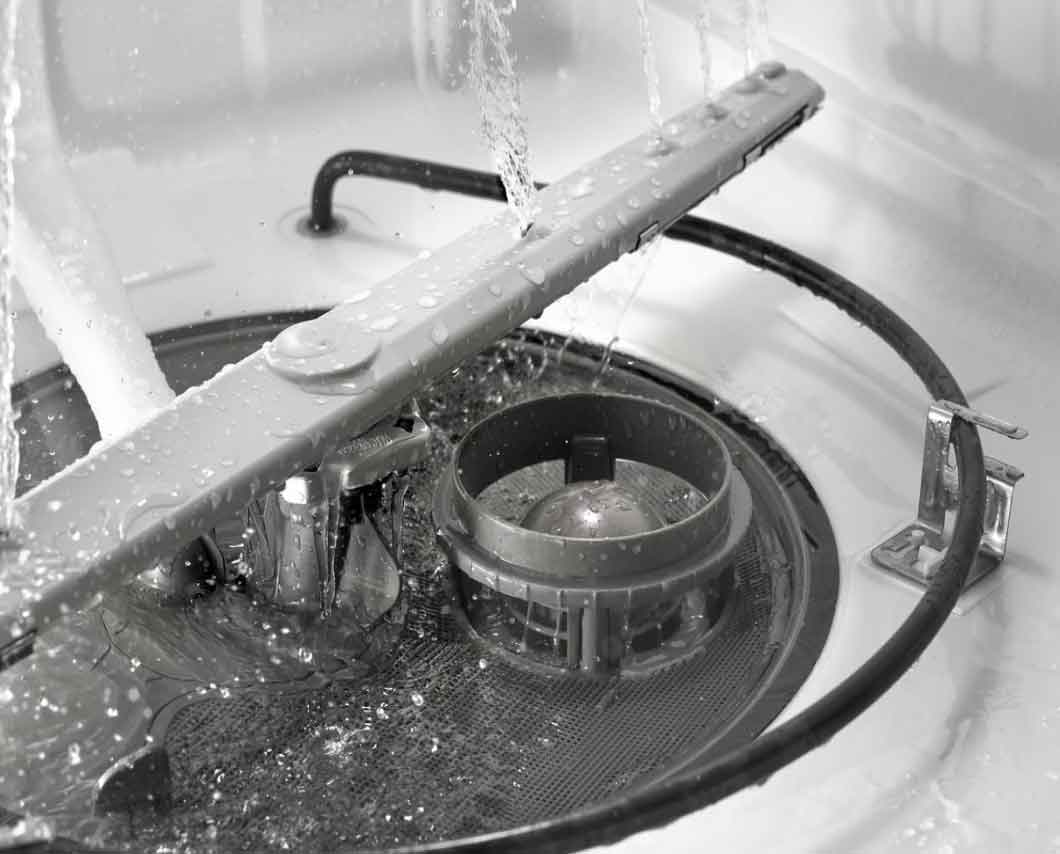
Regular maintenance is key to keeping your dishwasher in top condition. Start by checking the dishwasher filter regularly. It’s easy to forget, but a clean filter prevents food particles from causing clogs.
Inspect the spray arms for blockages. This simple check ensures water flows freely, enhancing cleaning efficiency. Don’t underestimate the power of a monthly cleaning cycle. Use a dishwasher cleaner or a vinegar rinse to keep the interior fresh and free from buildup.
Proper Loading Techniques
How you load your dishwasher matters more than you might think. Avoid overcrowding dishes; it restricts water flow and cleaning performance. Place larger items at the sides and back to ensure smaller items get cleaned effectively.
Ensure dishes face the spray arms. This allows water to hit them directly, preventing food residues from sticking and clogging. Avoid stacking utensils closely together. This simple adjustment ensures water reaches all surfaces, reducing the risk of clogs.
Avoiding Problematic Foods
Some foods are notorious for causing dishwasher clogs. Scrape off excess food before loading dishes. This prevents larger pieces from blocking filters and spray arms.
Be wary of starchy foods like pasta and rice. These expand in water and can easily clog your system. Dispose of oils and fats properly. They solidify and stick to the interior, leading to blockages over time.
Have you noticed certain foods causing frequent clogs? Identifying these culprits helps you adjust your cleaning habits and keep your dishwasher running smoothly.
Credit: www.maytag.ca
When To Call A Professional
Dealing with a clogged dishwasher can be frustrating. Sometimes, simple solutions work, like checking for food debris or unclogging the drain. But not all clogs are easy to fix. Knowing when to call a professional can save time and stress.
A professional can diagnose complex problems. They have the skills and tools needed for difficult repairs. If you’re unsure about the severity of the issue, calling an expert is wise.
Persistent Clogs
If your dishwasher remains clogged after basic cleaning, it’s time to consider help. Persistent issues often signal a deeper problem. A trained technician can identify hidden blockages.
Unusual Noises
Strange sounds during operation can indicate mechanical issues. Grinding or banging noises may mean parts are obstructed. Ignoring these sounds can lead to bigger problems.
Water Leakage
Water pooling around the dishwasher is a red flag. It can indicate a serious clog or other malfunction. A professional can assess the situation and fix leaks safely.
Electrical Concerns
Dishwashers involve water and electricity, a risky combination. If you’re experiencing electrical issues or sparks, don’t attempt repairs yourself. Call an expert immediately for your safety.
Repeated Error Codes
Modern dishwashers display error codes for various malfunctions. If the same code appears repeatedly, it signals a recurring problem. A professional can interpret these codes accurately.
Credit: www.ahs.com
Frequently Asked Questions
How Do I Clear A Blockage In My Dishwasher?
Start by disconnecting the dishwasher from power. Remove and clean the filter. Check the drain hose for clogs. Use a mixture of baking soda and vinegar to clear blockages. Run a hot water cycle to flush the system.
How Do You Unclog A Dishwasher With Standing Water?
To unclog a dishwasher, remove standing water with a cup. Clean the filter and drain hose. Check for obstructions in the garbage disposal. Run a cycle with vinegar and baking soda. If problems persist, consult a professional.
How Do You Know If Your Dishwasher Drain Is Clogged?
Water pools at the bottom, dishes aren’t clean, or the dishwasher makes gurgling noises. These signs indicate a clogged drain. Check for slow drainage or leftover food particles. Regular maintenance helps prevent clogs.
How Do I Force My Dishwasher To Drain?
To force your dishwasher to drain, check for clogs, clean filters, and ensure the drain hose is clear. Reset the dishwasher by unplugging it for a few minutes, then reconnect. Test the drain function by running a short cycle. If issues persist, consult the manual or contact a professional.
Conclusion
Fixing a clogged dishwasher can be simple. Start with checking the filter. Remove any debris you find. Next, inspect the spray arms. Make sure they aren’t blocked. Examine the drain hose for clogs. Clear any obstructions. Regular cleaning helps prevent future clogs.
Use vinegar and baking soda. Run a hot water cycle. This clears minor blockages. If problems persist, consult a professional. Proper care extends your dishwasher’s life. Keep it running smoothly. Save time and money with these tips. Enjoy a hassle-free kitchen routine.
Your dishwasher will thank you!
