
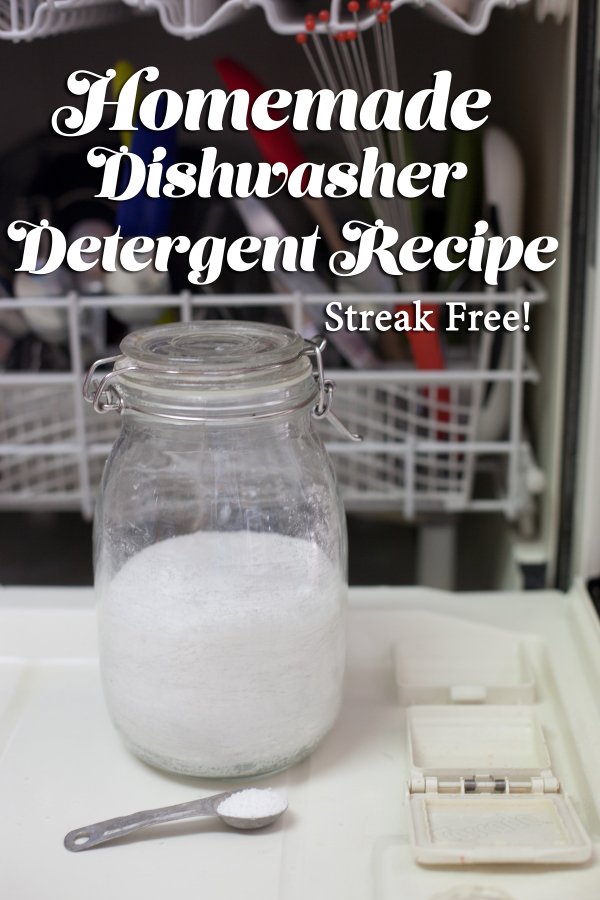
Do you ever glance at your kitchen shelves and wonder about the ingredients in your cleaning products? Especially that dishwasher detergent you use every day?
You’re not alone. Many people are starting to explore DIY solutions for their household needs, and making your own dishwasher detergent is a simple, cost-effective, and eco-friendly option. Imagine the satisfaction of knowing exactly what goes into the detergent that cleans your dishes, while also saving money and reducing your environmental footprint.
Curious about how you can whip up a batch at home? This guide will walk you through the process, step by step, so you can ditch the store-bought stuff for good. Stay with us to discover how easy it is to make a cleaner choice for your kitchen and the planet.
Benefits Of Homemade Dishwasher Detergent
Crafting your own dishwasher detergent can save money and reduce chemical exposure. Combine baking soda, borax, and lemon essential oil for a powerful cleaning solution. This homemade mix tackles grease and leaves dishes spotless, offering a natural, effective alternative to store-bought detergents.
Making your own dishwasher detergent comes with a host of benefits, both for your household and the environment. It’s more than just about saving money; it’s about taking control of what goes into the products you use daily. With homemade detergent, you can ensure that your dishes are cleaned with safe, natural ingredients.Cost-effective
Creating your own dishwasher detergent is a savvy way to cut down on household expenses. The ingredients you need, like baking soda, borax, and citric acid, are generally cheaper when bought in bulk. Over time, you’ll notice how these savings add up compared to store-bought options.Environmental Impact
Homemade detergents are often free from harsh chemicals found in commercial products. By choosing eco-friendly ingredients, you reduce the number of harmful substances released into our waterways. This choice contributes to a healthier planet and a safer home environment for your family.Customizable Formulas
One of the joys of making your own detergent is the ability to tailor it to your needs. If you have sensitive skin, you can opt for hypoallergenic ingredients. Want a fresh lemon scent? Add some essential oils. The possibilities are endless, allowing you to create a product that suits your preferences perfectly.Safety And Peace Of Mind
Knowing exactly what’s in your cleaning products can give you peace of mind. You avoid potential allergens and irritants often found in commercial detergents. This is especially important if you have young children or pets who may come into contact with your dishes.Fun And Educational
Making dishwasher detergent can be an enjoyable DIY project. It’s a great opportunity to learn more about the ingredients you’re using and their benefits. Plus, involving your family in the process can be a fun and educational experience for everyone. Have you ever thought about what goes into your dishwasher detergent? Taking the step to make your own can transform your cleaning routine and benefit both your wallet and the world around you.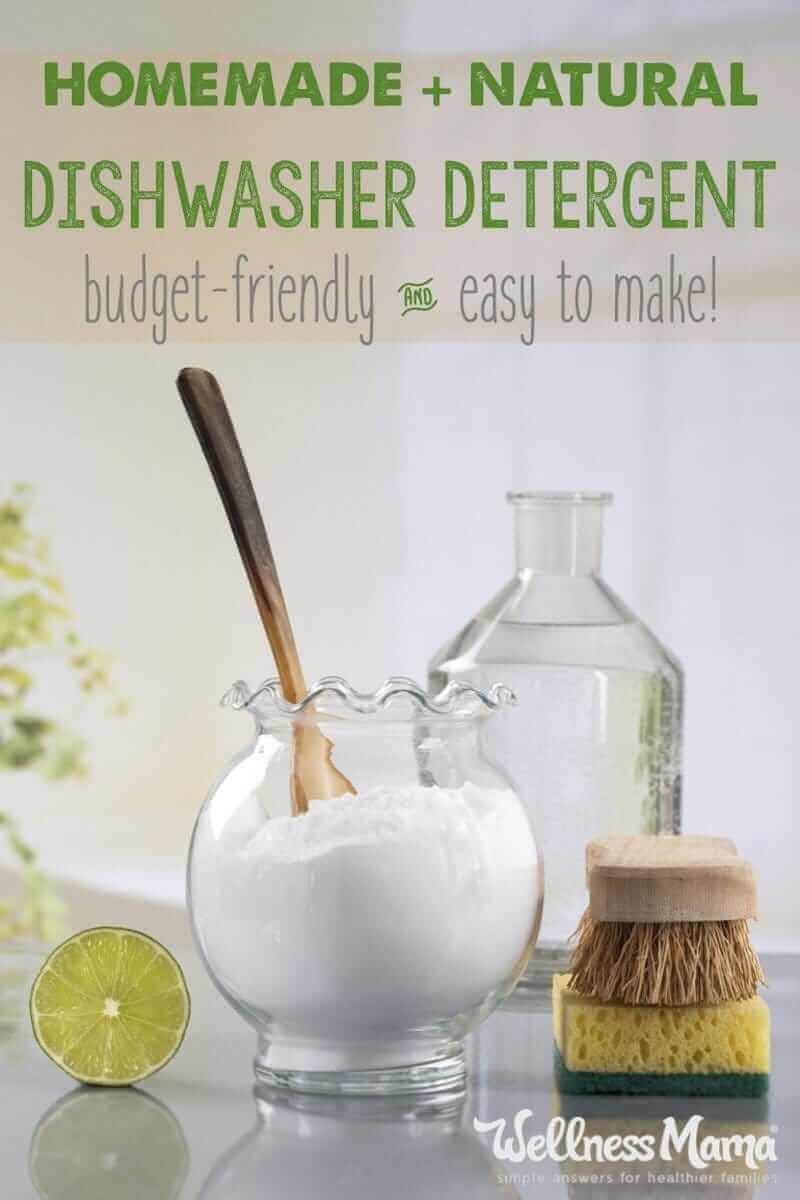
Credit: wellnessmama.com
Essential Ingredients
Creating your own dishwasher detergent can be a rewarding process. Understanding the essential ingredients is key. These ingredients ensure your dishes come out sparkling clean and fresh. Each component serves a unique purpose. Let’s explore them in detail.
Natural Cleaning Agents
Natural cleaning agents are the backbone of homemade detergents. Baking soda and washing soda are popular choices. They cut through grease and grime effectively. These agents are gentle on your dishes. They also leave no harmful residues.
Water Softening Components
Hard water can be a challenge. It leaves spots and reduces cleaning power. Adding water softening components helps. Citric acid is a common option. It breaks down minerals in hard water. This ensures better detergent performance.
Fragrance And Freshness Additives
Fragrance and freshness additives make your dishes smell delightful. Essential oils serve this purpose well. Lemon or lavender oils are popular. They add a pleasant scent without harsh chemicals. A few drops go a long way.
Tools And Equipment Needed
Creating your own dishwasher detergent can be a rewarding endeavor. Knowing the tools and equipment needed is crucial. You want to ensure the process is smooth and efficient. This section will guide you through what you need.
Mixing Bowl
A mixing bowl is essential for combining ingredients. Choose a sturdy bowl. Ensure it’s large enough to hold all the ingredients without spilling.
Measuring Cups And Spoons
Accuracy is key in homemade detergent. Use measuring cups and spoons. They help to ensure the right proportions. This impacts the detergent’s effectiveness.
Storage Container
A storage container is needed for your finished product. Opt for an airtight container. It keeps the detergent fresh and dry. Make sure it’s easy to open and close.
Whisk Or Spoon
A whisk or spoon helps in mixing the ingredients. It ensures everything is well-blended. This is important for uniform consistency.
Funnel
A funnel can be helpful when pouring detergent into containers. It minimizes spills and messes. Choose a funnel that fits your container size.
Labels
Labels are useful for identifying your detergent. They help you remember what you’ve created. It’s also useful for noting ingredients or instructions.

Credit: www.youtube.com
Step-by-step Preparation Guide
Creating your own dishwasher detergent can be simple and effective. This step-by-step preparation guide will help you make a natural detergent at home. Enjoy sparkling dishes and save money with this eco-friendly alternative.
Mixing The Ingredients
Begin by gathering the necessary materials. You need washing soda, borax, and sea salt. Each ingredient plays an essential role. Washing soda helps remove stains and grease. Borax adds extra cleaning power. Sea salt enhances scrubbing action.
Measure one cup of washing soda. Add one cup of borax. Mix them together in a large bowl. Stir thoroughly for even distribution. Finally, add half a cup of sea salt. Mix again until fully combined.
Storing The Detergent
Proper storage ensures long-lasting freshness. Transfer the mixture into an airtight container. A jar with a tight lid works well. Keep the container in a cool, dry place. Avoid exposure to moisture and heat.
Label the container clearly. Include the date of preparation. This helps track the shelf life. You can store the detergent for several months.
Using The Detergent Correctly
Use one tablespoon per dishwasher load. Sprinkle it directly into the detergent compartment. For heavily soiled dishes, use two tablespoons. Ensure the compartment is dry before adding detergent.
Check the dishwasher settings. Use a normal wash cycle for best results. Avoid overloading the dishwasher. This ensures each dish gets cleaned thoroughly.
Common Mistakes To Avoid
Making your own dishwasher detergent can save money. It also helps the environment. But there are mistakes people often make. Avoiding them ensures your detergent works well. Learn these common errors to make the best detergent.
1.Using Harsh IngredientsSome ingredients can damage your dishwasher. They might also be harmful to your dishes. Avoid using bleach or ammonia. These can cause harm and wear down parts.
2.Improper MeasurementsMixing ingredients in wrong amounts causes problems. Too much baking soda can leave spots. Too little can make your detergent ineffective. Measure each ingredient carefully.
3.Skipping Essential OilsEssential oils add fragrance. They also help with cleaning. Leaving them out can make your detergent less effective. A few drops of lemon oil can make a big difference.
4.Not Testing on Small BatchAlways test your detergent on a small batch first. It helps you see how well it cleans. Adjust ingredients if needed. Testing saves time and effort in the long run.
5.Ignoring Storage InstructionsStore your detergent in a cool, dry place. Improper storage can make it hard or clumpy. Always seal containers tightly. This keeps your detergent fresh and ready to use.
Cost Comparison With Store-bought Options
Crafting your own dishwasher detergent can be a cost-effective choice compared to store-bought options. Homemade mixtures often use basic ingredients like baking soda and borax, which can save money while ensuring cleanliness. Try experimenting with different recipes to find the best fit for your budget and cleaning needs.
Making your own dishwasher detergent can save you money. Many people don’t realize how cost-effective homemade options can be. Store-bought detergents come with a hefty price tag. Comparing costs helps understand potential savings. Let’s explore how homemade detergent measures up.Cost Of Ingredients For Homemade Detergent
Homemade detergents require simple ingredients. Baking soda, washing soda, and salt are common. Citric acid and essential oils may add extra freshness. These items are affordable. You can find them at local stores or online. Buying in bulk reduces the cost further.Price Analysis Of Store-bought Detergents
Store-bought detergents vary in price. Popular brands can be expensive. A bottle might cost $10 or more. This price adds up over time. Many families use multiple bottles a month. Some cheaper brands exist, but quality can differ.Comparative Savings Over Time
Initial costs for homemade detergent are low. You buy ingredients once. They last for many washes. In contrast, store-bought options need frequent purchasing. Over months, savings become significant. This is great for budgeting families. You save money without sacrificing cleanliness.Tips For Maximizing Detergent Efficiency
Getting the most out of your dishwasher detergent can save money. It also ensures your dishes are spotless. Many factors affect detergent efficiency. Water type, detergent ingredients, and rinse aids all play a role. Here are some tips to help you maximize detergent efficiency.
Adjusting Recipes For Hard Water
Hard water can reduce detergent effectiveness. It leaves spots and residue on dishes. Adjusting your detergent recipe can help. Add a bit more washing soda to combat minerals. Use vinegar to help break down hard water deposits. Test small changes to find the best mix. Each water type is different.
Adding Rinse Aids
Rinse aids can enhance cleaning power. They help water slide off dishes. This reduces spots and speeds up drying. You can make a simple rinse aid at home. Mix vinegar and a few drops of essential oil. Add this to your dishwasher’s rinse aid compartment. Your dishes will be shiny and clean.
Environmental Impact And Safety
Making dishwasher detergent impacts the environment and safety. Choose biodegradable ingredients to minimize pollution. Ensure safe handling by using non-toxic components to protect health and ecosystems.
Environmental concerns are more pressing than ever. As you make your own dishwasher detergent, understanding its impact on the planet and ensuring safety is crucial. Homemade solutions often use natural ingredients, reducing harmful chemicals that can pollute water systems. But what does this mean for your daily routine and how can you make sure your detergent is safe for everyone at home?Environmental Benefits Of Homemade Detergent
Making your own dishwasher detergent can significantly cut down on plastic waste. Store-bought detergents often come in non-recyclable packaging. By using reusable containers, you reduce your environmental footprint. Natural ingredients like baking soda and lemon juice are biodegradable. They break down easily without harming ecosystems. This means less pollution in our water sources, making it a win for the planet.Safety Considerations For Your Family
Safety is paramount when crafting household products. Homemade detergents often use fewer chemicals, reducing the risk of allergic reactions and skin irritations. This makes it a safer choice for homes with children or pets. But it’s important to test your detergent for effectiveness. Ensure it cleans effectively without leaving residues. You wouldn’t want to compromise cleanliness for safety, right?Balancing Cleanliness And Safety
Finding the right balance between cleanliness and safety can be tricky. You might worry about whether natural detergents clean as thoroughly. Testing your mixture on a small batch of dishes can help you gauge its effectiveness. Consider adding essential oils for fragrance and antibacterial properties. This can enhance cleaning power without adding synthetic chemicals. Have you ever thought about how your choice of detergent affects your health and the environment?Practical Tips For Eco-friendly Detergent
Start by gathering simple ingredients like baking soda, citric acid, and kosher salt. These are common in most kitchens and are gentle on the environment. Mix them in a large bowl, ensuring there are no clumps. Store your detergent in a dry, airtight container for long-lasting freshness. Share your experiences with friends and family. Encouraging others to make their own detergent can amplify the positive impact on the environment. Have you considered hosting a DIY detergent-making session? It’s a fun way to learn and promote eco-friendly practices. By making informed choices, you contribute to a healthier planet and a safer home. It’s not just about clean dishes; it’s about making a difference.Troubleshooting And Faqs
Creating homemade dishwasher detergent can be rewarding and eco-friendly. Yet, you might face some challenges. This section addresses common issues and questions. It helps ensure your homemade detergent works effectively.
Residue Issues
Sometimes, residue remains on dishes after washing. This can occur if the detergent does not dissolve completely. Try adjusting the amount used. Hard water can also be a culprit. Add vinegar to the rinse cycle to combat this.
Another cause might be overloading the dishwasher. Ensure dishes are spaced properly. This allows water and detergent to reach all surfaces. If residue persists, consider tweaking your detergent recipe. More citric acid might help improve results.
Performance Adjustments
If dishes aren’t clean, check the water temperature. It should be hot enough for detergent to work. Also, examine your detergent’s ingredients. Baking soda and washing soda boost cleaning power.
Mixing these in correct ratios can improve performance. If odors linger, adding lemon essential oil might help. It provides a fresh scent and aids in cleaning. Experiment with small batches to find the best formula.
Ensure your dishwasher’s spray arms are clean. Blocked arms can affect cleaning efficiency. Regular maintenance is key for optimal results.

Credit: oneessentialcommunity.com
Frequently Asked Questions
Can I Make My Own Dishwasher Detergent?
Yes, you can create your own dishwasher detergent using simple ingredients like baking soda and vinegar. This DIY approach is cost-effective, eco-friendly, and customizable. Ensure all components are mixed thoroughly for effective cleaning results. Always test a small batch to ensure compatibility with your dishwasher.
What Are The Three Ingredient Homemade Dishwasher Detergent?
Homemade dishwasher detergent uses three simple ingredients: washing soda, borax, and citric acid. Mix them in equal parts for effective cleaning. This DIY solution is eco-friendly and cost-effective, ensuring your dishes come out sparkling clean. Adjust quantities based on dishwasher load size.
What Can Be Used In Place Of Dishwasher Detergent?
Baking soda and vinegar can replace dishwasher detergent. Mix equal parts for effective cleaning. Ensure proper rinsing to avoid residue.
What Is The Main Ingredient In Dishwasher Detergent?
The main ingredient in dishwasher detergent is surfactants. They help break down food residues and grease, ensuring effective cleaning. Other key components include enzymes, which target protein and starch stains, and builders like phosphates or citrates, which soften water to enhance cleaning power.
These ingredients ensure dishes come out spotless.
Conclusion
Making your own dishwasher detergent is simple and rewarding. You save money and avoid harsh chemicals. Ingredients are easy to find. Mixing them takes only minutes. Plus, it’s eco-friendly. Your dishes will be clean and fresh. Experiment with scents like lemon or lavender.
Customizing is fun. Share your recipe with friends or family. They might love it too. Try it today and see the benefits. Homemade detergent can be a great solution. Keep your kitchen clean and green. Enjoy the process and results.
Happy cleaning!
