

Ever opened your dishwasher expecting sparkling clean dishes, only to be greeted by unpleasant odors or less-than-spotless results? You’re not alone.
Over time, food particles, soap scum, and grease can build up inside your dishwasher, affecting its performance and cleanliness. But here’s the good news: learning how to clean a dishwasher inside is a simple task that can save you time, energy, and money.
By following a few straightforward steps, you can ensure your dishwasher runs efficiently, prolong its lifespan, and make every dish shine. Stick around, and you’ll discover the secrets to maintaining your dishwasher and achieving the cleanest dishes possible.
Tools And Materials Needed
Gather essential items like a soft brush, white vinegar, baking soda, and a microfiber cloth. These help in removing grime and ensuring a spotless dishwasher. Always have dish soap on hand for tough stains.
Cleaning your dishwasher thoroughly can extend its life and improve its performance. To get started, you’ll need a few basic tools and materials. Don’t worry, you probably have most of these items at home already.Tools You’ll Need
– Soft Cloth or Sponge: A soft cloth or sponge is essential for wiping down surfaces without causing scratches. It helps in reaching nooks and crannies without damaging the interior. – Toothbrush or Small Scrub Brush: Use a toothbrush to clean small areas and the gaps between the door and the tub. A small scrub brush can also be handy for tackling stubborn spots. – Toothpick or Wire: A toothpick or a thin wire can help clear out small debris from the spray arms. This ensures that water flows freely for optimal cleaning.Materials You’ll Need
– White Vinegar: White vinegar is a natural cleaner and deodorizer. It breaks down grease and grime that can build up over time. – Baking Soda: Baking soda is excellent for scrubbing and removing odors. It adds an extra boost to your cleaning efforts. – Dishwashing Detergent: Choose a mild dishwashing detergent to clean the racks and other removable parts. This ensures that all parts are free from food particles. – Lemon Juice (Optional): Lemon juice can add a fresh scent and enhance cleaning. It’s particularly useful if your dishwasher has a persistent odor.Checklist For Effective Cleaning
Creating a checklist can be incredibly helpful. Here’s a simple list to ensure you have everything you need: – Gather your tools and materials in one place. – Check each item off as you use it. – Keep this list handy for future cleanings.Practical Tips For Success
Remember, the more thorough you are, the better the results. Have you ever wondered why your dishwasher smells despite regular use? It might be because of trapped food particles. Using these tools and materials, you can tackle those hard-to-reach areas and keep your dishwasher running smoothly. Now that you know what you need, you’re ready to start the cleaning process. Are you excited to see the difference a clean dishwasher can make? Dive in with confidence, and enjoy the results of your efforts.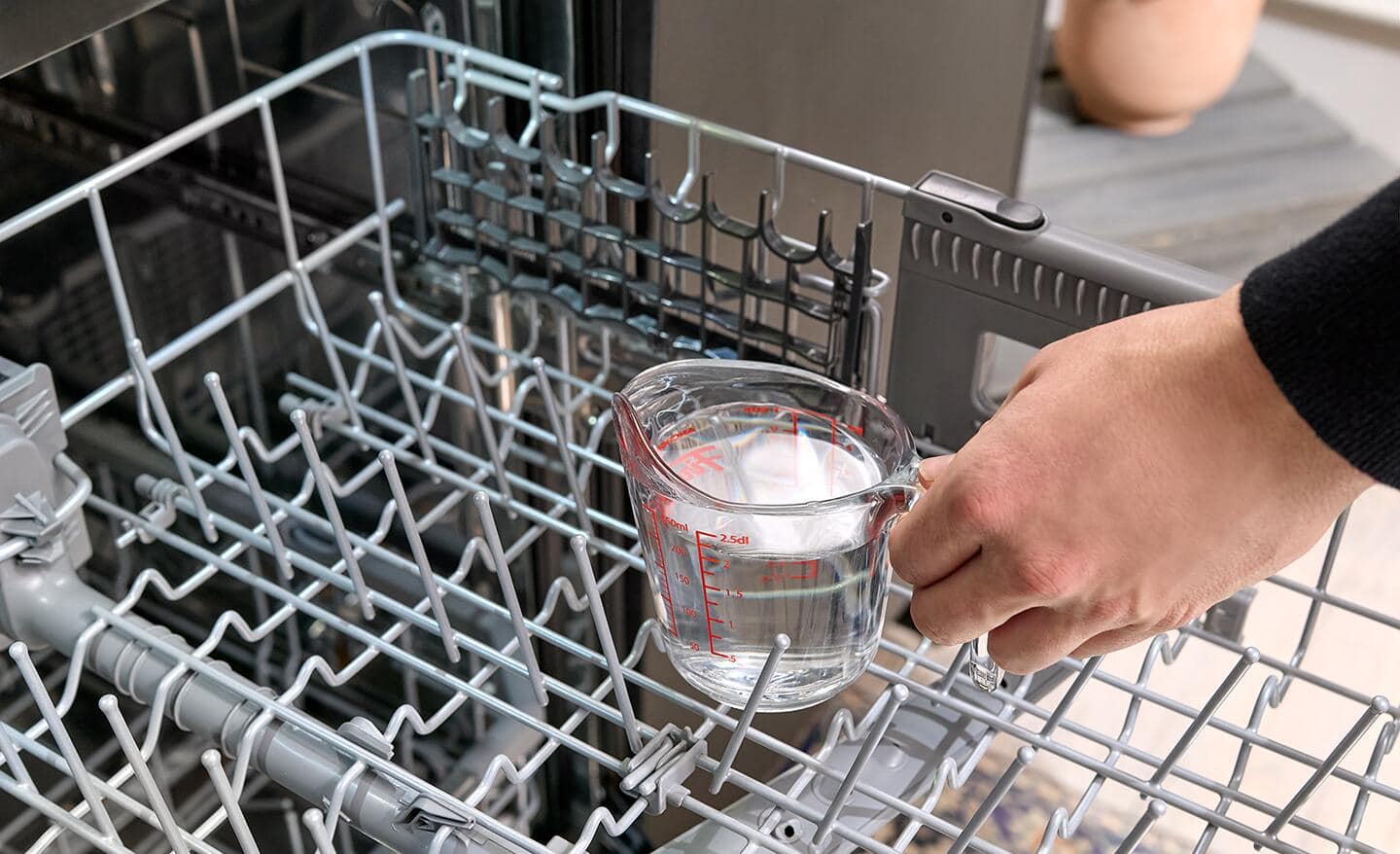
Credit: www.homedepot.com
Preparing The Dishwasher
Cleaning your dishwasher starts with the right preparation. This first step ensures a thorough and efficient cleaning process. Proper preparation can prevent future problems and maintain your appliance’s performance. Let’s dive into how you can prepare your dishwasher for cleaning.
Emptying The Dishwasher
Begin by removing all dishes and utensils. Take out any racks or trays that can be detached. This allows you to reach hidden areas. An empty dishwasher makes cleaning easier and more effective. Ensure no items are left inside before proceeding to the next step.
Inspecting For Debris
Check the bottom of the dishwasher for any leftover food particles. These can cause bad odors and affect the cleaning cycle. Look closely at the drain and filter areas. Remove any visible debris with a damp cloth or a soft brush. This step helps prevent clogs and ensures smooth operation.
Cleaning The Filter
Cleaning the filter is crucial for maintaining dishwasher efficiency. Remove the filter, rinse it under water to clear debris. Regularly check for blockages to ensure clean dishes every time.
Cleaning the filter in your dishwasher is crucial for maintaining its efficiency and ensuring your dishes come out sparkling clean. If you’ve ever wondered why your dishwasher isn’t performing as well as it used to, the filter might be the culprit. A clogged filter can hinder water flow, preventing your machine from cleaning effectively. By regularly cleaning the filter, you can improve your dishwasher’s performance and prolong its lifespan. Let’s dive into the steps involved in cleaning the filter.Removing The Filter
To start, locate the filter. It’s typically at the bottom of your dishwasher, under the spray arm. The first time I tackled this task, I was surprised at how easy it was. Simply twist or unlock the filter by turning it counterclockwise. If you haven’t done this before, it’s worth checking your dishwasher’s manual for specific instructions. Have a bowl or small tray handy to catch any debris or water that might spill out. This preparation can save you from a messy cleanup later. Once removed, examine the filter. You might be shocked to find bits of food, dirt, and even small pieces of glass.Washing The Filter
Now, it’s time to wash the filter. Use warm, soapy water and a soft brush or old toothbrush to scrub away the gunk. This part can be oddly satisfying, as you watch the grime disappear and the filter return to its original state. Pay special attention to the mesh and grooves, where stubborn particles tend to hide. Rinse thoroughly under running water. You want to ensure no soap residue remains, as this can affect your dishwasher’s next cycle. Before placing the filter back, inspect it for any signs of damage or wear and tear. A damaged filter may need replacing to maintain optimal performance. Do you remember the last time you cleaned your dishwasher’s filter? Regular maintenance can prevent future problems and keep your appliance running smoothly. By taking these steps, you’re not just cleaning the filter—you’re ensuring your dishwasher’s long-term efficiency.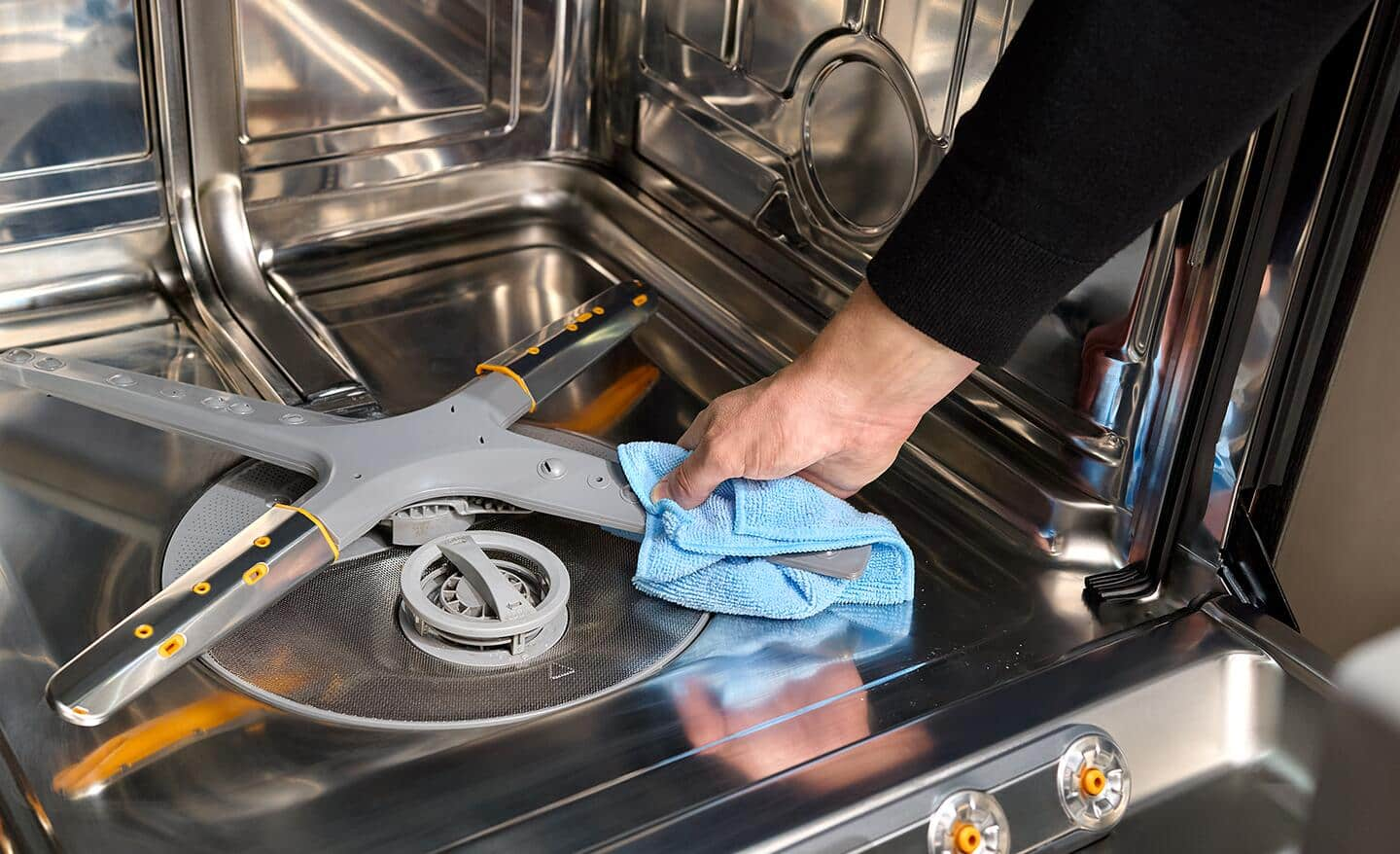
Credit: www.homedepot.com
Scrubbing The Interior Walls
Scrubbing the interior walls of a dishwasher removes stubborn stains and grime. Use a soft brush or sponge with mild detergent. Rinse thoroughly to ensure all residue is gone, leaving your dishwasher sparkling clean and fresh.
Scrubbing the interior walls of your dishwasher is essential. It helps maintain efficiency and cleanliness. Grime and residue can affect performance. Regular cleaning is necessary. Follow these steps to ensure your dishwasher shines.Choosing The Right Cleaner
Select a cleaner safe for your dishwasher. Ensure it’s non-abrasive. Most household cleaners work. Vinegar is a natural option. It breaks down residue effectively. Baking soda can also be used. It neutralizes odors. Always read labels. Avoid harsh chemicals that can damage.Scrubbing Techniques
Start with a damp cloth. Wipe the interior walls gently. For stubborn stains, use a soft brush. Scrub in circular motions. Pay attention to corners. They often collect grime. For hard-to-reach spots, use an old toothbrush. It helps remove buildup effectively. Rinse with warm water. Let it air dry.Cleaning The Spray Arms
Spray arms in dishwashers can get clogged with food particles and debris. Remove them carefully and rinse under running water. Use a brush to clear any blocked holes, ensuring efficient water flow during cycles.
Cleaning the spray arms of your dishwasher is a crucial step in ensuring the machine runs efficiently. You might not think about it often, but these arms are essential for distributing water throughout the dishwasher. Neglecting them can lead to poor cleaning results and potential damage. Have you ever noticed dishes coming out still dirty? It might be time to give those spray arms a good cleaning. Let’s dive into how you can do this effectively.Detaching The Spray Arms
To clean the spray arms properly, you’ll first need to detach them. This might sound daunting, but it’s simpler than you think. Most spray arms can be removed by unscrewing or unlocking them from their position. Check your dishwasher manual for specifics, or simply look for a twistable mechanism at the base. Remember, you’re not dismantling a rocket ship—just your dishwasher. You’ll be amazed how much easier cleaning becomes once these parts are detached.Removing Blockages
Once detached, it’s time to look for blockages. Tiny bits of food and hard water deposits can clog the holes in the spray arms. This can severely reduce their effectiveness. Use a toothpick or a small brush to clear out the debris. You might be surprised at what you find—everything from pasta remnants to mineral build-up. This step is crucial for ensuring water flows freely through your dishwasher. After cleaning, rinse the arms thoroughly under warm water. Test the water flow by holding the arms under a faucet. Does the water stream out evenly? If so, you’ve done a good job. If not, give it another go until those blockages are history. Cleaning spray arms regularly can make a huge difference in how well your dishwasher performs. Have you noticed the change yet? With clear spray arms, your dishes will come out sparkling.Dealing With Hard Water Deposits
Hard water deposits can clog your dishwasher, affecting its performance. Regular cleaning with vinegar and baking soda helps remove residue. A soft brush can scrub away stubborn spots, ensuring a clean and efficient appliance.
Dealing with hard water deposits in your dishwasher can be a bit of a hassle, but it’s essential for maintaining your appliance’s performance. Hard water contains minerals like calcium and magnesium, which can leave unsightly and stubborn deposits. These deposits not only affect your dishwasher’s efficiency but can also cause your dishes to come out cloudy or spotty. You might even notice a chalky residue on the interior surfaces. But don’t worry—there are simple ways to tackle this problem and keep your dishwasher running smoothly.Using Vinegar
One of the easiest and most effective ways to deal with hard water deposits is by using vinegar. It’s a natural and affordable solution that many people already have in their kitchens. Start by emptying your dishwasher and removing the bottom rack. Place a cup filled with white vinegar on the top rack, then run a hot water cycle. This will allow the vinegar to break down the mineral build-up. Have you tried this method before? It’s surprising how something so simple can make such a difference. Your dishwasher will not only look cleaner, but you’ll also notice an improvement in how your dishes come out.Preventing Future Build-up
To prevent future build-up, consider using a water softener if your area has particularly hard water. This can help reduce the amount of minerals entering your dishwasher in the first place. Another tip is to regularly clean your dishwasher. Make it a habit to run a vinegar cycle once a month. This regular maintenance can save you from more intensive cleaning sessions later on. Do you have a routine for maintaining your appliances? Consistency can go a long way in extending their lifespan and efficiency. By taking these simple steps, you ensure that hard water deposits don’t become a persistent issue. Finally, always check your dishwasher’s filters and spray arms for any blockages caused by mineral deposits. Keep them clean to maintain optimal water flow and cleaning power. If you stay proactive, your dishwasher will thank you with sparkling clean dishes and a longer service life.Freshening With Baking Soda
To clean a dishwasher inside, sprinkle baking soda on the bottom. Run a hot water cycle. Baking soda removes odors and stains, leaving your dishwasher fresh and clean.
Keeping your dishwasher clean is crucial for maintaining its performance and longevity. An excellent method to freshen it up is by using baking soda. This common household item is not only affordable but also highly effective at tackling odors and stains. Imagine opening your dishwasher and being greeted by a fresh, clean scent. Baking soda can make that happen. Let’s dive into how you can use this wonder powder to give your dishwasher a much-needed refresh.Applying Baking Soda
Start with a clean, dry dishwasher. Remove any leftover food debris or grime from the filter and the bottom of the machine. Once that’s done, sprinkle one cup of baking soda evenly across the bottom of the dishwasher. Make sure it’s spread out well; this allows it to target all those lingering odors. Consider this a gentle scrub for your dishwasher. Have you ever noticed that stubborn residue that just won’t budge? Baking soda can help with that too. Its abrasive nature helps loosen grime without scratching surfaces. You’ll be surprised how something so simple can make such a difference.Running A Short Cycle
After applying baking soda, close the dishwasher door and select a short cycle. Using hot water enhances the cleaning power of baking soda, ensuring that stubborn residues are washed away. Do not add any dishes or detergent during this cycle; let the baking soda work its magic. Have you ever wondered why a short cycle is recommended? It’s because it’s sufficient for the baking soda to dissolve and spread throughout the interior. This not only cleans but also deodorizes, leaving your dishwasher smelling fresh. Once the cycle is complete, open the door and take a whiff. You should notice a significant reduction in any unpleasant odors. Regularly using baking soda in this way can keep your dishwasher smelling and looking like new. Why wait for odors to build up when a simple solution is at your fingertips? A small effort can lead to a big improvement in your kitchen routine.Maintaining A Clean Dishwasher
A clean dishwasher is the backbone of a spotless kitchen. Yet, how often do we think about maintaining the inside of this vital appliance? With food residues, soap scum, and hard water deposits building up over time, it’s essential to keep your dishwasher in tip-top condition. A little effort goes a long way in ensuring it runs efficiently, leaving your dishes sparkling every time. Let’s dive into how you can maintain a clean dishwasher effortlessly!
Regular Cleaning Routine
Consistency is key. Create a regular cleaning schedule that suits your lifestyle. Aim for once a month to thoroughly clean your dishwasher.
Start by inspecting the bottom of the dishwasher for any food debris. Remove it to prevent clogs.
Run a cycle with vinegar or a dishwasher cleaner. This helps to dissolve soap scum and mineral deposits.
Don’t forget to clean the filter. Rinse it under hot water to remove trapped particles.
Tips For Prolonged Cleanliness
Simple habits can prolong the cleanliness of your dishwasher. Scrape off food from dishes before loading them.
Check the spray arms regularly. Ensure they aren’t blocked by residue. This keeps water flowing freely.
Consider using a rinse aid. It helps prevent water spots and keeps the interior shiny.
Leave the door slightly ajar after cycles. This allows for proper air circulation, reducing mold and odor.
Have you ever noticed a funky smell coming from your dishwasher? What steps did you take to solve it? Share your experiences in the comments and let’s learn from each other. Your dishwasher deserves to be treated like the unsung hero of your kitchen!

Credit: www.youtube.com
Frequently Asked Questions
How Do I Deep Clean The Inside Of My Dishwasher?
Remove racks and clean them with warm, soapy water. Wipe the interior with vinegar and baking soda. Clean the filter and spray arms with a toothbrush. Run a hot water cycle with a dishwasher-safe cup of vinegar on the top rack.
Finish with another cycle using baking soda.
What Is The Best Way To Clean And Deodorize A Dishwasher?
Clean a dishwasher by removing debris and scrubbing with vinegar and baking soda. Deodorize using lemon juice. Run a hot cycle.
Is Vinegar Or Baking Soda Better For Cleaning The Dishwasher?
Baking soda is better for cleaning the dishwasher. It effectively removes odors and residue. Vinegar can damage rubber seals over time. Use baking soda for a safe and efficient clean. Sprinkle a cup in the dishwasher and run a hot water cycle for best results.
How Do I Get Rid Of Buildup In My Dishwasher?
Clean the dishwasher filter and spray arms regularly. Use vinegar and baking soda for a deep clean. Run an empty cycle with a dishwasher cleaner monthly. Ensure dishes are rinsed before loading to prevent buildup. Regular maintenance keeps your dishwasher efficient and free from residue.
Conclusion
Your dishwasher deserves regular care for peak performance. A clean machine works better and lasts longer. Follow simple steps to keep it spotless. Remove debris, scrub the interior, and run a cleaning cycle. Use vinegar or baking soda for effective results.
Regular cleaning prevents odors and maintains efficiency. Enjoy sparkling dishes every time. Make cleaning a monthly habit for best outcomes. Your efforts ensure a fresh and reliable dishwasher. Keep it clean, and it will serve you well. Happy cleaning!
