
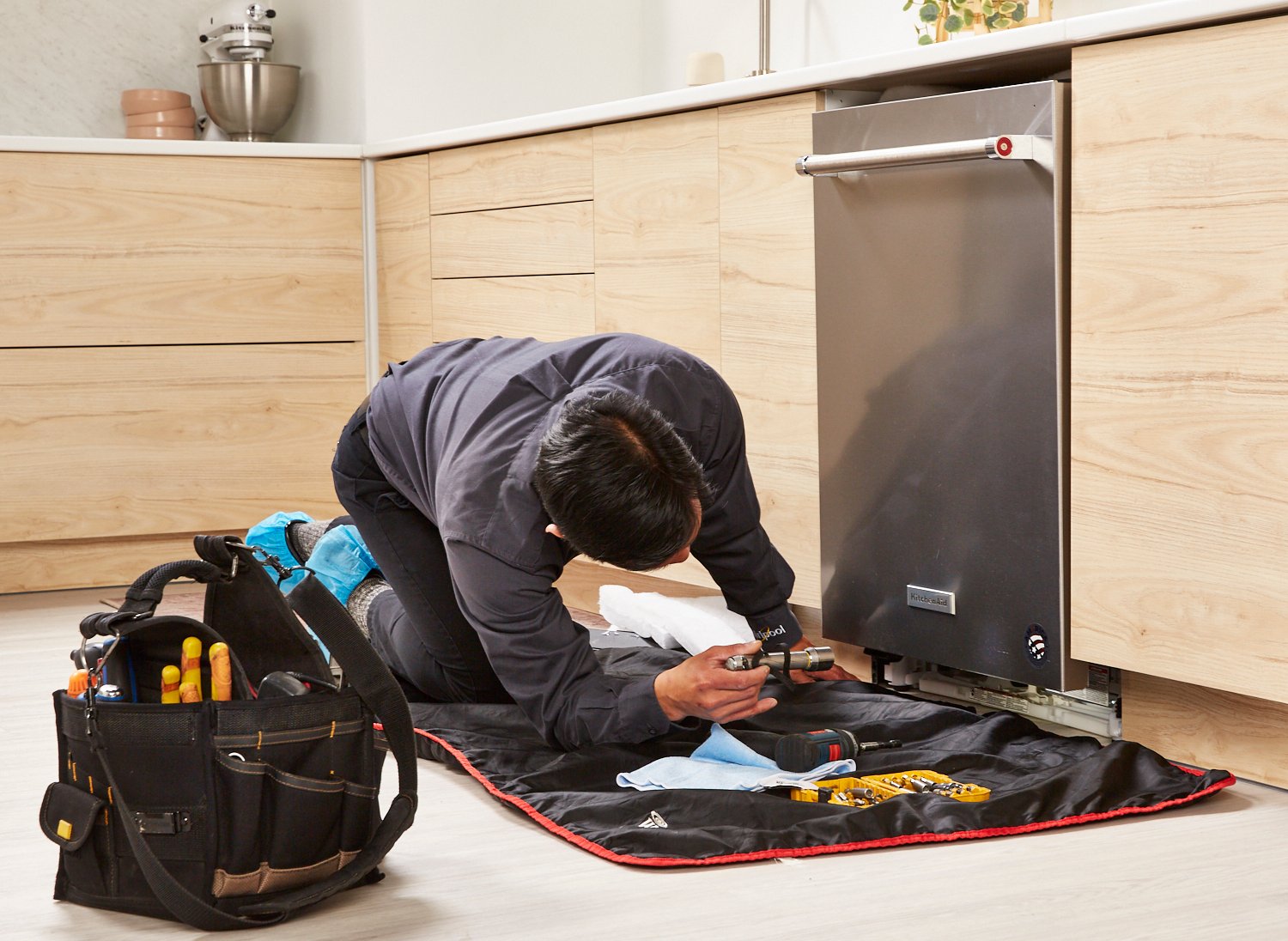
Have you ever found yourself staring at your kitchen, wondering how to remove that old dishwasher that’s been causing more headaches than convenience? You’re not alone.
Whether it’s because you’re upgrading to a newer model or tackling a full kitchen renovation, removing a dishwasher might seem daunting at first. But don’t worry—it’s simpler than you think. In fact, with just a few steps, you can have it out in no time.
Imagine the satisfaction you’ll feel, knowing you’ve taken care of it yourself. Keep reading to discover the straightforward process that will help you reclaim your kitchen space with ease and confidence.
Preparation Steps
Removing a dishwasher requires careful preparation. Following proper steps ensures a smooth process. Begin by gathering necessary tools and ensuring safety precautions. These steps make the task manageable and safe.
Gathering Necessary Tools
Before starting, collect all needed tools. Basic tools include a screwdriver and wrench. You might also need a towel or bucket. These help manage any water spills. A flashlight is useful for dark areas. Having tools ready saves time and effort.
Ensuring Safety Precautions
Safety is crucial. First, disconnect the power supply. Unplug the dishwasher to prevent electric shock. Next, turn off the water supply. This prevents any leaks during removal. Wear gloves to protect your hands. Safety glasses shield your eyes from debris. Following these precautions ensures a safe removal process.
Credit: www.hgtv.com
Disconnecting The Dishwasher
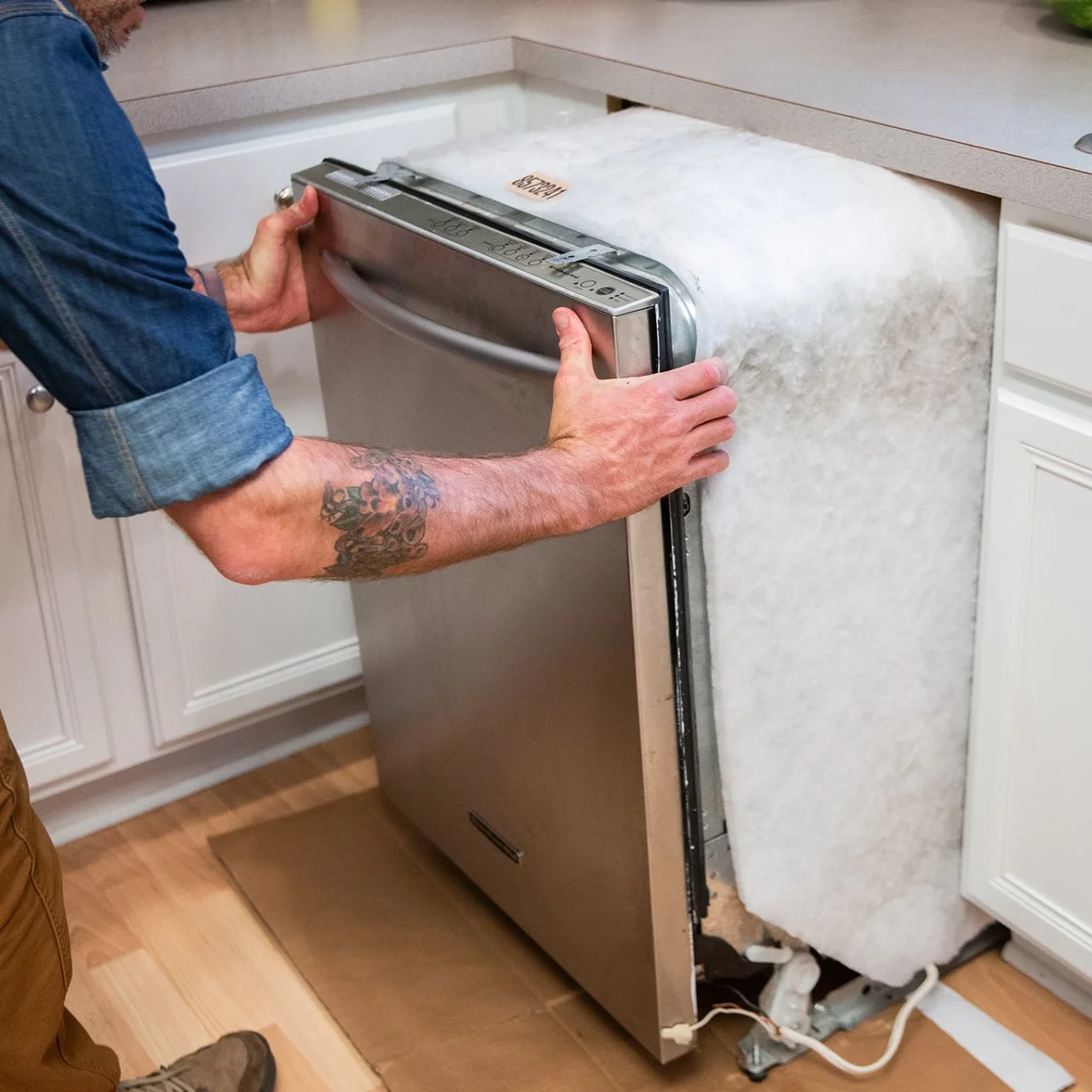
Careful preparation is key to safely removing a dishwasher. Begin by disconnecting the power and water supply. Next, loosen the mounting brackets and slide the appliance out gently.
Removing a dishwasher might seem daunting at first, but with the right steps, it’s a task you can handle. The key is to approach it methodically, ensuring you disconnect everything safely and correctly. Whether you’re upgrading to a newer model or simply need to fix a problem, getting your dishwasher out involves a few critical steps. Understanding these steps not only makes the job easier but also prevents potential mishaps. Let’s dive into the essential steps of disconnecting your dishwasher.Turning Off The Power
Safety first! Before you start fiddling with any appliance, cutting off the power is crucial. Locate your home’s electrical panel and switch off the circuit breaker dedicated to the dishwasher. If you’re unsure which one it is, it’s safer to turn off the main power temporarily. Double-check by attempting to turn on the dishwasher. If it doesn’t respond, you’ve successfully cut the power. This precaution prevents any accidental shocks, keeping you safe throughout the process.Shutting Off The Water Supply
Next, tackle the water supply. Find the water valve beneath your kitchen sink—it’s usually on the same side as the dishwasher. Turn the valve clockwise to shut off the water flow. If the valve is hard to turn, don’t force it. You might want to use a cloth for extra grip or, if necessary, call a professional. Ensuring the water is off prevents leaks and potential water damage when you disconnect the pipes. Now that you’ve cut both power and water, you’re well on your way to safely removing your dishwasher. Have you ever thought about the small steps that lead to big successes? Just like disconnecting a dishwasher, tackling tasks step by step can simplify even the most complex jobs.Removing The Dishwasher
Removing a dishwasher might sound intimidating, but with a little guidance, it can be a straightforward process. Whether you’re upgrading your kitchen or dealing with a malfunctioning appliance, knowing how to remove your dishwasher safely and efficiently is crucial. My first attempt at removing a dishwasher was a learning experience, but it taught me the importance of preparation and patience. So, grab your tools and let’s dive into the steps to make this task a breeze.
Detaching The Mounting Brackets
Start by locating the mounting brackets that secure the dishwasher to the countertop. These brackets are usually found at the top front corners of the dishwasher. You’ll need a screwdriver to remove the screws holding the brackets in place. Remember, these brackets are essential for keeping your dishwasher stable, so handle them with care.
Consider this: have you ever noticed your dishwasher wobbling? Chances are, the brackets might have been loose. Removing them carefully ensures that you won’t damage the countertop or the appliance itself. Once the screws are out, gently push the brackets aside, keeping them handy for reinstallation or disposal.
Sliding Out The Unit
With the brackets detached, it’s time to slide the dishwasher out. Before you start, make sure you’ve disconnected the water supply and unplugged the electrical cord. These steps are critical to prevent any water leakage or electrical hazards.
Now, grasp the sides of the dishwasher and gently pull it out. It might be helpful to have someone assist you, especially if the unit is heavy or awkwardly positioned. As you slide it out, pay attention to any hoses or wires that might still be connected. This is where my first removal attempt taught me a valuable lesson: always double-check connections before moving the appliance completely.
Reflect on this moment: as you pull the dishwasher from its nook, you’re not just moving an appliance; you’re opening up the space for improvement. Whether it’s a new model or a complete kitchen renovation, removing the dishwasher is the first step toward change. What possibilities lie ahead in your kitchen transformation?
:max_bytes(150000):strip_icc()/how-to-remove-a-dishwasher-2718671-01-7478b7c0b2d641b1bad6a4ba64ad1a77.jpg)
Credit: www.thespruce.com
Handling Plumbing Connections
Handling plumbing connections can seem daunting when removing a dishwasher, but with some patience and the right approach, you can tackle it confidently. Whether you’re upgrading to a new model or simply removing an old one, understanding how to disconnect and cap off the plumbing connections is crucial. Let’s dive into the details of disconnecting the drain hose and capping the water line.
Disconnecting The Drain Hose
Start by finding the drain hose under your sink. It typically runs from the dishwasher to the garbage disposal or directly to the sink drain. Carefully loosen the clamp holding the hose in place. A simple screwdriver usually does the trick.
Once the clamp is loose, gently pull the hose away from the connector. You might see some residual water, so keep a towel handy. Have you ever thought about how much water might be lurking in those connections? It’s often more than you’d expect!
Inspect the hose for any signs of wear or damage. If you plan to reinstall or replace your dishwasher, knowing the condition of your hose can save you future headaches. Is it time for a new hose?
Capping The Water Line
Turning off the water supply is your first step. Locate the valve under the sink or near the dishwasher and turn it clockwise. This prevents any unexpected water flow.
Once the water is off, use an adjustable wrench to disconnect the water line. Remember to place a bucket underneath to catch any drips. Have you ever wondered how much water you could save by ensuring these connections are tight and secure?
Finally, cap the water line to prevent leaks. You can find caps at most hardware stores. Make sure it’s snug, but don’t over-tighten. Do you feel confident in your ability to prevent future leaks now that you know how to cap a water line?
Handling plumbing connections doesn’t have to be a tedious task. With these steps, you’re well on your way to removing your dishwasher safely and efficiently. Your kitchen deserves the best care, and understanding these processes ensures just that. Ready to take on your next kitchen project?
Dealing With Electrical Connections
Removing a dishwasher involves disconnecting electrical connections safely. Start by turning off the power at the circuit breaker. Then, locate and disconnect the wires, ensuring no live electricity remains.
Removing a dishwasher can seem daunting, especially when you’re faced with the tangle of electrical connections. But don’t worry, dealing with these wires is manageable with the right approach. Understanding how to handle electrical connections safely is crucial for a smooth removal process. You don’t want any surprises like loose wires causing chaos in your kitchen!Unwiring The Electrical Box
First things first, ensure your dishwasher is unplugged or the power is turned off at the circuit breaker. Safety is your priority. Locate the electrical box, usually found at the bottom or back of the dishwasher. This box houses the wires that connect your appliance to the electrical supply. You might feel like you’re in a high-stakes game of operation, but it’s simpler than it seems. Use a screwdriver to open the box. You’ll typically find three wires: black (hot), white (neutral), and green (ground). Disconnect them carefully. It’s like untangling a necklace—patience pays off.Securing Loose Wires
Once the wires are disconnected, it’s important to secure them. You don’t want them flopping around like fish out of water. Use wire nuts or electrical tape to cover the exposed ends. This step ensures the wires remain safe and your kitchen stays hazard-free. Consider labeling the wires with tape or a marker. Trust me, it saves time later, especially when reconnecting a new dishwasher. This is a tip from my own experience, where labeling prevented a mix-up that could have led to a frustrating afternoon. Are you noticing how organized wiring can make the whole process smoother? Ensuring your wires are secure and labeled can transform a potential headache into a straightforward task. Remember, every small step you take towards organization is a step towards an effortless removal.
Credit: www.youtube.com
Cleaning And Maintenance Post-removal
Removing a dishwasher is only part of the job. Once it’s out, focus on cleaning and maintenance. This ensures the space is ready for a new appliance. Or, maybe, just a clean, open spot. Let’s dive into the details.
Inspecting The Space
After removing the dishwasher, look at the empty space. Check for any signs of water damage. Look for mold or mildew. These problems need fixing before installing a new appliance. Examine the floor and walls. Ensure they are dry and sturdy. If you find damage, address it promptly.
Cleaning The Surrounding Area
With the dishwasher out, clean the surrounding area. Dust and grime often collect in hidden spots. Use a vacuum to remove loose debris. Wipe down the walls and floor with a damp cloth. Pay attention to corners and crevices. A clean space prevents issues later.
Don’t forget the plumbing connections. Check for leaks or corrosion. Clean them gently with a suitable cleaner. This keeps them in good condition for future use. Proper cleaning and maintenance keep your kitchen in top shape.
Professional Help
Removing a dishwasher isn’t always a simple task. Sometimes, professional help is the best choice. Experts can ensure safety and prevent damage to your kitchen. They have the tools and experience to handle tricky situations. Consider their services for a stress-free process.
When To Consult An Expert
Consult a professional if your dishwasher is hardwired. Electricians are needed in these cases. Also, when plumbing connections look complex, seek a plumber’s help. If the unit is heavy or the space is tight, experts can manage it safely. Unusual noises or leaks during removal also need professional attention.
Finding Reliable Technicians
Start by asking friends for recommendations. Trusted word-of-mouth can lead to skilled technicians. Check online reviews to learn about customer experiences. Verify the technician’s credentials and insurance. This ensures you’re hiring qualified professionals. Make sure to get multiple quotes. Compare them to find the best service for your budget.
Frequently Asked Questions
Can I Remove A Dishwasher Myself?
Yes, you can remove a dishwasher yourself. Turn off power and water supply first. Disconnect hoses and cables. Carefully slide out the dishwasher. Seek professional help if unsure.
Do You Need A Plumber To Remove A Dishwasher?
You don’t always need a plumber to remove a dishwasher. Disconnect power and water supply first. Follow the manufacturer’s instructions carefully. If unsure, hiring a professional is advisable for safety and proper removal.
What To Do Before Removing A Dishwasher?
Turn off the power and water supply. Disconnect the water line and drain hose. Remove the mounting brackets. Slide the dishwasher out carefully.
Do I Need To Shut Off Water To Remove The Dishwasher?
Yes, shut off the water supply before removing the dishwasher. This prevents leaks and ensures safety during removal. Make sure to disconnect any hoses or pipes connected to the appliance. Always check for any remaining water in the system to avoid spills or damage.
Conclusion
Removing a dishwasher is simpler than it seems. Follow these steps carefully. Disconnect power to stay safe. Turn off water supply. Loosen screws and remove the front panel. Gently slide the dishwasher out. Watch for hoses and wires. Check for leaks after removal.
Ensure all connections are secure. Clean the area after removal. Keep the space organized. Always handle tools with care. Remember, patience is key. Take your time with each step. Share your experience with others. Helping each other makes tasks easier.
Now, you can confidently remove a dishwasher.
