
Are you tired of scrubbing away at your cast iron skillet, only to find it still isn’t quite clean? You’re not alone.
Many home cooks struggle with maintaining their cast iron cookware, fearing they’ll damage its surface or strip away its seasoning. The truth is, cleaning your cast iron skillet doesn’t have to be a daunting task. In fact, with the right approach, it can be quick and easy, leaving your skillet in perfect condition for your next culinary adventure.
Imagine the satisfaction of effortlessly gliding your spatula across a well-seasoned, pristine pan. Intrigued? Keep reading to discover the best way to clean your cast iron skillet after cooking, ensuring it remains your kitchen’s most reliable tool.
Credit: www.thekitchn.com
Essential Tools
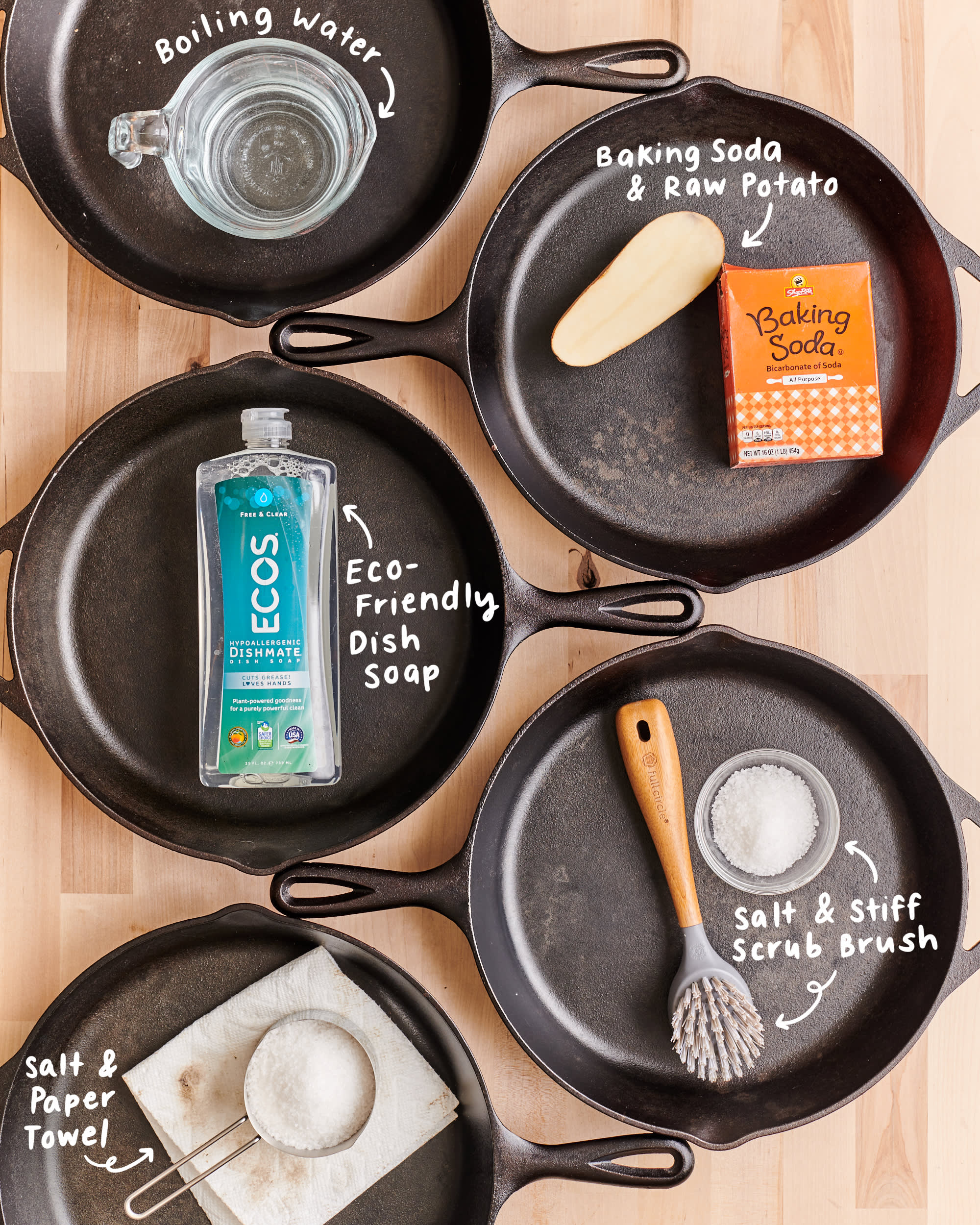
Cleaning a cast iron skillet is simple with the right tools. Use a soft brush, warm water, and mild soap to gently scrub the surface. Dry it thoroughly to prevent rust.
Cleaning a cast iron skillet after cooking can feel like a daunting task, but with the right tools, it’s quite manageable. The key is to strike a balance between removing food residue and maintaining the skillet’s seasoning. You don’t need fancy gadgets; just a few essential tools will do the trick.
1. Sturdy Scrubber
A sturdy scrubber is a must-have for cleaning your cast iron skillet. Look for a brush with stiff bristles or a chainmail scrubber that can tackle stuck-on food without damaging the seasoning. I once used a regular sponge, and it just couldn’t handle the job. With the right scrubber, you can easily remove food bits while keeping the skillet’s surface intact.
2. Plastic Scraper
A plastic scraper is another essential tool that can help you gently remove stubborn food particles. Unlike metal utensils, a plastic scraper won’t scratch your skillet. If you’ve ever found yourself scraping away with a metal spoon and wincing at the sound, you’ll appreciate the peace of mind a plastic scraper provides.
3. Soft Cloth Or Paper Towels
Once the skillet is scrubbed clean, a soft cloth or paper towels are perfect for drying it thoroughly. Moisture is the enemy of cast iron, leading to rust if left unchecked. After cleaning, make sure to wipe every corner dry. You’ll be surprised how many times a quick swipe with a towel saves you from rust woes.
4. Cooking Oil
After drying, a light coating of cooking oil is essential to maintain the skillet’s seasoning. Use a clean cloth to rub a small amount of oil over the entire surface. This step keeps the skillet from rusting and ensures that it remains non-stick. Trust me, a little oil goes a long way in preserving your skillet for future culinary adventures.
5. Heat Source
Finally, a heat source is necessary to dry the skillet completely and help the oil bond with the surface. Place the skillet on a low heat for a few minutes. This step might seem trivial, but it’s crucial for preventing rust. It’s a small habit that pays off in the long run. By using these essential tools, you make cleaning your cast iron skillet a breeze. Do you have any other tools that you swear by for your cast iron care? Let us know in the comments!

Credit: m.youtube.com
Immediate Post-cooking Steps
Gently clean your cast iron skillet with warm water and a soft brush. Dry it completely with a towel. Apply a thin layer of oil for protection.
Cleaning a cast iron skillet immediately after cooking can be a straightforward task if you know the right steps. It’s essential to act quickly before food residue becomes stubborn and hard to remove. The immediate post-cooking steps are critical to maintaining the skillet’s quality and extending its lifespan.
Remove Food Residue Promptly
Once you’ve finished cooking, don’t let the skillet sit around. Use a spatula or a wooden spoon to scrape off any food bits or crumbs. This prevents them from sticking and making cleanup more challenging. You might be surprised how much easier this makes the process.
Rinse With Warm Water
Warm water is your best friend here. Rinse the skillet under warm water to help loosen any remaining food particles. Avoid using soap at this stage as it can strip the seasoning from the pan. Have you ever noticed how soap tends to dull your skillet’s shine?
Gently Scrub With A Brush
A gentle scrub can do wonders. Use a soft-bristled brush or a dedicated cast iron scrubber to clean the surface. This step ensures no stubborn residue is left behind. Isn’t it satisfying to see your skillet looking clean and ready for the next meal?
Dry Thoroughly
Drying is crucial. Use a clean towel to wipe the skillet until it’s completely dry. Any leftover moisture can lead to rust. Did you know that even a small amount of water can affect your skillet’s longevity?
Apply A Light Coat Of Oil
Finish with a light coat of oil. Use a paper towel to spread a thin layer of cooking oil over the skillet’s surface. This helps maintain the seasoning and keeps the skillet in top shape. What type of oil do you prefer for your skillet? These immediate post-cooking steps not only make cleaning easier but also keep your cast iron skillet in pristine condition. Are you ready to transform your cleanup routine?
Removing Stubborn Residue
Cleaning a cast iron skillet can seem challenging. Stubborn residue often clings to the surface. This makes it difficult to clean. Understanding the right techniques can help. It ensures your skillet remains in good condition.
Removing stubborn residue is crucial. It helps maintain the skillet’s integrity. Two effective methods are using coarse salt and employing a scraper. These techniques are simple. They require minimal tools and effort.
Using Coarse Salt
Coarse salt is a natural abrasive. It gently scrubs away residue. Sprinkle a generous amount into the skillet. Use a cloth or paper towel to rub it in. Move in circular motions. This helps lift the residue effectively.
The salt absorbs leftover oils. It doesn’t harm the skillet’s surface. Once clean, rinse with warm water. Dry thoroughly to prevent rust.
Employing A Scraper
A scraper is a handy tool. It’s perfect for tough spots. Use a plastic or wooden scraper. Metal can damage the skillet. Gently scrape the stubborn residue. Work slowly to avoid scratching.
A scraper can reach tight corners. It removes bits that salt might miss. After scraping, rinse the skillet. Dry it well to maintain its quality.
Proper Washing Technique
Cleaning a cast iron skillet can seem tricky. But with the right technique, it’s simple. Proper washing preserves the skillet’s seasoning. It also extends its lifespan. Using the right methods ensures your skillet stays in top shape.
Mild Soap Usage
Many people believe soap ruins cast iron skillets. This is a myth. Mild soap is safe for cleaning. It removes food residue effectively. Use a small amount of soap. Rinse thoroughly with warm water. This prevents soap from affecting the seasoning.
Avoiding Dishwashers
Dishwashers are convenient for many kitchen items. But not for cast iron skillets. The intense heat and water pressure can damage them. It strips away the seasoning layer. Always wash cast iron by hand. This keeps the skillet in its best condition.
Drying The Skillet
Gently clean your cast iron skillet using hot water and a soft brush. Avoid soap to preserve the seasoning. Thoroughly dry it over low heat to prevent rust. A light coat of oil adds a protective layer, ensuring longevity.
Drying your cast iron skillet properly is crucial to maintain its quality and extend its life. After cooking a delightful meal, your skillet deserves the best care. The drying process ensures no moisture lingers, preventing rust and keeping your skillet in top-notch condition. Are you confident in your drying technique? Let’s explore two effective methods that can help you master this essential step.
Towel Drying
One simple way to dry your cast iron skillet is by using a towel. Grab a clean, lint-free towel and wipe the skillet thoroughly. Make sure you get into all the nooks and crannies. A friend once taught me the trick of using two towels—one for the inside and another for the outside—to ensure every inch is dry. This hands-on approach lets you feel the skillet’s surface, ensuring it’s moisture-free.
Heat Drying
If you’re looking for a more thorough method, consider heat drying. After rinsing your skillet, place it on the stove over low heat. Let it sit for a few minutes until you see the last traces of moisture evaporating. This method is not only effective but also helps in preparing the skillet for the next step, seasoning. A warm skillet is ready to absorb oil, enhancing its non-stick properties. Which method do you prefer? Each has its charm, but the goal remains the same—keeping your skillet dry and rust-free. Your choice might depend on time or habit, but ensure you give it the attention it deserves.
Credit: abeautifulmess.com
Seasoning The Skillet
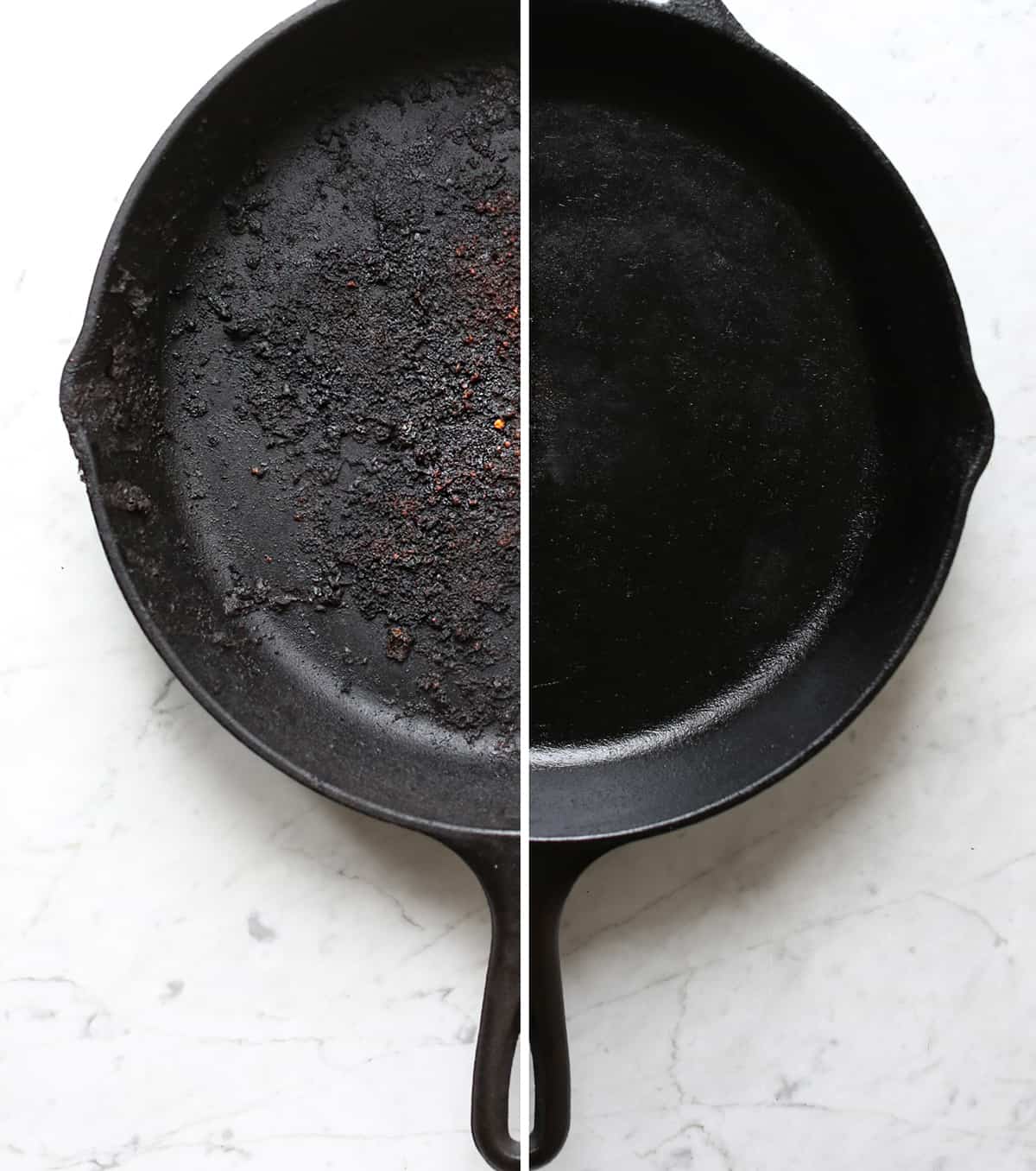
Cleaning a cast iron skillet involves using warm water and a soft brush. Dry it immediately to prevent rust. Apply a thin layer of oil before storage to maintain its seasoning.
Seasoning your cast iron skillet is a crucial step in maintaining its non-stick surface and ensuring it serves you well for years to come. It’s like giving your skillet a protective armor that wards off rust and enhances its cooking performance. But how exactly do you go about seasoning it correctly? Let’s dive into the details.
Choosing The Right Oil
The type of oil you use can make a significant difference in the seasoning process. You want an oil with a high smoke point, which means it can withstand high temperatures without burning. Flaxseed oil, canola oil, and vegetable oil are popular choices among cast iron enthusiasts. When I first started seasoning my skillet, I used olive oil. It was a mistake because it left a sticky residue. Instead, opt for oils like canola or flaxseed that create a smooth, durable finish. What oil do you have in your pantry that could work?
Baking The Skillet
After applying a thin layer of oil, it’s time to bake the skillet. Preheat your oven to around 450°F (232°C). Place the skillet upside down on the middle rack to prevent oil from pooling. I remember the first time I seasoned my skillet, the kitchen filled with a slightly smoky aroma. It’s a sign that the oil is bonding with the metal. Leave it in the oven for about an hour, then let it cool naturally in the oven.
If you’re worried about oil dripping, place a sheet of aluminum foil on the bottom rack. This keeps your oven clean. Have you tried baking your skillet this way before? Seasoning your skillet is a straightforward process, yet it requires attention to detail. Choosing the right oil and baking it properly can transform your cast iron into a cooking powerhouse. Whether you’re frying eggs or searing steak, a well-seasoned skillet is your best ally. What’s your next meal going to be with your newly seasoned skillet?
Common Mistakes To Avoid
Avoid using soap when cleaning a cast iron skillet. Dry thoroughly to prevent rust. Skip soaking; it damages the seasoning.
Cleaning a cast iron skillet can feel like a daunting task, especially if you’re new to the game. But fear not! Avoiding common mistakes can make the process much easier and keep your skillet in top shape. You might be surprised to learn that some cleaning habits you thought were helpful could actually harm your trusty pan.
Using Soap
It’s tempting to reach for the soap when your skillet looks greasy. However, soap can strip away the natural seasoning that makes cast iron pans non-stick. Instead, use hot water and a scrub brush to clean the surface. Your skillet will thank you for preserving its seasoning.
Letting It Soak
Leaving your skillet to soak might seem like an easy way to loosen stubborn food bits. Unfortunately, this can lead to rust. Cast iron is porous, and sitting water can seep in. Instead, try scrubbing with a little salt to tackle tough spots without soaking.
Using A Metal Scrubber
Metal scrubbers might seem like the perfect tool for cleaning, but they can scratch your skillet’s surface. Opt for a gentler approach with a soft brush or nylon scrubber. This keeps the surface smooth and your seasoning intact.
Not Drying Properly
After washing, simply air drying your skillet can lead to rust. Make sure you dry it thoroughly with a towel. For extra protection, place it on the stove over low heat to evaporate any lingering moisture.
Skipping The Oil
Once your skillet is clean and dry, neglecting to add a thin layer of oil is a missed opportunity. This step helps maintain the seasoning and prevents rust. Use a paper towel to apply a small amount of oil evenly across the surface. Have you ever been guilty of one of these mistakes? Don’t worry, you’re not alone. Learning from these common pitfalls can make a huge difference in the longevity and performance of your cast iron skillet. Remember, a little care goes a long way in keeping your skillet the star of your kitchen.
Maintaining Your Skillet
Maintaining your cast iron skillet is essential for keeping it in top-notch condition and ensuring it lasts for generations. It’s not just about cleaning; it’s about nurturing the skillet’s surface and enhancing its natural non-stick properties. A well-maintained skillet can be your secret weapon in the kitchen, offering unparalleled cooking experiences. But how do you maintain it effectively?
Regular Cleaning
Cleaning your cast iron skillet doesn’t have to be a chore. Make it a habit after every use. Start by allowing your skillet to cool down slightly. Then, use warm water and a gentle brush to scrub away any food particles. Avoid soaking the skillet in water, as this can lead to rust.
Once clean, dry it thoroughly with a towel. Moisture is a cast iron’s worst enemy. You might have heard horror stories about rust taking over a beloved skillet, but a quick towel dry followed by a brief heat session on the stove can prevent this.
Have you ever tried cleaning with salt? Sprinkle some coarse salt on the skillet and use it with a paper towel to scrub off stubborn bits. It’s a natural abrasive and won’t damage the surface. Isn’t it fascinating how something as simple as salt can be so effective?
Periodic Re-seasoning
Re-seasoning your skillet is key to maintaining its non-stick surface. It involves applying a thin layer of oil and heating the skillet to bind the oil to the metal. This process helps to fill in the microscopic pores on the skillet’s surface, creating a smooth and protective layer.
Wondering how often you should re-season? It depends on your usage. If your skillet starts losing its sheen or food begins sticking more than usual, it’s time for a re-season. It’s a simple process that can restore its glory in no time.
Use oils with high smoke points like vegetable or flaxseed oil. After applying the oil, place the skillet upside down in the oven at 375°F for about an hour. Let it cool inside the oven. This step ensures even coating and prevents pooling.
Have you ever felt the satisfaction of cooking on a perfectly seasoned skillet? It’s like cooking on a cloud. Your skillet can achieve this with regular care and attention.
Maintaining your cast iron skillet might seem demanding at first, but with a routine, it becomes second nature. Are you ready to take your skillet care to the next level?
Frequently Asked Questions
How Do I Clean A Cast Iron Skillet After Cooking?
Clean a cast iron skillet by scrubbing with a brush after rinsing with warm water. Dry thoroughly to prevent rust. Apply a light coat of vegetable oil for seasoning. Avoid soap and steel wool to maintain the skillet’s seasoning. Store in a dry place to keep it rust-free.
What Should You Not Clean A Cast Iron Skillet With?
Avoid cleaning a cast iron skillet with soap, harsh detergents, or steel wool. These can strip its seasoning. Use a soft brush or sponge with water instead.
Is Dawn Dish Soap Safe On Cast Iron?
Dawn dish soap is safe for cast iron cleaning. Use mild soap sparingly and avoid harsh scrubbing. Ensure thorough drying after washing to prevent rust. Season the cast iron with oil after cleaning to maintain its non-stick surface and protect it from damage.
Proper care extends the lifespan of your cast iron cookware.
How Do You Get Burnt Residue Off A Cast Iron Skillet?
Scrub the skillet with coarse salt and a stiff brush. Rinse with warm water. Dry thoroughly. Apply a thin layer of vegetable oil to restore the seasoning. Heat on the stove for a few minutes to seal the seasoning.
Conclusion
A clean cast iron skillet lasts longer. Keeping it clean protects your food. Wash it gently after each use. Dry it thoroughly to prevent rust. Apply a thin layer of oil for protection. Store it in a dry place. Regular care keeps your skillet in top shape.
Enjoy cooking delicious meals without worry. Simple steps make a big difference. Happy cooking! Your skillet will thank you. Remember, a well-maintained cast iron is a kitchen treasure. Keep it clean. Keep it useful. Cooking with it should be fun.
Follow these steps for great results every time.
