
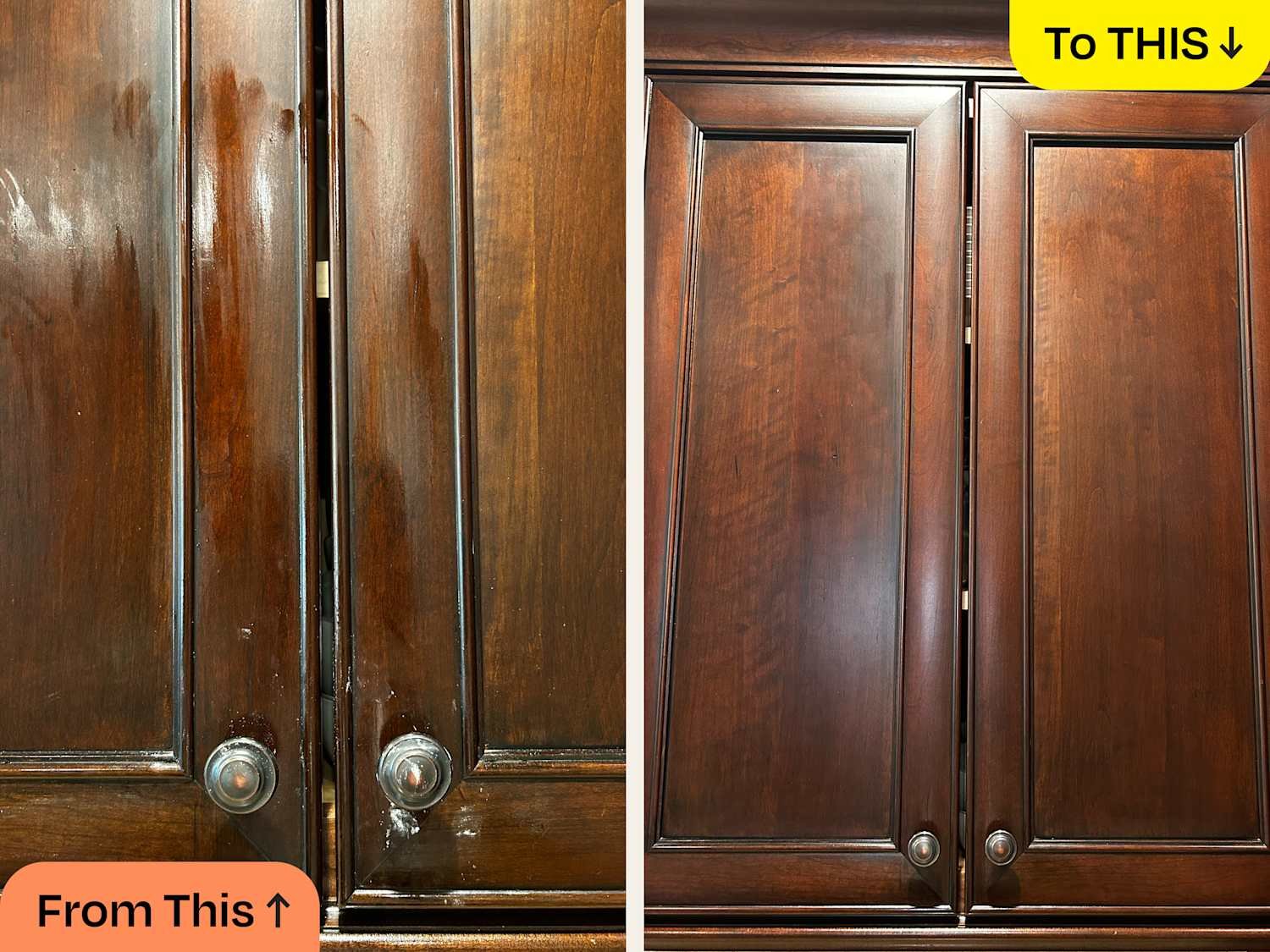
Are your kitchen cabinets feeling sticky or looking dull? Grease buildup can turn your beautiful kitchen into a grimy mess.
You might find yourself avoiding eye contact with those once gleaming surfaces. But don’t worry—you’re not alone, and there’s a solution! Discovering how to clean grease off your kitchen cabinets is easier than you think. Picture a spotless, inviting kitchen that you can’t wait to show off.
With just a little time and the right techniques, you can transform your cabinets from grimy to gleaming. Let’s dive into how you can achieve that clean, fresh look your kitchen deserves.

Credit: www.facebook.com
Common Causes Of Grease Build-up
Cooking oils and food splatter often lead to grease build-up on kitchen cabinets. Over time, this accumulation attracts dust and dirt, making cleaning essential. Regular maintenance helps in minimizing stubborn stains and keeping cabinets looking fresh.
Grease build-up on kitchen cabinets can seem like a mystery, but it often has simple explanations. Understanding what causes these sticky layers can help you tackle them effectively. Imagine spending time in the kitchen, whipping up your favorite meals, only to find that those delicious dishes are leaving behind more than just full bellies. Grease from cooking, even if you’re a meticulous chef, tends to find its way onto your cabinets.Cooking Methods
Different cooking methods contribute to grease build-up in unique ways. Frying food releases tiny particles of grease into the air, which eventually settle on your cabinets. Even boiling and sautéing can contribute, as steam carries grease particles.Lack Of Ventilation
Proper ventilation is crucial in the kitchen, yet often overlooked. When you cook without adequate ventilation, grease particles have no escape route and end up on your cabinets. Consider the last time you used your range hood—was it on?Frequent Cooking
If you cook regularly, it’s natural for grease to accumulate more quickly. Each cooking session adds a new layer, making it more challenging to clean over time. It’s like a small reminder of every meal you’ve enjoyed!Neglecting Regular Cleaning
Regular cleaning might seem like a chore, but it’s the best way to prevent grease build-up. Skipping even a week can allow grease to harden, making future cleaning a more daunting task. Have you ever noticed how much easier it is to wipe a fresh spill than an old one?Use Of Oil-based Products
Oil-based cooking sprays and dressings are convenient but notorious for contributing to grease build-up. They create a fine mist that can settle on cabinets. Next time, think about the last time you reached for that spray bottle! Understanding these common causes empowers you to take proactive steps. What changes can you make in your daily routine to minimize grease build-up?Essential Cleaning Supplies
Cleaning kitchen cabinets can be a tough job. Grease buildup makes it challenging. Using the right cleaning supplies can make a difference. They help remove stubborn grease easily. Let’s explore essential supplies for this task.
Vinegar And Water Solution
Mix equal parts of vinegar and water. This creates a powerful cleaner. Vinegar cuts through grease effectively. It’s natural and safe for most surfaces.
Baking Soda Paste
Baking soda is a mild abrasive. Mix it with water to form a paste. This paste helps scrub off grease. It leaves surfaces clean and fresh.
Dish Soap And Warm Water
Use a few drops of dish soap in warm water. Dish soap breaks down grease. Warm water helps dissolve it faster. This solution is simple yet effective.
Microfiber Cloths
Microfiber cloths are ideal for cleaning. They trap dirt and grease. These cloths are gentle on surfaces. They don’t scratch or damage cabinets.
Soft-bristle Brush
A soft-bristle brush reaches tough spots. It helps scrub away grease. Brushes are great for corners and edges. They offer precision cleaning.
Spray Bottle
Use a spray bottle for easy application. Fill it with your cleaning solution. Spray evenly over surfaces. This ensures thorough coverage.
Rubber Gloves
Protect your hands with rubber gloves. They keep skin safe from cleaners. Gloves provide grip for scrubbing. They make cleaning more comfortable.
Old Toothbrush
An old toothbrush works wonders. It gets into tight spaces. Use it for detailed cleaning. It helps remove stubborn grease spots.
- Vinegar and water solution
- Baking soda paste
- Dish soap and warm water
- Microfiber cloths
- Soft-bristle brush
- Spray bottle
- Rubber gloves
- Old toothbrush
Preparing Your Cabinets For Cleaning
Start by emptying the cabinets, removing all items inside. This makes cleaning easier and ensures thorough grease removal. Dust and debris can be wiped away with a damp cloth before tackling stubborn grease stains.
Cleaning grease off kitchen cabinets requires careful preparation. Proper setup ensures effective cleaning and protects your cabinets. Start by gathering necessary supplies and clearing the surrounding area. Organize your workspace to avoid clutter and ensure safety.Clear The Countertops And Surrounding Area
Remove all items from countertops. This prevents spills and provides more space. Clear away appliances, decor, and anything that might get in the way. Make sure the area around the cabinets is tidy.Gather Necessary Cleaning Supplies
Collect cleaning supplies before starting. You’ll need a mild detergent, warm water, and clean cloths. Consider using a gentle scrub brush for tough spots. Having everything ready saves time and keeps you focused.Protect Nearby Surfaces
Cover surrounding surfaces with towels or plastic sheets. This prevents damage from cleaning solutions. Protect floors and other furniture. Use old newspapers or drop cloths for easy cleanup.Test Cleaning Solution
Test the cleaning solution on a small area. Check for any adverse reactions. Ensure the solution doesn’t damage your cabinet finish. This step avoids costly mistakes.Wear Protective Gear
Wear gloves to protect your hands. Use goggles if working with strong chemicals. Safety gear keeps you safe from irritation or injury. Always prioritize your health during cleaning tasks.Natural Cleaning Solutions
Cleaning kitchen cabinets can be a daunting task. Grease buildup makes it harder. Natural cleaning solutions offer a gentle yet effective approach. These methods use simple ingredients. They are safe for your home and the environment.
Vinegar And Baking Soda
White vinegar is a powerful cleaner. Mix it with water. Apply with a spray bottle. Baking soda adds scrubbing power. Make a paste with water. Apply to greasy spots. Let it sit for 10 minutes. Scrub with a damp cloth. Rinse with clean water.
Lemon Juice And Salt
Lemon juice cuts through grease. Combine it with salt for scrubbing. Sprinkle salt on a lemon slice. Rub it on the greasy areas. The acidity helps dissolve grease. Rinse with warm water. Enjoy the fresh citrus scent.
Castile Soap Mixture
Castile soap is gentle yet effective. Mix a few drops with warm water. Use a cloth to wipe cabinets. It removes grease without harsh chemicals. Rinse with clean water. Dry with a soft towel.
Commercial Cleaning Products
To clean grease off kitchen cabinets, choose a strong commercial cleaning product. Spray it directly on the cabinet surface. Wipe with a soft cloth for a shiny, grease-free finish.
Cleaning kitchen cabinets can be a daunting task, especially when grease has taken hold. Thankfully, commercial cleaning products offer powerful solutions that can make this job much easier. Whether you’re dealing with persistent splatters or a thin layer of grime, these products can help restore the sparkle to your kitchen.Degreasing Sprays
Degreasing sprays are a lifesaver for tackling stubborn grease stains. These sprays are formulated to break down grease effectively, making them a popular choice for kitchen cabinets. Simply spray the product directly onto the greasy surface and let it sit for a few minutes. The active ingredients in these sprays work to soften and dissolve the grease, allowing you to wipe it away with ease. A quick swipe with a microfiber cloth or sponge can reveal a clean, grease-free surface. Have you ever tried using a degreasing spray during your spring cleaning ritual? You might be surprised at how efficient it is!Heavy-duty Detergents
For those tougher stains, heavy-duty detergents can be your best friend. These detergents are designed to tackle heavy grease buildup and are often used in commercial kitchens. They can be diluted with water for a milder effect or used full strength for those extra-dirty spots. Using a bucket and a scrub brush, apply the detergent to the cabinet surfaces. The scrubbing motion will help lift stubborn stains, while the detergent breaks down the grease. Remember to rinse thoroughly to avoid any residue. Have you ever wondered why some detergents seem more effective than others? It could be the powerful grease-cutting agents they contain. Consider testing different commercial cleaning products and find the one that works best for you. Which product do you think will make your kitchen cabinets shine the brightest?Step-by-step Cleaning Process
Tackle greasy kitchen cabinets with a gentle dish soap and warm water mix. Scrub with a soft cloth or sponge to lift the grease, then rinse with clean water. Finish by drying thoroughly to prevent moisture damage and keep cabinets looking fresh.
Cleaning grease off kitchen cabinets can seem daunting, but a structured approach simplifies the process. Tackling it step-by-step ensures you achieve a sparkling finish without missing a spot. Let’s dive into the practical steps of transforming your cabinets from grimy to gleaming.Removing Surface Grease
Start by addressing the visible grease. Use a microfiber cloth or a soft sponge and warm, soapy water. Dish soap is effective because it cuts through grease effortlessly. Wipe the cabinets gently to remove the surface layer of grime. Rinse your cloth frequently to prevent spreading grease around. If you find stubborn spots, apply a small amount of baking soda paste and scrub gently. This initial step not only clears away obvious grease but also prepares the surface for deeper cleaning.Deep Cleaning Techniques
Once the surface grease is gone, it’s time for a thorough clean. Mix equal parts of vinegar and water in a spray bottle. Vinegar is a natural degreaser and is safe for most cabinet finishes. Spray the solution onto the cabinet surfaces and let it sit for a few minutes. This helps break down any lingering grease particles. Use a clean cloth to wipe the solution away, ensuring you reach into corners and grooves. For heavily stained areas, consider using a commercial degreaser. Always test it on a small area first to ensure it doesn’t damage the finish.Polishing And Finishing
After deep cleaning, your cabinets will already look much better, but adding a polish gives them that extra shine. Use a wood polish or mineral oil to condition the wood and enhance its natural beauty. Apply a small amount of polish onto a soft cloth and rub it onto the cabinet surfaces. This not only adds shine but also helps protect the wood from future grease build-up. Step back and admire your handiwork. Notice how a little effort makes a big difference in the appearance and feel of your kitchen. What tricks do you use to keep your kitchen cabinets clean? Share your tips and keep the conversation going!Maintaining Grease-free Cabinets
Cleaning grease off kitchen cabinets is simple with warm water and dish soap. Gently scrub with a soft cloth. Regular maintenance keeps your kitchen looking fresh and tidy.
Maintaining grease-free kitchen cabinets is not just about aesthetics; it’s about ensuring a clean and healthy cooking environment. Grease buildup can lead to sticky surfaces, unpleasant odors, and even potential damage to your cabinets over time. By adopting a proactive approach, you can keep your kitchen looking pristine and make your cleaning routine more manageable.Regular Cleaning Routine
Developing a regular cleaning habit is crucial for maintaining grease-free cabinets. A simple wipe-down with a mild detergent and warm water after cooking can prevent grease from settling. Consider setting a weekly schedule to deep clean your cabinets, ensuring no grease is left to accumulate.Preventative Measures
Prevention is often easier than removal. Use splatter screens or lids when frying to minimize grease splashes. Placing paper towels or liners in cabinets can catch any unexpected spills, making cleanup a breeze. Have you ever considered using a natural degreaser like vinegar or lemon juice? These can be sprayed on surfaces to cut through grease effortlessly, offering a chemical-free alternative to commercial products. Remember, maintaining clean cabinets is not just a chore—it’s a step towards a healthier kitchen. Are you ready to make these practices a part of your routine?Safety Tips For Cleaning
Tackle kitchen cabinet grease by using a mix of vinegar and water. Spray the solution on greasy spots and wipe with a soft cloth. Regular cleaning prevents buildup, keeping cabinets shiny and fresh.
Cleaning grease off kitchen cabinets can be tricky. Safety is important to prevent accidents and protect your health. Following safety tips ensures a clean kitchen without harm. Below are some essential safety tips to keep in mind.Wear Protective Gear
Always wear gloves to protect your skin. Some cleaning agents can irritate or harm your skin. Use goggles to shield your eyes from splashes.Ensure Proper Ventilation
Open windows or use a fan when cleaning. Good airflow reduces fumes and keeps the air fresh. It also helps in drying the cabinets faster.Read Product Labels
Check labels before using any cleaning product. Understand the instructions and warnings. Some products may not be suitable for all surfaces.Test On A Small Area
Before full application, test the cleaner on a hidden spot. This ensures the product won’t damage or discolor your cabinets.Store Chemicals Safely
Keep cleaning products away from children and pets. Store them in a cool, dry place after use. Proper storage prevents accidents and keeps your home safe.Expert Recommendations
Expert advice suggests using a mix of vinegar and water to clean grease off kitchen cabinets. This solution gently dissolves stubborn grease, leaving surfaces spotless and fresh. Regular cleaning ensures cabinets remain in top condition, preventing buildup and preserving their shine.
Cleaning grease off kitchen cabinets can be challenging. Experts offer valuable advice to simplify this task. Their recommendations focus on effective techniques and practical solutions. Let’s explore some expert insights to keep your kitchen cabinets sparkling clean.Use Vinegar Solution
Mix equal parts of vinegar and warm water. This solution breaks down grease effectively. Apply it with a soft cloth or sponge. Gently scrub the greasy areas. Rinse with clean water.Baking Soda Paste
Combine baking soda and water to form a paste. Apply the paste to stubborn grease spots. Let it sit for a few minutes. Scrub gently with a soft brush. Wipe clean with a damp cloth.Commercial Degreaser
Choose a reputable degreaser from a store. Follow the instructions on the label. Spray the degreaser on greasy surfaces. Allow it to work for a few minutes. Wipe away grease with a clean cloth.Dish Soap And Warm Water
Mix dish soap with warm water in a bowl. Dip a cloth or sponge into the mixture. Scrub greasy areas in circular motions. Rinse with warm water to remove residue. Dry with a clean towel.Steam Cleaning
Use a handheld steam cleaner for deep cleaning. The steam loosens grease effectively. Direct steam onto greasy spots. Wipe away loosened grease with a cloth. Follow up with a damp cloth to finish. These expert recommendations are easy to follow. They help maintain clean kitchen cabinets effortlessly.
Credit: www.facebook.com

Credit: www.facebook.com
Frequently Asked Questions
How Do You Get Heavy Grease Off Kitchen Cabinets?
Use a mixture of vinegar and water to clean grease from kitchen cabinets. Apply with a cloth, scrub gently, and rinse. For stubborn spots, use baking soda paste. Dry thoroughly to prevent moisture damage. Regular cleaning helps maintain cabinet appearance and hygiene.
What Is The Best Degreaser For Kitchen Cabinets?
The best degreaser for kitchen cabinets is Krud Kutter. It effectively removes grease, grime, and dirt. Its non-toxic formula ensures safety for surfaces and users. Use it by spraying, then wiping with a clean cloth for sparkling results.
Does Magic Eraser Work On Greasy Cabinets?
Yes, a magic eraser can effectively clean greasy cabinets. It removes grease stains without harsh chemicals. Simply dampen the eraser and gently scrub the surface. Always test on a small area first to avoid damage. Magic erasers are a quick solution for stubborn kitchen grease.
Does Murphy’s Oil Soap Remove Grease From Kitchen Cabinets?
Murphy’s Oil Soap effectively removes grease from kitchen cabinets. Apply with a soft cloth and scrub gently. Rinse with water for a clean finish. Safe for most wood surfaces, it leaves cabinets shiny and fresh. Regular use helps maintain cleanliness and prevent grease build-up.
Conclusion
Cleaning grease off kitchen cabinets is simple with the right steps. Regular cleaning keeps your kitchen looking fresh. Start with warm water and gentle soap. Use a soft cloth to wipe the cabinets. For tough spots, a vinegar solution helps.
Always dry the surface after cleaning. This prevents moisture damage. Avoid harsh chemicals to protect the cabinet finish. Consistent cleaning makes future tasks easier. A clean kitchen is more pleasant and inviting. Enjoy a tidy space with these easy tips.
Keep your cabinets grease-free and maintain their beauty. Happy cleaning!
