
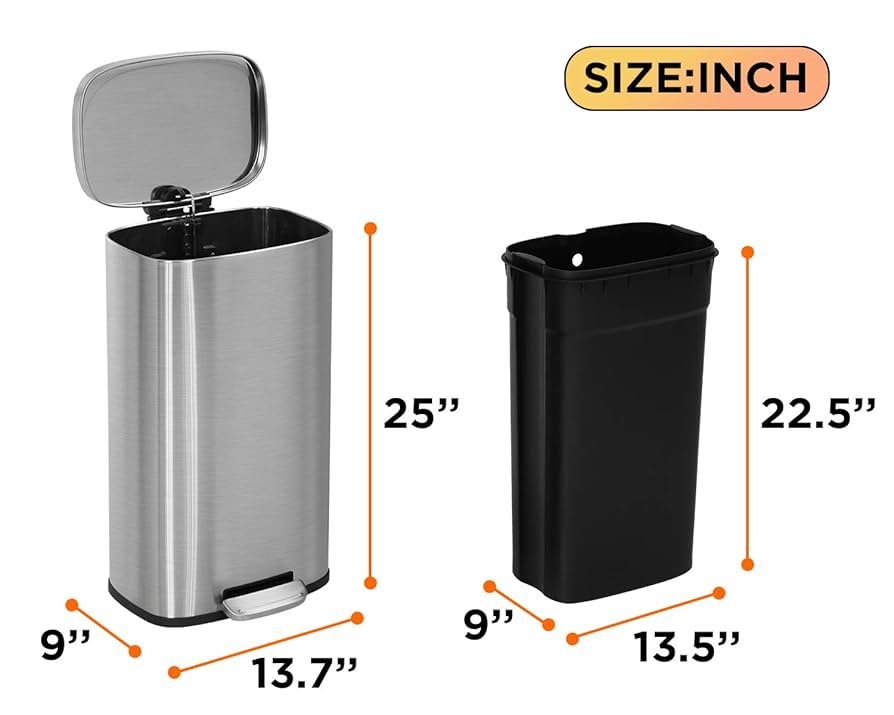
Ever find yourself struggling with overflowing garbage bags or a trash can that just doesn’t fit your kitchen space? If so, you’re not alone.
Choosing the right kitchen trash can might seem trivial, but it’s crucial for maintaining a clean and efficient kitchen. The size of your trash can affects everything from how often you take out the trash to how seamlessly it fits into your kitchen layout.
But what is the standard kitchen trash can size, and how do you know if it’s right for you? In this post, we’ll dive into the ins and outs of kitchen trash can sizes, helping you make an informed decision that’ll save you time, space, and maybe even a little sanity. Stick around to discover how the right choice can simplify your daily routine and enhance your kitchen’s functionality.
Common Kitchen Trash Can Sizes
Standard kitchen trash cans are usually 13 gallons. This size fits well in most kitchens, offering ample space for daily waste. Perfect for homes with busy kitchens.
When considering the perfect trash can for your kitchen, the size is a crucial factor. Not only does it need to fit your space, but it also has to handle your household’s waste efficiently. The ideal kitchen trash can should balance between not being too bulky and having enough capacity for your daily garbage.10-13 Gallon Trash Cans
These are the most common sizes for kitchen trash cans. They perfectly fit under most countertops and can handle the waste from a typical family of four. If you have a standard-sized kitchen, this size might be your best bet for balancing capacity and space efficiency.7-10 Gallon Trash Cans
Ideal for smaller kitchens or apartments, these trash cans are compact yet functional. They easily fit under the sink or in tight spaces, making them a versatile option. However, you might find yourself emptying them more frequently, especially if you have a larger family.3-7 Gallon Trash Cans
These smaller trash cans are often used as secondary bins in kitchens. They’re great for compost, recycling, or even in-home offices. While not suitable for your main kitchen trash, they can help you segregate waste effectively.13-20 Gallon Trash Cans
If you have a larger family or generate a lot of waste, you might consider a bigger size. These are typically used in larger kitchens or households that prefer fewer trips to the outside trash bin. Ensure you have the space for it, as they can be quite bulky.Consider Your Needs
When choosing a trash can size, think about your cooking habits and waste generation. Do you cook a lot at home, or order take-out frequently? Do you recycle or compost? These habits will help determine the size that fits your lifestyle best.Space And Design
Remember to measure the space where you plan to place your trash can. A stylish trash can that fits perfectly can enhance the aesthetics of your kitchen. Consider the design and shape to ensure it complements your kitchen’s layout and decor. Choosing the right trash can size is more than just picking one that fits. It’s about making your kitchen work for you, creating a space that’s efficient and pleasant to use. What size works best in your kitchen?
Credit: www.amazon.com
Factors Influencing Size Choice
Standard kitchen trash can sizes are influenced by the kitchen’s layout and available space. Family size and waste habits also impact the choice. A typical trash can holds between 12 to 16 gallons, balancing capacity with convenience.
Choosing the right kitchen trash can size might seem trivial, but it’s a decision that can affect your daily life. The size of your trash can impacts how often you need to take out the trash, how it fits in your kitchen, and how it handles the waste needs of your household. Several factors can influence your decision, making it essential to consider each one carefully.Kitchen Space Considerations
The amount of space in your kitchen plays a crucial role in selecting the right trash can size. If you have a compact kitchen, a large trash can may be cumbersome and take up precious space. In contrast, a spacious kitchen can accommodate a larger can without it getting in the way. Think about where you want to place your trash can. Will it be under the sink, in a pantry, or out in the open? Each location has its own space constraints. Consider measuring the area where you plan to keep your trash can to ensure a good fit.Household Size Impact
The size of your household is another significant factor in choosing a trash can size. A family of four will produce more waste than a single person or a couple. Consequently, a larger household might benefit from a bigger trash can to reduce the frequency of emptying. Reflect on your waste habits. Do you generate a lot of trash daily, or do you recycle most items? Your household’s trash output can guide you in selecting a size that meets your needs without constant trips to the garbage bin. So, what’s the right size for you? Consider your kitchen’s layout and your household’s waste production. A little planning can lead to a more efficient, clutter-free kitchen experience.Types Of Trash Cans
Standard kitchen trash cans typically hold 12 to 16 gallons. This size accommodates most household waste needs. Compact yet spacious, they fit well in kitchens, ensuring easy waste disposal.
Every kitchen needs a trash can, but with so many options, choosing the right one can be overwhelming. Understanding the types of trash cans can make your decision easier. Whether you have a compact kitchen or a spacious one, the right trash can can make a significant difference in functionality and style.Freestanding Cans
Freestanding cans are the most common type found in kitchens. They are versatile and can be placed anywhere in the kitchen. You can move them easily when cleaning or rearranging your space. These cans come in various sizes and materials, from sleek stainless steel to colorful plastic. If you have kids or pets, consider a can with a secure lid to prevent spills and messes.Under-counter Cans
Under-counter cans are perfect for those who prefer a clutter-free kitchen. They fit snugly under your countertops, saving valuable floor space. This type is ideal for small kitchens or if you desire a minimalist look. Most under-counter cans are designed to slide out for easy access. They’re great for hiding trash but may require a bit of bending to reach. Consider how often you’ll use it and whether accessibility matters to you.Pull-out Cans
Pull-out cans are a step up in convenience. Installed within a cabinet, they slide out on rails, making it easy to toss trash without any hassle. This design keeps your trash out of sight and helps maintain a tidy kitchen. They often come with two bins, allowing you to separate waste and recyclables. If you’re environmentally conscious, this could be a compelling choice. However, installation might be required, so think about your DIY skills or the need for professional help. Choosing the right trash can is about balancing your kitchen’s style with functionality. What type fits your lifestyle best? Consider your space and habits, and you’ll find the perfect match for your kitchen.
Credit: www.pacifiko.com
Material And Design Options
When choosing a standard kitchen trash can, the material and design options play a crucial role in both functionality and aesthetics. The material dictates durability, while the design enhances usability and complements your kitchen decor. Whether you prioritize sleek metal or practical plastic, understanding these choices will help you make an informed decision.
Plastic Vs. Metal
Plastic trash cans are popular for their affordability and lightweight nature. They are easy to clean, often featuring smooth surfaces that resist stains and odors. Many come with foot pedals or swing tops for hands-free operation, which is perfect for keeping your kitchen hygienic.
Metal trash cans, on the other hand, offer a stylish touch to modern kitchens. Their robust construction makes them highly durable. Stainless steel models are particularly favored for their fingerprint-resistant finishes, keeping them looking clean and polished with minimal effort.
Design Features
Design features can transform a simple trash can into a convenient kitchen tool. Look for options with soft-closing lids to prevent slamming and noise. It’s a small detail, but it makes a big difference in maintaining a peaceful kitchen environment.
Consider trash cans with built-in odor control systems. These are a lifesaver, especially in open-plan kitchens where smells can quickly spread. Some models even have compartments for recycling, helping you sort waste efficiently without taking up extra space.
Think about the size and shape of the trash can. Does it fit snugly in your kitchen without obstructing pathways? A well-chosen design can maximize space and enhance the flow of your kitchen’s layout.
Ultimately, the choice between plastic and metal, and selecting specific design features, is about balancing practicality with style. What’s your priority—durability or aesthetics? How can your trash can simplify your daily routine? The answers to these questions will guide you to the perfect trash can for your kitchen.
Capacity And Volume
The capacity and volume of a kitchen trash can are crucial for its efficiency. Choosing the right size ensures that your kitchen stays clean and organized. Understanding the measurements in gallons and liters helps in selecting the perfect fit for your space.
Gallons And Liters Explained
Trash cans are often measured in gallons or liters. This indicates how much waste they can hold. A typical kitchen trash can ranges from 10 to 13 gallons. This size is suitable for regular household use. In liters, this is approximately 38 to 50 liters. Knowing these units helps in understanding the volume they represent.
Gallons are commonly used in the United States. Liters are more recognized internationally. Make sure you check the label when purchasing. This ensures you get the correct size for your needs.
Choosing The Right Capacity
Consider your household size and waste production. A larger family may need a bigger trash can. A smaller family might need less capacity. Assess how much waste you generate in a week. This helps in deciding the appropriate size.
Look for features like removable liners. They make emptying the trash easier. Some trash cans come with odor control. This feature is useful in maintaining a fresh-smelling kitchen. Review various designs and materials. These factors affect the durability and usability of the trash can.
Trash Bags Compatibility
Standard kitchen trash cans typically range from 12 to 16 gallons. Compatibility with trash bags ensures efficient waste management. Choosing the right size bag prevents spills and fits snugly.
When choosing a kitchen trash can, it’s crucial to consider trash bag compatibility. The right bag size ensures a snug fit, preventing unpleasant spills and waste exposure. Imagine the hassle of constantly wrestling with a bag that’s too small or wasting money on excess material with an oversized one. Understanding compatibility not only saves you time and effort but also enhances cleanliness in your kitchen. Let’s break down the essentials of trash bag compatibility with your kitchen trash can.Bag Sizes
Selecting the correct bag size is the first step towards achieving trash bag compatibility. Standard kitchen trash cans typically range from 10 to 13 gallons. This size is designed for most households, providing enough capacity for daily waste without being cumbersome. However, bag sizes can vary slightly. It’s important to check the gallon size indicated on the trash bags. A 13-gallon bag usually offers a more relaxed fit for a 12-gallon can, ensuring easier closure and removal.Types Of Trash Bags
Trash bags come in various types, each catering to different needs. Drawstring bags are popular due to their ease of use; they seal tightly and make carrying waste to the outside bin simple. Flap tie bags are another option, offering a traditional method to secure waste. For those keen on reducing their environmental impact, compostable bags provide an eco-friendly alternative. They break down over time, reducing landfill waste. Ensure these bags are compatible with your trash can to avoid tearing, as they might be less durable than regular plastic bags. Each type brings its own benefits. Consider what’s most important for your household—ease of use, cost, or environmental impact—and choose accordingly. Finding the right balance between trash can size and bag type can transform your waste management routine. Have you ever found yourself struggling with incompatible trash bags? Share your experience in the comments below and let us know how you tackled the issue!Buying Tips
A standard kitchen trash can typically holds 13 gallons. It fits most kitchens and standard trash bags easily. This size is perfect for daily household waste without frequent emptying.
When choosing a standard kitchen trash can, consider various factors. It’s important to pick one that fits your kitchen space and lifestyle needs. Here are some buying tips to help you make the best choice.Budget Considerations
Set a budget before you start shopping. Trash cans come in different prices. Basic models are affordable, while designer options cost more. Think about how much you want to spend. Keep in mind, a higher price often means better durability. But, you can find good quality at lower prices too. Compare various brands and models within your budget range.Environmental Impact
Think about the environmental impact of your trash can choice. Many people prefer trash cans made from recycled materials. These are eco-friendly and reduce waste. Some trash cans support composting. This is a great way to reduce your kitchen waste. Look for options that promote recycling and sustainability. Reducing your carbon footprint benefits the planet.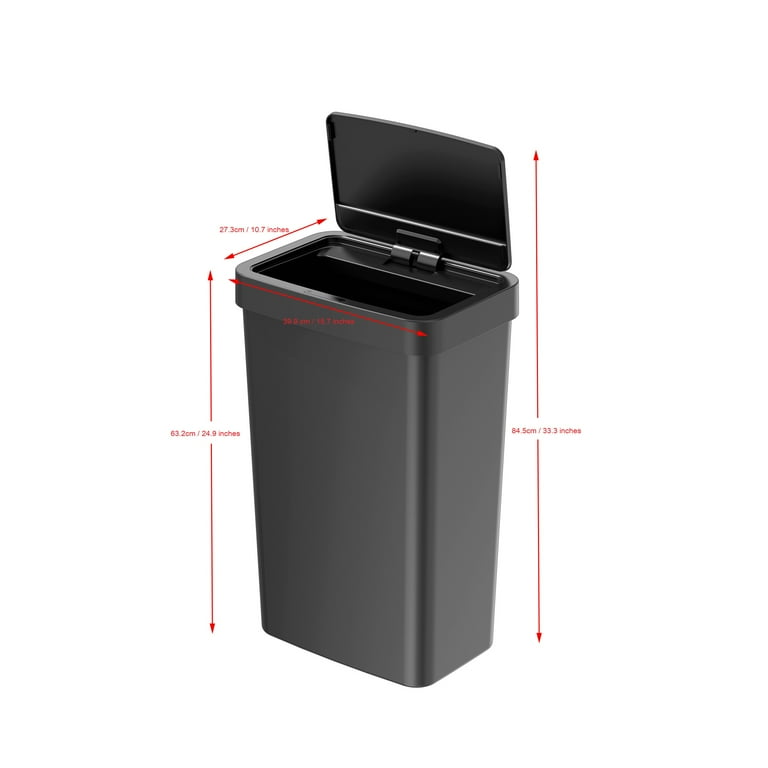
Credit: www.walmart.com
Frequently Asked Questions
Is A 10 Gallon Trash Can Big Enough For A Kitchen?
A 10-gallon trash can is often sufficient for small kitchens. It suits households with minimal waste. For larger families or frequent cooking, a bigger bin might be necessary. Consider your waste habits to decide the best fit.
Is An 8 Gallon Trash Can Big Enough For A Kitchen?
An 8-gallon trash can is generally suitable for small kitchens or households with minimal waste. For larger families or frequent cooking, consider a bigger size to avoid frequent emptying. Ensure it fits comfortably in your kitchen space for optimal convenience.
What Is The Average Kitchen Trash Can Size?
The average kitchen trash can size is around 13 gallons. This size fits well in most kitchens. It offers a balance between capacity and space efficiency. Many households find this size convenient for daily waste management.
How Tall Is A Standard Kitchen Trash Can?
A standard kitchen trash can is typically 25 to 30 inches tall. This height is designed to fit under most kitchen counters. It provides easy access for disposing of trash. The height also accommodates standard tall trash bags.
Conclusion
Choosing the right kitchen trash can size matters. It affects daily convenience. A standard size fits most needs. It balances capacity with space. Consider your household waste habits. Think about available kitchen space. Many options exist. From small to large.
Find one that suits your lifestyle. This choice impacts cleanliness. And overall kitchen efficiency. A good fit enhances your kitchen experience. So, measure and match wisely. A suitable trash can brings order. And keeps your kitchen tidy.
