

Your painted cabinets are the unsung heroes of your kitchen or bathroom. They add a pop of color and style, making these spaces feel more vibrant and welcoming.
But let’s face it, over time, they can get grimy, losing their charm and appeal. Imagine a kitchen where your cabinets always look as fresh and inviting as the day they were painted. Sounds like a dream, right? You’re in luck! Keeping those cabinets spotless doesn’t have to be a daunting task.
In fact, with the right techniques, it can be surprisingly easy and satisfying. If you’re wondering how to maintain that beautiful finish without damaging the paint, you’re in the right place. Get ready to discover the secret to keeping your painted cabinets looking immaculate and elevating the heart of your home. Dive into the full guide and transform your cleaning routine today!

Credit: www.cliqstudios.com
Choosing The Right Cleaning Supplies
Choosing the right cleaning supplies helps maintain the beauty of painted cabinets. Use a gentle cleaner and soft cloth. Avoid harsh chemicals to prevent damage.
Choosing the right cleaning supplies for your painted cabinets is crucial for maintaining their beauty and longevity. Using the wrong products can dull the finish or even damage the paint. It’s about finding a balance between effective cleaning and gentle care.Understand Your Cabinet Finish
Before diving into cleaning, determine the type of paint finish on your cabinets. Is it glossy, semi-gloss, or matte? Each type may require different care. Knowing this will guide you in choosing the right supplies.Gentle Cleaners For Everyday Use
Opt for mild detergents or dish soaps mixed with warm water. Avoid harsh chemicals like bleach or ammonia, as they can strip the paint. A soft cloth or sponge will effectively remove everyday grime without scratching the surface.Spot Cleaning For Stubborn Stains
For tough spots, consider a paste made from baking soda and water. Apply gently with a soft cloth and rinse afterward. Always test on a small area first to ensure there’s no adverse reaction.Microfiber Cloths: Your Best Friend
Microfiber cloths are excellent for painted cabinets. They trap dust and dirt without being abrasive. Plus, they’re reusable, making them an eco-friendly choice.Avoid Abrasive Tools
Steer clear of steel wool or scouring pads. These can leave scratches that are hard to fix. Instead, rely on soft materials that treat your cabinets with care.Consider Natural Cleaning Alternatives
Vinegar diluted with water can be a safe alternative for cleaning cabinets. It’s effective yet gentle, but remember to rinse thoroughly to avoid residue. Would you try this natural solution in your home?Read Labels Carefully
Always check the labels on any commercial cleaning products. Look for words like “gentle” or “safe for painted surfaces.” This ensures you’re using the right products that won’t harm your cabinets. Choosing the right cleaning supplies is an investment in your kitchen’s future. By taking a little time to select the appropriate tools and products, you ensure that your cabinets remain vibrant and beautiful for years to come.Preparing The Cabinets For Cleaning
Remove items from cabinets and dust surfaces thoroughly. Use a gentle cleaner to avoid damaging the paint.
Preparing your painted cabinets for cleaning is an important first step. It ensures you get the best results without causing damage. Before diving into the cleaning process, some preparation is necessary. This step will help preserve the paint and keep your cabinets looking fresh.Remove All Items From The Cabinets
Take out everything from your cabinets. This includes dishes, food, and any other stored items. Clearing the space allows you to clean more thoroughly. It also prevents anything from getting damaged during the process.Dust And Wipe Down Surfaces
Use a soft cloth to dust the cabinet surfaces. Make sure to reach corners and edges. Dusting helps remove loose dirt and particles. This step is crucial for preventing scratches during cleaning.Examine For Any Stains Or Damage
Check the cabinets for stains or chipped paint. Identify areas needing special attention. Stains may require a different approach. Being aware of damage helps you avoid worsening the condition.Gather Necessary Cleaning Supplies
Prepare your cleaning tools and materials. You will need a soft sponge, mild detergent, and warm water. Avoid harsh chemicals that can damage the paint. Having everything ready saves time and effort.Protect Surrounding Areas
Cover nearby surfaces with cloth or plastic. Protect the floor and countertops from spills. This step keeps your kitchen safe and clean during the process. Proper preparation leads to better results.Daily Maintenance Techniques
Gently dust painted cabinets with a soft cloth to remove loose particles. Use a mixture of mild soap and warm water for deeper cleaning. Rinse with a damp cloth and dry immediately to prevent moisture damage.
Maintaining the cleanliness of your painted cabinets daily doesn’t have to be a daunting task. In fact, with a few simple techniques, you can keep them looking fresh and vibrant without much hassle. Think of it as a little ritual that ensures your cabinets remain the centerpiece of your kitchen or bathroom. Let’s dive into some practical daily maintenance techniques.Regular Dusting
Dust tends to settle quickly, especially in busy areas like the kitchen. Use a microfiber cloth for quick dusting. It traps particles effectively without scratching the surface.Spot Cleaning
Accidental splatters happen. Keep a small spray bottle with a gentle cleaner handy. A quick spray and wipe can prevent stains from setting in.Use A Soft Cloth
When cleaning, avoid abrasive materials. A soft cloth or sponge helps maintain the paint’s sheen. Rough materials can cause scratches over time.Mind The Handles
Cabinet handles are high-touch areas. Regularly clean them with a cloth dampened with a mild soap solution. This prevents grime buildup.Check For Chips
Paint chips can appear unexpectedly. Keep an eye out for them during your daily routine. Addressing them early can prevent further damage.Avoid Excess Water
Excessive moisture can damage painted surfaces. After cleaning, ensure surfaces are dried thoroughly to prevent water spots or swelling. Think of these daily maintenance techniques as small gestures of care. They not only preserve the beauty of your cabinets but also extend their lifespan. What simple changes can you make today to keep your cabinets spotless?Deep Cleaning Process
Cleaning painted cabinets involves using a mild detergent mixed with warm water. Gently scrub with a soft cloth to avoid scratches. Dry thoroughly to prevent any moisture damage.
Cleaning painted cabinets might seem daunting, but a deep cleaning process can restore their original charm. This method doesn’t just improve aesthetics; it also prolongs the lifespan of your cabinets. Let’s dive into some practical steps to make your cabinets shine, focusing on removing dust and tackling stubborn stains.Removing Dust And Debris
Start by opening the cabinet doors to access every nook and cranny. Use a microfiber cloth or a soft brush to gently wipe away dust and loose debris. Microfiber is excellent because it traps dust without scratching the paint. A vacuum cleaner with a brush attachment can also be useful for corners and edges. Regular dust removal prevents buildup that can affect the paint’s appearance. Consider this: when was the last time you checked the tops of your cabinets? These hidden spots can accumulate layers of dust. Make it a habit to clean these areas during your deep cleaning sessions.Tackling Stubborn Stains
Stains are inevitable, but they don’t have to be permanent. Mix a gentle solution of warm water and mild dish soap. Avoid harsh chemicals that can damage the paint. Dip a soft cloth or sponge into the soapy water, then wring it out until it’s just damp. Gently scrub the stained area, applying a bit of pressure if needed. If the stain persists, create a paste with baking soda and water. Apply it to the stain, let it sit for a few minutes, and then wipe it away with a damp cloth. Be mindful of the paint finish. Test any cleaning method on a hidden area first to ensure it doesn’t cause discoloration. Are you ready to tackle those stubborn marks with confidence?Handling Grease And Grime
Cleaning painted cabinets requires gentle care. Use a mild soap with warm water and a soft cloth. Avoid harsh chemicals to protect the paint finish.
Tackling grease and grime on painted cabinets can seem like a daunting task, but it doesn’t have to be. These stubborn residues can accumulate over time, especially in kitchens where cooking is frequent. Knowing the right techniques and tools can make your cleaning process efficient and stress-free. Imagine opening your cabinet doors to a gleaming, spotless surface every time. With a few easy steps, you can achieve just that.Use A Gentle Degreaser
Start with a gentle degreaser to avoid damaging the paint. Mix warm water with a small amount of dish soap in a spray bottle. Spritz this solution onto a microfiber cloth and gently wipe down the cabinets.Create A Baking Soda Paste
For tougher spots, baking soda can be your best friend. Combine baking soda with water to form a paste. Apply it to the greasy areas using a soft cloth, and let it sit for a few minutes before wiping it off.Try White Vinegar
White vinegar is excellent for cutting through grease. Mix equal parts of vinegar and water in a spray bottle. Spray directly onto the cabinets and wipe with a clean, damp cloth.Rinse And Dry Thoroughly
After cleaning, rinse the cabinets with a cloth dampened in plain water. This step ensures no cleaning solution residues remain. Finally, dry the surfaces with a soft towel to prevent water spots.Regular Maintenance
Consistency is key in preventing grease buildup. Wipe your cabinets weekly with a damp cloth. Consider setting a reminder to ensure this quick task becomes a regular habit. Are you ready to transform your cabinets into a clean and inviting space? With these tips, maintaining spotless surfaces is within your reach. Your effort will not only enhance the look of your kitchen but also prolong the life of your painted cabinets.Protecting Painted Surfaces
Gentle cleaning preserves painted cabinets. Use a soft cloth and mild detergent for best results. Wipe gently to avoid damaging the paint.
Protecting painted cabinets extends their life and maintains their beauty. Careful cleaning ensures surfaces stay vivid and free of scratches. Use gentle methods to prevent damage and preserve the finish.Use Gentle Cleaning Solutions
Select mild detergents for cleaning painted surfaces. Harsh chemicals can strip paint or cause fading. Mix a few drops of dish soap with warm water. Apply with a soft cloth to clean without harming the paint.Avoid Abrasive Tools
Choose soft materials for cleaning to avoid scratches. Microfiber cloths or sponges work best. Avoid scrub brushes or steel wool. These can damage the paint and leave unsightly marks.Dry Thoroughly After Cleaning
Ensure cabinets are dry after cleaning. Moisture can lead to peeling or bubbling. Use a dry cloth to remove excess water. Let air circulate to help drying.Apply Protective Coating
Consider applying a protective wax or sealant. This adds a layer of protection against daily wear. Ensure the coating is suitable for painted surfaces. Follow instructions for best results.Regular Maintenance Checks
Inspect painted cabinets regularly. Look for chips, scratches, or stains. Early detection helps prevent further damage. Address issues promptly to maintain the cabinet’s appearance.Avoiding Common Mistakes
Choosing the right cleaning solution is crucial for painted cabinets. Use mild soap and warm water to avoid damage. Dry thoroughly to prevent moisture from seeping into the paint and causing peeling.
Cleaning painted cabinets requires careful attention to avoid damaging their finish. Many people make simple mistakes during cleaning, which can lead to costly repairs. Understanding these common pitfalls can help maintain the beauty and longevity of your cabinets.Using Harsh Chemicals
Harsh chemicals can strip paint off cabinets. Always choose mild cleaners to preserve the paint. Check labels for any warnings or recommendations.Scrubbing Too Hard
Aggressive scrubbing can scratch and wear down painted surfaces. Use soft cloths or sponges for gentle cleaning. Circular motions help prevent streaks.Ignoring Regular Dusting
Dust buildup affects paint quality over time. Regular dusting prevents dirt accumulation. Use a dry cloth for a quick wipe-down.Skipping Rinse And Dry
Rinsing removes soap residue that can damage paint. Always dry cabinets after cleaning. Moisture can cause paint to peel or bubble.Using Abrasive Tools
Avoid abrasive tools like steel wool. These can scratch and ruin the paint. Opt for non-abrasive materials instead.Overlooking Test Spots
Test cleaners on a small area first. This ensures no damage or discoloration. Check results before cleaning the entire cabinet.Neglecting Manufacturer Instructions
Follow any specific cleaning instructions from the manufacturer. These guidelines ensure safe and effective cleaning practices.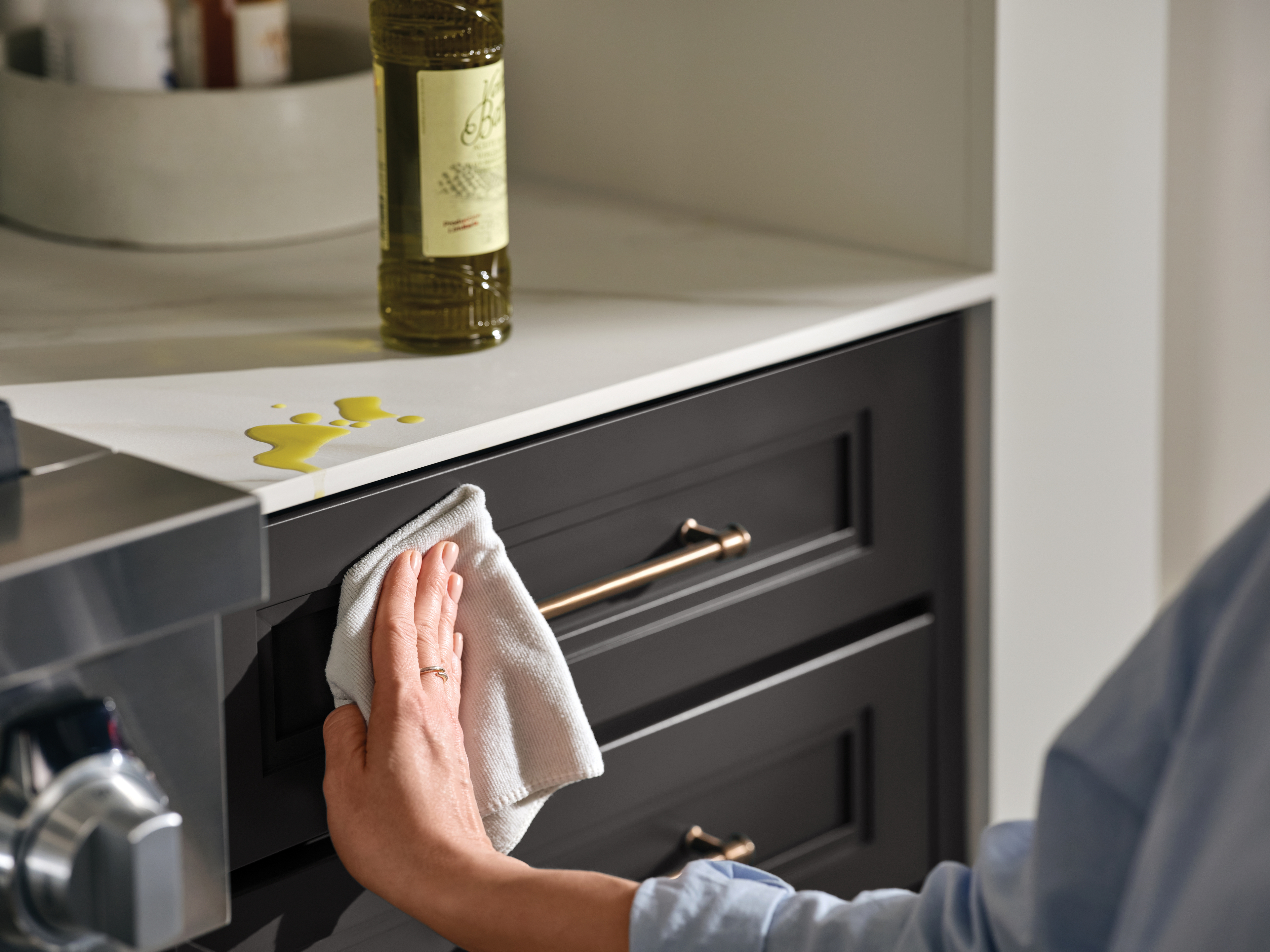
Credit: www.kraftmaid.com
Diy Cleaning Solutions
Cleaning painted cabinets is easy with a DIY solution. Mix gentle dish soap with warm water. Use a soft cloth to wipe surfaces. Avoid soaking the wood.
Cleaning painted cabinets doesn’t have to be a daunting task. With the right DIY cleaning solutions, you can maintain the beauty and longevity of your cabinets. Not only are these solutions cost-effective, but they also use ingredients you likely already have at home. Let’s dive into some practical and simple methods to keep your cabinets looking pristine.Using Vinegar And Water
Create a solution by mixing equal parts of vinegar and warm water. This combination is effective in cutting through grease and grime. Gently wipe the cabinets using a soft cloth soaked in this solution, then dry with a clean towel.Baking Soda Paste
Make a paste using baking soda and a little water. Apply it to stained areas and let it sit for a few minutes. Scrub gently with a soft-bristled brush, then wipe clean with a damp cloth.Dish Soap And Warm Water
Mix a few drops of mild dish soap with warm water. Use this solution to wipe down the cabinets with a microfiber cloth. Rinse with a damp cloth to remove any soap residue, then dry thoroughly.Olive Oil And Vinegar Polish
Combine two parts olive oil with one part vinegar for a natural polish. Apply with a soft cloth to add shine and a protective layer to your cabinets. Buff the cabinets gently to enhance their natural luster.Lemon Juice And Baking Soda
For a fresh scent and effective cleaning, mix lemon juice with baking soda to form a paste. Apply to problem areas and let it sit for ten minutes. Rinse with warm water and dry with a soft towel. Using these DIY solutions, you can maintain your painted cabinets without harsh chemicals. Why not give them a try and see how they transform your kitchen space?When To Seek Professional Help
Difficulty removing tough stains? Consider seeking professional help for stubborn grime on painted cabinets. Professionals can safely restore your cabinets’ appearance without damaging the paint.
Cleaning painted cabinets can be a satisfying DIY project. However, there are times when it’s best to leave it to the experts. Recognizing when professional help is needed can save your cabinets from potential damage and ensure they remain in pristine condition. Here’s how to know when to call in the pros.Signs Of Damage Or Wear
If you notice cracks, chips, or peeling paint, it might be time to consult a professional. While minor scuffs can be tackled with touch-up paint, extensive damage may require expert intervention to prevent further deterioration.Stubborn Stains
Some stains are incredibly persistent. If your cabinets have stubborn marks that refuse to budge, a professional cleaner with specialized tools and techniques might be the solution. They can address stains without harming the paint.Complex Designs
Intricate cabinet designs can pose a cleaning challenge. If your cabinets feature ornate carvings or detailed patterns, professionals can ensure a thorough clean while preserving the integrity of these features.Limited Time
Life can get hectic, and cleaning cabinets might not be at the top of your to-do list. If you find yourself pressed for time, hiring a professional can relieve stress and guarantee your cabinets get the attention they need.Expert Finish
If you desire a flawless finish or plan to refresh your cabinets with a new coat of paint, professionals have the expertise to deliver exceptional results. They can offer advice on the best products and methods to achieve a lasting finish. Remember, knowing when to seek professional help is crucial in maintaining your painted cabinets’ beauty and longevity. Would you rather spend hours figuring out the right cleaning method, or have peace of mind with professional care? The choice is yours!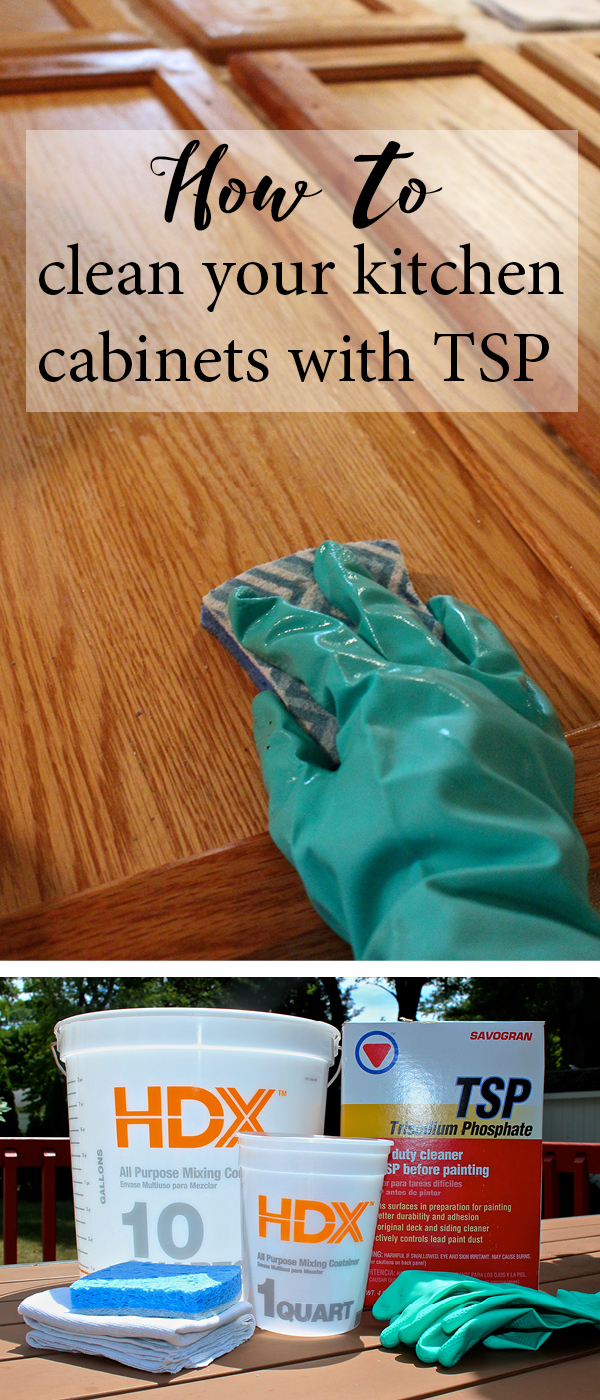
Credit: weekendcraft.com
Frequently Asked Questions
What Is The Best Cleaner For Painted Wood?
Use a mild dish soap and water solution for cleaning painted wood. Mix a few drops of soap in warm water. Gently wipe the surface with a soft cloth. Avoid harsh chemicals or abrasive cleaners to prevent damage. Regular cleaning helps maintain the paint’s appearance and longevity.
Is Murphy’s Oil Soap Good For Painted Cabinets?
Murphy’s Oil Soap is suitable for painted cabinets. It gently cleans without stripping paint. Always test a small area first. Use a soft cloth to apply and wipe off excess soap. Regular use helps maintain cabinet shine and cleanliness. Avoid using too much water to prevent damage.
Can I Use A Magic Eraser On Painted Cabinets?
Yes, you can use a magic eraser on painted cabinets. Use it gently to avoid removing paint. Test a small area first to ensure it doesn’t damage the surface. Ideal for removing scuffs and stains, but avoid excessive pressure to maintain cabinet finish.
How To Clean Painted Cabinets With Dawn?
Mix Dawn dish soap with warm water. Dip a soft cloth into the solution. Gently scrub the painted cabinets. Rinse with clean water and dry with a towel. Avoid using abrasive materials to prevent damage. Regular cleaning helps maintain the cabinets’ appearance.
Conclusion
Keeping painted cabinets clean is simple with the right steps. Gentle cleaning products protect the paint. Regular dusting prevents buildup. Soft cloths avoid scratches. Spot cleaning tackles tough stains. Always dry cabinets after cleaning. This prevents water damage. Regular maintenance keeps cabinets fresh and vibrant.
Follow these tips for lasting beauty and shine. Painted cabinets add charm to any kitchen. Preserve their look with these easy steps. Happy cleaning and enjoy your beautiful cabinets!
