
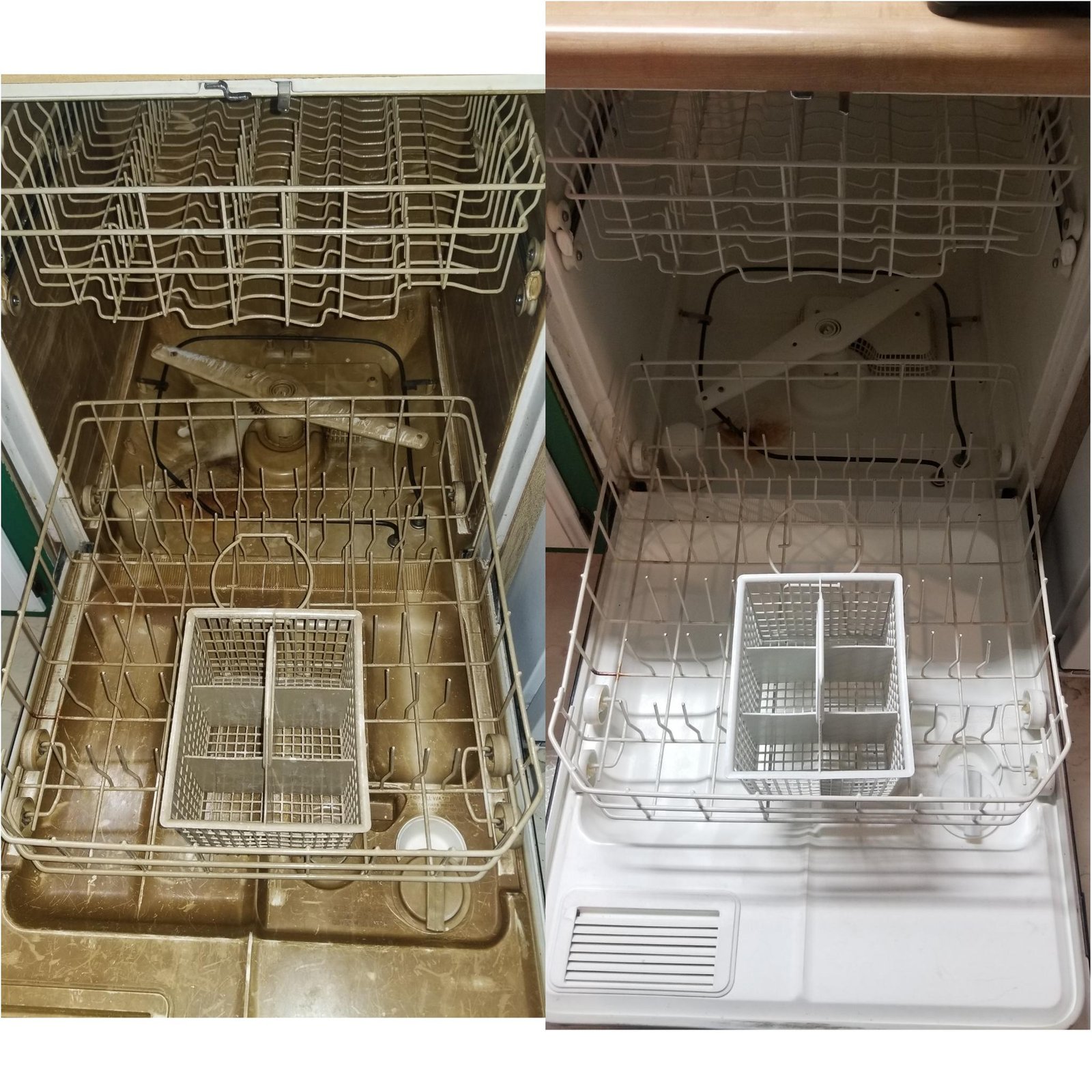
Have you ever opened your dishwasher only to find that your sparkling dishes are marred by unsightly hard water stains? You’re not alone.
These stubborn mineral deposits can turn your pristine glassware and plates into a cloudy mess, leaving you frustrated every time you unload your dishwasher. But don’t worry! In this guide, you’ll discover simple, effective methods to banish those pesky stains for good.
Imagine the satisfaction of seeing your dishes gleam like new again. Intrigued? Keep reading to learn how to transform your dishwasher into a hard water stain-free zone, ensuring every wash cycle leaves your dishes spotless and shining.

Credit: www.reddit.com
Identifying Hard Water Stains
Have you ever opened your dishwasher only to find pesky white spots on your dishes? These are likely hard water stains, a common issue caused by mineral deposits. Identifying these stains is crucial to restoring the sparkle to your dishware and ensuring your dishwasher functions efficiently.
Recognizing Hard Water Stains
Hard water stains typically appear as chalky white spots or streaks. They can also manifest as a cloudy film on glassware. These marks are residues from minerals like calcium and magnesium found in hard water.
To confirm if what you’re seeing are hard water stains, try wiping a spot with vinegar. If the stain dissolves, it’s likely a hard water deposit. This simple test can save you from unnecessary cleaning efforts.
Common Signs In Your Dishwasher
Besides spotting them on your dishes, hard water stains can affect your dishwasher’s interior. Look for mineral buildup around the spray arms and filters. These deposits can hinder performance, causing your dishwasher to work harder.
You might notice your dishwasher leaving dishes less clean or taking longer cycles. If you’ve observed these symptoms, hard water stains might be the culprit. Addressing them promptly can prevent long-term appliance damage.
Impact On Dishwasher Efficiency
Hard water stains aren’t just cosmetic. They can reduce the efficiency of your dishwasher. Mineral buildup can block water flow, making it harder for the dishwasher to clean effectively.
Imagine if your dishwasher’s spray arms were clogged. Your dishes wouldn’t get the thorough rinse they need. Addressing hard water stains early can ensure your dishwasher runs smoothly, saving you time and energy.
Consider the last time your dishwasher worked perfectly. Wouldn’t it be great to maintain that level of performance? Regular checks for hard water stains can help you achieve this.

Credit: rehabitathome.com
Tools And Materials Needed
Cleaning hard water stains in your dishwasher can be simple. You’ll need the right tools and materials to achieve a spotless finish. Equipping yourself properly ensures efficient cleaning. Below is a list of essential items you should gather before starting the cleaning process.
White Vinegar
White vinegar is a natural cleaner. It helps dissolve mineral deposits. It’s safe for most dishwasher interiors.
Baking Soda
Baking soda acts as a gentle scrub. It removes stains without scratching surfaces. It also deodorizes your dishwasher.
Soft Cloth Or Sponge
A soft cloth or sponge is crucial. It helps wipe away residues. Choose a non-abrasive type to avoid scratches.
Toothbrush
A toothbrush reaches tight spots. It cleans around edges and seals. Old toothbrushes work well for this task.
Measuring Cup
Use a measuring cup for accuracy. It helps in pouring the right vinegar amount. A glass or plastic cup is ideal.
Gloves
Gloves protect your hands. They keep them safe from hot water and cleaning agents. Choose durable, waterproof gloves.
Flashlight
A flashlight illuminates dark areas. It helps you see hidden stains. It ensures no spot is missed during cleaning.
Having these tools makes cleaning effective. They help restore your dishwasher’s shine. Gather them before you begin the cleaning process.
Vinegar Solution Method
Hard water stains can make your dishwasher look grimy and affect its performance. The vinegar solution method is a simple and effective way to tackle these stubborn stains. Vinegar is a natural cleaner that breaks down mineral deposits without damaging your appliance. This method is straightforward, using common household items to restore your dishwasher’s shine.
Preparing The Solution
Start with white vinegar. It’s the best choice for cleaning. Pour about one cup of vinegar into a bowl or measuring cup. Ensure it’s enough to cover the stains. You can also mix it with a little water. This helps spread the solution evenly. Make sure the solution isn’t too diluted. Concentrated vinegar works better on tough stains.
Running A Cleaning Cycle
Place the bowl with vinegar on the top rack of your dishwasher. Don’t pour vinegar directly into the dishwasher. It might affect the machine’s parts. Run a normal wash cycle without any dishes. The vinegar will circulate, cleaning the stains. Avoid using detergent during this cycle. The vinegar needs to work alone.
After the cycle ends, inspect your dishwasher. Most stains should be gone or less visible. If stains persist, repeat the process. Regular cleaning helps prevent future build-up. This method is safe and maintains your dishwasher’s efficiency.
Baking Soda And Vinegar Combo
Remove hard water stains in your dishwasher using baking soda and vinegar. Sprinkle baking soda on the stains, then add vinegar. This combination fizzes away mineral deposits, leaving surfaces clean and refreshed.
Cleaning hard water stains from your dishwasher can be a daunting task, but the baking soda and vinegar combo provides a simple and effective solution. This dynamic duo is not only affordable but also eco-friendly, making it a favorite among households. The chemical reaction between baking soda and vinegar helps break down stubborn mineral deposits, leaving your dishwasher sparkling clean.Mixing The Ingredients
Start by gathering your supplies. You’ll need one cup of baking soda and one cup of white vinegar. Begin by sprinkling the baking soda across the bottom of your empty dishwasher. Next, pour the vinegar into a dishwasher-safe cup and place it on the top rack. The combination will create a fizzing action, which effectively targets those pesky hard water stains.Applying To Affected Areas
Run your dishwasher on the hottest setting. This ensures the baking soda and vinegar combo reaches every corner, effectively cleaning the machine. Pay attention to particularly stubborn areas. If stains persist, you might need to repeat the process or target specific spots with a paste made from baking soda and a little water. After the cycle completes, open the dishwasher and let it air out for a few minutes. This not only aids in drying but also helps remove any lingering vinegar smell. Have you tried using this combo before? If not, give it a shot and see the difference it makes in your dishwasher’s cleanliness.Commercial Cleaners
Hard water stains in dishwashers are stubborn. Commercial cleaners offer a quick fix. These products are designed to tackle tough mineral deposits. They can restore your dishwasher’s shine. Choosing the right cleaner is crucial for effective results.
Choosing The Right Product
Not all cleaners work the same. Check labels for compatibility with dishwashers. Look for cleaners specifically made for hard water stains. Read reviews from other users. They often provide insights into product effectiveness. Consider the environmental impact of the cleaner. Some options are eco-friendly.
Following Safety Instructions
Safety matters when using commercial cleaners. Always read and follow the instructions on the label. Use gloves to protect your skin. Ensure the area is well-ventilated. Avoid mixing cleaners with other chemicals. This can create harmful fumes. Store cleaners away from children’s reach.

Credit: www.mom4real.com
Regular Maintenance Tips
Regular maintenance is key to keeping your dishwasher free from hard water stains. Consistent care extends the life of your appliance. It ensures your dishes come out sparkling clean. By following a simple routine, you can prevent buildup. Below are some effective maintenance tips. They help in managing hard water stains efficiently.
Weekly Cleaning Routine
Start by wiping down the interior with a damp cloth. Focus on areas with visible stains. Remove the bottom rack to inspect the filter. Clean it by rinsing under warm water. Scrub gently with a soft brush if needed. Run a cycle with a cup of white vinegar on the top rack. This helps dissolve mineral deposits. Finish by wiping the door seals with a damp cloth.
Monthly Deep Cleaning
Empty the dishwasher completely. Check spray arms for clogs and clear them using a toothpick. Pour a cup of baking soda into the bottom of the dishwasher. Run a hot water cycle. This step helps in breaking down tough stains. To maintain efficiency, clean the dishwasher’s exterior with a gentle cleaner. Ensure all parts are dry before closing the door. Regular deep cleaning keeps the appliance running smoothly.
Preventing Future Stains
Eliminate hard water stains in your dishwasher by using vinegar. Regular cleaning prevents future build-up. Keep surfaces gleaming with simple maintenance.
Preventing Future Stains Once you’ve tackled those stubborn hard water stains in your dishwasher, it’s crucial to implement steps to prevent them from returning. Imagine a life where your dishes always emerge spotless, and your appliance functions efficiently. Let’s dive into some practical strategies to keep your dishwasher free from hard water stains.Using Water Softeners
One effective way to prevent future stains is by using water softeners. These handy products reduce the mineral content in your water, making it less likely to leave stains. You can add a water softener to your home water supply system or use dishwasher-specific softening agents. Have you ever noticed how some households never seem to struggle with hard water stains? Often, they’ve embraced the power of water softeners. By making this small change, you could save yourself hours of scrubbing and frustration.Adjusting Dishwasher Settings
Another proactive approach is adjusting your dishwasher settings. Many dishwashers come with a built-in setting for hard water. Check your manual to see if this is an option for you. Consider setting your dishwasher to a higher temperature. Hotter water dissolves soap more effectively and helps prevent mineral deposits from clinging to your dishes. Have you experimented with different detergent types? Sometimes, switching to a detergent designed for hard water can make a noticeable difference. Your dishwasher’s performance may surprise you with just a few tweaks. By taking these steps, you’re not only protecting your dishwasher but also ensuring your dishes shine bright after every cycle. Isn’t it worth the effort to maintain that pristine sparkle?Frequently Asked Questions
How Do You Get Hard Water Stains Out Of A Dishwasher?
Remove hard water stains with white vinegar. Fill a cup with vinegar and place it on the top rack. Run a hot water cycle. The vinegar dissolves mineral deposits, leaving the dishwasher clean and fresh. Repeat if necessary for stubborn stains.
What Dissolves Calcium Deposits In The Dishwasher?
White vinegar effectively dissolves calcium deposits in dishwashers. Pour a cup into the bottom and run a hot cycle. Baking soda also helps when sprinkled on the bottom and followed by a hot wash. Regular cleaning prevents buildup, ensuring a smooth and efficient dishwasher operation.
How Do You Get Rid Of Thick Limescale In The Dishwasher?
Remove thick limescale by running an empty dishwasher cycle with white vinegar or citric acid. Place a cup of vinegar on the top rack, or add citric acid to the detergent compartment. Regular cleaning helps prevent buildup and maintains dishwasher efficiency.
What Is The Best Way To Decalcify A Dishwasher?
Use a mixture of vinegar and baking soda to decalcify a dishwasher. Pour vinegar in the detergent tray. Add baking soda inside the machine. Run a short cycle without dishes. This method effectively removes lime deposits and cleans the dishwasher.
Regular maintenance prevents future buildup and enhances performance.
Conclusion
Cleaning hard water stains in your dishwasher is essential. It keeps your dishes spotless. Regular maintenance prevents build-up. Use vinegar for an easy solution. Lemon juice works well too. Remember to clean the filters. They collect debris. A quick wipe down helps.
It keeps your dishwasher running smoothly. Try these tips weekly. They save time and effort. No more stubborn stains. Your dishes will shine. Enjoy using a clean dishwasher. Simple steps make a big difference. Consistency is key. Follow these methods for lasting results.
Your kitchen stays fresh. Your appliances last longer. Happy cleaning!
