
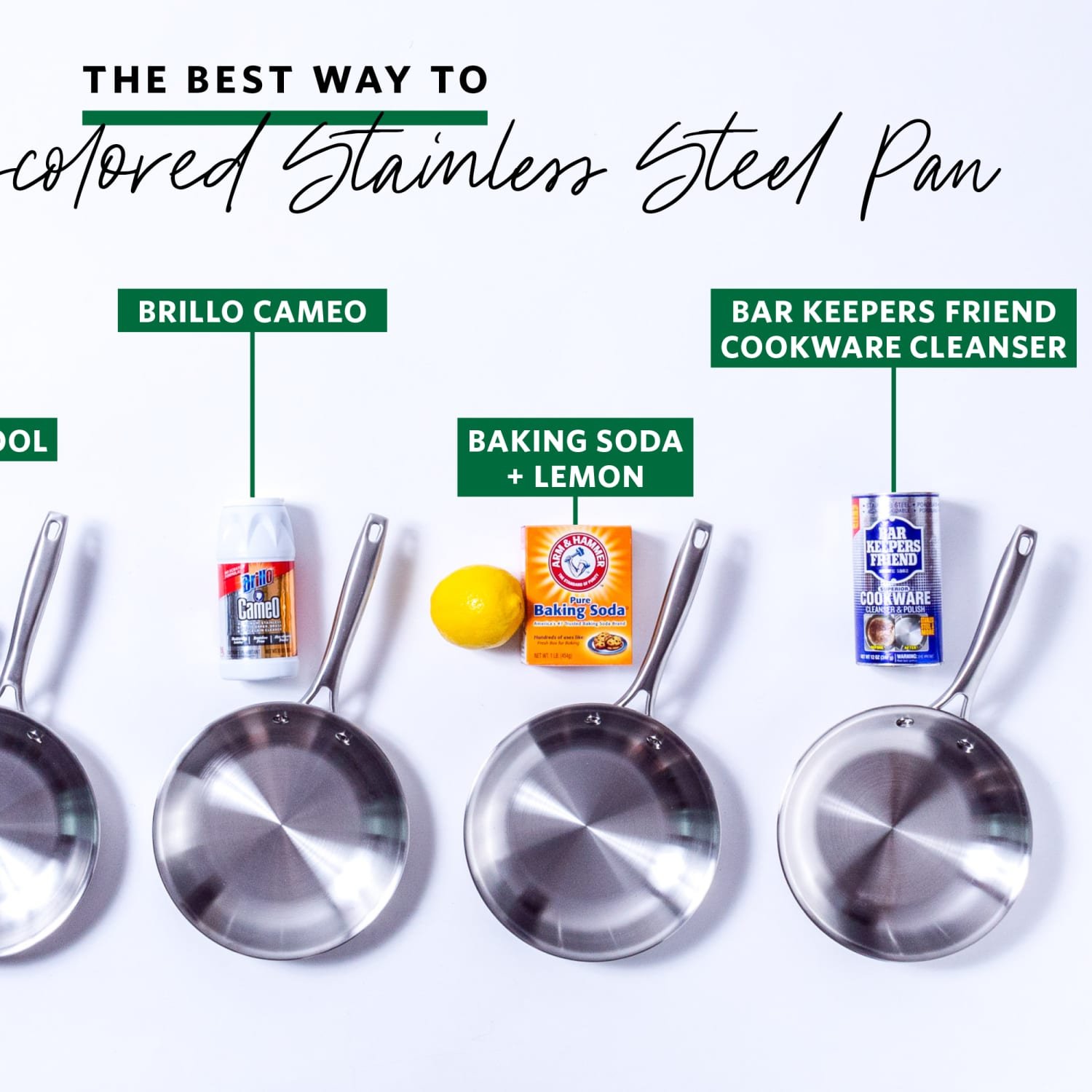
Are your stainless steel pots and pans looking a little worse for wear? You know how frustrating it can be to see those once-shiny surfaces marred by stains, burns, or stubborn food residue.
But don’t worry—you’re not alone, and there’s a solution! Imagine the satisfaction of seeing your cookware gleaming again, just like the day you bought it. Cleaning stainless steel can be tricky, but with the right techniques, you can restore their sparkle without spending hours scrubbing.
In this guide, you’ll discover the best ways to clean your stainless steel pots and pans, using tips and tricks that are both effective and easy to follow. Get ready to transform your kitchen essentials and make cooking a more enjoyable experience! Keep reading to unlock the secrets to a pristine kitchen collection.
Credit: www.reddit.com
Choosing The Right Cleaning Products
Cleaning stainless steel pots and pans can be challenging. You need to choose the right cleaning products. The wrong ones can damage the surface. They may cause scratches or discoloration. Using suitable cleaners keeps your cookware in top shape. It also ensures they last longer.
Non-abrasive Cleaners
Non-abrasive cleaners are gentle. They don’t scratch or harm the surface. Look for products labeled as non-abrasive. They often come in liquid or cream form. These cleaners effectively remove stains and grease. They leave your pots and pans shiny and spotless.
Natural Alternatives
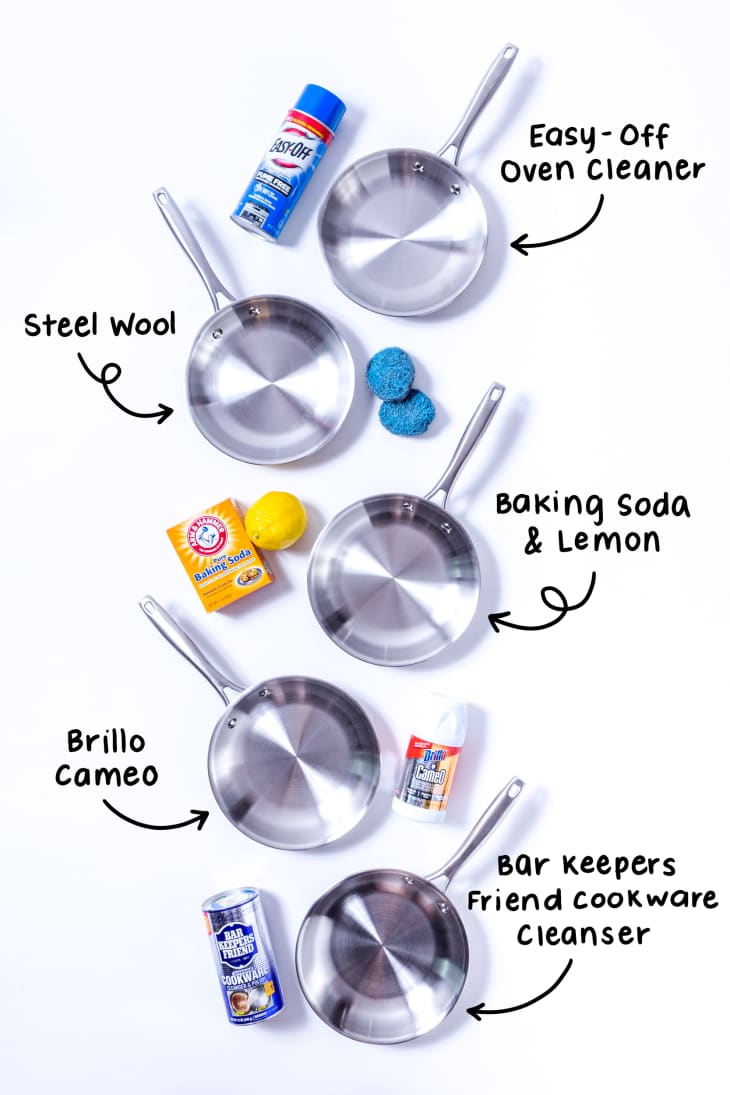
Natural alternatives are great for cleaning. They are safe and eco-friendly. Baking soda is a popular choice. It works well on tough stains. Mix it with water to form a paste. Apply the paste, scrub gently, then rinse.
Another option is white vinegar. It cuts through grease and removes odors. Simply spray vinegar on the surface. Wipe it with a clean cloth for a sparkling finish. Both baking soda and vinegar are affordable and easy to find.
Credit: www.thekitchn.com
Daily Maintenance Tips
Keep stainless steel pots and pans shiny by washing with warm soapy water. Dry thoroughly to prevent water spots. Regular care maintains their appearance and ensures durability.
Keeping your stainless steel pots and pans in pristine condition doesn’t have to be a chore. With daily maintenance, you can preserve their shine and functionality. Imagine the satisfaction of cooking with cookware that looks as good as the day you bought it.Quick Rinsing
After you finish cooking, don’t let the pots and pans sit. A quick rinse with warm water can prevent food from sticking. This simple step makes a world of difference when it’s time for a deeper clean. Use a soft sponge to wipe away any residue. Avoid harsh scrubbing pads that can scratch the surface. If you’re in a hurry, even a splash of water swirled around can help.Drying Techniques
Once rinsed, don’t leave your cookware to air dry. Water spots can mar the finish of stainless steel. Grab a clean, soft cloth or towel to dry them immediately. Have you ever noticed streaks or spots after drying? Ensure you’re using a lint-free cloth for a spotless finish. Hang your pans to dry or store them properly to prevent scratches. Do you often find yourself rushing through the drying process? Take an extra moment to pay attention to handles and rims, which can harbor moisture. This small habit can extend the life of your cookware. Incorporating these daily maintenance tips into your routine can save you time and effort in the long run. Do you have any secret tips for maintaining your cookware? Let us know in the comments!Removing Stubborn Stains
Stainless steel pots and pans are kitchen staples. They’re durable and versatile. Yet, they often face stubborn stains. Burnt residue and water spots can be persistent. Proper cleaning methods ensure your cookware stays in top condition. Let’s explore effective techniques for removing these tough stains.
Tackling Burnt Residue
Burnt residue can be a real headache. Start by soaking the pan in warm water. Add a few drops of dish soap. Let it sit for at least 30 minutes. Use a non-abrasive scrub pad to gently scrub the residue. Baking soda is a fantastic helper. Sprinkle some onto the burnt areas. Add a bit of water to make a paste. Scrub gently until the residue lifts off.
If the stains persist, white vinegar is an excellent choice. Pour some onto the affected area. Let it sit for a few minutes. Scrub with a soft sponge. The acidity helps break down burnt particles.
Dealing With Water Spots
Water spots are common but easy to fix. Begin by drying your pots thoroughly after washing. Water spots form from minerals in water. Use a clean cloth for drying. For existing spots, vinegar is your friend. Dampen a cloth with white vinegar. Wipe the spots gently.
Lemon juice also works wonders. Rub a lemon slice directly on the spots. Rinse with water and dry with a soft towel. This simple method removes spots and adds shine to your cookware.
Polishing For Shine
Restoring shine to stainless steel pots and pans involves simple steps. Gently scrub with a soft cloth and vinegar solution. Rinse thoroughly to reveal a gleaming surface, ensuring cookware always looks its best.
Polishing your stainless steel pots and pans to a dazzling shine can transform your kitchen. It’s not just about aesthetics; a polished surface ensures your cookware is truly clean and free of residue. You might even find that the process is surprisingly therapeutic. But how do you achieve that mirror-like finish? Let’s explore some practical solutions.Using Vinegar Solutions
Vinegar is a humble yet powerful ally in your kitchen. To polish your stainless steel pots and pans, create a simple solution by mixing equal parts of vinegar and water. Apply this solution with a soft cloth, gently rubbing in circular motions. The acidity in vinegar helps cut through grime, leaving your cookware with a natural shine. It’s a non-toxic and eco-friendly method that won’t break the bank. Have you tried this method yet? If not, give it a whirl and see the difference!Commercial Polishing Agents
Sometimes, you need a little extra help from commercial polishing agents. These products are specially formulated to tackle stubborn stains and enhance shine. When selecting a polishing agent, choose one that is specifically designed for stainless steel. Apply the agent according to the instructions on the label, usually with a soft cloth or sponge. Be sure to rinse thoroughly to avoid any residue that could affect your food. Have you ever wondered if commercial products are worth the investment? They might just surprise you with their effectiveness. Why not experiment with both methods? You might find that a combination of vinegar for regular maintenance and commercial agents for occasional deep cleaning works best for you. What’s your go-to method for polishing stainless steel?Avoiding Common Mistakes
Stainless steel pots and pans need proper care to maintain their shine. Many people make mistakes that can damage them. Understanding these mistakes can save your cookware. Protect your investment and keep your kitchen gleaming.
Overheating Dangers
High temperatures can harm stainless steel surfaces. Overheating causes discoloration and warping. This makes cleaning more difficult. Use medium heat for cooking. Avoid placing empty pots or pans on high heat. This prevents damage and maintains quality.
Using Steel Wool
Steel wool is not ideal for stainless steel. It scratches the surface. These scratches trap food particles. Use a soft sponge or cloth instead. Gentle scrubbing removes stains without harming the finish. This keeps your cookware looking new.
:strip_icc()/BHG-How-To-Clean-Stainless-SteelPans-_Step-03-ce0dac28cb23422eb18d80cafd38376e.jpg)
Credit: www.bhg.com
Storage And Care
Effortlessly clean stainless steel pots and pans using warm water and mild dish soap. Gently scrub with a soft sponge to avoid scratches. Dry thoroughly with a clean cloth to prevent water spots.
Stainless steel pots and pans are kitchen essentials. They need proper storage and care. To keep them looking great, follow these simple steps. Proper storage and care ensure longevity. They also maintain their shiny appearance.Proper Stacking
Stacking pots and pans saves space. But it should be done carefully. Place a soft cloth between each item. This prevents scratches. Avoid stacking too many together. Heavy stacks can cause dents. Use shelf liners for added protection.Avoiding Moisture
Moisture is the enemy of stainless steel. Always dry pots and pans completely. Use a soft towel for drying. Store them in a dry area. Humid places can cause spots and discoloration. Use silica gel packs in cabinets. They help absorb moisture.Frequently Asked Questions
What Is The Best Thing To Clean Stainless Steel Pots And Pans With?
Use a mixture of warm water, mild dish soap, and white vinegar to clean stainless steel pots. Gently scrub with a soft cloth or sponge to remove stains and residue. Rinse thoroughly and dry immediately to prevent water spots. This method ensures a shiny and spotless finish.
How To Make Stainless Steel Pots Look New Again?
Clean pots with a mix of baking soda and water. Rub gently with a non-abrasive sponge. Rinse thoroughly with warm water. Dry with a soft cloth to prevent water spots. Polish with a stainless steel cleaner for extra shine. Regular maintenance keeps them looking new.
Can You Use Vinegar And Baking Soda On Stainless Steel Pans?
Yes, you can use vinegar and baking soda on stainless steel pans. They effectively remove stains and residue. Ensure you rinse thoroughly to avoid leaving any residue behind. This method helps maintain the shine and cleanliness of your stainless steel pans.
What Not To Use On Stainless Steel Cookware?
Avoid using abrasive cleaners or steel wool on stainless steel cookware. These can scratch the surface. Acidic foods, like tomato sauce, may cause discoloration. It’s best not to use bleach or oven cleaners, as they can damage the finish. Stick to gentle cleaning methods for long-lasting cookware quality.
Conclusion
Cleaning stainless steel pots and pans can be simple and effective. Use gentle cleaning products to avoid damage. Regular maintenance ensures they stay shiny and durable. Dry them completely to prevent water spots. If stains persist, a mixture of vinegar and baking soda can help.
Remember, your cookware will last longer with proper care. Experiment with different methods to find what works best for you. Enjoy cooking with clean, sparkling pots and pans. They make your kitchen experience enjoyable and stress-free. Keep your cookware looking new for years to come.
