
Are you tired of your meals sticking to your cast iron skillet, no matter how much oil you use? It might be time to give your trusty pan a little TLC.
Seasoning your cast iron skillet is the secret to achieving that perfect, non-stick surface that makes cooking a breeze and cleanup a snap. But with so many methods out there, how do you know which one will really make your skillet shine?
In this guide, you’ll discover the best way to season your cast iron skillet, ensuring it remains your kitchen ally for years to come. Imagine the satisfaction of flipping pancakes with ease or searing a steak to perfection, all thanks to a well-seasoned pan. Dive in to learn the tips and tricks that will transform your cooking experience forever.
Choosing The Right Oil
Choosing the right oil is crucial for seasoning a cast iron skillet. The right oil will create a strong, non-stick surface. This surface enhances cooking and prolongs the skillet’s life. Different oils have different properties. Some oils are better suited for high heat. Others may be more accessible or affordable.
Choosing Oils With High Smoke Points
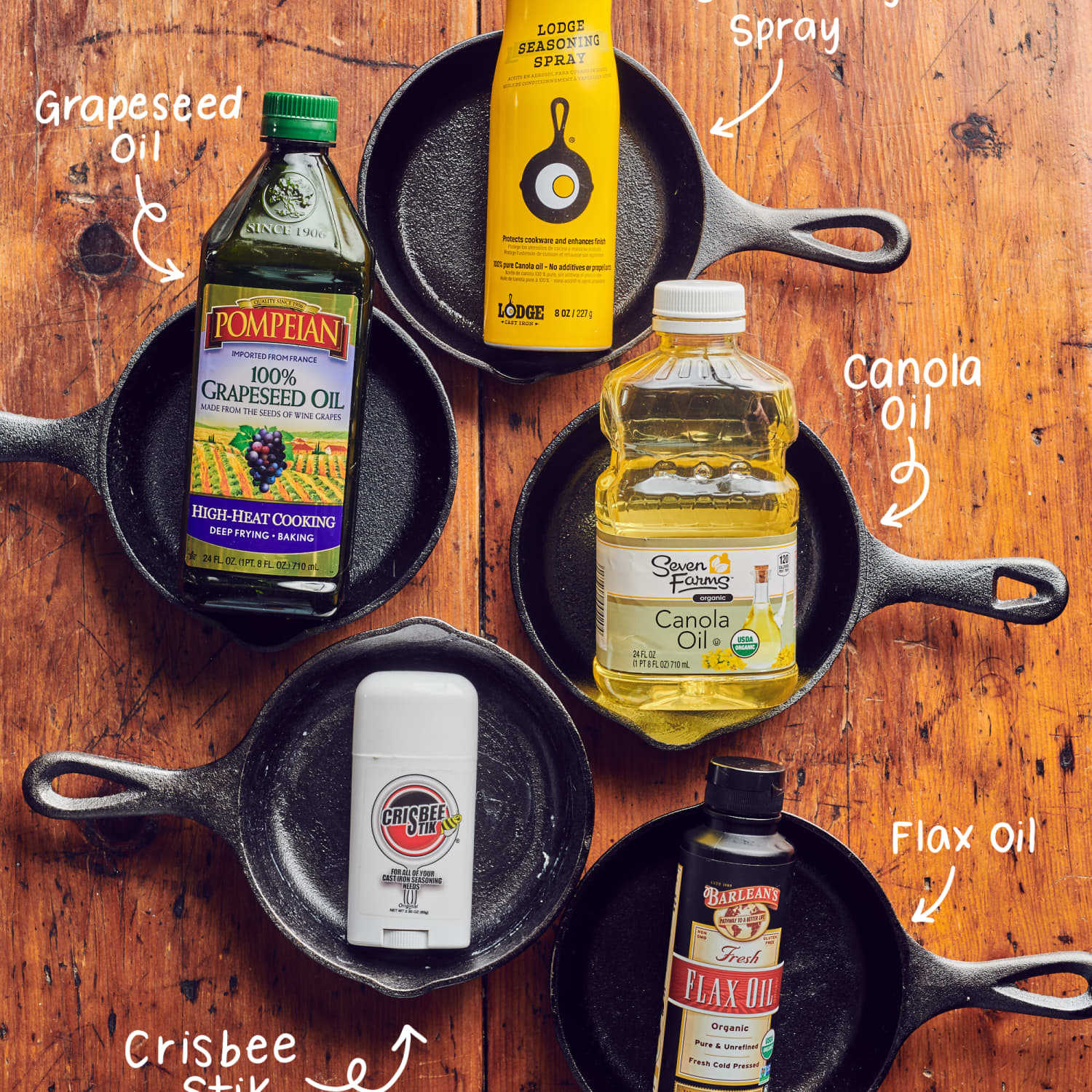
Consider oils with high smoke points. These oils endure high temperatures without breaking down. Vegetable oil, canola oil, and grapeseed oil are excellent choices. They can withstand the heat used in seasoning. This leads to a durable and effective non-stick layer.
Avoid Oils With Low Smoke Points
Avoid oils with low smoke points like butter or olive oil. These oils can smoke or burn during seasoning. This results in a sticky residue on the skillet. They are not suitable for creating a lasting non-stick surface.
Consider Flavor And Availability
Some oils may impart a slight flavor to your skillet. Choose neutral oils if you prefer no added taste. Availability is also important. Choose an oil that’s easy for you to access. It should fit within your budget too.
Using Flaxseed Oil
Flaxseed oil is a popular choice for seasoning cast iron. It creates a hard, smooth surface. This surface resembles a factory-seasoned skillet. However, flaxseed oil can be more expensive. It might be worth the investment for some.
Opt For Affordable Options
Affordable options like vegetable or canola oil are effective. They are widely available and budget-friendly. These oils provide a solid, non-stick surface without breaking the bank.
:max_bytes(150000):strip_icc()/How-to-Season-Cast-Iron-Skillet-3x2-1-bcd280f1703e47e0a59bb62e86a0d53a.png)
Credit: www.allrecipes.com
Prepping The Skillet
Seasoning a cast iron skillet ensures a non-stick surface and longevity. Start by cleaning the skillet thoroughly. Apply a thin layer of vegetable oil, then bake it upside down in the oven at 350°F for an hour. Let it cool completely before use for best results.
Prepping your cast iron skillet is a crucial step to ensure it delivers those deliciously crispy dishes time and time again. This process is about more than just making your skillet look good; it’s about enhancing its performance and longevity. Let’s dive into the essential steps that prepare your skillet for seasoning, starting with cleaning and drying.Cleaning Thoroughly
First things first, a clean skillet is a happy skillet. Scrub your skillet with warm water and a stiff brush. You can use a small amount of mild soap if needed, but avoid harsh detergents that can strip away its natural oils. Stubborn food residue can be pesky. A bit of coarse salt can act as an abrasive to help remove it. Rinse thoroughly to ensure no salt or soap remains. Do you skip this step because it feels tedious? Remember, a well-cleaned surface is key to a successful seasoning process.Drying Completely
After cleaning, drying your skillet thoroughly is non-negotiable. Water is not a friend to cast iron, as it can lead to rust. Use a clean towel to wipe away all moisture. For an extra layer of protection, place your skillet on a low flame for a few minutes. This ensures it is completely dry and ready for the next step. Have you ever found a rusty spot on your beloved skillet? It’s likely due to improper drying. Taking this extra step can save you from that heartache. By following these steps, you’re setting your skillet up for success. Are you ready to move on to the exciting part—seasoning your cast iron skillet? Stay tuned for the next steps in achieving that perfect, non-stick surface.Applying Oil Evenly
Applying oil evenly is crucial for seasoning a cast iron skillet. This process ensures a smooth, non-stick surface. A well-seasoned skillet enhances food flavor and prevents rust. Proper oil application is key to achieving these results. Let’s explore the best ways to apply oil evenly on your skillet.
Using The Right Amount
Too much oil can lead to a sticky surface. It also attracts dust and dirt. Use a small amount, about a teaspoon. This is enough for a standard-sized skillet. Excess oil can pool and create patches. These patches cause uneven cooking. Remember, less is more with cast iron.
Spreading With A Cloth
Use a clean, lint-free cloth. Paper towels can also work well. Dip the cloth in oil and spread it over the skillet. Ensure every part is coated evenly. Don’t forget the edges and handle. These areas need protection, too. Wipe away any excess oil with the cloth. This step helps maintain the skillet’s integrity.
Heating The Skillet
Heating your cast iron skillet is a crucial step in seasoning it. Proper heating ensures an even coat of oil, making the skillet non-stick. This process also protects the skillet from rust and enhances its durability. Before heating, ensure the skillet is clean and dry. This prevents any unwanted residues from burning and affecting the seasoning.
Oven Temperature Settings
Set your oven to 375 degrees Fahrenheit for optimal results. This temperature helps the oil bind to the skillet’s surface. Higher temperatures can cause the oil to smoke, affecting the seasoning. Lower temperatures might not effectively bond the oil. Using the right temperature is key to achieving a smooth, glossy finish.
Heating Duration
Heat the skillet for about one hour. This duration allows the oil to penetrate the iron surface. It ensures a thorough coating, making the skillet non-stick. Let it cool gradually inside the oven after heating. Sudden temperature changes can cause warping. Repeat the heating process for better results.
Cooling And Repeating
Seasoning a cast iron skillet is a rewarding task. Cooling and repeating are vital steps. They ensure your skillet stays non-stick and rust-free. After applying oil and heating, the skillet needs to cool. This helps the oil bond well with the surface.
Allowing To Cool
Once you’ve heated the skillet, let it cool. Cooling lets the oil set properly. Avoid rushing this stage. Quick cooling can cause uneven seasoning. Leave the skillet in a safe spot. Let it reach room temperature naturally. This steady cooling strengthens the seasoning layer.
Repeating The Process
Seasoning isn’t a one-time task. Repeat the process regularly. Each round builds a stronger non-stick surface. Over time, your skillet becomes more efficient. Regular seasoning prevents rust and improves cooking results. Aim to season after every few uses. This keeps the skillet in top shape.
Credit: www.thekitchn.com
Maintaining Seasoning
Properly seasoning a cast iron skillet enhances its durability and non-stick properties. Start by cleaning the skillet thoroughly with hot water and a soft sponge. Then, apply a thin layer of vegetable oil and heat the skillet in the oven at 375°F for an hour.
Maintaining the seasoning on your cast iron skillet is essential for its longevity and performance. A well-seasoned skillet not only enhances the flavor of your dishes but also prevents food from sticking and protects the skillet from rust. If you’ve ever struggled with cleaning or preserving your cast iron, you’re not alone. Many home cooks find it challenging to keep their skillets in top condition. Let’s dive into some practical and easy ways to maintain that perfect seasoning on your beloved cast iron skillet.Regular Cleaning
Regular cleaning is key to maintaining your skillet’s seasoning. After each use, let the skillet cool down a bit and then wipe it with a paper towel. This removes food residues and excess oil. Rinse it with hot water and use a brush or a non-abrasive scrubber to gently clean the surface. Always dry your skillet immediately to prevent rust. You can place it on a stove over low heat for a few minutes to ensure all moisture evaporates.Avoiding Soap
Using soap on your cast iron skillet can strip away the seasoning layer. Instead, opt for a gentle scrub with coarse salt and a little water. Salt acts as an abrasive to remove stuck-on bits without harming the seasoning. Rinse well and dry immediately. If you’re worried about germs, remember that heating your skillet will effectively kill any bacteria. This keeps your seasoning intact and your meals delicious. Maintaining your cast iron skillet doesn’t have to be a chore. With a few simple steps, you can keep it in excellent condition. How do you care for your skillet, and what tips have you found most helpful? Share your thoughts in the comments below!Common Mistakes
Skipping proper cleaning before seasoning can lead to uneven surfaces. Using too much oil creates a sticky layer.
When it comes to seasoning a cast iron skillet, even seasoned cooks can make mistakes. These errors may seem small but can affect the effectiveness of your efforts. Let’s explore common mistakes that can turn your skillet seasoning into a frustrating experience rather than a fulfilling one.Using Too Much Oil
Adding too much oil is a common mistake. It’s easy to think more oil equals better seasoning, but this isn’t true. Excess oil can lead to a sticky residue instead of a smooth, non-stick surface. Have you ever had a skillet that felt tacky to the touch after seasoning? That’s likely due to too much oil. Instead, use a thin layer, just enough to lightly coat the skillet. Rub it in with a paper towel until it looks almost dry. This ensures an even, smooth finish without a greasy feel.Skipping Preheating
Another frequent misstep is skipping the preheating step. You might think it’s unnecessary, but preheating helps open the skillet’s pores, allowing the oil to penetrate better. Think of it like warming up before a workout. It prepares the skillet for seasoning, making the process more effective. Without preheating, the oil may not bond properly, leading to uneven seasoning. Always preheat your skillet on the stove or in the oven before applying oil. It only takes a few minutes but makes a significant difference in the long run. Have you ever wondered why your skillet’s seasoning doesn’t last? These small adjustments might be the key. By avoiding these common mistakes, you ensure a long-lasting, non-stick surface that enhances your cooking.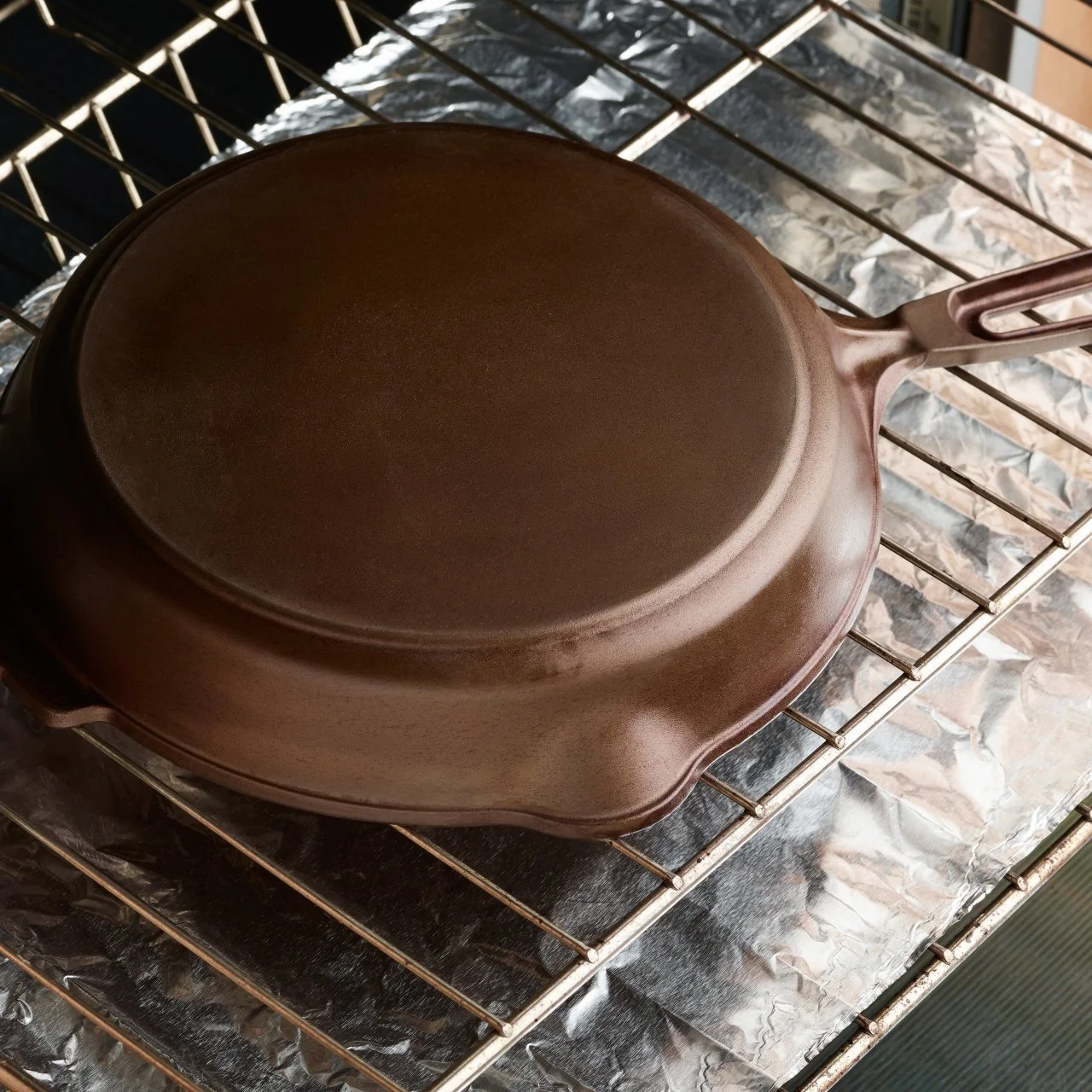
Credit: www.foodnetwork.com
Expert Tips For Longevity
Cast iron skillets are beloved kitchen staples known for their durability and exceptional cooking performance. But how can you ensure that your cast iron skillet lasts for generations? The secret lies in understanding how to season your skillet and store it properly. These expert tips can significantly extend the lifespan of your trusty kitchen companion.
Seasoning Regularly
Regular seasoning is crucial for maintaining your cast iron skillet’s non-stick surface. After cooking, clean your skillet with warm water and a gentle brush. Avoid soap, as it can strip away the seasoning.
Once clean, dry your skillet thoroughly to prevent rust. Apply a thin layer of vegetable oil or flaxseed oil over the entire surface. Use a paper towel to spread the oil evenly, then heat the skillet in the oven at 350°F (175°C) for an hour.
Allow it to cool completely before storing. This process not only protects your skillet but also enhances its cooking performance. Remember, a well-seasoned skillet is a joy to use.
Proper Storage
How you store your cast iron skillet can affect its longevity. Store it in a dry place to prevent moisture build-up, which leads to rust. Consider placing a paper towel between stacked skillets to absorb any residual moisture.
If your kitchen is humid, you may want to keep your skillet in a cabinet with a dehumidifier or silica gel packs. This is especially useful during rainy seasons. These small steps can make a big difference.
Do you have a favorite spot for storing your skillet? Ensuring it’s both accessible and in a safe environment can help maintain its quality. Treat your skillet with care, and it will reward you with years of delicious meals.
As you implement these tips, you’ll notice how your cast iron skillet becomes an increasingly reliable tool in your kitchen. What other cast iron secrets have you discovered? Share them in the comments below!
Frequently Asked Questions
How Do You Season A Cast Iron Skillet Perfectly?
Clean the skillet with warm water and dry it thoroughly. Apply a thin layer of vegetable oil. Preheat the oven to 375°F and place the skillet upside down for an hour. Allow it to cool completely in the oven. Repeat the process for a perfect seasoning.
Should I Season Cast Iron At 350 Or 450?
Season cast iron at 450 degrees for better polymerization of oil. Higher temperatures create a stronger non-stick surface. Ensure the pan is clean before starting. Apply a thin layer of oil, then bake upside down for an hour. Cool completely before use.
This temperature ensures optimal seasoning.
What Is The Best Oil To Season A Cast Iron Skillet With?
Use vegetable oil, canola oil, or flaxseed oil for seasoning a cast iron skillet. These oils have high smoke points, enhancing the skillet’s durability and non-stick surface. Apply a thin layer and heat it to create a protective, smooth coating.
Proper seasoning ensures a long-lasting, efficient cooking surface.
What Should You Not Season Cast Iron With?
Avoid seasoning cast iron with unsaturated oils like canola or corn oil. These oils can turn rancid quickly. Stick to oils with high smoke points, such as flaxseed or grapeseed oil, for optimal seasoning. Avoid butter and lard, as they can leave a sticky residue.
Conclusion
Seasoning a cast iron skillet is simple and rewarding. Start with a clean skillet. Apply a thin layer of oil. Heat it to bond the oil. Repeat for a stronger seasoning. Your skillet will last longer. Food will taste better.
Cooking will be more enjoyable. Regular maintenance is key. Keep your skillet dry after use. Avoid harsh soaps. Patience brings perfect seasoning. Your meals will be delicious. Embrace the process. Enjoy your well-seasoned skillet.
