

Do you ever feel like your scrub brushes aren’t really getting the job done? Or maybe you’ve noticed an unpleasant smell coming from them?
You’re not alone! Keeping your scrub brushes clean is essential for maintaining a hygienic home and ensuring they last longer. Imagine the satisfaction of using a brush that’s as clean as the surfaces you’re scrubbing. In this guide, we’ll reveal simple yet effective techniques to clean your scrub brushes, making them as good as new.
Stick around, because what you’re about to discover will transform your cleaning routine, saving you time and money in the long run. Dive in and learn how you can elevate your cleaning game today!
Types Of Scrub Brushes
Scrub brushes come in various types, each suited for different tasks. Understanding these types helps you choose the right brush for effective cleaning. From the bristles to the handle, each part plays a role in performance.
Natural Vs Synthetic Bristles
Natural bristles are made from animal hair or plant fibers. They are gentle on surfaces, making them ideal for delicate cleaning. They also retain water well, which aids in scrubbing.
Synthetic bristles, made from materials like nylon, are more durable. They resist wear and tear, making them suitable for heavy-duty tasks. They dry quickly and are less prone to harboring bacteria.
Handle Materials
Handles can be made from wood, plastic, or metal. Wooden handles offer a comfortable grip and are eco-friendly. However, they may absorb water and wear out over time.
Plastic handles are lightweight and water-resistant. They are easy to clean and last longer. Metal handles are sturdy and ideal for tough cleaning jobs. But they can be heavier and may rust if not cared for properly.

Credit: kent.ca
Preparation Before Cleaning
Cleaning scrub brushes effectively starts with proper preparation. A few simple steps can make your cleaning process smoother. Begin by organizing your cleaning routine. This saves time and ensures thorough cleaning.
Gathering Cleaning Supplies
Collect necessary supplies before you start. Essential items include mild detergent, warm water, and a clean towel. For tougher stains, a small brush or old toothbrush helps. Keep all items within reach. This prevents interruptions during cleaning.
Safety Precautions
Ensure safety while cleaning. Wear gloves to protect hands from harsh detergents. Avoid splashing water on electrical outlets. Ventilate the area if using strong cleaners. These measures protect your health and keep your workspace safe.
Cleaning Methods
Rinse scrub brushes under warm water to remove loose dirt. Soak them in soapy water for 10 minutes. Use an old toothbrush to scrub bristles and rinse again. Let the brushes air dry completely before storing. Regular cleaning keeps brushes effective and hygienic.
Cleaning scrub brushes is important for maintaining hygiene. Dirty brushes can accumulate germs and debris. Regular cleaning keeps them effective and safe. Discover easy cleaning methods to keep your scrub brushes in top shape.Soaking Techniques
Soaking brushes is a simple way to loosen dirt. Fill a basin with warm water. Add a bit of mild dish soap. Immerse the brushes, ensuring bristles are covered. Let them soak for 15 minutes. This softens dirt and grime. After soaking, rinse under running water. Shake off excess water. Dry them thoroughly before storage.Using Cleaning Agents
For stubborn dirt, cleaning agents work well. Use baking soda for deep cleaning. Sprinkle baking soda on the bristles. Use a toothbrush to scrub gently. Rinse with warm water. For disinfecting, mix vinegar and water. Dip the brush in the solution. Leave for 10 minutes. Rinse thoroughly and dry. These agents help remove bacteria and stains. Regular cleaning keeps brushes effective. Follow these methods for spotless results.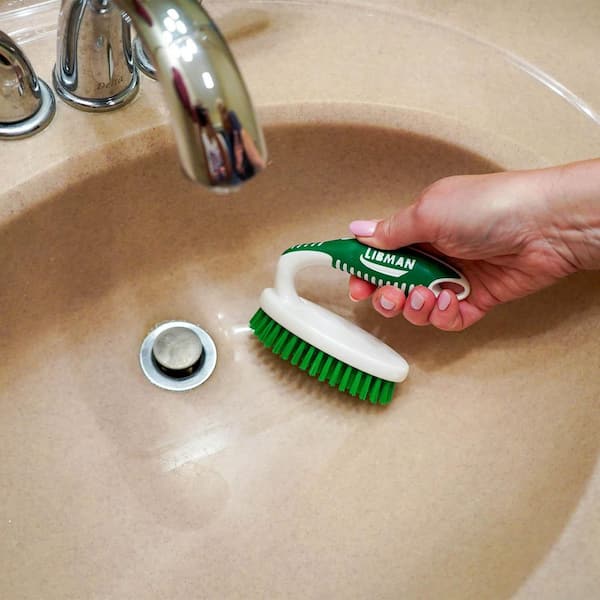
Credit: www.homedepot.com
Drying And Maintenance
Proper drying ensures scrub brushes remain effective and hygienic. Shake off excess water after rinsing, then air dry thoroughly. Store brushes in a dry, ventilated space to prevent mold and odor buildup. Regular maintenance prolongs their lifespan and keeps them ready for use.
Cleaning your scrub brushes is only half the battle. Ensuring they dry properly and are well-maintained can significantly extend their lifespan. Think about the last time you used your scrub brush—did you just toss it into a corner, still damp and covered in soap residue? Proper drying and maintenance are vital for hygiene and effectiveness. Let’s dive into the best practices to ensure your scrub brushes stay in tip-top shape.Proper Drying Techniques
After cleaning your scrub brush, shake off excess water. You want it to be damp, not dripping. Place it in a well-ventilated area, ideally near a window or fan, to allow air circulation. If possible, position the brush bristles down to prevent water from pooling at the base, which can lead to mold growth. Have you considered using a towel or drying mat underneath? This can absorb moisture and accelerate drying.Storage Tips
Once your scrub brush is dry, storing it correctly is crucial. Avoid tossing it into a closed cabinet or drawer while still damp. Instead, opt for a hanging rack or an open shelf where air can circulate freely. Consider using hooks or holders specifically designed for brushes. This not only keeps them dry but also organizes your cleaning space. Have you ever tried labeling your brushes? It keeps your cleaning routine efficient, ensuring you always grab the right tool for the job.Common Mistakes To Avoid
Skipping the rinse process can leave residue on scrub brushes. Using too much soap may damage the bristles. Avoid soaking brushes for long periods to prevent mold growth.
Cleaning scrub brushes might seem straightforward, but it’s easy to make mistakes that can shorten their lifespan or reduce their effectiveness. By avoiding common errors, you can keep your scrub brushes in top condition. Let’s explore some missteps people often make when cleaning their brushes and how you can avoid them.Overuse Of Chemicals
You might think that a good dose of bleach or other strong cleaning agents will get your scrub brushes squeaky clean. But, have you considered how these harsh chemicals can damage the bristles over time? Instead of reaching for bleach, try using mild dish soap or a vinegar solution. Overuse of chemicals not only wears out the brush but can also leave harmful residues. This is especially important if you use the brush for cleaning surfaces where food is prepared. Next time you clean your brushes, remember that sometimes less is more when it comes to chemicals.Improper Storage
Storing scrub brushes in damp or enclosed spaces can lead to mold and mildew growth. Have you ever noticed a musty smell on your brushes? That could be a sign they aren’t drying properly. Ensure your brushes are dried thoroughly before storing them. Hang them up or place them bristles-down to dry. Avoid keeping them in closed cabinets immediately after use. Proper storage can significantly extend the life of your scrub brushes and keep them hygienic for everyday tasks. By steering clear of these common mistakes, you ensure your scrub brushes remain effective and long-lasting. How do you currently clean and store your scrub brushes? Maybe it’s time to rethink your approach and make some changes for the better.Benefits Of Regular Cleaning
Keeping scrub brushes clean helps them last longer and work better. Removing dirt and germs ensures a hygienic cleaning tool. Regular cleaning also prevents unpleasant odors and keeps your home environment healthy.
Cleaning your scrub brushes regularly is not just about maintaining appearances; it’s a smart practice that offers numerous benefits. Consistent cleaning can transform your cleaning routine, making your tasks more efficient and extending the life of your tools. Let’s dive into the specific advantages of keeping your scrub brushes clean.Enhanced Longevity
Regular cleaning of your scrub brushes significantly extends their lifespan. Dirt and grime can wear down the bristles, leading to fraying and breakage. By washing away these particles, you maintain the brush’s integrity and save money in the long run. Imagine investing in a high-quality brush and watching it deteriorate quickly due to neglect. A simple rinse and dry after each use can prevent this, ensuring your brush serves you well for months, if not years.Improved Cleaning Efficiency
A clean brush cleans better. When bristles are clogged with old dirt and debris, they can’t scrub surfaces effectively. Fresh bristles reach deep into crevices, lifting away grime with ease. Consider your own experience: Have you ever noticed how a newly cleaned brush seems to work wonders compared to one that’s been neglected? This is because clean bristles can apply more pressure and reach areas that a dirty brush can’t. Regular maintenance of your scrub brushes ensures they perform at their best every time. This simple habit can save you time and effort in your cleaning routine. So, next time you finish scrubbing, give your brush a quick clean—you’ll notice the difference!Eco-friendly Cleaning Options
Cleaning scrub brushes with eco-friendly methods is simple. Soak them in a mixture of warm water and vinegar. Use a gentle brush to remove dirt, then rinse thoroughly. Let them air dry completely before reuse. This method keeps your brushes clean and kind to the environment.
Cleaning scrub brushes can be eco-friendly, benefiting both your home and the planet. Choosing sustainable options reduces waste and minimizes harmful chemicals. It’s a great way to keep brushes clean while being kind to nature.Natural Cleaning Solutions
Using natural ingredients is effective and safe for cleaning scrub brushes. Vinegar is a popular choice. It disinfects and removes odors. Soak brushes in a vinegar and water solution for a few hours. This helps loosen grime and kill bacteria. Baking soda works well, too. Make a paste with water and scrub the bristles gently. Baking soda is a natural abrasive that lifts dirt without damaging the brush. Lemon juice is another excellent natural cleaner. It has antibacterial properties and leaves a fresh scent. Combine lemon juice with salt for a powerful cleaning paste. Rub this mixture on the bristles to remove stubborn stains. Rinse thoroughly with water afterward.Sustainable Practices
Sustainable practices ensure long-lasting brushes and less environmental impact. Always dry brushes properly after cleaning. This prevents mold and extends their lifespan. Use a towel or hang them in a ventilated area. Consider using biodegradable scrub brushes. They break down naturally and reduce waste. Look for brushes made from bamboo or recycled materials. These options are durable and eco-friendly. Regular maintenance is key. Clean brushes after each use to avoid buildup. This keeps them effective and reduces the need for replacements. By following these practices, you contribute to a healthier planet.
Credit: pumphaircare.com
Frequently Asked Questions
How To Clean Dirty Scrub Brushes?
To clean dirty scrub brushes, soak them in warm, soapy water for 15 minutes. Scrub thoroughly with another brush. Rinse under running water. Disinfect using a vinegar or bleach solution. Allow the brushes to air dry completely before storing. Regular cleaning ensures hygiene and prolongs the brush’s lifespan.
How To Sterilize A Scrub Brush?
Sterilize a scrub brush by soaking it in a solution of one-part bleach to nine parts water. Let it sit for 10 minutes, rinse thoroughly with hot water, and air dry completely. Regular cleaning prevents bacteria buildup and keeps the brush hygienic.
Repeat this process weekly for optimal cleanliness.
How Do I Clean My Exfoliating Brush?
Rinse the brush under warm water after use. Apply mild soap and gently scrub the bristles. Rinse thoroughly and shake off excess water. Let it air dry in a ventilated area. Regular cleaning prevents bacteria build-up, ensuring effective exfoliation and skin health.
How To Remove Grease From A Scrub Brush?
Remove grease by soaking the scrub brush in warm water with dish soap. Scrub it gently and rinse thoroughly.
Conclusion
Cleaning scrub brushes can be simple and effective. Regular maintenance keeps them fresh and long-lasting. Use warm water and mild soap for best results. Rinse thoroughly to remove all soap residue. Let brushes dry completely before storing. This prevents mold and bacteria growth.
Clean brushes ensure better hygiene and performance. Remember, clean tools lead to cleaner surfaces. Make this a routine for optimal cleaning results. Your home will thank you for it. Keep your scrub brushes in top shape with these easy steps.
Enjoy cleaner spaces with less effort. Stay committed to cleanliness and enjoy the benefits.
