

Ever wondered what makes degreasers so effective at cutting through tough grime and grease? You’re not alone.
Many people reach for these cleaning powerhouses without a second thought, but understanding what they’re made of can give you an edge in choosing the right one for your needs. Imagine having the confidence to select a degreaser that’s not only tough on dirt but also safe for your surfaces.
You might be surprised by the simple yet powerful ingredients that make up these essential cleaning tools. Ready to unlock the secrets behind what makes degreasers so effective? Let’s dive into the fascinating world of degreaser ingredients and discover how they work their magic on stubborn grease and grime.
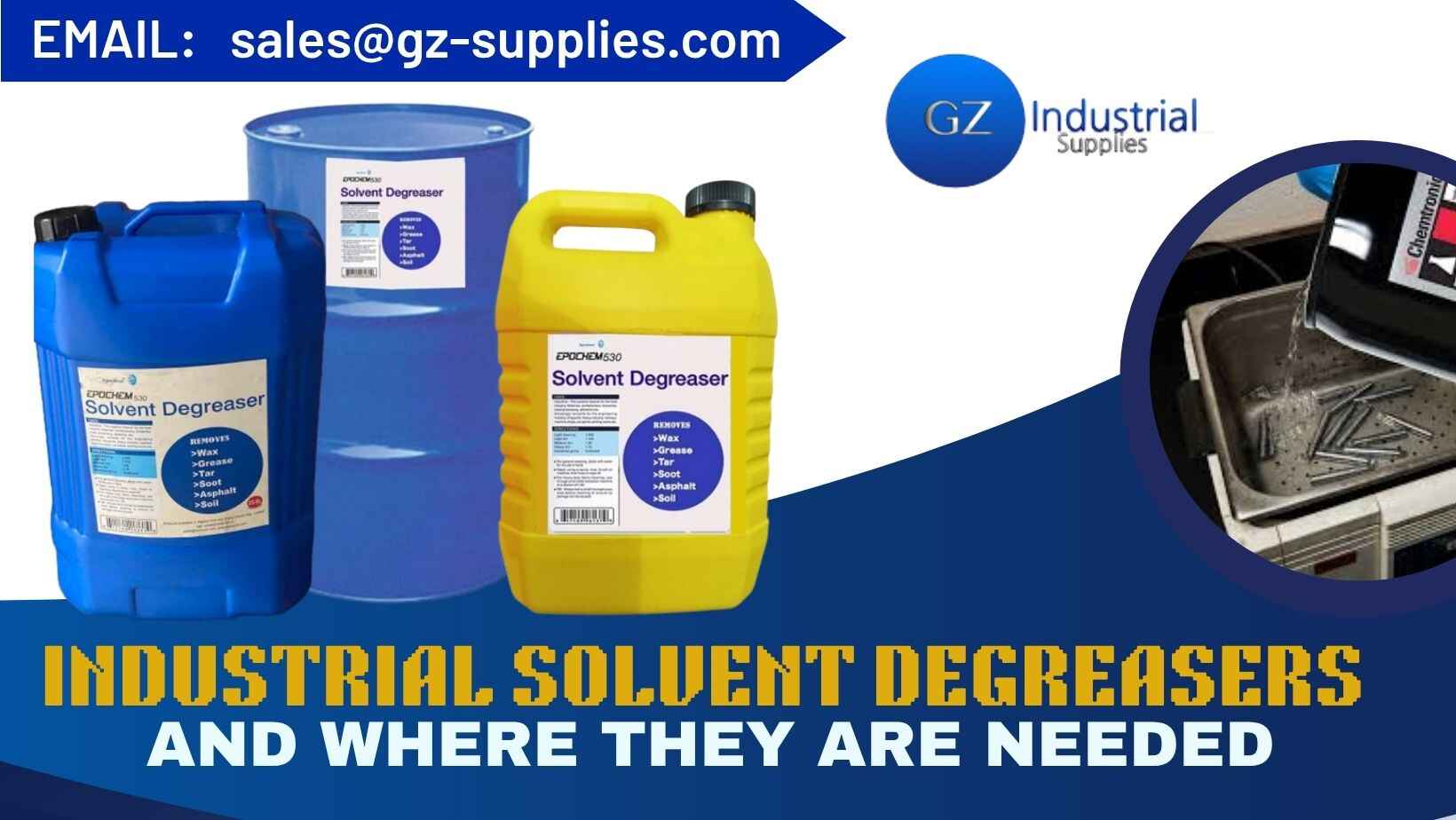
Credit: www.gz-supplies.com
Composition Of Degreasers
Degreasers are made of strong solvents, surfactants, and emulsifiers. These ingredients help dissolve oil and grease. Some formulas include water, while others are solvent-based for tougher jobs.
Understanding the composition of degreasers can help you choose the right product for your cleaning needs. Degreasers are formulated to remove tough grease, grime, and oil from various surfaces. But what exactly goes into these powerful cleaning agents? Let’s break down their composition and uncover the secrets behind their effectiveness.Basic Ingredients
Degreasers typically contain a combination of solvents, surfactants, and additives. Solvents like alcohol or acetone dissolve grease, making it easier to wipe away. Surfactants help break the bond between grease and surfaces, ensuring thorough cleaning.Types Of Solvents
Solvents are crucial in degreasers. They can be organic like citrus-based or petroleum-based, or inorganic such as water or ammonia. Organic solvents are often preferred for their eco-friendly properties and pleasant scents.Role Of Surfactants
Surfactants play a vital role in breaking down grease. They reduce surface tension, allowing the degreaser to penetrate and lift grease from surfaces. This makes cleaning more efficient and less time-consuming.Additional Additives
Some degreasers include additives like corrosion inhibitors or fragrances. Corrosion inhibitors protect metal surfaces from rust, while fragrances leave behind a pleasant smell after cleaning. These extras enhance the user experience without compromising effectiveness.Ph Levels
The pH level of a degreaser can influence its cleaning power. Alkaline degreasers are effective on heavy-duty grease but may require careful handling. Acidic degreasers are less common but can be useful for specific cleaning tasks.Water-based Vs. Solvent-based
Choosing between water-based and solvent-based degreasers depends on your cleaning needs. Water-based options are safer for the environment and often less harsh on surfaces. Solvent-based degreasers, however, offer stronger cleaning power for industrial applications. Each component of a degreaser contributes to its overall performance. By understanding these elements, you can make informed choices to tackle even the toughest cleaning challenges. What type of degreaser will you choose for your next cleaning task?
Credit: www.amazon.ca
Solvents In Degreasers
Understanding what makes degreasers effective requires a closer look at the solvents they contain. These powerful agents are the backbone of degreasers, enabling them to dissolve dirt, grease, and grime effortlessly. Whether you’re tackling a dirty kitchen or a greasy garage, solvents in degreasers play a crucial role in maintaining cleanliness and hygiene.
Role Of Solvents
Solvents are the magical components that break down and dissolve stubborn grease and oil. They penetrate the layers of grime, making it easier for you to wipe it all away. Without solvents, degreasers wouldn’t be nearly as effective in cleaning surfaces. Have you ever noticed how quickly a degreaser works compared to soapy water? That’s the solvent doing its job, cutting through the mess with ease.
Types Of Solvents
Degreasers can contain various types of solvents, each with its unique characteristics and uses. Some common solvents include:
- Hydrocarbon Solvents:Often derived from petroleum, these are powerful in dissolving oil-based grime. They are commonly used in industrial settings.
- Alcohols:Such as ethanol or isopropanol, these are less harsh and often found in household degreasers. They evaporate quickly, leaving surfaces dry and clean.
- Aromatic Solvents:Known for their strong smell, these are effective but should be used in well-ventilated areas.
Choosing the right solvent depends on your specific needs. For instance, if you’re cleaning delicate kitchen surfaces, a gentle alcohol-based solvent might be your best bet. On the other hand, tackling heavy machinery might require the strength of hydrocarbon solvents. What type of solvent do you think would work best for your cleaning challenges?
Surfactants And Their Functions
Degreasers are essential cleaning agents used to break down stubborn grease and grime. A key component in these powerful solutions is surfactants. They play a crucial role in the cleaning process by helping degreasers effectively remove dirt and oils from surfaces. But what exactly are surfactants, and how do they work in degreasers?
Importance Of Surfactants
Surfactants are vital in degreasers because they lower the surface tension between the grease and the surface, making it easier to clean. Think about trying to scrub away a stubborn stain without them; you’d be left with a lot of elbow grease and limited results. Surfactants ensure that degreasers can penetrate and lift away grease with minimal effort.
These compounds are found in various household products, not just degreasers. From shampoos to dish soaps, surfactants are everywhere, proving their indispensability in everyday cleaning tasks. Can you imagine doing your dishes without that helpful lather?
How Surfactants Work
Surfactants work by having a hydrophilic (water-attracting) head and a hydrophobic (water-repelling) tail. This unique structure allows them to surround grease particles, effectively breaking them up and allowing them to be rinsed away. It’s like how a magnet pulls together iron filings—surfactants pull grease away from surfaces.
When you apply a degreaser, the surfactants quickly get to work, attaching to grease molecules and breaking them apart. This process allows water to wash away the loosened particles, leaving surfaces clean and grease-free. Have you noticed how a good degreaser makes cleaning seem almost effortless?
Next time you tackle a greasy oven or car engine, appreciate the science behind those surfactants. They transform a daunting task into a manageable one, showcasing the power of chemistry in our daily lives.
Chelating Agents
Degreasers often contain chelating agents, which help remove grease and dirt by binding metal ions. These agents enhance cleaning efficiency by breaking down complex residues, making surfaces easier to clean.
In the world of cleaning and maintenance, degreasers are essential tools for tackling stubborn grease and grime. What makes them so effective? One crucial ingredient is chelating agents. These powerful compounds play a significant role in breaking down and removing grease, providing a clean and pristine surface.Purpose Of Chelating Agents
Chelating agents are like the secret weapon in your degreaser arsenal. Their main job is to bind with metal ions found in grease and dirt, effectively neutralizing them. This process makes it easier for the degreaser to lift away the grime without damaging surfaces. Have you ever wondered why your kitchen surfaces sparkle after a thorough cleaning? It’s partly due to these chelating agents doing their magic. They ensure that the cleaning process is efficient, leaving no trace of grease behind.Common Chelating Agents
Several chelating agents are commonly used in degreasers, each with unique properties that enhance cleaning power. – EDTA (Ethylenediaminetetraacetic acid) is a popular choice. It’s known for its ability to sequester metal ions, making it effective in hard water conditions. Imagine trying to clean your bathtub only to find residue left behind. EDTA helps prevent this by ensuring minerals in the water don’t interfere with cleaning. – Citric acid, derived from citrus fruits, is another common chelating agent. Not only is it effective, but it also adds a pleasant scent to cleaning products. Have you ever felt refreshed by the citrusy aroma after cleaning your kitchen? That’s citric acid at work, providing both cleaning power and a fresh scent. – Phosphates are often included for their efficiency in breaking down grease and dirt. They work well in heavy-duty applications, such as industrial cleaning. If you’ve used degreasers in a garage or workshop, phosphates likely played a role in cutting through the thick grease. What chelating agents do you encounter in your cleaning routine? Knowing their purpose and common types can help you choose the right degreaser for your needs, ensuring that you achieve the best results every time.Ph Adjusters In Degreasers
Degreasers are essential tools in cleaning tough grime and oil. A crucial component in these solutions is pH adjusters. They regulate the acidity or alkalinity of the formula. This balance plays a vital role in its effectiveness. Understanding pH adjusters helps in choosing the right degreaser for your needs.
Impact On Cleaning Power
pH levels influence how well a degreaser performs. Acidic solutions excel at removing mineral deposits and rust. Alkaline ones break down grease and organic stains efficiently. The right pH level ensures powerful cleaning while protecting surfaces. A well-balanced pH can enhance product performance.
Common Ph Adjusters
Several compounds serve as pH adjusters in degreasers:
- Citric Acid:Lowers pH and adds cleaning strength.
- Sodium Hydroxide:Increases pH for grease removal.
- Phosphoric Acid:Targets mineral deposits effectively.
- Ammonia:A versatile adjuster for various cleaning tasks.
These adjusters work to optimize the cleaning efficiency. Choosing the right one depends on the type of dirt and surface. Understanding their roles aids in selecting the best degreaser.
Additives And Enhancers
Degreasers are often composed of solvents, surfactants, and emulsifiers. These elements break down grease and grime effectively. Their powerful formula targets stubborn stains in kitchens, garages, and industrial settings.
Additives and enhancers play a crucial role in the formulation of degreasers, ensuring they not only clean effectively but also provide an enjoyable user experience and protect the surfaces being cleaned. These compounds are carefully selected to enhance the performance and usability of the product. Have you ever wondered why your degreaser has a pleasant smell or doesn’t corrode your tools?Fragrance Additives
Fragrance additives make using degreasers more pleasant. They mask the typically strong chemical odors with scents like citrus or lavender. This can transform a mundane cleaning task into a more enjoyable experience. Imagine cleaning your greasy kitchen stove and being greeted by the refreshing scent of lemon. It’s a small touch that makes a big difference. Wouldn’t you agree that a pleasant smell can make cleaning feel less like a chore?Corrosion Inhibitors
Corrosion inhibitors are essential for protecting surfaces from damage. They ensure that while the degreaser is tough on grease, it’s gentle on materials like metal and plastic. This extends the life of your tools and appliances. Consider the last time you cleaned your car engine. Without corrosion inhibitors, the metal parts could suffer damage over time. Isn’t it reassuring to know your degreaser is designed to protect as well as clean? Additives and enhancers, from pleasant fragrances to protective inhibitors, make your cleaning process more efficient and enjoyable. What are some other features you appreciate in a cleaning product?Safety And Environmental Impact
Degreasers are typically composed of solvents, surfactants, and emulsifiers. Solvents dissolve grease, while surfactants break down oils, aiding cleaning. Emulsifiers keep dirt suspended for easy removal, reducing environmental impact.
Degreasers play a crucial role in cleaning tasks by breaking down tough grease and grime. Yet, their use raises important questions about safety and environmental impact. It is important to understand how these products affect both users and the environment.Safety Considerations
Using degreasers requires attention to safety. Many contain strong chemicals like solvents or acids. These can be harmful if not handled correctly. Always wear protective gear like gloves and goggles. Ventilate the area well to avoid inhaling fumes. Read labels for specific instructions and warnings. Some degreasers can irritate skin or eyes. Immediate washing with water is necessary if contact occurs. Keep them out of children’s reach to prevent accidental ingestion.Environmental Concerns
Environmental impact is a major concern with degreasers. Certain ingredients can harm aquatic life and ecosystems. Phosphates, for example, lead to water pollution. Many degreasers are not biodegradable. They persist in the environment for long periods. Opt for eco-friendly products when available. They use safer, biodegradable ingredients. Proper disposal of degreasers is essential. Do not pour them down drains or into the ground. Follow local guidelines for hazardous waste disposal. This protects water sources and reduces pollution.
Credit: www.amazon.ca
Frequently Asked Questions
What Is The Main Ingredient In A Degreaser?
The main ingredient in a degreaser is often a solvent like butyl glycol or a surfactant. These components effectively break down grease and oil, making them easier to remove. Degreasers may also contain water, detergents, or other cleaning agents to enhance their cleaning power.
What Should You Not Use A Degreaser On?
Avoid using degreasers on painted surfaces, rubber, plastic, or electronics. They can damage or degrade these materials. Always test on a small area first and follow manufacturer guidelines for safe use.
How To Make Your Own Degreaser?
Mix equal parts of white vinegar and water in a spray bottle. Add a few drops of dish soap. Shake well to combine the ingredients. Spray on greasy surfaces and wipe clean. Avoid using on natural stone surfaces. This homemade degreaser is eco-friendly, effective, and easy to make.
Is Dawn Dish Soap A Degreaser?
Yes, Dawn dish soap is a degreaser. It effectively cuts through grease, making it ideal for cleaning. Known for its powerful formula, it helps remove stubborn oil and grime from various surfaces. Dawn is popular for household and commercial cleaning tasks due to its degreasing properties.
Conclusion
Understanding degreasers helps you choose the right cleaning solution. These powerful products break down stubborn grease. Ingredients vary, including solvents and surfactants. Each component plays a unique role in cleaning. Some degreasers use natural elements. Others rely on strong chemicals for tough jobs.
Always check labels for safety information. Use with care to protect surfaces and skin. A good degreaser makes cleaning easier and faster. Select wisely based on your needs. Whether for home or industry, there’s a perfect degreaser. Stay informed and make smart choices.
Clean efficiently and safely with the right product.
