

Have you ever stood in front of your dishwasher, dishes in hand, wondering, “Is this safe to put in there?” You’re not alone.
Figuring out what’s dishwasher safe can feel like solving a mystery, especially when you want to avoid damaging your favorite kitchenware. With so many materials and labels to consider, it’s easy to feel overwhelmed. But what if you could unlock the secrets to understanding dishwasher safety with confidence and ease?
Imagine saving time and preserving your treasured items with just a few simple tips. In this guide, we will walk you through the essential signs and clues to look for, so you never have to second-guess again. Ready to become a dishwasher detective? Let’s dive in and discover the answers you’ve been searching for.

Credit: www.homedit.com
Identifying Dishwasher Safe Materials
Discovering if an item is dishwasher safe often involves checking for specific symbols on the bottom. Materials like stainless steel and certain plastics usually withstand dishwasher conditions. Avoid placing delicate items, like fine china or nonstick pans, unless they are labeled as safe.
Identifying whether your kitchenware is dishwasher safe can save you a lot of time and prevent accidental damage to your beloved items. Have you ever pulled out a warped or discolored dish after a wash? If so, you’re not alone. Knowing the materials that can withstand the dishwasher is crucial for maintaining your kitchenware in pristine condition. Let’s explore which materials are typically safe to put in the dishwasher and which ones you should keep out.Common Safe Materials
Most stainless steel items can handle the heat and water pressure of dishwashers. This includes cutlery, pots, and pans. Their durability ensures they emerge unscathed, ready for your next culinary adventure. Ceramic and porcelain items are usually safe, especially if they’re glazed. Check for any special markings or labels on the bottom. These often indicate if the item is dishwasher safe. Glassware is generally a safe bet too. However, be cautious with delicate or thin glass. Place them securely to prevent breakage during the wash cycle.Materials To Avoid
Avoid placing aluminum items in the dishwasher. They may develop a dull finish or discoloration. If you cherish your aluminum cookware, hand washing is the better option. Wooden items, like cutting boards and utensils, can warp or crack in the dishwasher. Exposure to heat and water can also strip them of their natural oils. Don’t risk it with delicate china or items with intricate designs. The harsh environment of a dishwasher can damage their detailed artwork. Before you load your dishwasher, take a moment to examine your kitchenware. Is there a dishwasher safe label? If not, consider the material before proceeding. Have you ever regretted washing a cherished item in the dishwasher? Share your experience in the comments!Decoding Manufacturer Labels
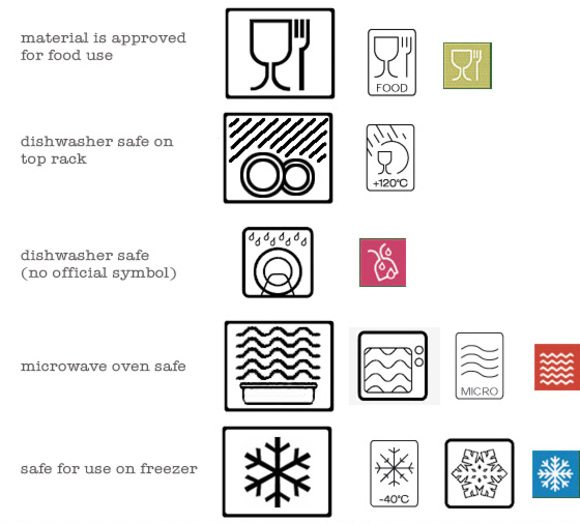
Identifying dishwasher-safe items involves checking manufacturer labels for specific symbols or words. Look for labels with dishwasher icons or phrases like “dishwasher safe” or “top rack only. ” These indicators ensure safe cleaning without damaging your kitchenware.
Decoding manufacturer labels can feel like unraveling a mystery. You might have stood in your kitchen, staring at a new dish or cookware, wondering if it can safely go into the dishwasher. Understanding what manufacturers indicate on labels is key to making this decision without any guesswork.Understanding Symbols
Symbols on labels often look like hieroglyphics but hold essential information. A simple image of a plate with water droplets or lines can indicate that an item is dishwasher safe. Look for these symbols on the bottom or back of your kitchen items. Sometimes, symbols use a combination of images and lines to represent different washing conditions. For example, a cup with water lines might suggest it’s safe for the top rack only. Recognizing these can save your favorite items from damage.Key Label Indicators
Words like “dishwasher safe” might be boldly printed to ensure clarity. But not all items have explicit text, which is where understanding symbols becomes crucial. If a label states “hand wash only,” it’s a clear sign to keep it out of the dishwasher. Some labels might include temperature limits. Seeing a number with a degree symbol can indicate the maximum temperature tolerance. This helps in deciding if an item should be kept away from the high heat of a dishwasher cycle. Have you ever ignored these indicators? Maybe you thought, “It’ll be fine just this once.” Sometimes it works out, but other times, it leads to faded designs or warped plastics. Trusting these labels prevents such mishaps and extends the life of your kitchenware. Next time you buy a new kitchen item, take a moment to inspect the label. Are there symbols you don’t recognize? A quick online search can clarify them, ensuring you never have to guess again. What are your experiences with decoding labels? Have you ever misread one and regretted it? Share your stories and insights to help others avoid similar mistakes.Inspecting Items For Safety
Inspecting items for dishwasher safety is crucial to protect your belongings. Some items might seem dishwasher safe but could be vulnerable to damage. Checking items carefully ensures they remain intact and functional.
Visual And Tactile Cues
Visual inspection is the first step in determining dishwasher safety. Look for symbols indicating dishwasher safety. Often, dishes have a symbol of a dishwasher or water droplets. This symbol is usually on the bottom or side of the item. Inspect the texture and material of the item. Some materials are more prone to heat damage. Plastic can warp or melt. Glass items may crack under high temperatures. Check for any coatings or decorations. These can peel or fade in the dishwasher.
Tactile cues also help identify dishwasher safety. Feel the surface of the item. If it feels delicate or fragile, it might not be safe. Heavier items are generally safer. Lightweight or thin items can be risky. Test the sturdiness by gently bending or pressing. If it bends easily, avoid putting it in the dishwasher.
Testing Unknown Items
Testing unknown items involves placing them in the dishwasher cautiously. Use a lower temperature setting. This reduces the risk of damage. Place the item on the top rack. The top rack is gentler than the bottom rack. Monitor the item closely during the wash cycle. Stop the cycle if you notice any issues. Check the item immediately after the wash cycle. Look for signs of damage, such as cracks or fading. If the item is undamaged, it may be safe for regular dishwasher use. If damage occurs, handwash similar items in the future.

Credit: www.pinterest.com
Expert Insights On Dishwasher Safety
Unsure if a dish is dishwasher safe? Check for labels or symbols indicating dishwasher compatibility on the item. Fragile materials like wood and certain plastics may warp or crack, so handwashing is safer.
When you’re standing in your kitchen, eyeing that beautiful new dish you just purchased, you might wonder, “Is this safe to toss into the dishwasher?” Understanding dishwasher safety can be a bit tricky. But with insights from experts, you can make informed decisions that keep your dishes—and your dishwasher—in top shape.Common Myths Debunked
Many believe that if a dish doesn’t say “dishwasher safe,” it’s automatically not. This isn’t always true. Often, manufacturers simply forget to include the label. If you’re unsure, check with the manufacturer’s website or customer service for guidance. Another myth is that all plastics will warp in a dishwasher. While some plastics may not withstand high temperatures, many modern plastics are crafted to be dishwasher safe. Use the top rack to minimize heat exposure.Expert Recommendations
Experts suggest looking for clear labels on your dishware. This is the easiest way to know for sure. But what if there’s no label? Consider the material. Glass, stainless steel, and some ceramics are generally safe bets. If you have a delicate item, like a wine glass with a thin stem, hand washing might be safer. Experts also recommend testing a small, inconspicuous area first. Place a dish in the dishwasher and see how it holds up. This can save you from potential heartbreak over a prized possession. Ever accidentally put a hand-painted mug in the dishwasher, only to find it faded? Experts advise erring on the side of caution with handmade or artisanal pieces. Hand washing might take a bit more time, but it’s worth preserving those unique items. So, how do you decide what’s dishwasher safe? Do you rely on labels or personal experience? Your approach can make all the difference in keeping your kitchenware looking its best.Effects Of Dishwashing On Different Materials
Knowing if your dishes are dishwasher safe can be a real puzzle. The effects of dishwashing on different materials vary widely. Some materials may shine after a cycle, while others might not fare as well. Understanding these differences can save your dishes from unexpected wear and tear.
Metal And Glassware
Metal items like stainless steel utensils generally do well in the dishwasher. However, it’s essential to check if your metal is coated or painted. Dishwashing might chip away at these surfaces, leaving them vulnerable to rust.
On the other hand, glassware tends to thrive in the dishwasher. The high temperatures help in removing stains and spots. But, delicate glass items can break if not positioned carefully. Have you ever heard that clink, followed by dread, when loading glass items?
Plastics And Ceramics
Plastics can be tricky. While many are labeled dishwasher safe, they can warp under high temperatures. Always check for a label, and consider placing them on the top rack where the heat is less intense.
Ceramic dishes often hold up well, but those with intricate designs can fade over time. The abrasive nature of dishwasher detergents may cause these designs to lose their vibrancy. Do you want to risk losing that cherished pattern on your favorite mug?
Understanding these effects can help you make informed choices. Next time you’re cleaning up after dinner, think about how each material might react. Will it emerge gleaming, or will you regret not washing it by hand?
Credit: athome.kimvallee.com
Tips For Protecting Your Dishware
Identifying dishwasher-safe items protects dishware. Look for symbols like a dishwasher icon or words like “dishwasher safe” on the bottom. Avoid washing delicate materials like fine china or wooden utensils in the dishwasher to prevent damage.
Protecting your dishware while ensuring cleanliness is a balancing act many of us face every day. You might wonder if a particular item is safe for the dishwasher or if it should be hand-washed. Making the right choice can prolong the life of your dishes and save you from unexpected damage. Here are some practical tips to help you care for your dishware effectively.Proper Loading Techniques
Proper loading can make a world of difference. Ensure that items are spaced adequately to avoid knocking against each other. Plates should be placed in the slots designed for them, while cups and glasses go on the top rack to avoid breakage. Have you ever found a glass with a chipped rim? This often happens from overcrowding or incorrect placement. Consider the material of each item. Delicate items like fine china and crystal should typically not go in the dishwasher. When in doubt, hand-wash these items to preserve their integrity. Also, remember to load plastics on the top rack to prevent them from warping due to high temperatures.Alternative Cleaning Methods
Not everything is meant for the dishwasher, and that’s okay! Hand-washing is a reliable option for those cherished pieces. Use mild dish soap and warm water, and always dry with a soft towel to prevent water spots. For stubborn stains or residue, a baking soda paste can work wonders. Simply mix baking soda with a little water, apply it to the affected area, and let it sit for a few minutes before scrubbing gently. Have you tried using white vinegar for glassware? It can help remove cloudiness, leaving your glasses sparkling clean. Dishware with decorative patterns or metallic accents may require extra care. You don’t want to see those lovely designs fade or peel away. Opt for a gentle hand-wash to keep them looking their best. By taking these steps, you can maintain the beauty and functionality of your dishware for years to come. What are some of your go-to methods for keeping your dishes in top condition? Your insights could help others facing the same challenges.Frequently Asked Questions
What Is The Symbol For Being Dishwasher Safe?
The dishwasher safe symbol typically features a plate or glass with water droplets above it. Sometimes, it includes diagonal lines representing water spray. This icon indicates that the item can be safely cleaned in a dishwasher without damage. Always check the item’s label for specific dishwasher safety guidelines.
What Does The Not Dishwasher Safe Symbol Look Like?
The “not dishwasher safe” symbol often features a crossed-out dishwasher or water droplets. It indicates items unsuitable for dishwasher cleaning. Always check product instructions for specific care details to ensure longevity and prevent damage. Recognizing this symbol helps maintain the quality of your kitchenware.
What Determines Dishwasher Safe?
Dishwasher safe items withstand high temperatures and detergent without damage. Manufacturers label these items based on material durability. Common materials include glass, stainless steel, and certain plastics. Always check labels or packaging for dishwasher-safe markings. Avoid washing delicate or heat-sensitive items in dishwashers to prevent damage.
How To Know If Plastic Can Go In The Dishwasher?
Check for a “dishwasher safe” label on the plastic item. Avoid dishwashing thin or flexible plastics.
Conclusion
Understanding dishwasher safety is essential for preserving your kitchen items. Always check labels for dishwasher-safe symbols. Consider the material before placing items in the dishwasher. Plastics and delicate items often need hand washing. Glass and metal are usually safe but inspect for damage or wear.
Keep in mind, some items may lose color or finish over time. Regularly examine your kitchenware to ensure it remains in good condition. With these tips, you can maintain your kitchen items and avoid unnecessary damage. Remember, careful inspection prevents costly replacements and keeps your kitchen running smoothly.
