
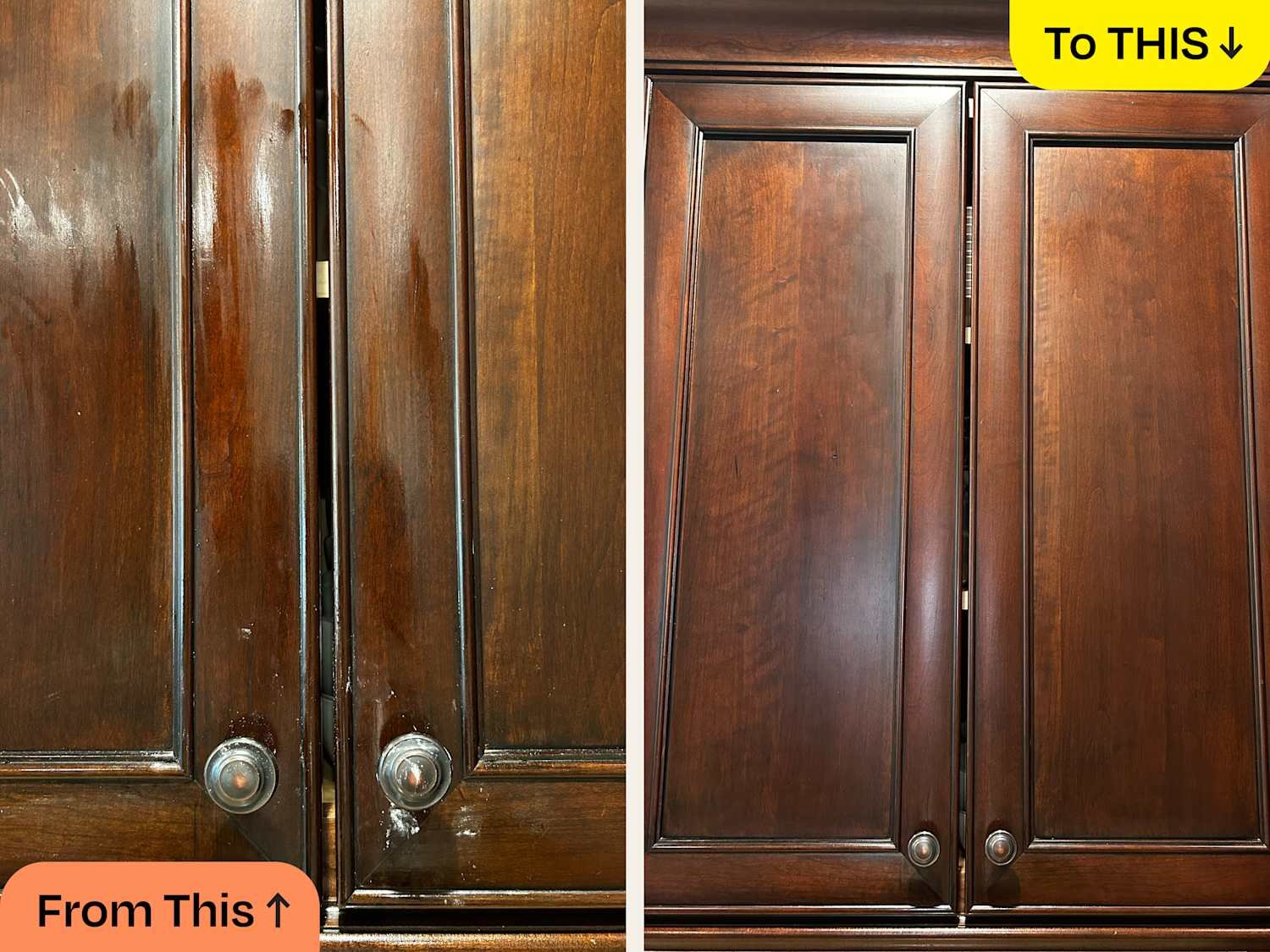
Is your kitchen looking a little less sparkling than you’d like? When was the last time you gave your kitchen cabinets a good, thorough wash?
You might not realize it, but those cabinets can accumulate more grime and grease than you think. It’s time to give them the attention they deserve and restore the heart of your home to its gleaming glory. Cleaning kitchen cabinets may seem like a daunting task, but with the right techniques and a little elbow grease, you can make them look brand new.
Stick around, and we’ll reveal the best way to wash your kitchen cabinets, leaving them spotless and your kitchen feeling fresh. Imagine the satisfaction of seeing your kitchen shine and the pride of knowing you did it yourself. Ready to roll up your sleeves and uncover the secrets to pristine cabinets? Let’s dive in!
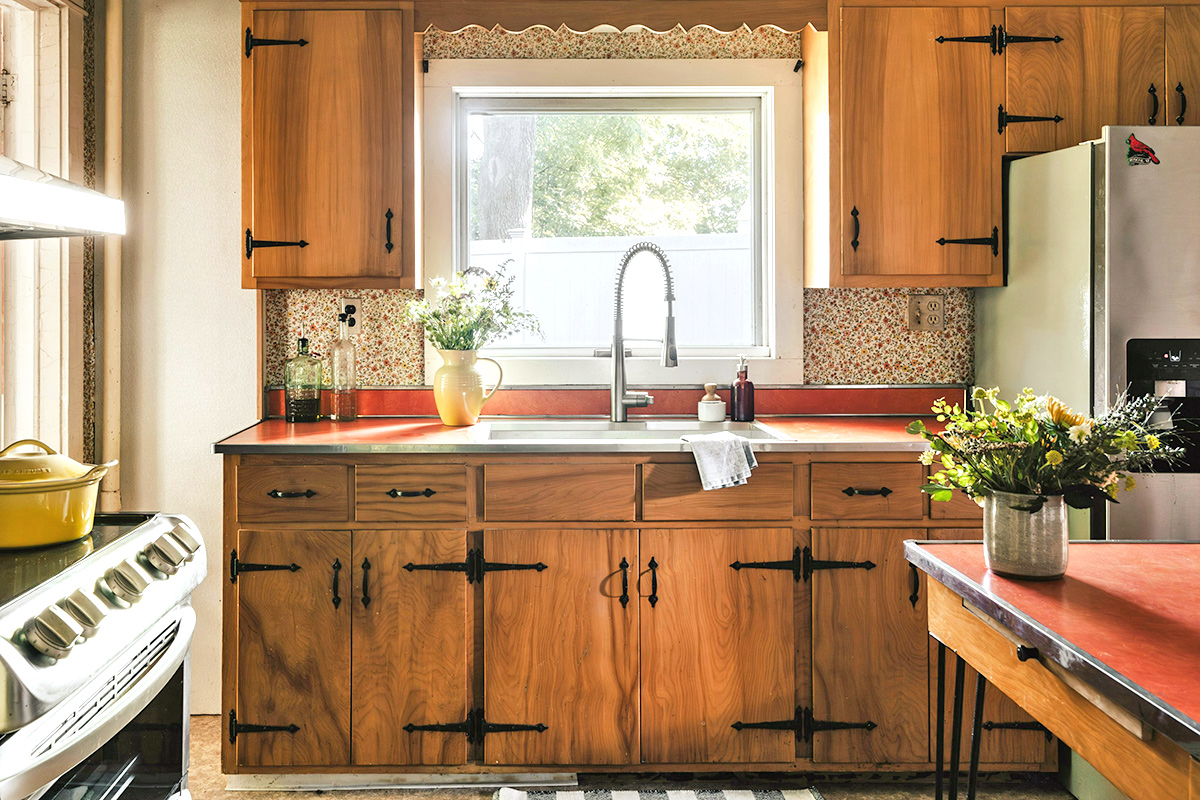
Credit: houseoutlook.com
Preparation Steps
Start by emptying the cabinets and removing any shelf liners. Dust the surfaces with a microfiber cloth to remove loose dirt.
Preparing to wash your kitchen cabinets might seem like a simple task, but a few strategic steps can save you time and effort. Proper preparation ensures that the cleaning process is effective and that no damage is done to your cabinets or surrounding areas. Before you dive into cleaning, take a moment to organize your approach for the best results.Gather Cleaning Supplies
Start by assembling all the necessary cleaning supplies. You’ll need a gentle dish soap, a bucket, soft microfiber cloths, and a soft-bristle brush for tougher spots. Don’t forget a step stool if your cabinets reach up high. Consider the type of finish your cabinets have. For wood finishes, a specialized wood cleaner might be more suitable. Also, grab some rubber gloves to protect your hands from cleaning agents. Having everything you need within arm’s reach will streamline the process, making it less of a chore. Plus, you won’t have to run back and forth searching for supplies mid-task.Protect Surrounding Areas
Before you start scrubbing, safeguard the areas around your kitchen cabinets. Lay down old towels or drop cloths to catch any drips or spills. This will protect your countertops, floors, and any nearby appliances from accidental damage. If your cabinets are near an open window or door, close them to prevent dust from settling on freshly cleaned surfaces. Also, consider removing any decorative items or small appliances from the countertops to avoid splashes. Taking these precautions not only keeps your kitchen tidy but also minimizes cleanup time afterward. Have you ever had to clean twice because of unexpected messes? A little foresight can go a long way in ensuring a smooth cleaning experience.
Credit: www.express.co.uk
Choosing The Right Cleaning Solution
Cleaning kitchen cabinets effectively starts with choosing the right cleaning solution. It’s crucial to find a balance between strength and gentleness to maintain their appearance and longevity. The decision often boils down to whether you should go natural or opt for commercial products, and how these choices interact with different cabinet materials.
Natural Vs. Commercial Products
Have you ever opened your kitchen cupboard, only to find a bewildering array of cleaning products? This can be overwhelming. Natural solutions, like vinegar or baking soda, offer a safe and eco-friendly approach. They are gentle yet effective for regular grime.
Commercial products, on the other hand, often promise a deep clean with powerful ingredients. They can be particularly useful for stubborn stains or grease. However, they might contain chemicals that could affect sensitive cabinet surfaces. So, how do you decide which is best for your cabinets?
Considerations For Different Materials
Not all cabinets are made of the same material, and this matters greatly when choosing a cleaning solution. Wood cabinets, for example, benefit from gentle cleansers to preserve their finish. Vinegar and water mixtures can be excellent here, avoiding harsh chemicals that might strip the varnish.
If your cabinets are laminate or metal, you might lean towards commercial solutions. These materials can handle stronger cleaning agents without damage. Always check the product label to ensure compatibility with your specific cabinet material.
As you navigate through this decision, consider what’s in your pantry versus what’s on store shelves. What works best for your kitchen’s unique needs? Reflecting on this can guide you to a choice that keeps your cabinets sparkling clean and well-preserved.
Cleaning Techniques
For sparkling kitchen cabinets, mix warm water with mild dish soap. Use a soft cloth to gently wipe surfaces. Rinse with clean water and dry with a microfiber towel for a streak-free finish.
Cleaning your kitchen cabinets can transform your cooking space from drab to fab. A well-maintained cabinet not only enhances the aesthetic appeal but also ensures a hygienic environment for your culinary creations. Let’s dive into some cleaning techniques that will help you tackle the grime and stains efficiently.Removing Grease And Grime
Grease and grime are inevitable in a bustling kitchen. But fear not, a simple solution of warm water and dish soap can work wonders. Mix them in a bowl and use a microfiber cloth to wipe down the cabinet surfaces. For stubborn grease spots, consider adding a few drops of vinegar to your solution. Vinegar’s acidic nature helps break down grease effortlessly. Remember to dry the cabinets with a clean towel to prevent any water damage.Addressing Stubborn Stains
Stains are the pesky reminders of spills and splatters. Baking soda can be your ally in this battle. Create a paste using baking soda and water, and gently scrub the stained areas with a soft brush. If the stains persist, try using hydrogen peroxide. Apply it sparingly and ensure you test a small area first to avoid any discoloration. Have you ever found yourself staring at a stubborn stain, wondering if it’s a permanent addition to your cabinet? With these techniques, you can confidently restore their pristine condition.Drying And Polishing
Drying and polishing kitchen cabinets efficiently ensures their lasting shine. After cleaning, use a soft cloth to gently dry surfaces. Follow up with a microfiber cloth to polish, enhancing their natural finish.
Drying and polishing kitchen cabinets ensures they look their best. After cleaning, proper drying prevents water spots and damage. Polishing enhances shine, making cabinets gleam. Let’s explore effective methods for drying and polishing.Proper Drying Methods
Drying kitchen cabinets thoroughly is essential. Use a clean, dry cloth. Wipe in circular motions. This removes any remaining moisture. Air drying can be effective, too. Open windows or use a fan. Ensure all surfaces are completely dry.Enhancing Shine
Polishing brings out the natural beauty. Choose a suitable polish for your cabinet material. Apply a small amount to a soft cloth. Buff the cabinets gently. This creates a smooth, glossy finish. Regular polishing maintains shine and protects surfaces.Maintaining Cleanliness
Keeping kitchen cabinets clean enhances their lifespan and maintains a neat kitchen. Consistent cleaning ensures grime and dust don’t build up over time. By following simple routines, your cabinets will always look their best.
Regular Cleaning Routine
Establish a regular cleaning routine to keep cabinets spotless. Use a soft cloth with mild soap and water for wiping. Dry immediately with a dry towel to prevent moisture damage. Focus on high-touch areas, like handles and edges. Regular cleaning prevents dirt buildup.
Preventative Measures
Preventative measures reduce the need for intense cleaning. Use shelf liners to protect surfaces from spills. Keep cabinet doors closed to minimize dust entry. Avoid placing hot items directly on cabinets. Consider using a gentle polish to enhance shine and protect surfaces.
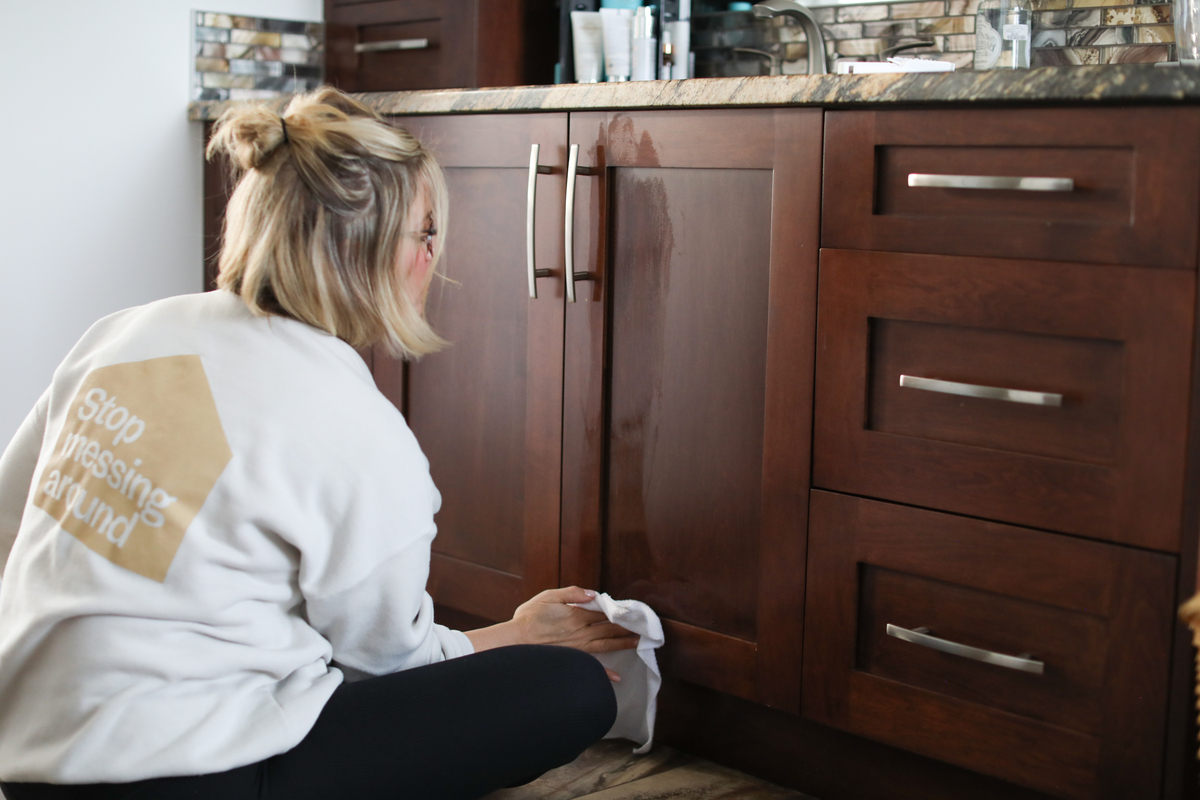
Credit: www.housework.com
Safety Tips
Use gentle cleaners and a soft cloth to prevent scratches on kitchen cabinets. Test any cleaning solution on a hidden area first. Dry surfaces immediately to avoid moisture damage.
Cleaning your kitchen cabinets can breathe new life into your cooking space, but safety should always be a priority. Whether you’re dealing with stubborn grease or everyday dust, taking the right precautions can prevent harm to both you and your cabinets. With simple, practical tips, you can keep the process safe and effective.Handling Cleaning Chemicals
When using cleaning chemicals, always check the label for any safety instructions. Ensure the area is well-ventilated to avoid inhaling fumes—open windows or use a fan. Wear gloves to protect your skin from harsh chemicals. If you’re like me, you might have learned the hard way that even seemingly mild products can cause irritation.Avoiding Damage To Cabinets
Use a soft cloth or sponge to clean your cabinets to avoid scratching the surface. Abrasive materials can leave permanent marks, diminishing their beauty. Test a small, inconspicuous area with your cleaning solution first. This simple step can save you from a mishap if the product is too harsh for your cabinet’s finish. Finally, don’t forget to dry your cabinets thoroughly after cleaning. Excess moisture can warp the wood, leading to costly repairs. Have you ever noticed how water can sneak into tiny crevices? Drying everything well is your best defense. By focusing on safety, you ensure not just a clean kitchen, but a safe and long-lasting one. What other safety tips have you found useful in maintaining your kitchen cabinets?Frequently Asked Questions
What Is The Best Thing To Use To Clean Kitchen Cabinets?
Use a mixture of warm water and mild dish soap to clean kitchen cabinets. It removes grease effectively. For stubborn stains, apply a paste of baking soda and water gently. Avoid harsh chemicals to prevent damage. Regular cleaning maintains cabinet appearance and prolongs lifespan.
Always dry thoroughly to prevent moisture damage.
Is Dawn Dish Soap Good For Cleaning Kitchen Cabinets?
Yes, Dawn dish soap effectively cleans kitchen cabinets. Mix with warm water, gently scrub, and rinse. It removes grease and grime without damaging surfaces. Always test on a small area first to ensure compatibility.
How Do You Clean Kitchen Cabinets Without Removing Finish?
Use a gentle dish soap mixed with warm water. Wipe cabinets with a soft cloth or sponge. Avoid harsh chemicals. Dry with a clean towel to prevent water damage. Regular maintenance keeps the finish intact.
Is It Better To Use A Spray Or Cloth On Wood Cabinets?
Use a microfiber cloth for cleaning wood cabinets. It prevents scratches and removes dust effectively. Avoid sprays with harsh chemicals, as they can damage the finish. Opt for a gentle wood cleaner applied to the cloth for best results. Regular maintenance keeps cabinets looking new and preserves their lifespan.
Conclusion
Keeping kitchen cabinets clean enhances their beauty and longevity. Regular care prevents buildup and stains. Use mild soap and warm water for gentle cleaning. Dry thoroughly to avoid moisture damage. For stubborn grime, baking soda works wonders. Always test products on hidden spots.
Maintain cabinets by wiping spills immediately. This practice saves time in the long run. A clean kitchen feels fresh and inviting. Enjoy cooking in a tidy space. Keep your cabinets looking new with these simple steps. Happy cleaning!
