
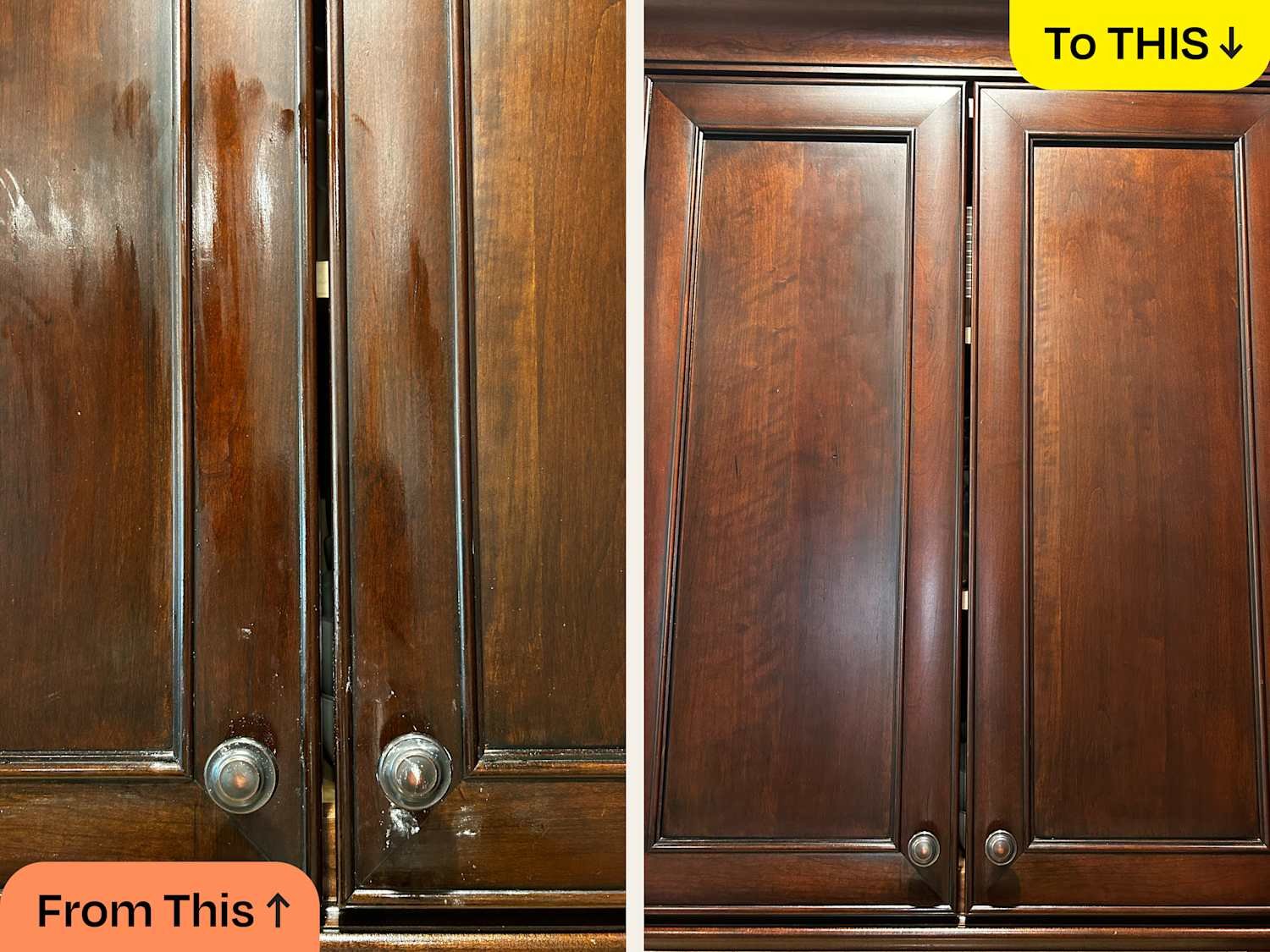
Your kitchen cabinets are more than just storage spaces—they’re the heart of your kitchen’s style and functionality. Over time, grease, dust, and grime can build up, making them look dull and dirty.
You might find yourself wondering, “What’s the best way to clean these cabinets without damaging them? ” You’ll discover simple yet effective techniques to restore your cabinets to their former glory. Imagine opening your cabinet doors to a spotless, fresh-smelling kitchen.
That satisfying feeling of cleanliness is within reach, and it’s easier than you might think. Keep reading to uncover the secrets to maintaining your kitchen cabinets with minimal effort and maximum results.

Credit: lifehacker.com
Choosing The Right Cleaning Products
Selecting appropriate cleaning products ensures kitchen cabinets remain spotless and damage-free. Use gentle cleaners to maintain cabinet finish. Regular cleaning prevents grime buildup and keeps surfaces looking new.
Choosing the right cleaning products is crucial for maintaining kitchen cabinets. The wrong product can damage surfaces or leave residues. It’s vital to understand the differences between natural and chemical cleaners. This knowledge helps in making informed choices for cabinet care.Natural Vs. Chemical Cleaners
Natural cleaners are often safer for the environment. They usually contain ingredients like vinegar, baking soda, and lemon. These items effectively remove grime without harsh chemicals. They are gentle on wood and painted surfaces. Natural cleaners also reduce the risk of allergies. Chemical cleaners are powerful and fast-acting. They can remove tough stains and grease. But, they may contain strong ingredients. These can harm surfaces or irritate skin. It’s important to check labels for suitable surfaces. Some chemical cleaners are designed specifically for wood or laminate.Recommended Brands
Several brands offer reliable cleaning products. These brands focus on both natural and chemical options.- Seventh Generation: Known for plant-based cleaners. Safe and effective for most surfaces.
- Method: Offers non-toxic products with pleasant scents. Good for everyday cleaning.
- Mrs. Meyer’s: Provides aromatherapeutic cleaners. Made with essential oils and natural ingredients.
- Pledge: Specializes in wood care products. Great for polishing and protecting wooden cabinets.
- Lysol: Offers powerful disinfectants. Effective against germs and bacteria in kitchens.

Credit: www.cabinet-corner.com
Pre-cleaning Preparations
Gather cleaning supplies before starting. Remove all items from cabinets to ensure thorough cleaning. Protect surrounding surfaces with a cloth or newspaper.
Cleaning kitchen cabinets can be a transformative task, not just for the sake of hygiene but also for the visual appeal of your kitchen space. Before diving into scrubbing and polishing, setting the stage with proper pre-cleaning preparations can make the entire process smoother and more effective. Think of it as laying the groundwork to ensure that your efforts yield the best results.Emptying Cabinets
Begin by removing all items from your cabinets. This includes dishes, cookware, spices, and any other stored goods. You might find forgotten treasures or expired items during this step. Organize what you plan to keep and discard or donate anything you no longer need. This decluttering will not only make cleaning easier but also refresh your kitchen’s functionality.Protecting Surrounding Areas
Before you start cleaning, safeguard the areas surrounding your cabinets. Use old towels or newspapers to cover countertops and the floor. This simple act prevents cleaning solutions from damaging surfaces and makes cleanup quicker. Imagine the peace of mind knowing your countertops remain untouched by accidental spills. Preparation isn’t just about what you do, but how it sets the tone for a thorough cleaning experience. Are you ready to see your kitchen in a new light?Step-by-step Cleaning Process
Cleaning kitchen cabinets might seem like a daunting task, but breaking it down into a simple step-by-step process can make it much easier and even enjoyable. Whether you’re tackling dust, grime, or stubborn stains, understanding the right methods can save you time and effort. Let’s dive into some effective techniques for sprucing up your kitchen cabinets.
Dusting And Surface Wiping
Start by removing all items from your cabinets. This gives you easy access to all surfaces and ensures nothing gets in the way. Use a microfiber cloth to dust the exterior and interior surfaces. Microfiber is gentle and effective at trapping dust particles without scratching.
Once dusting is complete, mix warm water with a few drops of dish soap for a simple yet effective cleaning solution. Dip your cloth in this mixture and wipe down all surfaces. This will help to remove any grease or sticky residues. Pay special attention to handles and corners where grime tends to accumulate.
Deep Cleaning Techniques
For deeper cleaning, especially if your cabinets have stubborn stains or layers of grease, consider using a vinegar solution. Combine equal parts of vinegar and water in a spray bottle. Spray this solution onto the surfaces and let it sit for a few minutes before wiping it off. Vinegar is excellent for cutting through grease and disinfecting surfaces.
If your cabinets are wooden, using a commercial wood cleaner can be beneficial. These products are designed to clean and protect wood, enhancing its natural shine. Apply the cleaner according to the product instructions, usually with a soft cloth.
Have you ever wondered why some cabinets seem to attract grime more than others? Reflect on the materials and finishes your cabinets have. Understanding these can help you choose the right cleaning method to maintain their beauty and longevity.
Finally, consider applying a wood polish or wax for wooden cabinets. This not only adds shine but also provides a protective layer against future dirt and grime. With these steps, your kitchen cabinets can look as good as new, adding freshness and vibrancy to your kitchen space.
Tackling Tough Stains
Kitchen cabinets face a lot of challenges. Stains are a common enemy. They can make your cabinets look old and dirty. Tackling tough stains needs the right methods. Each stain type requires specific attention. Understanding the stain helps in choosing the right cleaner. Using gentle methods keeps the wood safe and clean. Let’s explore effective ways to handle these stubborn stains.
Grease And Oil Removal
Grease builds up quickly on kitchen surfaces. It sticks to cabinets and becomes hard to remove. Use a mixture of vinegar and water. This solution cuts through grease effectively. Apply it with a soft cloth and gently scrub the affected area. Baking soda can also help. Mix it with water to form a paste. This paste works well on tough grease spots.
Handling Sticky Residues
Sticky residues are often from spilled food or drinks. Warm soapy water is a good starting point. It loosens the sticky texture. Use a sponge or cloth to wipe the area clean. For persistent residues, use rubbing alcohol. It breaks down the stickiness without damaging the cabinet surface. Always test a small area first. This ensures no adverse effects on the finish.
Maintaining Cabinet Finish
Gentle cleaning keeps kitchen cabinets looking fresh. Use a soft cloth and mild soap for everyday dirt. Avoid harsh chemicals to protect wood finishes.
Maintaining the finish on your kitchen cabinets is essential for preserving their beauty and longevity. Regular care can prevent wear and tear, keeping them looking fresh and vibrant for years. But how do you ensure that your cabinets maintain their original charm without causing damage?Polishing And Buffing
Polishing your cabinets can bring out their natural shine and protect them from grime. Use a soft microfiber cloth and a gentle wood polish suitable for the type of finish on your cabinets. Work in small sections, applying the polish in circular motions to avoid streaks. Buffing is equally important to achieve a smooth, gleaming surface. After polishing, use a clean cloth to buff the cabinets, enhancing their luster. Regular polishing and buffing can make a noticeable difference in the appearance of your kitchen.Avoiding Damage
Preventing damage to your cabinet finish is as crucial as cleaning them. Avoid using abrasive cleaners or sponges that can scratch the surface. Instead, opt for mild soap and warm water for everyday cleaning. Be cautious about excess moisture, which can warp or discolor the wood. Wipe spills immediately and ensure the cabinets are dry after cleaning. By taking these preventive measures, you’ll protect your cabinets and maintain their finish longer. Have you ever noticed how small habits, like wiping down cabinets after cooking, can extend their life? It’s the little things you do daily that make a big difference.Organizing Cabinets After Cleaning
Cleaning kitchen cabinets is only the first step. Organizing them afterward ensures a tidy and efficient kitchen. A well-organized cabinet makes meal prep a breeze and reduces stress. Here are some effective strategies to consider.
Efficient Storage Solutions
Use clear containers for dry goods. They let you see contents quickly and keep food fresh. Label each container to avoid confusion. Place frequently used items at the front for easy access. Install pull-out shelves for deeper cabinets. These shelves help reach items in the back without hassle. Consider adjustable dividers for pans and lids. They prevent stacking and make retrieval easy.
Space-saving Tips
Maximize vertical space with shelf risers. They create extra layers for storage. Use hooks on cabinet doors for hanging small utensils. This frees up shelf space for larger items. Stack pots and pans with protective liners to prevent damage. Utilize the back of cabinet doors for spice racks or small items. This keeps them organized and within reach.
Preventative Measures For Clean Cabinets
Regular dusting helps maintain clean kitchen cabinets. Use a mild detergent to wipe away grease and stains.
Preventative measures keep kitchen cabinets looking fresh and clean. Simple steps can avoid buildup of grease and dirt. This ensures cabinets remain in good condition for years. Consistent efforts help maintain their beauty and functionality.Regular Cleaning Schedule
Establish a regular cleaning routine for your cabinets. Wipe down surfaces weekly to remove dust and fingerprints. Use a soft cloth and mild detergent for gentle cleaning. Avoid harsh chemicals that may damage cabinet finishes. Pay attention to handles and edges where dirt accumulates. A consistent schedule prevents tough stains from setting.Using Cabinet Liners
Cabinet liners protect surfaces from spills and scratches. Choose liners that are easy to clean and replace. Measure and cut liners to fit inside drawers and shelves. Liners prevent moisture from damaging cabinet wood. They also make cleaning up spills quick and easy. Select liners that complement your kitchen decor for a cohesive look.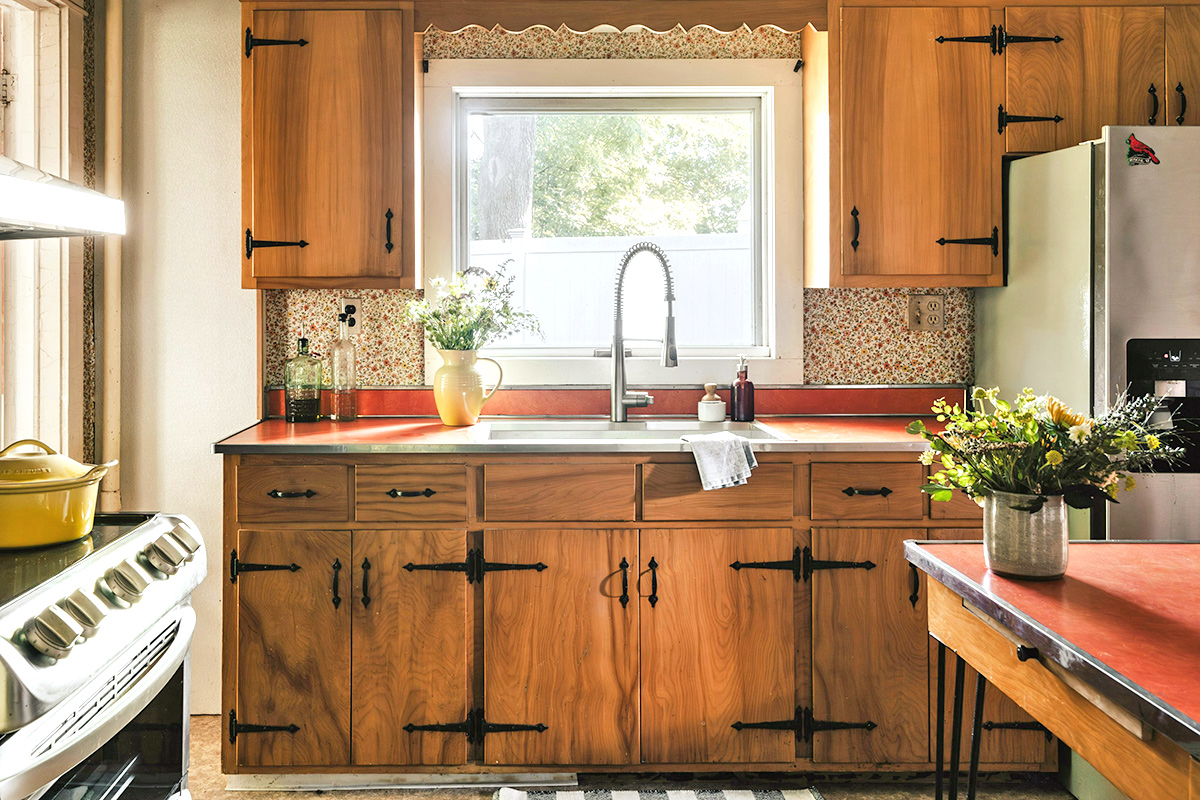
Credit: houseoutlook.com
Expert Advice And Recommendations
Discover effective ways to clean kitchen cabinets with expert advice. Use a gentle soap and water solution for regular cleaning. For stubborn stains, try a mixture of vinegar and water. Always dry thoroughly to prevent damage. Regular maintenance keeps cabinets looking fresh and extends their lifespan.
Cleaning kitchen cabinets can feel like a daunting task. With expert advice, it becomes manageable and even enjoyable. Experts suggest using gentle cleaning agents. These maintain the cabinet’s finish and prevent damage. Regular cleaning ensures cabinets stay fresh and hygienic. Let’s explore some key recommendations from professionals.Common Mistakes To Avoid
Many people use harsh chemicals. These can strip the cabinet’s finish. Avoid using abrasive sponges. They scratch the surface and dull the appearance. Don’t soak cabinets with too much water. It can lead to warping or damage. Always dry cabinets immediately after cleaning.Professional Cleaning Services
Hiring professionals can save time and effort. They use specialized tools and products. These ensure thorough cleaning without damage. Experts know how to handle various cabinet materials. They tailor their approach based on the cabinet type. This ensures optimal care and cleanliness.Frequently Asked Questions
What Is The Best Thing To Use To Clean Kitchen Cabinets?
Use a mixture of warm water and mild dish soap for cleaning kitchen cabinets. This solution effectively removes grease and grime. Use a soft cloth or sponge, gently wiping the surfaces. Avoid harsh chemicals or abrasive materials that might damage the finish.
Regular cleaning maintains cabinet appearance and longevity.
How Do You Clean Kitchen Cabinets Without Removing Finish?
Use a mild dish soap mixed with warm water. Gently wipe cabinets with a soft cloth. Avoid abrasive cleaners. Dry thoroughly with a clean towel. Regular maintenance helps preserve the finish.
What Not To Use To Clean Kitchen Cabinets?
Avoid using abrasive cleaners, steel wool, or harsh chemicals on kitchen cabinets. These can damage the finish and cause scratches. Opt for gentle, non-abrasive cleaners and soft cloths to maintain their appearance and longevity.
Is Dawn Dish Soap Good For Cleaning Kitchen Cabinets?
Yes, Dawn dish soap effectively cleans kitchen cabinets. Mix it with warm water to remove grease and grime. Use a soft cloth for gentle cleaning. Rinse with clean water and dry thoroughly. This method keeps cabinets looking fresh without damaging the finish.
Conclusion
Keeping kitchen cabinets clean is simple with the right approach. Regular maintenance helps prevent stubborn grime and stains. Use gentle cleaners to avoid damaging surfaces. Wipe spills immediately to keep cabinets looking fresh. Organize items to reduce clutter and make cleaning easier.
Don’t forget to clean handles and hinges for a polished look. Try different methods and find what works best for your kitchen. Clean cabinets not only look good but also last longer. Your kitchen deserves care and attention. Stay consistent for a welcoming and tidy space.
