
Keeping your kitchen clean is more important than you might think. It’s not just about looking tidy—your kitchen is where you prepare the food that fuels you and your family.
Imagine avoiding foodborne illnesses, saving money on wasted groceries, and creating meals in a fresh, safe space every day. You’ll discover simple and effective ways to maintain top kitchen hygiene. By following these best practices, you’ll protect your health and make cooking more enjoyable.
Ready to transform your kitchen into a spotless, safe haven? Let’s dive in!

Credit: www.linkedin.com
Clean Surfaces Regularly
Keeping your kitchen surfaces clean is a simple yet powerful way to prevent foodborne illnesses and keep your cooking space inviting. Regular cleaning stops bacteria from spreading and ensures every meal starts on a fresh, safe surface. How often do you really wipe down your kitchen counters or think about what’s lurking on your cutting boards?
Wipe Down Countertops
Countertops are the busiest spots in your kitchen and can quickly become a breeding ground for germs. Use a mild cleaner or a mix of water and vinegar to wipe them down after each meal prep. Pay attention to corners and edges where crumbs and spills often hide.
Try to clean spills immediately to avoid stains and sticky buildup. You’ll notice a fresher smell and a more inviting cooking space right away.
Sanitize Cutting Boards
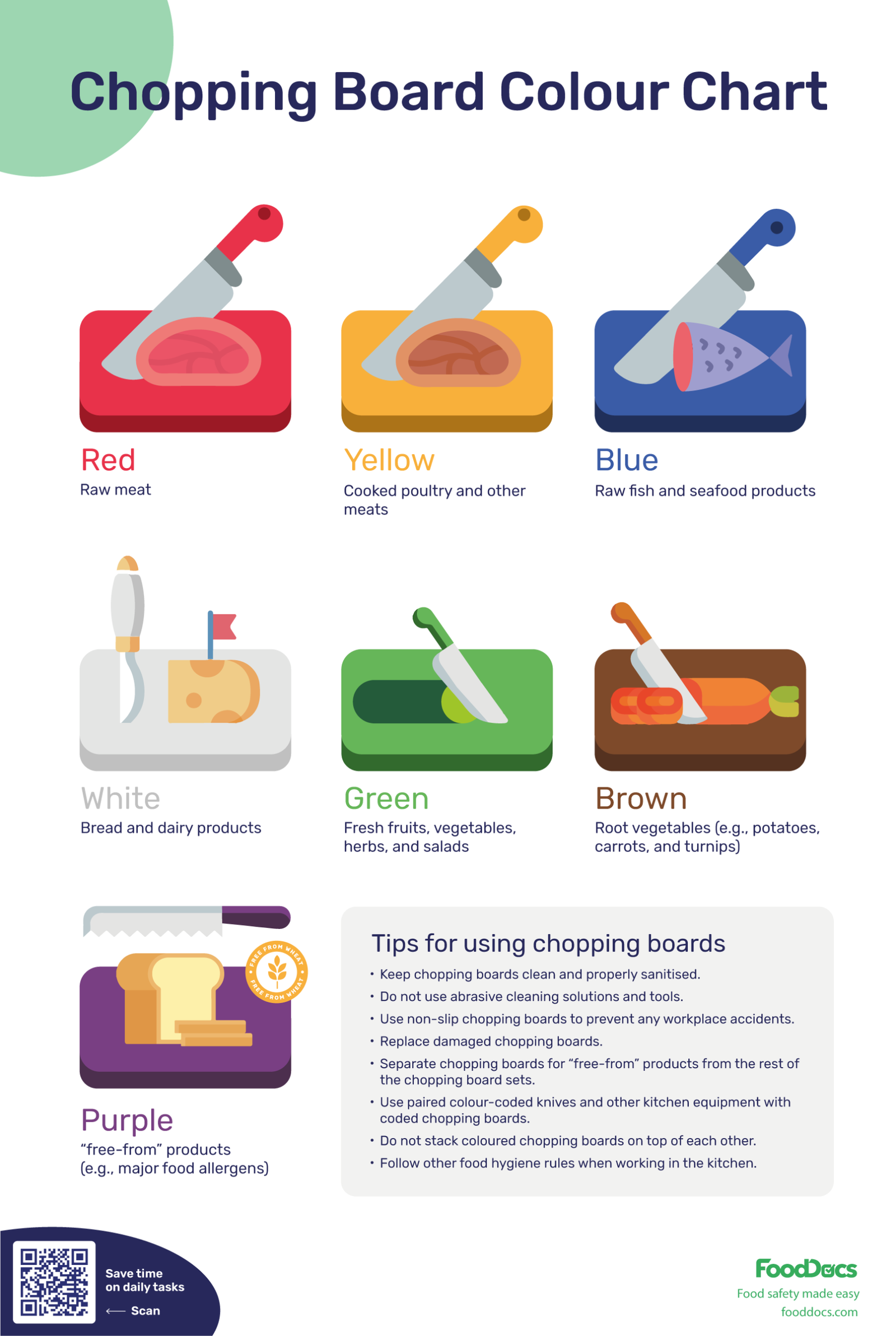
Cutting boards, especially wooden ones, can trap bacteria deep inside. After washing with hot soapy water, sanitize them regularly by rubbing with lemon juice or a diluted bleach solution. Let them air dry completely before storing.
Using separate boards for meat and vegetables can also reduce cross-contamination. Have you checked your cutting boards lately for deep grooves where germs might hide?
Disinfect Kitchen Tools
Knives, peelers, and other tools touch your food directly, so they need extra care. Wash them with hot water and dish soap after each use, then soak in a sanitizing solution occasionally. Avoid leaving tools soaking too long to prevent rust.
Storing tools clean and dry not only prolongs their life but also keeps your food safe. Next time you grab a utensil, think about the last time you gave it a thorough clean.

Credit: www.esfi.org
Proper Food Storage
Proper food storage is essential to keep your kitchen clean and your meals safe. Storing food correctly prevents contamination and spoilage, saving you money and protecting your health. Simple habits in your kitchen can make a big difference in food safety.
Separate Raw And Cooked Foods
Keep raw foods like meat, poultry, and seafood away from cooked or ready-to-eat items. Raw foods carry bacteria that can easily transfer to other foods if they touch or share the same storage space.
Use different containers or shelves in your fridge to store raw and cooked items separately. Have you noticed how storing raw chicken on the bottom shelf stops juices from dripping onto other foods? This small step reduces the risk of cross-contamination dramatically.
Use Airtight Containers
Airtight containers keep food fresh longer by blocking air and moisture. This reduces the chance of mold and bacteria growth, especially in leftovers or cut fruits and vegetables.
Choose containers that seal well and fit your food portions. Clear containers also help you quickly see what’s inside without opening them, which saves time and keeps your fridge organized.
Monitor Expiration Dates
Regularly check expiration dates on all your food items. Expired foods can spoil quickly and sometimes look fine even when unsafe to eat.
Try organizing your pantry and fridge so older items are in front and newer ones go to the back. This way, you use up food before it goes bad. Have you ever tossed out food because you forgot it was hiding behind something else? Keeping track can help reduce waste and keep your kitchen cleaner.
Safe Food Handling
Safe food handling keeps your kitchen clean and your family healthy. It stops harmful germs from spreading. Simple habits prevent foodborne illnesses. Follow key steps to handle food safely every day.
Wash Hands Thoroughly
Clean hands reduce germs on food. Use warm water and soap. Scrub all parts of your hands for at least 20 seconds. Rinse well and dry with a clean towel. Always wash hands before and after handling food.
Use Different Utensils For Raw Meat
Raw meat carries bacteria that can spread easily. Use separate knives, cutting boards, and plates for raw meat. Keep these utensils apart from those used for cooked or ready-to-eat foods. This practice lowers the risk of contamination.
Avoid Cross-contamination
Cross-contamination happens when germs transfer from one food to another. Keep raw foods separate from fresh produce and cooked meals. Store raw meat at the bottom of the fridge to stop drips. Clean surfaces and tools after each use to keep food safe.
Maintain Appliance Cleanliness
Maintaining appliance cleanliness is crucial for kitchen hygiene. Your appliances work hard every day and can harbor bacteria if not cleaned properly. Keeping them spotless not only improves their efficiency but also protects your health.
Clean Refrigerators Regularly
Refrigerators store your food, so they can easily become breeding grounds for germs. Wipe down shelves and drawers weekly with a mild soap solution to remove spills and crumbs. Don’t forget to check expiration dates and toss out spoiled items to prevent odors and contamination.
Have you noticed how a clean fridge smells fresher and helps your food last longer? Regular cleaning prevents mold and keeps your kitchen safer.
Sanitize Microwaves And Ovens
Microwaves and ovens often get splattered with food. Use a damp cloth with a little vinegar or lemon juice to wipe the interior. For stubborn stains, heat a bowl of water with lemon slices inside the microwave for a few minutes to loosen grime before wiping.
Ovens can accumulate grease, which poses a fire risk. Use oven cleaners or a baking soda paste to scrub the interior regularly. Remember, a clean oven heats food more evenly and reduces smoke.
Keep Dishwashers Free Of Residue
Dishwashers can trap food particles and soap scum, leading to unpleasant smells and less effective cleaning. Run an empty cycle with a cup of white vinegar once a month to clear buildup. Also, clean the filter regularly to ensure water flows properly and dishes come out spotless.
Have you ever noticed your dishes aren’t as clean as before? Checking your dishwasher’s cleanliness can make all the difference.
Waste Management
Proper waste management is essential for a clean and safe kitchen. It helps prevent bad odors and pests. It also reduces the risk of contamination and illness. Managing waste correctly keeps your kitchen fresh and hygienic.
Use Covered Trash Bins
Use trash bins with tight-fitting lids to keep waste sealed. Covered bins stop flies and insects from spreading germs. They also prevent odors from filling your kitchen. Clean bins regularly to avoid buildup of bacteria.
Dispose Of Food Waste Promptly
Throw away food scraps quickly to avoid attracting pests. Leaving food waste too long can cause bad smells. Use a compost bin or sealed bag to collect scraps. Empty these containers often to keep the area clean.
Recycle When Possible
Separate recyclable materials like glass, plastic, and paper from regular trash. Recycling reduces waste and helps the environment. Rinse containers before recycling to avoid contamination. Follow local recycling rules to ensure proper disposal.
Pest Prevention
Pest prevention is key to keeping a kitchen clean and safe. Pests like rodents and insects spread germs and damage food. Stopping pests early helps maintain good hygiene and protects health. Follow these simple steps to keep pests out of your kitchen.
Seal Entry Points
Check walls, doors, and windows for small holes or cracks. Seal any openings with caulk or weatherstripping. Use door sweeps to close gaps under doors. Cover vents and drains with screens to block pests. A well-sealed kitchen stops pests from entering your home.
Store Food Properly
Keep food in airtight containers to prevent pest access. Use glass, plastic, or metal containers with tight lids. Store dry goods like flour and cereal in sealed containers. Keep fruits and vegetables in the fridge or covered bowls. Clean up crumbs and spills quickly to avoid attracting pests.
Regularly Inspect Kitchen Areas
Look for signs of pests like droppings or chew marks. Check behind appliances and under sinks often. Clean hard-to-reach corners to remove food scraps. Dispose of garbage daily and keep bins sealed. Early detection helps stop pests before they spread.
Personal Hygiene In The Kitchen
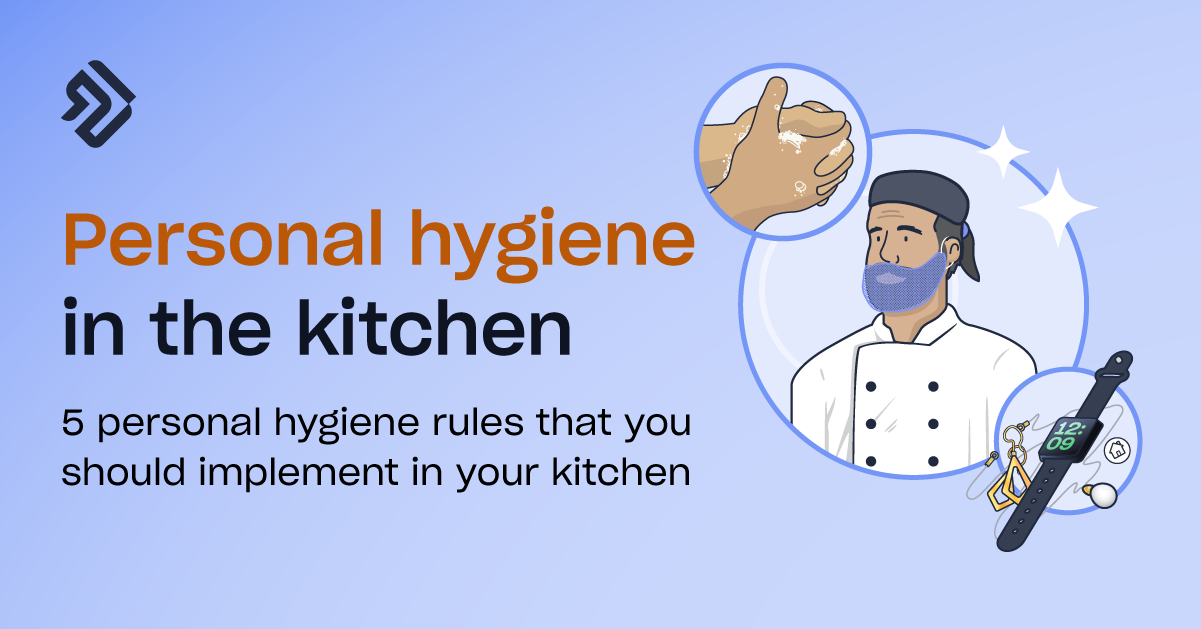
Personal hygiene plays a vital role in keeping a kitchen safe and clean. It helps prevent the spread of germs and food contamination. Good habits protect both the cook and everyone eating the food. Simple actions can make a big difference in kitchen hygiene.
Keep Nails Short And Clean
Long nails can trap dirt and bacteria. They also make washing hands properly harder. Keeping nails short helps stop germs from spreading to food. Clean nails reduce the risk of foodborne illness.
Avoid Touching Face While Cooking
Touching your face transfers oils and germs to your hands. These germs can then contaminate food or utensils. Try to keep hands away from your eyes, nose, and mouth. Use a clean towel or wash hands if you must touch your face.
Wear Clean Clothing
Clothes carry dust, sweat, and bacteria. Wearing clean clothes keeps these away from food. Change clothes if they get dirty or sweaty. Use an apron to protect your clothing and keep the kitchen cleaner.
Credit: www.highspeedtraining.co.uk
Frequently Asked Questions
How Often Should I Clean Kitchen Surfaces?
Clean kitchen surfaces daily to remove germs and food residue. Use disinfectants on countertops, cutting boards, and sinks to maintain hygiene and prevent contamination.
What Is The Best Way To Store Raw Meat?
Store raw meat in sealed containers on the bottom shelf of the fridge. This prevents juices from dripping onto other foods and reduces cross-contamination risks.
How Can I Prevent Cross-contamination In The Kitchen?
Use separate cutting boards for raw meat and vegetables. Wash hands, utensils, and surfaces thoroughly after handling raw foods to avoid spreading bacteria.
Why Is Handwashing Important In Kitchen Hygiene?
Handwashing removes harmful bacteria and prevents the spread of germs. Wash hands with soap and warm water before cooking and after handling raw food.
Conclusion
Keeping your kitchen clean protects your health and food safety. Wash hands and surfaces often. Store food properly to avoid germs. Use separate cutting boards for meat and vegetables. Clean spills right away to stop bacteria. Regularly check and clean appliances.
Small habits make a big difference. A clean kitchen helps you cook better meals. Stay consistent to keep your kitchen safe. Healthy cooking starts with good hygiene. Simple steps create a safer, happier home.
