
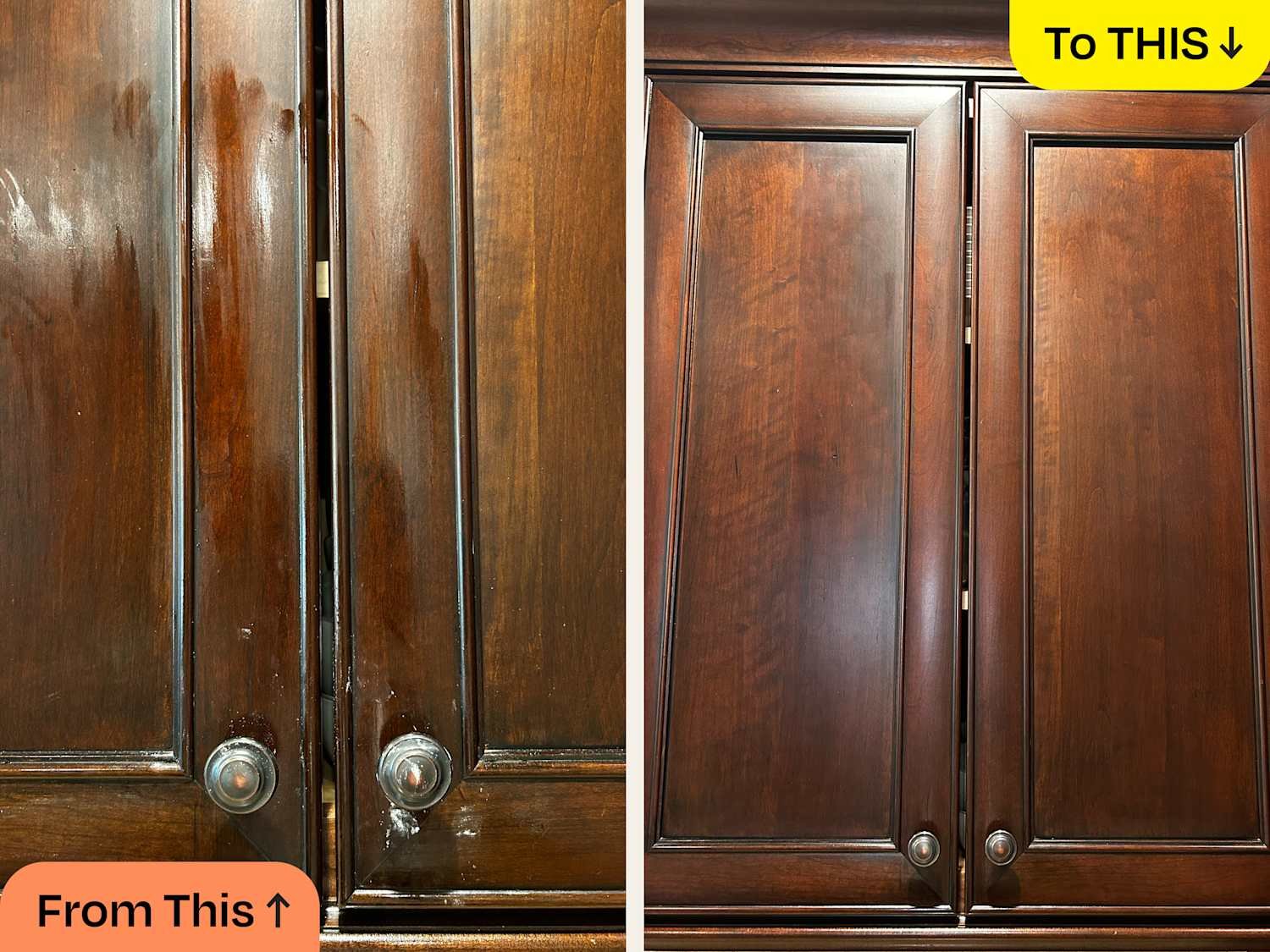
Grease on your kitchen cupboards can be stubborn and frustrating. It makes your kitchen look messy, no matter how often you clean.
You want a quick, easy way to get rid of that sticky buildup without wasting time or harsh chemicals. Imagine opening your cupboards to find them sparkling clean and fresh, with no grease in sight. You’ll discover the best way to clean grease off your kitchen cupboards—methods that really work and are simple to follow.
Keep reading, and you’ll learn how to make your kitchen shine again.
Common Causes Of Grease Buildup
Grease buildup on kitchen cupboards is a common issue that can make your cooking space look dirty and neglected. Understanding what causes this stubborn grease can help you tackle it more effectively. Let’s look at the main reasons grease collects on your cupboards and what types of stains you might be dealing with.
Cooking Residue And Steam
When you cook, tiny droplets of oil and food particles float in the air. These droplets land on your cupboards, especially those near the stove or oven. Over time, they stick to surfaces and mix with steam from boiling water or frying pans, creating a greasy film.
Have you noticed that cupboards closest to the stove get dirtier faster? That’s because steam carries grease particles right to these surfaces. Regularly wiping down cupboards after cooking can stop buildup before it becomes tough to remove.
Types Of Grease Stains
Not all grease stains are the same. Some come from cooking oils, which are oily and sticky. Others come from food splatters like sauces or butter, which can leave thicker, tougher stains.
- Light grease:Thin, oily layers that feel slippery to touch.
- Sticky grease:Mixed with food particles, making it tougher to wipe away.
- Burnt grease:Hardened, dark stains caused by overheating oils or food spills.
Knowing the type of grease stain helps you choose the right cleaning method. Have you ever tried wiping off grease with just water? Often, it won’t work because water can’t break down oil. Instead, you need a cleaner that cuts through these different kinds of grease effectively.

Credit: www.facebook.com
Essential Cleaning Supplies
Cleaning grease off kitchen cupboards requires the right supplies. Using effective products and tools makes the job easier. Choose supplies that remove grease without harming cupboard surfaces. Here are key cleaning supplies to prepare for a grease-free kitchen.
Natural Cleaning Agents
Natural cleaning agents work well on light to moderate grease. They are gentle and safe for many cupboard finishes. Common natural agents include:
- White vinegar – cuts grease and disinfects
- Baking soda – scrubs gently and absorbs odors
- Lemon juice – breaks down grease with natural acids
- Castile soap – mild and effective cleanser
Mix these with water for an easy homemade cleaner. Natural agents avoid harsh chemicals and leave no strong smells.
Commercial Degreasers
Commercial degreasers target tough, baked-on grease. They work fast and require less scrubbing. Choose degreasers designed for kitchen use to protect cupboard surfaces. Look for:
- Non-toxic formulas for safe indoor use
- Biodegradable ingredients for eco-friendliness
- Spray bottles for easy application
Follow the product instructions closely. Test on a small area first to avoid damage.
Tools And Equipment
The right tools help remove grease efficiently. Use soft cloths and sponges to avoid scratching cupboards. Helpful tools include:
- Microfiber cloths – trap grease and dirt well
- Non-abrasive sponges – gentle on surfaces
- Soft-bristled brushes – reach corners and edges
- Spray bottles – apply cleaners evenly
- Rubber gloves – protect your skin
Keep tools clean and dry between uses to prevent bacteria growth.
Step-by-step Cleaning Process
Cleaning grease off kitchen cupboards can be a tough task. A clear, simple process makes it easier. Follow these steps to get your cupboards clean and shiny again. Using the right tools and methods helps remove grease without damage.
Preparation And Safety Tips
Wear gloves to protect your skin from cleaners. Open windows or turn on a fan for good air flow. Remove items from cupboards to access all surfaces. Cover nearby appliances or counters to avoid splashes. Choose a cleaner safe for your cupboard material.
Applying The Cleaner
Spray or apply the cleaner evenly on greasy areas. Let it sit for a few minutes to break down the grease. Avoid soaking the wood to prevent damage. Use a soft cloth or sponge for even coverage. Focus on corners and edges where grease builds up.
Scrubbing Techniques
Use a soft-bristle brush or non-abrasive sponge to scrub gently. Move in small circular motions to lift grease effectively. Avoid harsh scrubbing to protect the cupboard finish. For stubborn spots, repeat the application and scrubbing. Wipe away loosened grease with a clean cloth.
Rinsing And Drying
Wipe cupboards with a damp cloth to remove cleaner residue. Rinse the cloth frequently to avoid spreading grease. Dry surfaces immediately with a clean, dry towel. Ensure cupboards are completely dry to prevent moisture damage. Leave cupboards open for extra drying if needed.

Credit: www.facebook.com
Tackling Stubborn Grease Stains
Grease stains on kitchen cupboards can be tough to remove. They often leave a sticky, oily residue. Cleaning these stains requires the right approach and materials. Using gentle yet effective cleaners helps preserve cupboard surfaces. The goal is to break down grease without damaging paint or wood finishes.
Here are practical ways to tackle stubborn grease stains with easy solutions and tips for stronger cleaners.
Homemade Solutions
Simple ingredients found at home can fight grease effectively. Warm water mixed with mild dish soap often works well. Use a soft cloth or sponge to apply the mixture. Gently scrub the greasy area in small circles. Rinse with clean water and dry with a soft towel.
Other natural cleaners include lemon juice and olive oil. Lemon juice breaks down grease while olive oil nourishes wood surfaces. Apply lemon juice with a cloth, then wipe with olive oil for a polished finish.
Using Baking Soda And Vinegar
Baking soda and vinegar create a powerful cleaning duo. Sprinkle baking soda on greasy spots first. Then spray white vinegar over the baking soda. The mixture will fizz, helping to lift grease from surfaces.
Let it sit for 5 to 10 minutes. Use a damp cloth to scrub the stain gently. Rinse with warm water and dry the cupboard completely. This method is safe for most cupboard materials and eco-friendly.
When To Use Stronger Chemicals
Some grease stains resist homemade remedies. Stronger cleaning products may be necessary in these cases. Choose degreasers labeled safe for kitchen surfaces. Always test on a small, hidden area first.
Use gloves and ventilate the room well. Follow the product instructions carefully. Avoid mixing chemicals to prevent harmful reactions. Strong cleaners should be a last resort for stubborn stains only.
Preventing Future Grease Buildup
Preventing grease buildup on your kitchen cupboards saves you time and effort in cleaning later. It also keeps your kitchen looking fresh and inviting. Small changes in your daily routine and kitchen setup can make a big difference in reducing grease accumulation.
Regular Maintenance Tips
Wipe down your cupboards regularly using a damp cloth and a mild cleaner. Doing this after cooking sessions stops grease from settling and hardening. Try using microfiber cloths—they trap grease better and don’t scratch surfaces.
Set a weekly schedule to deep-clean your cupboards with a gentle degreaser. This habit keeps grease from layering up and becoming tough to remove. Have you noticed how a quick wipe today prevents a stubborn mess tomorrow?
Ventilation And Kitchen Setup
Proper ventilation is key to reducing grease buildup. Use exhaust fans or range hoods while cooking to pull grease particles away from surfaces. If your kitchen lacks good airflow, opening windows or adding portable fans can help.
Position your stove away from cupboards when possible or install a splash guard behind burners. This simple setup tweak limits grease spray directly hitting cupboard surfaces. Could rearranging your kitchen layout make cleaning less of a chore?
Protective Coatings For Cupboards
Applying a protective coating on your cupboard doors creates a grease-resistant barrier. Products like clear polyurethane or specialized kitchen varnishes seal the surface and make wiping easier. Always test a small area first to ensure compatibility with your cupboard material.
Consider using washable wallpaper or contact paper on cupboard fronts for added protection. These materials catch grease and can be replaced periodically. Would a small upfront effort in coating save you from hours of scrubbing later?

Credit: www.facebook.com
Frequently Asked Questions
How Do I Remove Grease From Kitchen Cupboards Naturally?
Use a mix of warm water, vinegar, and dish soap. Apply with a soft cloth and wipe gently. This natural cleaner breaks down grease without harsh chemicals, making cupboards clean and safe.
What’s The Best Commercial Cleaner For Greasy Cupboards?
Look for degreasing kitchen cleaners with citrus or baking soda. These products cut through grease efficiently. Always follow the instructions and test on a small area first to avoid damage.
Can Baking Soda Effectively Clean Grease Off Cupboards?
Yes, baking soda is a mild abrasive that lifts grease. Make a paste with water, apply it, then scrub gently. Rinse with a damp cloth for a fresh, grease-free surface.
How Often Should I Clean Grease From Kitchen Cupboards?
Clean grease buildup every 1-2 weeks to maintain freshness. Frequent cleaning prevents tough stains and keeps cupboards looking new. Regular care saves time and effort later.
Conclusion
Cleaning grease off kitchen cupboards does not have to be hard. Use gentle cleaners and soft cloths for best results. Regular cleaning stops grease from building up again. Small efforts keep your kitchen fresh and bright. Remember, patience and care make a big difference.
Keep your cupboards looking clean and new every day. A clean kitchen feels good and works better. Try these simple steps and enjoy a spotless space.
