
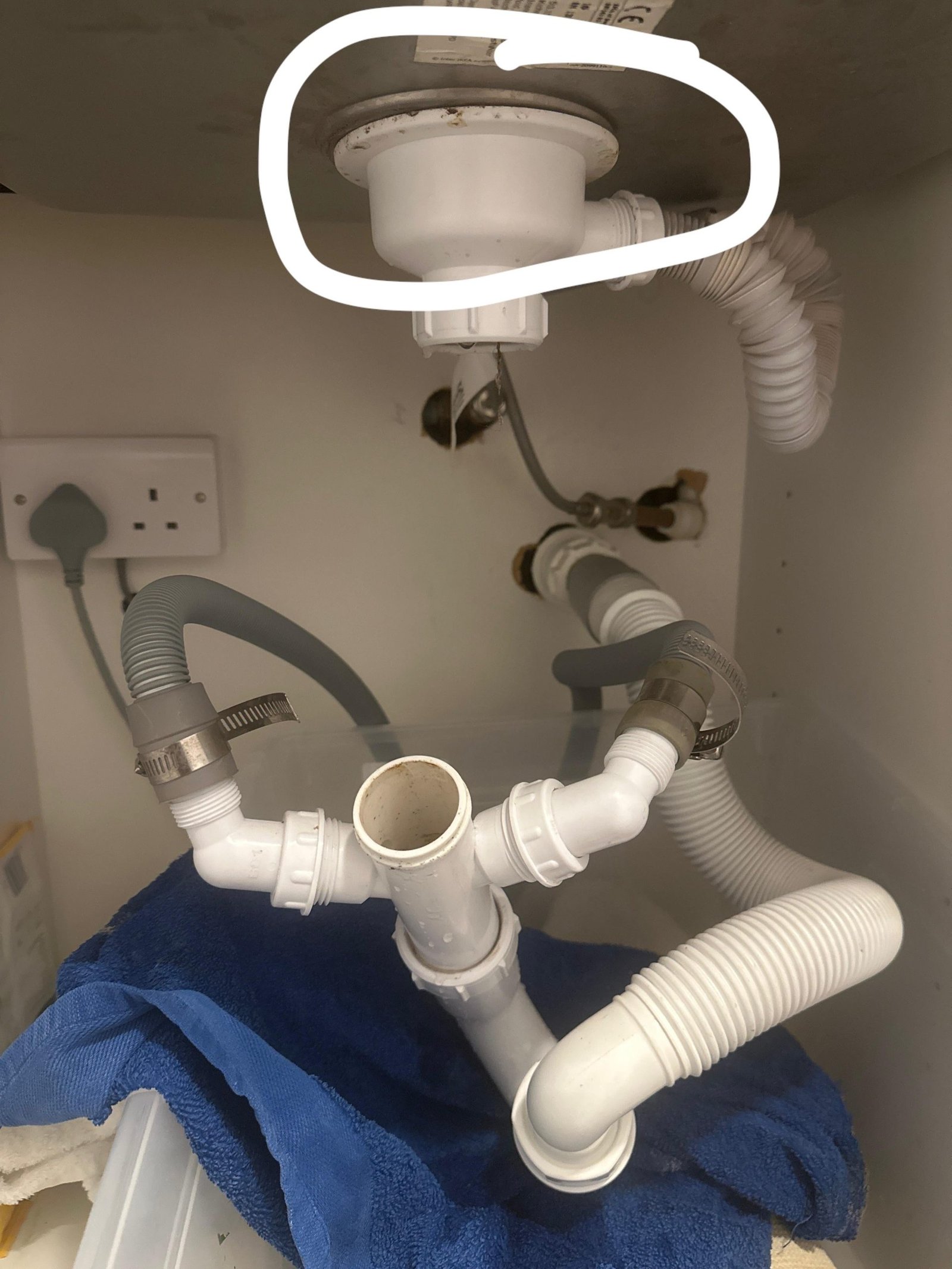
Have you noticed water pooling under your kitchen sink or heard strange dripping sounds? A broken pipe under your kitchen sink can quickly turn from a small leak into a costly problem.
It can damage your cabinets, floors, and even cause mold to grow. You might feel overwhelmed, but understanding what to look for and how to fix it can save you time and money. Keep reading to discover simple steps you can take to spot the issue early and get your kitchen back to normal without stress.
Common Causes Of Broken Pipes
Broken pipes under the kitchen sink cause water leaks and damage. Understanding common causes helps prevent costly repairs. Pipes face different challenges that weaken them over time. Spotting these issues early saves time and money.
Wear And Tear Over Time
Pipes undergo constant use and pressure changes. Small cracks form and grow slowly. Joints and connections loosen with repeated movement. Continuous water flow also erodes pipe walls. Old pipes become fragile and more likely to break.
Corrosion And Rust
Metal pipes often develop rust due to moisture exposure. Rust weakens pipe walls and causes holes. Corrosion blocks water flow and increases pressure. This buildup makes pipes brittle and prone to leaks. Plastic pipes avoid rust but can degrade from chemicals.
Frozen Pipes
Cold temperatures cause water inside pipes to freeze and expand. Expansion cracks or bursts the pipe walls. Frozen pipes often leak once ice melts. Basements and cabinets under sinks are vulnerable. Insulating pipes reduces freezing risks during winter.
Improper Installation
Pipes installed incorrectly stress joints and connections. Wrong pipe size or poor fitting causes leaks. Pipes that move or bend too much crack easily. Lack of support or tight spaces increase damage risks. Professional installation ensures pipes last longer.

Credit: www.reddit.com
Signs Of A Broken Pipe
Detecting a broken pipe under your kitchen sink early saves time and money. Pipes can break silently, causing hidden damage. Watch for clear signs to act fast. These signs help you notice issues before serious problems start.
Water Leaks And Puddles
Water leaking under the sink is a clear sign of a broken pipe. Small puddles or wet spots appear on the cabinet floor. The leak may drip slowly or flow steadily. Check for dampness or water stains around pipes and fittings.
Low Water Pressure
Sudden drop in water pressure can mean a broken pipe. Water flow from the faucet feels weak or inconsistent. A crack or hole in the pipe reduces water supply. Low pressure signals plumbing issues needing immediate attention.
Unpleasant Odors
A foul smell near the kitchen sink may come from pipe damage. Broken pipes let sewer gases escape into your home. Stagnant water or mold growth adds to the bad odor. Smell alerts you to hidden leaks or blockages.
Water Damage And Stains
Look for discoloration on cabinet walls or flooring under the sink. Water damage causes wood to swell, warp, or soften. Stains or mold spots show past or ongoing leaks. These signs point to pipe breaks needing repair.
Tools And Materials Needed
Fixing a broken pipe under the kitchen sink needs the right tools and materials. Having these items ready helps you work faster and safer. It also makes the repair more effective and long-lasting.
Below are the essential tools and materials for this common plumbing task. Each plays a key role in fixing leaks or replacing damaged pipes.
Pipe Wrench And Pliers
A pipe wrench provides strong grip on metal pipes and fittings. It helps loosen or tighten connections without slipping. Pliers are useful for smaller nuts and bolts. They also help hold pipes steady during repair. Both tools are must-haves for pipe work under the sink.
Replacement Pipes And Fittings
Broken pipes need replacement with the correct size and type. Common materials include PVC, copper, or galvanized steel. Matching the pipe diameter ensures a tight fit. New fittings like elbows, couplings, or washers help reconnect the plumbing. Keep extra pieces on hand for a smooth repair.
Pipe Sealant And Tape
Sealants prevent leaks at pipe joints. Pipe thread sealant paste or liquid forms a waterproof barrier. Teflon tape wraps around threads to improve the seal. Use these on threaded fittings to stop drips and water damage. Proper sealing extends the life of the repair.
Bucket And Towels
A bucket catches water trapped in pipes when you disconnect them. Towels help clean spills and dry the area around the sink. Both keep your workspace tidy and reduce slip hazards. Prepare these before starting to avoid messes during the repair.

Credit: www.reddit.com
Step-by-step Quick Fixes
Dealing with a broken pipe under your kitchen sink can feel overwhelming. However, quick and effective fixes are possible if you act fast and know exactly what to do. Let’s walk through clear, actionable steps to stop the leak and prevent water damage before calling in a professional.
Turning Off The Water Supply
The first thing you should do is stop the flow of water. Locate the shut-off valve under your sink—usually a small, round handle or lever—and turn it clockwise until it stops. If you can’t find this valve, turn off the main water supply to your home to avoid further flooding.
Have you ever tried fixing a leak only to realize water was still dripping? Turning off the water completely saves you from that frustrating experience.
Locating The Leak
Once the water is off, inspect the pipes carefully. Look for visible cracks, holes, or loose connections. Don’t forget to check joints and fittings, as leaks often hide there. Use a dry cloth or paper towel to spot damp areas.
Sometimes leaks aren’t obvious. If you spot corrosion or rust on a pipe, it’s a warning sign that a leak might develop soon.
Temporary Patch Solutions
If you need a quick fix before replacing the pipe, several temporary patches can help. Wrap the damaged area tightly with waterproof tape or use a pipe repair clamp if you have one handy. Epoxy putty is another excellent option—it hardens quickly and stops leaks effectively.
- Clean and dry the pipe surface before applying any patch.
- Press firmly to ensure a tight seal.
- Remember, these fixes are short-term; plan for a permanent repair soon.
Replacing Damaged Pipe Sections
For a lasting repair, replacing the broken section is best. Start by cutting out the damaged pipe using a pipe cutter or hacksaw. Measure the removed piece to match the replacement pipe exactly.
Next, fit the new pipe with the appropriate connectors—whether slip joints, compression fittings, or soldered joints. Ensure all connections are tight but avoid overtightening, which can cause new leaks. Finally, turn the water back on and check for leaks.
Preventive Measures
Broken pipes under the kitchen sink cause water damage and costly repairs. Preventing these issues saves money and stress. Simple actions keep pipes strong and working well. Focus on regular care and cautious use of your plumbing.
Regular Inspections
Check under the sink every few months. Look for leaks, rust, or wet spots. Early signs help fix problems before they grow. Use a flashlight for better visibility. Tighten loose fittings gently. Call a plumber if unsure about damage.
Insulating Pipes
Cold weather can cause pipes to freeze and crack. Wrap pipes with foam or insulation sleeves. This keeps water flowing and stops freezing. Insulation also reduces condensation that leads to rust. Focus on pipes near exterior walls or windows.
Avoiding Chemical Drain Cleaners
Chemical cleaners can harm pipes and cause breaks. They eat away at metal and plastic over time. Use a plunger or a drain snake instead. Natural cleaners like baking soda and vinegar work well. Protect pipes by choosing safe cleaning methods.
Proper Use Of Sink Fixtures
Do not pour grease or food scraps down the drain. These clog pipes and cause pressure build-up. Use strainers to catch debris before it enters pipes. Avoid forcing handles or fixtures too hard. Gentle use extends the life of plumbing parts.

Credit: www.reddit.com
When To Call A Professional
Knowing when to call a professional for a broken pipe under your kitchen sink can save you time, money, and frustration. Some plumbing issues might look simple but can quickly turn into bigger problems if not handled correctly. It’s important to recognize the signs that require expert help to protect your home and ensure the repair is done right.
Extensive Damage
If you notice water pooling extensively under your sink or spreading to cabinets and flooring, it’s a clear sign of extensive damage. This kind of water exposure can weaken your cabinets and cause mold growth, which is hazardous to health. At this point, the repair goes beyond a quick fix and needs a professional’s assessment and tools.
Persistent Leaks
Have you tried tightening the pipe connections but the leak keeps coming back? Persistent leaks often mean the problem is deeper than a loose joint. A professional plumber can identify hidden cracks or worn-out seals and replace parts that you might not be able to fix yourself.
Complex Plumbing Systems
Older homes or houses with custom kitchen layouts might have complicated plumbing systems. If your sink’s pipes connect to multiple drainage points or have unusual fittings, DIY repairs could cause more harm than good. Professionals have the expertise to navigate these complex systems and ensure everything functions properly without causing new leaks.
Safety Concerns
Broken pipes can sometimes lead to electrical hazards if water reaches nearby outlets or appliances. If you smell gas or see signs of electrical issues while dealing with a leak, stop immediately and call a professional. Your safety should always come first, and handling these risks requires specialized knowledge and equipment.
Frequently Asked Questions
What Causes A Broken Pipe Under The Kitchen Sink?
Broken pipes under the kitchen sink often result from corrosion, freezing, or physical damage. Leaks may also occur due to loose fittings or worn-out seals. Regular inspections can help spot early signs and prevent major water damage.
How To Detect A Leak Under The Kitchen Sink?
Look for water stains, dampness, or mold under the sink cabinet. Listen for dripping sounds or check your water bill for unexplained increases. Early detection helps minimize damage and costly repairs.
Can I Fix A Broken Pipe Under The Sink Myself?
Minor leaks can be fixed using pipe tape or sealants. However, major breaks or corrosion require professional plumbing services. Always turn off the water supply before attempting any repairs to avoid flooding.
How Much Does It Cost To Repair A Broken Pipe Under The Sink?
Repair costs vary depending on damage severity and labor rates. Simple fixes may cost between $100 and $300, while extensive repairs can exceed $500. Getting multiple quotes ensures a fair price.
Conclusion
A broken pipe under the kitchen sink can cause serious trouble fast. Water damage, bad smells, and wasted water are common problems. Act quickly to avoid bigger issues. Check for leaks regularly to catch problems early. Tighten connections or replace parts if you see damage.
Call a plumber if the problem grows or feels complex. Taking care of your pipes keeps your kitchen safe and dry. Simple steps can save you time and money in the long run. Stay alert and fix leaks as soon as they appear.

1 thought on “Broken Pipe under Kitchen Sink: Quick Fixes and Solutions”