
Are you planning to design or remodel your kitchen? Getting the right kitchen dimensions can make a huge difference in how comfortable and efficient your space feels.
Imagine moving smoothly between the stove, sink, and fridge without bumping into cabinets or feeling cramped. You’ll discover the best kitchen dimensions that fit your needs, whether you cook daily meals or enjoy hosting friends. Keep reading to unlock simple tips that will help you create a kitchen that’s both beautiful and practical—just for you.
Ideal Kitchen Layouts
Choosing the right kitchen layout is key for comfort and efficiency. Ideal kitchen layouts help you move smoothly between cooking, cleaning, and storage areas. The design should fit your space and cooking style. Understanding common layouts guides you to the best choice for your kitchen size and shape.
Work Triangle Concept
The work triangle links the sink, stove, and refrigerator. This design reduces walking distance during cooking. The ideal triangle sides measure between 4 and 9 feet each. Total distance should be 13 to 26 feet. Keeping this balance improves kitchen flow and saves time.
Galley Kitchen Dimensions
Galley kitchens have two parallel counters facing each other. Ideal width ranges from 7 to 12 feet. This allows enough space for movement and appliances. The length varies but should keep the work triangle compact. Galley layouts suit narrow spaces and small homes.
L-shaped Kitchen Sizes
L-shaped kitchens use two walls joined at a right angle. Counters and appliances fit along these walls. The ideal size starts at 10 by 10 feet. This layout offers good workspace and room for a dining table. It works well for open-plan homes and medium spaces.
U-shaped Kitchen Space
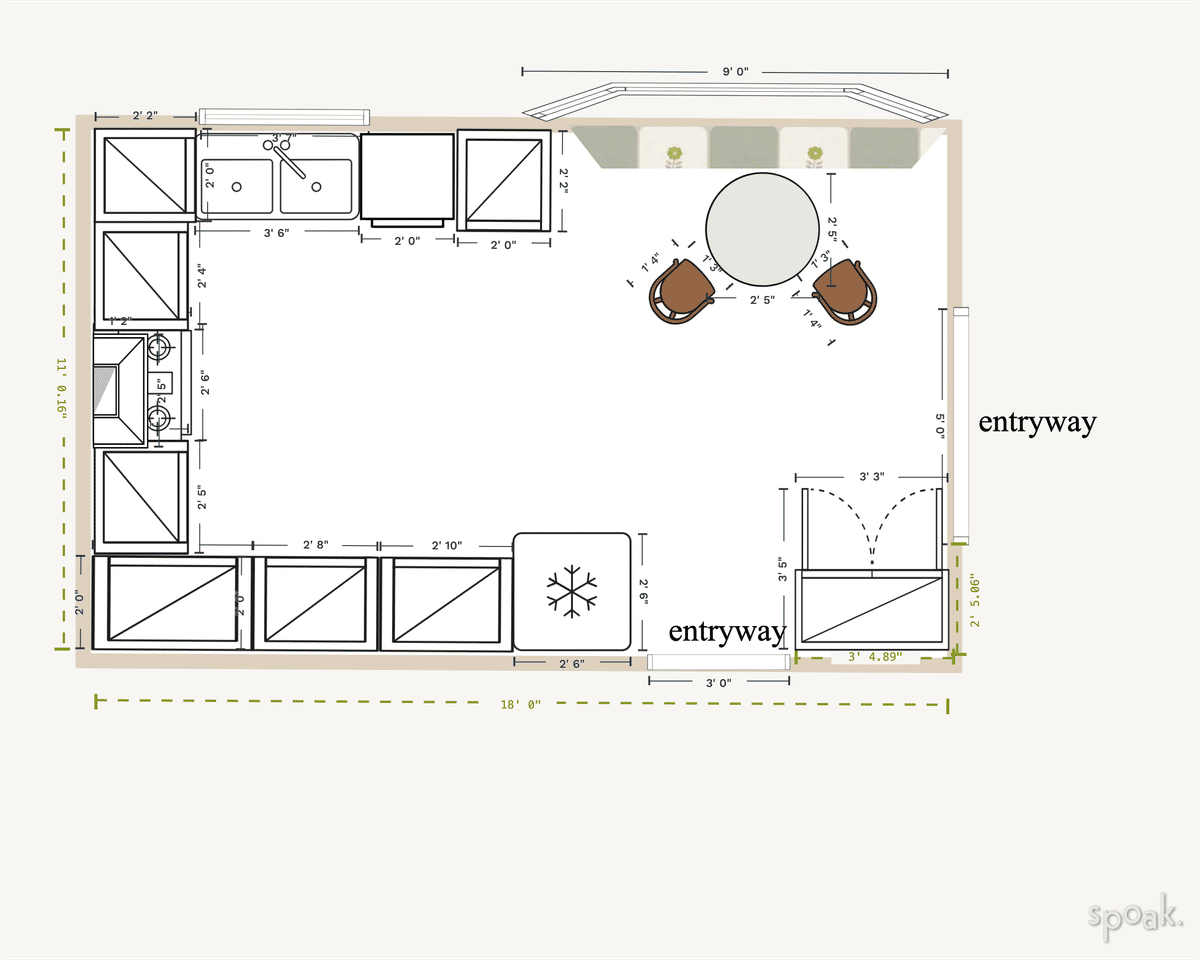
U-shaped kitchens have counters on three walls, forming a horseshoe. Ideal width is 8 to 12 feet, with length around 10 to 12 feet. This layout provides plenty of storage and workspace. It allows multiple cooks to work without crowding. U-shaped kitchens suit larger rooms and busy families.

Credit: www.facebook.com
Countertop And Cabinet Sizes
Choosing the right sizes for countertops and cabinets makes your kitchen functional and comfortable. Proper dimensions help you move freely and use the space efficiently. Below are key size guidelines that work well in most kitchens.
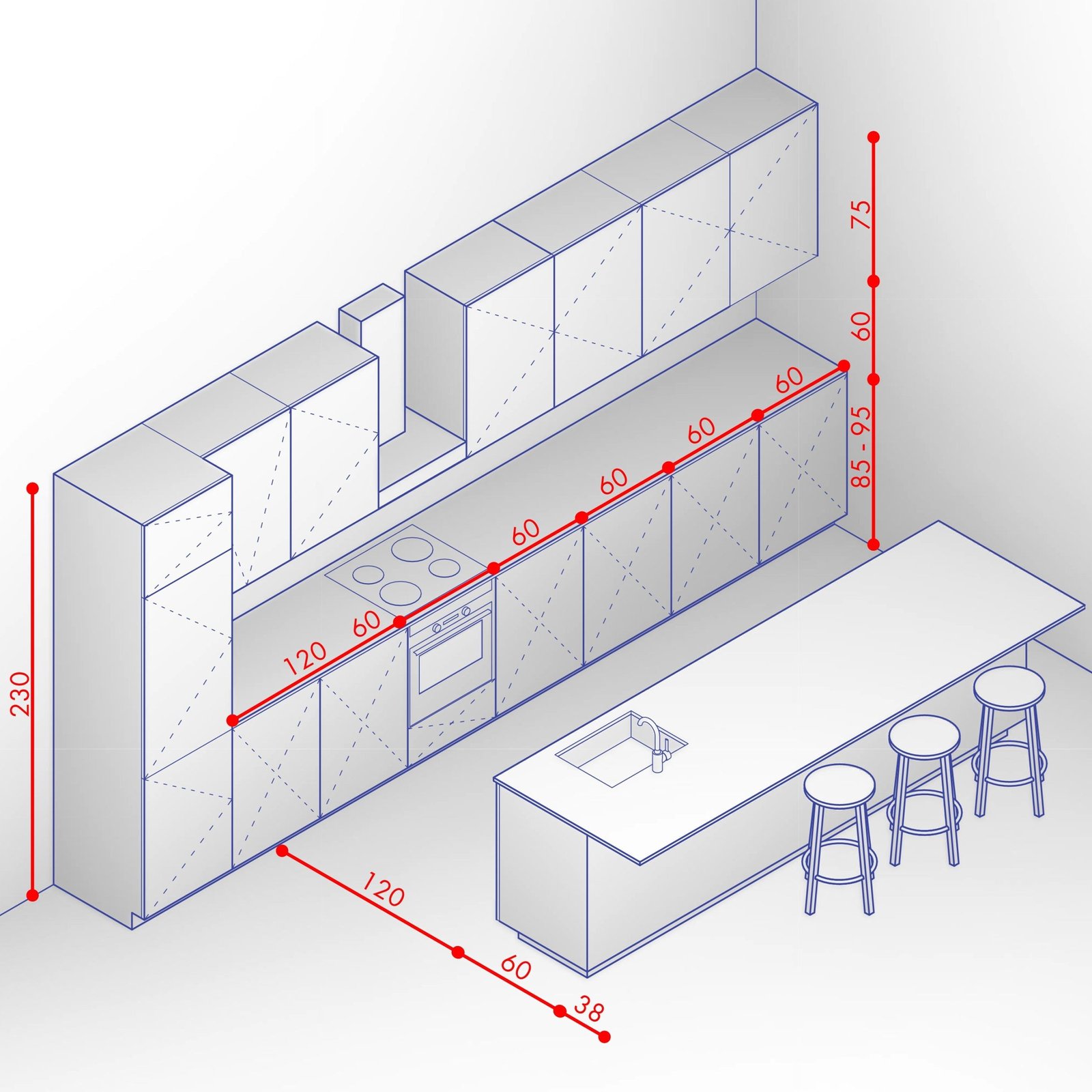
Standard Counter Height
The common counter height is 36 inches from the floor. This height suits most adults for food prep and cooking. It reduces strain on your back and arms during tasks. For shorter people or children, consider counters at 30 to 34 inches.
Optimal Counter Depth
Standard countertop depth is 24 inches. This size allows enough workspace without crowding the kitchen. Deeper counters of 30 inches fit bigger kitchens but may limit walking space. Keep the depth consistent for a neat look.
Cabinet Height And Width
Base cabinets usually stand 34.5 inches tall, matching counter height with a 1.5-inch countertop. Widths vary in 3-inch steps from 9 to 48 inches. Wall cabinets often measure 12 to 42 inches high and 12 to 24 inches deep. Choose sizes based on your storage needs.
Space Between Cabinets And Counters
The gap between the countertop and wall cabinets is typically 18 inches. This space prevents crowding and allows room for small appliances. Keep at least 36 inches of walking space between opposing counters for easy movement. Wider walkways feel more open and comfortable.
Appliance Space Requirements
Allocating the right amount of space for your kitchen appliances is key to a functional and comfortable cooking area. Overcrowding can make your kitchen feel cramped, while too much space wastes valuable square footage. Understanding the specific space requirements for each appliance helps you design a kitchen that flows smoothly and supports your cooking habits.
Refrigerator Clearance
Your refrigerator needs enough room to open doors fully without blocking walkways or other appliances. Most standard refrigerators require at least 2 to 3 inches of clearance on each side for proper ventilation.
Don’t forget to leave about 15 to 20 inches of space in front for the doors to swing open easily. If your fridge has a side-by-side door, ensure the clearance accommodates both doors opening simultaneously.
Oven And Stove Spacing
Safety and convenience come first around ovens and stoves. Ideally, leave at least 15 inches of counter space on one side and 12 inches on the other to place utensils or hot pans.
Keep at least 30 inches of vertical clearance above the stove for ventilation hoods or microwave mounts. Also, maintain a minimum of 36 inches of walking space in front to move freely while cooking.
Dishwasher Dimensions
Most built-in dishwashers have a standard width of 24 inches, but you should plan for about 25 inches of width to accommodate installation space. Allow at least 24 inches of clearance in front for the door to open fully.
Think about the dishwasher’s proximity to the sink to make loading dishes easier. Positioning it too far can create unnecessary steps and slow down your kitchen routine.
Microwave And Small Appliances
Microwaves vary in size, but countertop models typically need a 20-inch wide space with 3 inches of clearance on all sides for ventilation. If you prefer built-in microwaves, plan the cabinet space carefully to avoid awkward gaps.
For small appliances like toasters and coffee makers, designate a specific counter zone. This keeps your workspace organized and prevents clutter from taking over your cooking area.
Walkway And Aisle Widths
Walkway and aisle widths are key in kitchen design. They affect comfort and safety during cooking and movement. Proper spacing prevents crowding and allows smooth access to appliances and counters.
Choosing the right aisle width improves kitchen flow. It helps cooks work without bumping into each other or obstacles. Careful planning of walkway space enhances overall kitchen usability.
Minimum Aisle Space
The minimum aisle width should be at least 36 inches (91 cm). This space allows one person to move comfortably. Narrow aisles can cause discomfort and slow down kitchen tasks.
In smaller kitchens, 32 inches (81 cm) can be acceptable. But it leaves less room for movement. Wider aisles offer better comfort and ease of use.
Clearance For Multiple Cooks
For kitchens with more than one cook, wider aisles are essential. Aisle widths of 42 to 48 inches (107 to 122 cm) provide enough space for two people.
- 42 inches allows side-by-side cooking.
- 48 inches offers extra comfort and equipment access.
This clearance reduces collisions and improves teamwork during meal preparation.
Traffic Flow Considerations
Walkways should not block main kitchen activities. Place aisles away from busy zones like the sink, stove, and refrigerator.
Clear paths help maintain smooth traffic flow. Avoid placing obstacles in walkways to prevent accidents.
Think about natural movement patterns when designing aisle widths. This keeps the kitchen functional and safe for everyone.
Storage And Pantry Dimensions
Proper storage and pantry dimensions ensure a kitchen that feels spacious and organized. Well-planned storage allows easy access to ingredients and kitchen tools. It also prevents clutter and saves time during meal preparation.
Space for pantry and storage must be efficient. The dimensions depend on kitchen size and family needs. Smart designs make every inch count and keep items visible and reachable.
Pantry Size Recommendations
A pantry should be large enough for basic food storage without crowding. Typical pantry widths range from 3 to 6 feet. Depths usually measure 12 to 24 inches to fit standard shelving.
A walk-in pantry starts at around 5 by 5 feet. This space suits larger families or those who cook often. Small kitchens benefit from a reach-in pantry with sliding doors or cabinets.
Shelving Heights And Depths
Shelves should vary in height to hold different items. Common shelf heights range from 8 to 15 inches. Tall shelves suit cereal boxes; shorter ones fit cans and jars.
Standard shelf depth is 12 inches. Deeper shelves can cause items to hide at the back. Adjustable shelves allow flexibility for changing storage needs.
Pull-out Storage Solutions
Pull-out shelves maximize space in narrow cabinets. They provide easy access to items at the back. These are ideal for spices, canned goods, and small appliances.
Roll-out baskets and drawers keep pantry contents organized. Smooth gliding mechanisms improve user comfort. Consider pull-out racks for pots, pans, and cleaning supplies.
Island And Peninsula Sizing
Choosing the right size for your kitchen island or peninsula can make a huge difference in how you use your space. These features should fit comfortably without crowding your kitchen or limiting movement. Let’s break down the best sizing tips to help you create a functional and inviting cooking area.
Ideal Island Dimensions
A kitchen island should be large enough to serve multiple purposes like prep work, dining, and storage. Typically, a good starting point is around 4 feet long and 2 feet wide.
If you want seating at your island, add at least 15 inches of overhang per person for comfortable legroom. Think about your daily kitchen activities—do you need extra space for appliances or a cooktop? Adjust the size accordingly.
Clearance Around Islands
Clearance is crucial to avoid feeling cramped. You should have at least 36 inches of space on all sides of the island for easy movement.
If your kitchen is a busy hub with multiple cooks, increasing that clearance to 42-48 inches improves flow and safety. Imagine trying to open the oven or fridge—does the space allow for it without blocking pathways?
Peninsula Space Guidelines
Peninsulas are great for kitchens that don’t have room for a full island. The width should be at least 24 inches to provide usable counter space.
Leave 36 to 42 inches of clearance between the peninsula and adjacent counters or walls. This space helps you move freely and opens up options for seating or storage underneath.
Have you measured your kitchen with these clearances in mind? Small adjustments now can save you frustration later.
Lighting And Ventilation Space
Lighting and ventilation are essential elements in creating a functional and comfortable kitchen space. Proper lighting helps you see clearly while preparing meals, and adequate ventilation keeps the air fresh and removes unwanted odors. Balancing these two can transform your kitchen into a healthier and more enjoyable place to cook.
Placement For Task Lighting
Task lighting should be positioned directly above key work areas like countertops, the stove, and the sink. This focused light reduces shadows and helps you see details clearly while chopping, mixing, or reading recipes.
Consider installing under-cabinet lights to brighten countertops without causing glare. Adjustable fixtures allow you to direct light exactly where you need it most.
Have you noticed how poor lighting makes cooking more stressful? Proper placement can make a big difference in your kitchen’s usability.
Vent Hood Clearance
Vent hood clearance is critical for efficient smoke and odor removal. The recommended distance between the cooktop and the vent hood is usually 24 to 30 inches, but check your hood’s specifications for exact measurements.
Too little clearance can reduce ventilation performance, while too much might cause heat and steam to escape before being captured. Ensure your kitchen layout allows enough space to meet these guidelines.
Planning your vent hood placement early can prevent costly adjustments later and keep your kitchen smelling fresh.
Natural Light Considerations
Natural light brightens the kitchen and makes the space feel more inviting. Position windows where they can illuminate your main work zones without causing glare on screens or reflective surfaces.
Skylights or larger windows can boost daylight, but think about how sunlight changes throughout the day. You might want to add blinds or shades to control brightness at peak times.
Have you tried cooking in a kitchen flooded with sunlight? It can improve your mood and even help reduce electricity costs.

Credit: www.instagram.com
Credit: www.spoak.com
Frequently Asked Questions
What Are The Ideal Kitchen Dimensions For Small Spaces?
Ideal small kitchens measure around 70 to 100 square feet. This size allows efficient movement and essential appliances. Compact layouts maximize storage while maintaining comfort and functionality for daily tasks.
How Much Space Is Needed Between Kitchen Countertops?
A minimum of 42 to 48 inches is recommended between countertops. This space ensures ease of movement and safety while cooking. It accommodates two people working side by side comfortably.
What Is The Best Kitchen Layout For Optimal Workflow?
The classic work triangle layout is best. It connects the sink, stove, and refrigerator efficiently. This design minimizes walking distance and boosts kitchen productivity and convenience.
How Tall Should Kitchen Countertops Be For Comfort?
Standard countertop height is 36 inches from the floor. This height suits most people for comfortable food preparation. Adjustable options exist for customized ergonomic needs.
Conclusion
Choosing the right kitchen dimensions makes cooking easier and more fun. A well-sized kitchen fits your needs and space perfectly. It helps you move smoothly and keeps everything within reach. Small kitchens need careful planning to feel open and useful.
Bigger kitchens offer more room for friends and family. Remember, comfort and function matter most in kitchen design. Think about your daily habits and space limits. A good kitchen size helps you enjoy every meal you make. Keep these tips in mind for your kitchen plans.
