
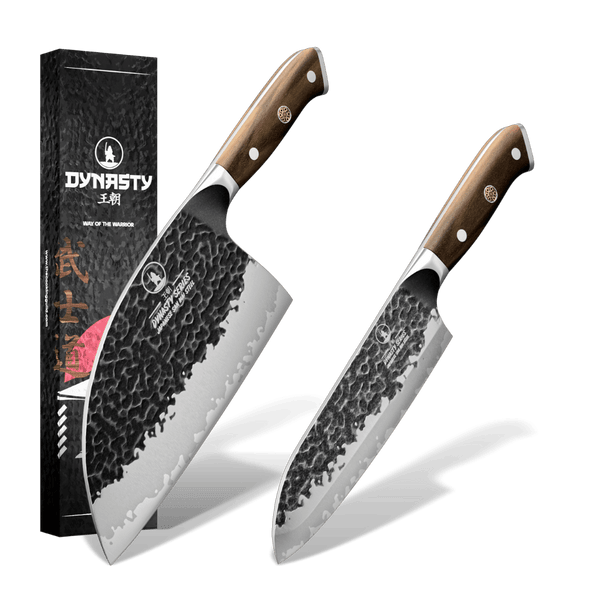
When it comes to kitchen knives, the hardness rating can make all the difference in how well your knife performs. You want a blade that stays sharp longer, cuts smoothly, and feels just right in your hand.
But how do you know what hardness rating is best for your kitchen knives? Choosing the wrong one can mean dull blades or knives that chip too easily. You’ll discover the ideal hardness rating that balances durability and sharpness, helping you make smarter choices for your kitchen tools.
Keep reading to find out how to get the most from your knives every time you cook.

Credit: www.thecookingguild.com
Knife Hardness Basics
Understanding knife hardness is key to choosing the right kitchen knife. Hardness affects sharpness, durability, and ease of sharpening. It influences how the knife handles daily kitchen tasks. This section explains the basics of knife hardness for better kitchen decisions.
What Hardness Means
Hardness refers to a knife’s resistance to dents and scratches. It shows how tough the blade material is. Hard knives keep their edge longer but can be brittle. Softer knives are easier to sharpen but dull faster. The right balance depends on your cutting needs and care habits.
Measuring Hardness Scales
The most common scale for kitchen knives is the Rockwell Hardness Scale. It uses numbers and letters to rate metal hardness. Most kitchen knives fall between 55 and 62 HRC (Hardness Rockwell C). Higher numbers mean harder steel. Other scales exist but are less common for knives.
Hardness And Knife Performance
Hardness plays a crucial role in how your kitchen knife performs every day. It directly affects how sharp the knife can get and how long it stays that way. Understanding the link between hardness and performance will help you choose a knife that suits your cooking style and maintenance habits.
Sharpness And Edge Retention
A knife’s hardness determines how finely it can be sharpened. Harder steel allows for a thinner, sharper edge, which means cleaner cuts and more precision. However, if the steel is too hard, it might become brittle and chip easily.
On the other hand, softer steel won’t hold a sharp edge as long, requiring more frequent sharpening. Think about how often you’re willing to sharpen your knife and how precise your cuts need to be before choosing the hardness rating.
Durability And Wear Resistance
Hardness also affects how well a knife resists wear and tear. Higher hardness means better resistance to scratches and dents, making the knife last longer under heavy use. But extreme hardness can reduce flexibility, causing the blade to snap if bent too much.
Do you prefer a tough, flexible blade that can handle rough tasks, or a hard, rigid blade that stays sharp but demands careful handling? Your answer will guide you to the right hardness level.
Ease Of Sharpening
Sharpening a very hard knife can be challenging and might require special tools or professional help. Softer knives are easier to sharpen at home with basic sharpening stones or rods. If you enjoy hands-on maintenance, a slightly softer knife might be more practical.
Consider how comfortable you are with sharpening tools and how much time you want to spend maintaining your knife’s edge. This balance between hardness and ease of sharpening is key to keeping your knife performing well.
Common Hardness Ratings For Kitchen Knives
Understanding the common hardness ratings for kitchen knives can help you choose a blade that fits your cooking style. Knife hardness affects sharpness, edge retention, and ease of sharpening. Let’s break down the typical hardness categories you’ll find in kitchen knives, so you can make an informed decision.
Soft Steel Knives
Soft steel knives usually have a hardness rating below 56 on the Rockwell Hardness Scale (HRC). These knives are easy to sharpen and forgiving if you’re new to knife care. However, they tend to lose their edge faster, meaning you’ll sharpen them more often.
If you prefer a knife that’s simple to maintain and don’t mind frequent touch-ups, soft steel might work well. But if you crave a blade that stays sharp through heavy use, you might find soft steel frustrating.
Medium Hardness Knives
Knives in the medium hardness range typically score between 56 and 60 HRC. This category offers a balance between edge retention and ease of sharpening. It’s a popular choice for home cooks who want reliable performance without too much fuss.
These knives hold their edge longer than soft steel but still allow you to sharpen them without specialized tools. Are you looking for a practical everyday knife that doesn’t demand constant maintenance? Medium hardness could be your best bet.
High Hardness Knives
High hardness knives usually rate above 60 HRC. These blades excel at holding an edge for a long time, which is why professional chefs often prefer them. However, they require more skill and the right tools to sharpen properly.
If you enjoy sharp, precise cuts and don’t mind putting effort into knife care, high hardness blades reward you with exceptional performance. Ask yourself: are you ready to invest time in maintaining a knife that can elevate your cooking?
Choosing The Right Hardness For Your Needs
Choosing the right hardness for kitchen knives affects their performance and durability. The hardness determines how sharp the blade stays and how easy it is to sharpen. It also influences the knife’s resistance to chips and wear. Selecting the best hardness depends on your cooking style and knife use.
Home Cooking Preferences
Home cooks usually prefer knives with medium hardness. These knives balance sharpness and ease of maintenance. A hardness rating around 55-58 HRC works well. It keeps the knife sharp enough for daily tasks. It also allows easy sharpening with common tools. Harder knives may be too fragile for casual use.
Professional Kitchen Demands
Chefs need knives with higher hardness ratings, usually 60-62 HRC. These knives stay sharp longer under heavy use. They handle precise cuts and fast chopping better. Professionals accept that sharpening takes more skill and time. The harder steel resists dents and edge rolling during intense work.
Types Of Cuisine Influence
Different cuisines require different knife hardness. Asian cooking often uses very hard knives, over 60 HRC, for fine slicing. Western cuisines may favor slightly softer blades for versatile tasks. Soft steel is better for cutting bones or tough ingredients. Match knife hardness to the typical foods you prepare.
Materials And Heat Treatment
The choice of materials and the heat treatment process directly shape the hardness and durability of your kitchen knife. Understanding these elements helps you pick a knife that stays sharp longer and handles daily kitchen tasks with ease. Let’s break down how steel types and heat treatment impact your knife’s performance.
Steel Types And Their Hardness
Different steels offer varying hardness levels, which affect edge retention and ease of sharpening. Common kitchen knife steels include:
- Carbon Steel:Typically harder and easier to sharpen but more prone to rust.
- Stainless Steel:Offers corrosion resistance with moderate hardness, ideal for busy kitchens.
- High Carbon Stainless Steel:Combines hardness and rust resistance, a favorite for many chefs.
You might wonder why some knives feel sharper out of the box. That’s often due to the steel’s ability to reach higher hardness ratings, usually measured on the Rockwell scale (HRC). Most kitchen knives fall between 55 and 62 HRC.
Heat Treatment Processes
Heat treatment changes the steel’s internal structure to improve hardness and toughness. The process usually involves heating the steel to a high temperature, then cooling it rapidly (quenching) and reheating it slightly (tempering).
Proper heat treatment balances hardness with flexibility, preventing blades from becoming too brittle. If the heat treatment is off, even the best steel can fail during use.
Impact On Knife Quality
The combination of steel type and heat treatment determines your knife’s edge retention, sharpness, and resistance to chipping or rusting. A well-treated high carbon steel knife will hold an edge longer but needs more care to avoid corrosion.
Think about how you use your knife daily. Do you prioritize a razor-sharp edge or low maintenance? This decision helps you choose the right hardness rating and material.
Have you noticed how some knives dull quickly despite being expensive? The answer often lies in their steel quality and heat treatment, not just design or brand.
Maintaining Hardness And Knife Care
Maintaining the hardness of your kitchen knives is key to keeping them sharp and efficient for years. Hardness isn’t just about the steel; it depends a lot on how you care for the blade every day. Neglecting proper care can quickly reduce the knife’s performance and lifespan.
Proper Sharpening Techniques
Sharpening your knives correctly preserves their hardness and edge. Use sharpening stones or guided systems designed for your knife’s steel type.
Avoid electric sharpeners with aggressive angles—they can strip away too much material and soften the blade over time. Instead, sharpen slowly and evenly, following the manufacturer’s recommended angle, usually between 15 to 20 degrees.
Have you noticed how a dull knife makes cooking frustrating? Regular, gentle sharpening keeps the edge precise and hard.
Storage Tips To Preserve Hardness
How you store your knives affects their hardness and sharpness. Always keep knives in a knife block, magnetic strip, or blade guards to prevent contact with hard surfaces.
Loose storage in drawers can cause nicks and chips, weakening the steel’s hardness. Consider a dedicated knife roll if you transport your knives often—this protects the edge and maintains the blade’s integrity.
Avoiding Common Damage
Hard steel can be brittle, so avoiding common damage is crucial. Don’t use your kitchen knives to cut bones, frozen foods, or as screwdrivers—these tasks chip and crack the blade.
Hand wash your knives and dry them immediately to prevent rust spots that can weaken hardness. Dishwasher cycles are harsh and can warp or dull the blade quickly.
Ask yourself: Are you treating your knives like tools meant for cutting food only? Keeping this mindset helps preserve the knife’s hardness and sharpness longer.
Expert Recommendations
Choosing the right hardness rating for your kitchen knife can make a huge difference in how it performs and feels in your hand. Experts often weigh in based on years of testing and user feedback, helping you find the sweet spot between sharpness and durability. Let’s take a closer look at what top brands recommend and how real users balance hardness with flexibility.
Top Hardness Ratings By Brands
Many well-known knife makers aim for a Rockwell hardness between 58 and 62 HRC for their kitchen knives. This range tends to offer a good balance of sharpness and edge retention without being too brittle.
- Wüsthof:Around 60 HRC, known for durability and easy sharpening.
- Shun:Typically 60-61 HRC, offering a sharper edge but requiring more care.
- Global:About 56-58 HRC, focusing on flexibility and toughness.
These ratings reflect each brand’s philosophy and target user, so your choice depends on what matters most in your kitchen.
Balancing Hardness And Flexibility
Hardness isn’t everything. If a knife is too hard, it might chip or break when used on tougher ingredients. On the other hand, too soft a blade dulls quickly.
Look for knives that strike a balance. A blade around 58-60 HRC usually gives you enough hardness for a sharp edge and enough flexibility to handle everyday kitchen tasks.
Ask yourself: Do you prefer a blade that stays sharp longer, or one that’s easier to maintain and less prone to damage?
User Experiences And Reviews
Many home cooks and professional chefs share their experiences online, revealing what hardness ratings work best in real kitchens. Some users praise harder blades for slicing precision but warn about the need for careful handling.
Others prefer slightly softer knives that allow for more forgiving use, especially if they frequently cut bones or harder foods.
Reading reviews can help you understand how a knife performs over time. Look for comments on edge retention, ease of sharpening, and how the knife feels during extended use.

Credit: www.thecookingguild.com

Credit: daterracucina.com
Frequently Asked Questions
What Is The Ideal Hardness Rating For Kitchen Knives?
The ideal hardness rating for kitchen knives is usually between 56 and 60 HRC. This range balances sharpness, edge retention, and ease of sharpening, making knives durable and efficient for everyday kitchen tasks.
How Does Hardness Rating Affect Knife Sharpness?
Higher hardness ratings allow knives to maintain a sharper edge longer. However, extremely hard knives can be brittle and prone to chipping. A balanced hardness rating ensures sharpness without sacrificing durability.
Why Is Hrc Important For Kitchen Knives?
HRC (Rockwell Hardness Scale) measures a knife’s steel hardness. It indicates edge retention and durability. Understanding HRC helps buyers choose knives that suit their cutting needs and maintenance preferences.
Can Harder Knives Be More Difficult To Sharpen?
Yes, knives with a higher hardness rating are tougher to sharpen. They hold the edge longer but require specialized tools and skills for maintenance. Softer knives sharpen easily but lose sharpness faster.
Conclusion
Choosing the right hardness rating affects your kitchen knife’s performance. A balanced hardness keeps blades sharp and easy to use. Too hard, and the blade may chip or break. Too soft, and it won’t stay sharp long. Aim for a rating that fits your cooking style and knife care.
This makes cutting smoother and safer. Remember, the best knife feels right in your hand. Invest time in picking the right hardness for better kitchen results. Your cooking becomes easier and more enjoyable.
